
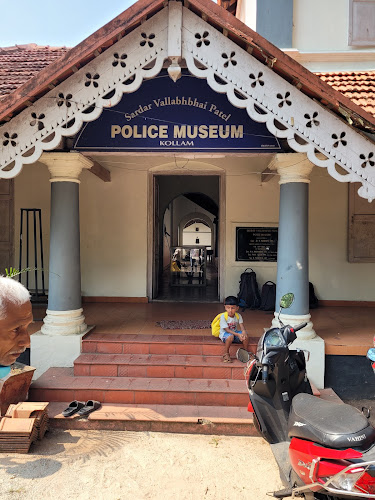
Sardar Vallabhai Patel Police Museum
About Sardar Vallabhai Patel Police Museum
Description
The Sardar Vallabhai Patel Police Museum is not the kind of place that shouts for attention. And honestly, that’s part of its charm. This is a small, modest museum that quietly tells a big story—the story of India’s police force, its evolution, its struggles, and its role in shaping modern law and order. Travelers who wander in expecting flashy screens and dramatic sound effects might feel underwhelmed at first. But give it a few minutes. Slow down. Read the panels. Look closely at the exhibits. That’s when the place starts to speak.
Dedicated to Sardar Vallabhbhai Patel, often called the Iron Man of India, the museum focuses on policing as an institution rather than a spectacle. It doesn’t try to impress you with size. Instead, it leans into detail. Old photographs, uniforms, badges, weapons, documents—each display adds another layer to the understanding of how policing in India has changed from colonial times to the present day. Some exhibits are simple, even a little old-school. But there’s something refreshing about that, especially if you’re tired of over-designed museums that forget the story in favor of the show.
The tone of the museum feels educational without being preachy. It’s good for kids, yes, but adults—especially history buffs, civil services aspirants, or travelers curious about governance—will likely find themselves lingering longer than planned. The museum doesn’t hide the complexities either. You’ll see moments of reform and progress, but also reminders of how policing has often reflected the political and social tensions of its time. It’s honest, and that honesty makes the experience more meaningful.
What stands out most is how human the story feels. Behind every uniform on display, you start imagining the person who wore it. And maybe that’s why the museum stays with you after you leave. It’s not loud. It’s thoughtful. And for travelers who enjoy understanding a place beyond its monuments and markets, this museum adds depth to the journey.
Key Features
The Sardar Vallabhai Patel Police Museum may be compact, but it packs in some genuinely interesting elements that reward curious visitors.
- Historical Exhibits: Displays tracing the evolution of India’s police force from the British era to modern times, with clear timelines and explanations.
- Uniform and Insignia Collection: A close-up look at old and modern police uniforms, medals, and rank insignia from different periods.
- Photographic Archives: Rare photographs showing police personnel at work during significant historical moments.
- Weapons and Equipment: A small but telling collection of arms and tools used by the police over the decades.
- Educational Panels: Informative write-ups that explain reforms, administrative structures, and the philosophy behind policing in India.
- Kid-Friendly Environment: Simple layouts and clear visuals make it easier for younger visitors to stay engaged.
- Basic Amenities: Clean restrooms are available, which, trust me, matters more than people admit when you’re museum-hopping.
Best Time to Visit
Timing your visit right can make a big difference here. The museum is best explored during the late morning or early afternoon, when there’s enough daylight to comfortably read displays without feeling rushed. Weekdays tend to be quieter, and that quiet suits the museum’s reflective mood. You can take your time, pause at exhibits, maybe even discuss what you’re seeing with a companion without feeling like you’re in someone’s way.
If you’re traveling during peak tourist season, pairing this museum with nearby attractions on the same day works well. It doesn’t demand hours and hours, but it does deserve unhurried attention. Avoid very late visits if you’re the type who gets museum fatigue. This place asks you to think, not just look, and that’s easier when your mind is fresh.
Weather-wise, any season works since it’s an indoor attraction. But during hotter months, the museum can be a welcome break from the heat. I remember ducking into a similar museum on a sweltering afternoon, thinking I’d stay ten minutes. I ended up staying nearly an hour, partly because my brain finally had a chance to cool down along with my body.
How to Get There
Reaching the Sardar Vallabhai Patel Police Museum is generally straightforward, especially if you’re already exploring the city. Most travelers rely on local transport—auto-rickshaws, taxis, or app-based cabs—to get close without hassle. If you enjoy walking and the weather cooperates, combining the visit with a short stroll through nearby areas can be surprisingly pleasant.
Public transport options usually stop within a reasonable distance, making it accessible even for budget travelers. And because it’s not one of those overcrowded headline attractions, getting in and out is relatively smooth. No long queues, no aggressive ticket counters. Just a simple entrance and a calm transition into the world inside.
For travelers on a tight schedule, this museum fits neatly into half a day’s plan. It’s easy to slot between larger attractions or use as a quieter stop to balance out a busy itinerary.
Tips for Visiting
A little preparation goes a long way in making the most of this museum. First, go in with the right expectations. This is not a grand, high-tech museum. It’s more like a well-kept archive that invites you to pay attention. If you’re okay with that, you’ll enjoy it far more.
Take the time to read the descriptions. Skimming won’t do justice here. Some of the most interesting insights are tucked into the text panels, explaining why certain reforms happened or how policing philosophies changed over time. And if you’re visiting with kids, turning it into a storytelling exercise helps. Ask them what they think a police officer’s job was like 100 years ago. You might be surprised by their answers.
Photography rules can vary, so it’s best to be respectful and ask if you’re unsure. Even when photos are allowed, I’d suggest keeping the phone away for a bit. There’s something grounding about engaging with history without a screen in between.
Don’t expect food options inside; there’s no restaurant on-site. Plan meals before or after your visit. Carry water, especially if you’re traveling in warmer months. And wear comfortable shoes. You won’t walk miles, but standing and reading does take more energy than people expect.
Lastly, give yourself permission to feel conflicted. Museums about policing often stir mixed emotions—pride, criticism, curiosity, even discomfort. That’s okay. In fact, that’s a sign the museum is doing its job. The Sardar Vallabhai Patel Police Museum doesn’t hand you easy answers. It offers context, history, and a quiet space to think. And for many travelers, that ends up being the most memorable part of the visit.
Key Features
- Key Features
- Best Time to Visit
- How to Get There
- Tips for Visiting
More Details
Updated January 1, 2026
Table of Contents
- Description
- Key Features
- Best Time to Visit
- How to Get There
- Tips for Visiting
- Key Highlights
- Location
- Places to Stay Near Sardar Vallabhai Patel Police Museum
- Find and Book a Tour
- Explore More Travel Guides
- Nearby Places You Might Like
- Traveler Reviews for Sardar Vallabhai Patel Police Museum
- Share Your Experience
Description
The Sardar Vallabhai Patel Police Museum is not the kind of place that shouts for attention. And honestly, that’s part of its charm. This is a small, modest museum that quietly tells a big story—the story of India’s police force, its evolution, its struggles, and its role in shaping modern law and order. Travelers who wander in expecting flashy screens and dramatic sound effects might feel underwhelmed at first. But give it a few minutes. Slow down. Read the panels. Look closely at the exhibits. That’s when the place starts to speak.
Dedicated to Sardar Vallabhbhai Patel, often called the Iron Man of India, the museum focuses on policing as an institution rather than a spectacle. It doesn’t try to impress you with size. Instead, it leans into detail. Old photographs, uniforms, badges, weapons, documents—each display adds another layer to the understanding of how policing in India has changed from colonial times to the present day. Some exhibits are simple, even a little old-school. But there’s something refreshing about that, especially if you’re tired of over-designed museums that forget the story in favor of the show.
The tone of the museum feels educational without being preachy. It’s good for kids, yes, but adults—especially history buffs, civil services aspirants, or travelers curious about governance—will likely find themselves lingering longer than planned. The museum doesn’t hide the complexities either. You’ll see moments of reform and progress, but also reminders of how policing has often reflected the political and social tensions of its time. It’s honest, and that honesty makes the experience more meaningful.
What stands out most is how human the story feels. Behind every uniform on display, you start imagining the person who wore it. And maybe that’s why the museum stays with you after you leave. It’s not loud. It’s thoughtful. And for travelers who enjoy understanding a place beyond its monuments and markets, this museum adds depth to the journey.
Key Features
The Sardar Vallabhai Patel Police Museum may be compact, but it packs in some genuinely interesting elements that reward curious visitors.
- Historical Exhibits: Displays tracing the evolution of India’s police force from the British era to modern times, with clear timelines and explanations.
- Uniform and Insignia Collection: A close-up look at old and modern police uniforms, medals, and rank insignia from different periods.
- Photographic Archives: Rare photographs showing police personnel at work during significant historical moments.
- Weapons and Equipment: A small but telling collection of arms and tools used by the police over the decades.
- Educational Panels: Informative write-ups that explain reforms, administrative structures, and the philosophy behind policing in India.
- Kid-Friendly Environment: Simple layouts and clear visuals make it easier for younger visitors to stay engaged.
- Basic Amenities: Clean restrooms are available, which, trust me, matters more than people admit when you’re museum-hopping.
Best Time to Visit
Timing your visit right can make a big difference here. The museum is best explored during the late morning or early afternoon, when there’s enough daylight to comfortably read displays without feeling rushed. Weekdays tend to be quieter, and that quiet suits the museum’s reflective mood. You can take your time, pause at exhibits, maybe even discuss what you’re seeing with a companion without feeling like you’re in someone’s way.
If you’re traveling during peak tourist season, pairing this museum with nearby attractions on the same day works well. It doesn’t demand hours and hours, but it does deserve unhurried attention. Avoid very late visits if you’re the type who gets museum fatigue. This place asks you to think, not just look, and that’s easier when your mind is fresh.
Weather-wise, any season works since it’s an indoor attraction. But during hotter months, the museum can be a welcome break from the heat. I remember ducking into a similar museum on a sweltering afternoon, thinking I’d stay ten minutes. I ended up staying nearly an hour, partly because my brain finally had a chance to cool down along with my body.
How to Get There
Reaching the Sardar Vallabhai Patel Police Museum is generally straightforward, especially if you’re already exploring the city. Most travelers rely on local transport—auto-rickshaws, taxis, or app-based cabs—to get close without hassle. If you enjoy walking and the weather cooperates, combining the visit with a short stroll through nearby areas can be surprisingly pleasant.
Public transport options usually stop within a reasonable distance, making it accessible even for budget travelers. And because it’s not one of those overcrowded headline attractions, getting in and out is relatively smooth. No long queues, no aggressive ticket counters. Just a simple entrance and a calm transition into the world inside.
For travelers on a tight schedule, this museum fits neatly into half a day’s plan. It’s easy to slot between larger attractions or use as a quieter stop to balance out a busy itinerary.
Tips for Visiting
A little preparation goes a long way in making the most of this museum. First, go in with the right expectations. This is not a grand, high-tech museum. It’s more like a well-kept archive that invites you to pay attention. If you’re okay with that, you’ll enjoy it far more.
Take the time to read the descriptions. Skimming won’t do justice here. Some of the most interesting insights are tucked into the text panels, explaining why certain reforms happened or how policing philosophies changed over time. And if you’re visiting with kids, turning it into a storytelling exercise helps. Ask them what they think a police officer’s job was like 100 years ago. You might be surprised by their answers.
Photography rules can vary, so it’s best to be respectful and ask if you’re unsure. Even when photos are allowed, I’d suggest keeping the phone away for a bit. There’s something grounding about engaging with history without a screen in between.
Don’t expect food options inside; there’s no restaurant on-site. Plan meals before or after your visit. Carry water, especially if you’re traveling in warmer months. And wear comfortable shoes. You won’t walk miles, but standing and reading does take more energy than people expect.
Lastly, give yourself permission to feel conflicted. Museums about policing often stir mixed emotions—pride, criticism, curiosity, even discomfort. That’s okay. In fact, that’s a sign the museum is doing its job. The Sardar Vallabhai Patel Police Museum doesn’t hand you easy answers. It offers context, history, and a quiet space to think. And for many travelers, that ends up being the most memorable part of the visit.
Key Highlights
- Key Features
- Best Time to Visit
- How to Get There
- Tips for Visiting
Location
Places to Stay Near Sardar Vallabhai Patel Police Museum
Find and Book a Tour
Explore More Travel Guides
No reviews found! Be the first to review!
Traveler Reviews for Sardar Vallabhai Patel Police Museum
There are no reviews yet. Be the first one to write one.
Have you visited Sardar Vallabhai Patel Police Museum? Help other travelers by sharing your review.
You Might Also Like
Thevally Palace
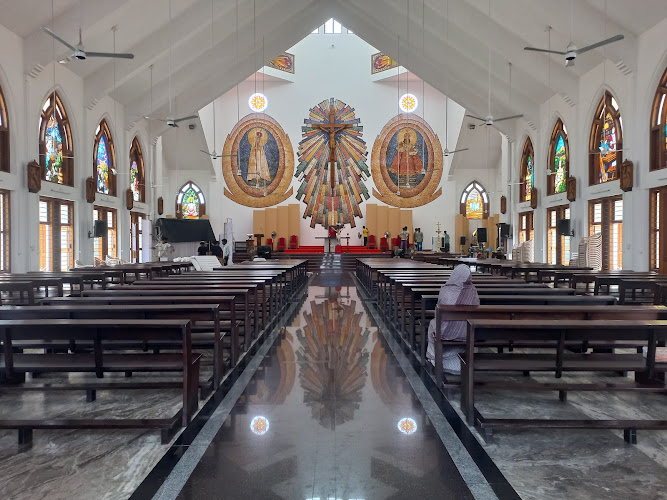
Infant Jesus Roman Catholic Cathedral

Neendakara Port
Find Accommodations Nearby
Recommended Tours & Activities
Visitor Reviews
There are no reviews yet. Be the first one to write one.
Share Your Experience
Have you visited Sardar Vallabhai Patel Police Museum? Help other travelers by leaving a review.