
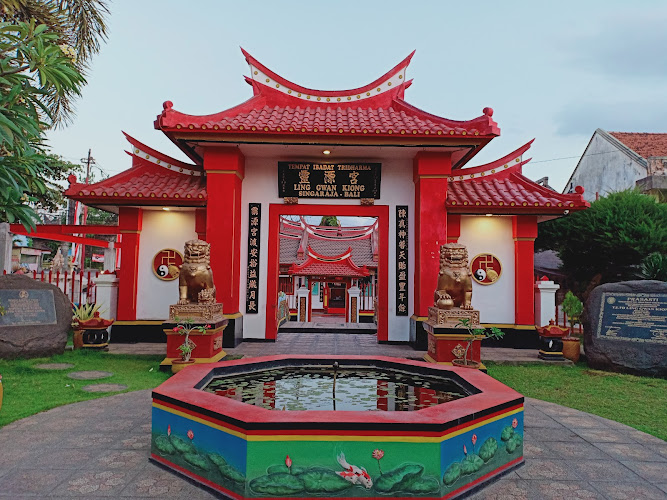
Klenteng Ling Gwan Kiong
About Klenteng Ling Gwan Kiong
Description
Klenteng Ling Gwan Kiong is a Taoist Chinese temple located in the heart of Singaraja, the capital of Buleleng Regency in northern Bali, Indonesia. This historic temple is a cultural gem that has long served as a place of worship for the local Chinese community while also being a destination that intrigues curious travelers. Unlike many Bali attractions centered on Hindu temples and pura, this klenteng adds more depth to the island’s spiritual fabric, blending Taoist, Confucian, and Buddhist traditions under the Tri Dharma teachings.
The atmosphere here often feels both calm and sacred at once, with the scent of burning incense lingering in the air and the sight of glowing red lanterns hanging from elaborately crafted beams. Visitors stepping into the temple are greeted by intricate Chinese architectural details — ornate dragons carved into wooden panels, colorful murals, and decorative gilded altars dedicated to deities. And while a few may note that the structure shows signs of age with its weathered paint and older materials, many actually find that these imperfections amplify its authenticity and historic charm. It is not meant to be a polished attraction; it feels lived-in and still deeply connected to the rhythms of the local community.
What makes Klenteng Ling Gwan Kiong stand out compared to the larger and more crowded temples around Bali is its intimacy. The temple is not vast, but the energy here is undeniable. You might find a small group of locals lighting incense with quiet devotion, while in another corner, a family offers prayers before traveling. This mix of daily worship and quiet exploration gives the temple a genuine quality — it isn’t trying to impress tourists; instead, tourists are invited to witness rituals as they are.
For those who enjoy studying cultural layers, the temple tells a bigger story beyond its walls. Singaraja once served as Bali’s main port and administrative center during Dutch colonial times, which explains why Chinese, Arab, and Bugis traders left their imprints on the area. The temple itself reflects this multicultural blend of northern Bali. It’s almost like walking into a small piece of old Chinese Bali history, a reminder that the island’s story is far more complex than just beaches, pura ceremonies, and rice terraces. Honestly, I walked in expecting only to quickly glance at the architecture but ended up staying for nearly an hour, simply fascinated by the layers of history I could feel in the place.
Travelers who tend to appreciate thoughtful explorations over flashy attractions will likely feel at home here. While some may say it doesn’t have the grandeur of other Bali landmarks, the trade-off is the sense of personal space, authentic rituals unfolding right before your eyes, and the ability to quietly reflect without large crowds. It’s the kind of location that makes you pause — and perhaps even inspires you to look into the lesser-known chapters of Bali’s past. If peace, history, and authenticity appeal to you more than spectacle, this small but meaningful temple in Buleleng is worth seeking out.
Key Features
More Details
Updated October 2, 2025
Table of Contents Klenteng Ling Gwan Kiong is a Taoist Chinese temple located in the heart of Singaraja, the capital of Buleleng Regency in northern Bali, Indonesia. This historic temple is a cultural gem that has long served as a place of worship for the local Chinese community while also being a destination that intrigues curious travelers. Unlike many Bali attractions centered on Hindu temples and pura, this klenteng adds more depth to the island’s spiritual fabric, blending Taoist, Confucian, and Buddhist traditions under the Tri Dharma teachings. The atmosphere here often feels both calm and sacred at once, with the scent of burning incense lingering in the air and the sight of glowing red lanterns hanging from elaborately crafted beams. Visitors stepping into the temple are greeted by intricate Chinese architectural details — ornate dragons carved into wooden panels, colorful murals, and decorative gilded altars dedicated to deities. And while a few may note that the structure shows signs of age with its weathered paint and older materials, many actually find that these imperfections amplify its authenticity and historic charm. It is not meant to be a polished attraction; it feels lived-in and still deeply connected to the rhythms of the local community. What makes Klenteng Ling Gwan Kiong stand out compared to the larger and more crowded temples around Bali is its intimacy. The temple is not vast, but the energy here is undeniable. You might find a small group of locals lighting incense with quiet devotion, while in another corner, a family offers prayers before traveling. This mix of daily worship and quiet exploration gives the temple a genuine quality — it isn’t trying to impress tourists; instead, tourists are invited to witness rituals as they are. For those who enjoy studying cultural layers, the temple tells a bigger story beyond its walls. Singaraja once served as Bali’s main port and administrative center during Dutch colonial times, which explains why Chinese, Arab, and Bugis traders left their imprints on the area. The temple itself reflects this multicultural blend of northern Bali. It’s almost like walking into a small piece of old Chinese Bali history, a reminder that the island’s story is far more complex than just beaches, pura ceremonies, and rice terraces. Honestly, I walked in expecting only to quickly glance at the architecture but ended up staying for nearly an hour, simply fascinated by the layers of history I could feel in the place. Travelers who tend to appreciate thoughtful explorations over flashy attractions will likely feel at home here. While some may say it doesn’t have the grandeur of other Bali landmarks, the trade-off is the sense of personal space, authentic rituals unfolding right before your eyes, and the ability to quietly reflect without large crowds. It’s the kind of location that makes you pause — and perhaps even inspires you to look into the lesser-known chapters of Bali’s past. If peace, history, and authenticity appeal to you more than spectacle, this small but meaningful temple in Buleleng is worth seeking out.Description
Key Highlights
Klenteng Ling Gwan Kiong
Location
Places to Stay Near Klenteng Ling Gwan Kiong
Find and Book a Tour
Explore More Travel Guides
No reviews found! Be the first to review!
Traveler Reviews for Klenteng Ling Gwan Kiong
There are no reviews yet. Be the first one to write one.
Have you visited Klenteng Ling Gwan Kiong? Help other travelers by sharing your review.
You Might Also Like
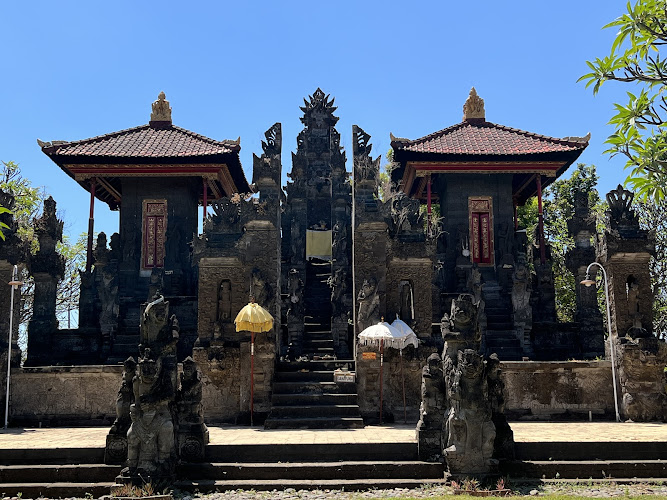
Pura Maduwe Karang

Krisna Funtasticland
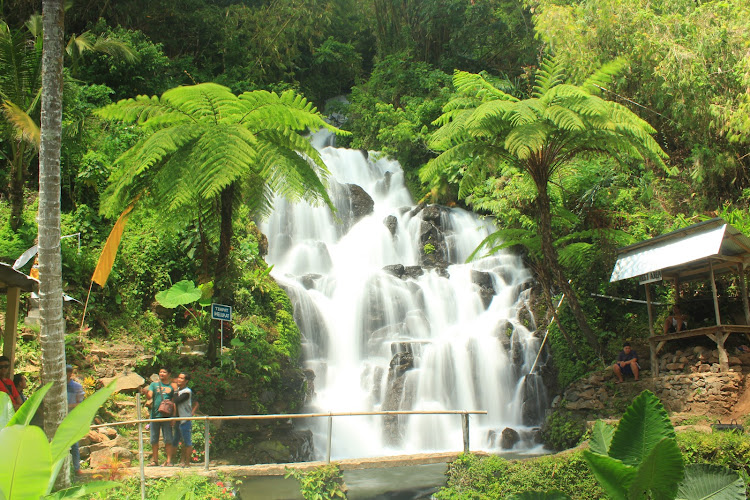
Jembong Waterfall, Ambengan
Find Accommodations Nearby
Recommended Tours & Activities
Visitor Reviews
There are no reviews yet. Be the first one to write one.
Share Your Experience
Have you visited Klenteng Ling Gwan Kiong? Help other travelers by leaving a review.