
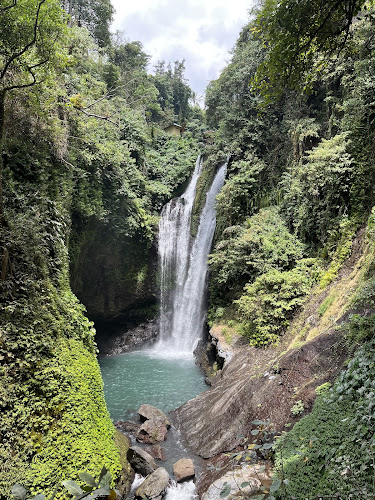
Bali Jungle Trekking Sambangan Waterfall Point
About Bali Jungle Trekking Sambangan Waterfall Point
Description
Bali Jungle Trekking Sambangan Waterfall Point in Buleleng Regency, Indonesia, is often described by travelers as one of the most rewarding day trips in the north of the island. The area is known locally as the “Secret Garden” of Sambangan because it hides multiple waterfalls of different shapes and sizes, lush rice terraces, and trekking trails that feel a bit off the beaten path compared to the more crowded attractions further south. And honestly, that’s the charm—you get your adventure, your exercise, and this kind of raw, natural escape without crowds pushing past you.
This particular trekking route is not just about walking through a jungle. It’s about discovering hidden waterfalls like Aling Aling, Kroya, Kembar, and Pucuk, each offering its own thrill—think cliff jumping, sliding down natural water chutes, or just the simple joy of floating in a cool, clear pool after a humid hike. The jungle here feels alive: bird calls echo through the canopy, water trickles down mossy cliffs, and local farmers occasionally pass by carrying fresh harvests from nearby rice terraces. I’ve been on plenty of hikes around Indonesia, but there’s something about Sambangan that feels like stepping into a natural playground shaped entirely by water and time.
Accessibility here isn’t set up for everyone—it’s not wheelchair friendly, and the paths can get tough with steep stretches and rocky trails. But that’s part of what makes it feel authentic, like you’re venturing into an area still held by nature rather than designed for tourists. For those who tackle the trail with a local guide, it’s often a half-day to a full-day adventure that combines trekking, swimming, and sometimes even a bit of adrenaline if you’ve got the guts to do the cliff jumps. If not, no shame—you can simply enjoy watching others and soaking up the natural beauty surrounding you.
Overall, it’s a trek that blends adventure with serenity, making it one of the most memorable outdoor experiences in North Bali for folks who love exploring nature in its rawest, most refreshing form.
Key Features
- Multiple waterfalls including Aling Aling, Kroya, Kembar, and Pucuk.
- Trekking through lush jungle, natural streams, and traditional rice fields.
- Opportunities for cliff jumping, natural sliding, and swimming.
- Guided trekking experiences with insights into local culture and plants.
- Secluded atmosphere with fewer crowds compared to southern Bali attractions.
- Half-day and full-day trekking routes tailored for different fitness levels.
- Authentic local village environment with traditional Balinese landscapes.
Best Time to Visit
Timing really matters here, and I learned this the hard way. On my first visit, I came during the rainy season, and while the waterfalls were spectacular, the trails were slick enough that I slipped more than once. For the best experience, most travelers—and local guides, too—recommend visiting between April and October, when it’s drier. The skies are clearer, the trails manageable, and you won’t spend your entire trek dodging muddy patches. Mornings are particularly magical, not only because the heat is kinder but also because the jungle feels fresher and quieter. You’ll literally hear every drop of water and bird call echoing around you. Afternoons can be fine, too, but the humidity cranks up, and you might hit brief showers.
If you’re hoping to take those epic swimming breaks, this drier season is perfect for plunging into the natural swimming pools without worrying about stronger currents or muddy water. But, if you’re more of a dramatic-waterfall-chaser, the start and end of the rainy season (November and March) can provide fuller falls, just with the added challenge of muddier treks.
How to Get There
Sambangan Waterfall Point is located in the quiet northern reaches of Bali, specifically in Buleleng Regency. If you’re staying around Ubud or Kuta, expect a decent drive—about 2.5 to 3 hours depending on traffic and how confident your driver is with Bali’s winding mountain roads. From Lovina, on the north coast, it’s closer and much more manageable, roughly under an hour’s drive inland.
Most travelers arrange private transport, either through their accommodation or by booking a driver directly. And honestly, this is the most stress-free way because Bali’s road signs aren’t the easiest to follow, especially when you start heading off main roads. Another option is joining an organized trekking tour, which includes your pick-up, guide, and entrance fees.
Once you arrive at Sambangan Village—the starting point—you’ll meet local guides who know the trails like the backs of their hands. Some treks are shorter, leading just to the waterfalls nearest the entrance, while full routes stretch 3–5 hours, weaving deeper into the jungle. Either way, starting from the village and pairing up with a knowledgeable guide is the safest and most rewarding option.
Tips for Visiting
Here’s the kind of advice I wish someone had drilled into me on my first visit to Sambangan Waterfall Point:
- Book a local guide. Trust me on this—guides not only help with navigation but also share stories about local plants, village traditions, and safe jumping spots.
- Wear the right shoes. Flip flops won’t cut it here. Solid sneakers or hiking sandals save you from slips and sore feet.
- Bring a change of clothes. If you even slightly enjoy the idea of cliff jumping or natural water slides, you’ll end up soaked. No one likes sitting in a car for hours in wet shorts.
- Start early. Cooler temperatures, fewer people, and better light for photos—it’s a win-win-win situation.
- Pace yourself. The trek can stretch into several hours, especially if you want to see all six waterfalls. It’s not a race. Stop often, soak up the views, and appreciate the mix of adrenaline and calm.
- Respect the local village. Sambangan is home to Balinese families. Greet people warmly, be mindful of temple areas, and maybe even try local snacks if offered.
- Pack light but smart. Sunblock, bug spray, and a reusable water bottle go a long way. The jungle can feel humid and unforgiving at times.
- Think twice about cliff jumping. It’s thrilling but not for everyone. Only jump where guides suggest. Safety over bragging rights.
Visiting Bali Jungle Trekking Sambangan Waterfall Point is about balance: adventure mixed with discovery, adrenaline coupled with nature’s calm. If you roll with an open mind, sensible shoes, and maybe a towel stuffed into your bag, this north Bali adventure might just become one of those experiences you’ll still talk about years after your trip ends.
Key Features
- Multiple waterfalls including Aling Aling, Kroya, Kembar, and Pucuk.
- Trekking through lush jungle, natural streams, and traditional rice fields.
- Opportunities for cliff jumping, natural sliding, and swimming.
- Guided trekking experiences with insights into local culture and plants.
- Secluded atmosphere with fewer crowds compared to southern Bali attractions.
- Half-day and full-day trekking routes tailored for different fitness levels.
- Authentic local village environment with traditional Balinese landscapes.
More Details
Updated October 2, 2025
Table of Contents
- Description
- Key Features
- Best Time to Visit
- How to Get There
- Tips for Visiting
- Key Highlights
- Location
- Places to Stay Near Bali Jungle Trekking Sambangan Waterfall Point
- Find and Book a Tour
- Explore More Travel Guides
- Nearby Places You Might Like
- Traveler Reviews for Bali Jungle Trekking Sambangan Waterfall Point
- Share Your Experience
Description
Bali Jungle Trekking Sambangan Waterfall Point in Buleleng Regency, Indonesia, is often described by travelers as one of the most rewarding day trips in the north of the island. The area is known locally as the “Secret Garden” of Sambangan because it hides multiple waterfalls of different shapes and sizes, lush rice terraces, and trekking trails that feel a bit off the beaten path compared to the more crowded attractions further south. And honestly, that’s the charm—you get your adventure, your exercise, and this kind of raw, natural escape without crowds pushing past you.
This particular trekking route is not just about walking through a jungle. It’s about discovering hidden waterfalls like Aling Aling, Kroya, Kembar, and Pucuk, each offering its own thrill—think cliff jumping, sliding down natural water chutes, or just the simple joy of floating in a cool, clear pool after a humid hike. The jungle here feels alive: bird calls echo through the canopy, water trickles down mossy cliffs, and local farmers occasionally pass by carrying fresh harvests from nearby rice terraces. I’ve been on plenty of hikes around Indonesia, but there’s something about Sambangan that feels like stepping into a natural playground shaped entirely by water and time.
Accessibility here isn’t set up for everyone—it’s not wheelchair friendly, and the paths can get tough with steep stretches and rocky trails. But that’s part of what makes it feel authentic, like you’re venturing into an area still held by nature rather than designed for tourists. For those who tackle the trail with a local guide, it’s often a half-day to a full-day adventure that combines trekking, swimming, and sometimes even a bit of adrenaline if you’ve got the guts to do the cliff jumps. If not, no shame—you can simply enjoy watching others and soaking up the natural beauty surrounding you.
Overall, it’s a trek that blends adventure with serenity, making it one of the most memorable outdoor experiences in North Bali for folks who love exploring nature in its rawest, most refreshing form.
Key Features
- Multiple waterfalls including Aling Aling, Kroya, Kembar, and Pucuk.
- Trekking through lush jungle, natural streams, and traditional rice fields.
- Opportunities for cliff jumping, natural sliding, and swimming.
- Guided trekking experiences with insights into local culture and plants.
- Secluded atmosphere with fewer crowds compared to southern Bali attractions.
- Half-day and full-day trekking routes tailored for different fitness levels.
- Authentic local village environment with traditional Balinese landscapes.
Best Time to Visit
Timing really matters here, and I learned this the hard way. On my first visit, I came during the rainy season, and while the waterfalls were spectacular, the trails were slick enough that I slipped more than once. For the best experience, most travelers—and local guides, too—recommend visiting between April and October, when it’s drier. The skies are clearer, the trails manageable, and you won’t spend your entire trek dodging muddy patches. Mornings are particularly magical, not only because the heat is kinder but also because the jungle feels fresher and quieter. You’ll literally hear every drop of water and bird call echoing around you. Afternoons can be fine, too, but the humidity cranks up, and you might hit brief showers.
If you’re hoping to take those epic swimming breaks, this drier season is perfect for plunging into the natural swimming pools without worrying about stronger currents or muddy water. But, if you’re more of a dramatic-waterfall-chaser, the start and end of the rainy season (November and March) can provide fuller falls, just with the added challenge of muddier treks.
How to Get There
Sambangan Waterfall Point is located in the quiet northern reaches of Bali, specifically in Buleleng Regency. If you’re staying around Ubud or Kuta, expect a decent drive—about 2.5 to 3 hours depending on traffic and how confident your driver is with Bali’s winding mountain roads. From Lovina, on the north coast, it’s closer and much more manageable, roughly under an hour’s drive inland.
Most travelers arrange private transport, either through their accommodation or by booking a driver directly. And honestly, this is the most stress-free way because Bali’s road signs aren’t the easiest to follow, especially when you start heading off main roads. Another option is joining an organized trekking tour, which includes your pick-up, guide, and entrance fees.
Once you arrive at Sambangan Village—the starting point—you’ll meet local guides who know the trails like the backs of their hands. Some treks are shorter, leading just to the waterfalls nearest the entrance, while full routes stretch 3–5 hours, weaving deeper into the jungle. Either way, starting from the village and pairing up with a knowledgeable guide is the safest and most rewarding option.
Tips for Visiting
Here’s the kind of advice I wish someone had drilled into me on my first visit to Sambangan Waterfall Point:
- Book a local guide. Trust me on this—guides not only help with navigation but also share stories about local plants, village traditions, and safe jumping spots.
- Wear the right shoes. Flip flops won’t cut it here. Solid sneakers or hiking sandals save you from slips and sore feet.
- Bring a change of clothes. If you even slightly enjoy the idea of cliff jumping or natural water slides, you’ll end up soaked. No one likes sitting in a car for hours in wet shorts.
- Start early. Cooler temperatures, fewer people, and better light for photos—it’s a win-win-win situation.
- Pace yourself. The trek can stretch into several hours, especially if you want to see all six waterfalls. It’s not a race. Stop often, soak up the views, and appreciate the mix of adrenaline and calm.
- Respect the local village. Sambangan is home to Balinese families. Greet people warmly, be mindful of temple areas, and maybe even try local snacks if offered.
- Pack light but smart. Sunblock, bug spray, and a reusable water bottle go a long way. The jungle can feel humid and unforgiving at times.
- Think twice about cliff jumping. It’s thrilling but not for everyone. Only jump where guides suggest. Safety over bragging rights.
Visiting Bali Jungle Trekking Sambangan Waterfall Point is about balance: adventure mixed with discovery, adrenaline coupled with nature’s calm. If you roll with an open mind, sensible shoes, and maybe a towel stuffed into your bag, this north Bali adventure might just become one of those experiences you’ll still talk about years after your trip ends.
Key Highlights
- Multiple waterfalls including Aling Aling, Kroya, Kembar, and Pucuk.
- Trekking through lush jungle, natural streams, and traditional rice fields.
- Opportunities for cliff jumping, natural sliding, and swimming.
- Guided trekking experiences with insights into local culture and plants.
- Secluded atmosphere with fewer crowds compared to southern Bali attractions.
- Half-day and full-day trekking routes tailored for different fitness levels.
- Authentic local village environment with traditional Balinese landscapes.
Location
Places to Stay Near Bali Jungle Trekking Sambangan Waterfall Point
Find and Book a Tour
Explore More Travel Guides
No reviews found! Be the first to review!
Traveler Reviews for Bali Jungle Trekking Sambangan Waterfall Point
There are no reviews yet. Be the first one to write one.
Have you visited Bali Jungle Trekking Sambangan Waterfall Point? Help other travelers by sharing your review.
You Might Also Like
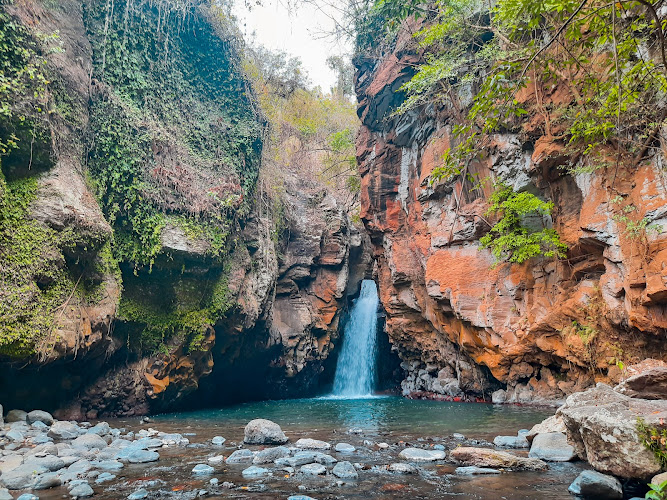
Air Terjun Tembok Barak
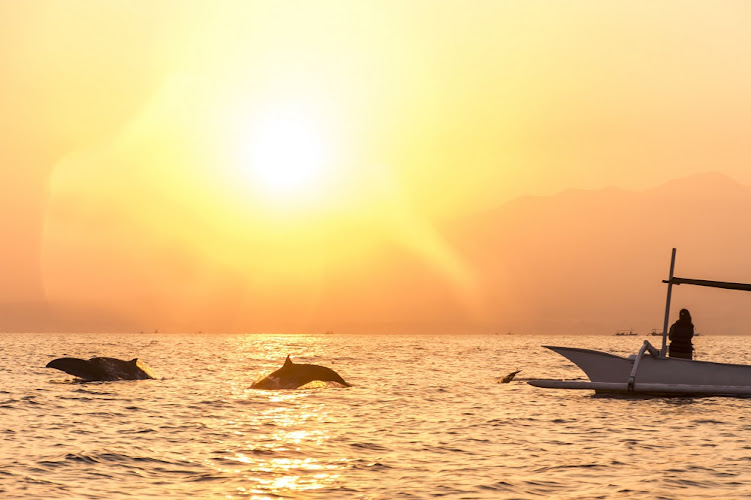
Wisata Dolphin Lovina
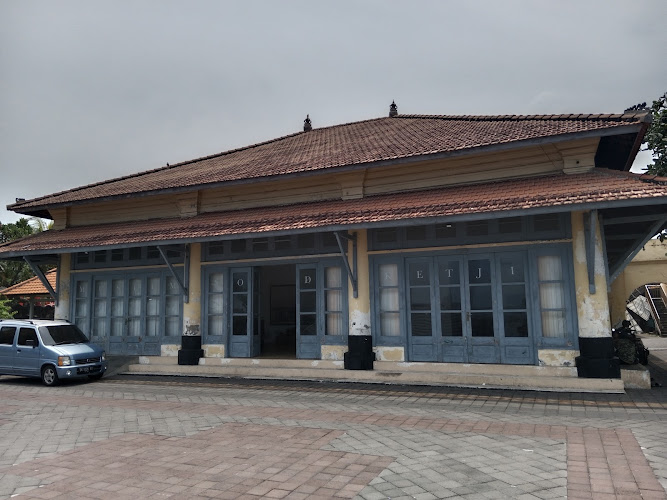
Museum Soenda Ketjil
Find Accommodations Nearby
Recommended Tours & Activities
Visitor Reviews
There are no reviews yet. Be the first one to write one.
Share Your Experience
Have you visited Bali Jungle Trekking Sambangan Waterfall Point? Help other travelers by leaving a review.