
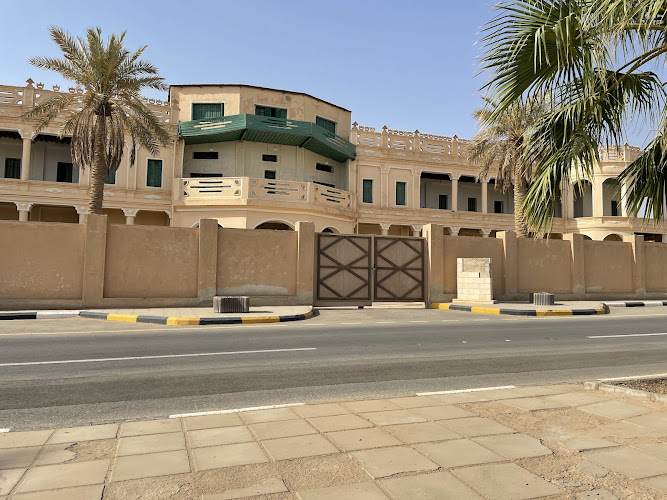
King AbdulAziz Palace
About King AbdulAziz Palace
Description
King Abdulaziz Palace is one of those places that quietly captures the spirit of Saudi Arabia’s transformation. Standing tall with its traditional Najdi architecture and thick mud-brick walls, this historical landmark tells the story of a nation being built from the ground up. It’s not just another old building; it’s a living piece of history that once housed the Founding King, Abdulaziz bin Abdulrahman Al Saud, during the early years of the Kingdom’s establishment. Walking through its courtyards, you can almost feel the echoes of that era — the decisions made, the visitors received, and the energy of a country finding its identity.
The palace has a certain charm that’s hard to describe unless you’ve been there. Some travelers are instantly captivated by its quiet dignity, while others might find it a bit austere compared to the glitzy modern attractions nearby. But that’s exactly what makes it so special — it’s real, raw, and unapologetically historic. The walls are weathered, the wooden doors creak, and the air feels heavy with stories. And honestly, that’s what makes it worth the trip.
I remember the first time I visited — it was a hot afternoon, and the sun was beating down on the courtyard stones. I stood under the shade of one of the old arches, imagining what life might have been like when King Abdulaziz himself walked those same halls. There’s something humbling about being in a place where history isn’t just told, it’s felt.
While some visitors come expecting a museum-like setup with interactive displays, the palace offers a more authentic experience. It’s a place for reflection, for slowing down, and for connecting with the roots of Saudi Arabia’s story. And if you’re into photography, the play of light and shadow across the palace walls is pure magic — especially in the late afternoon when the sun begins to soften.
Key Features
- Authentic Architecture: Built in the traditional Najdi style, the palace features thick clay walls, wooden beams, and intricate geometric designs that reflect early 20th-century Saudi craftsmanship.
- Historic Significance: Once the residence of King Abdulaziz, the palace served as a base for governance and decision-making during the Kingdom’s formative years.
- Courtyards and Towers: The open courtyards and defensive towers offer a glimpse into the strategic design of royal residences from that era.
- Cultural Exhibits: Some sections display artifacts, photographs, and documents that shed light on the early days of Saudi unification.
- Restoration Efforts: The palace has undergone careful preservation to maintain its original character while ensuring safety for visitors.
- Peaceful Ambiance: Unlike crowded tourist spots, this site retains a calm, almost meditative atmosphere — perfect for history lovers and curious travelers alike.
If you’re someone who appreciates places that feel untouched by time, this palace will speak to you. Sure, it’s not polished or overly commercialized, but that’s its charm. It’s a reminder of simpler times when architecture was practical yet poetic.
Best Time to Visit
The best time to explore King Abdulaziz Palace is during the cooler months — roughly from November to March. The weather is pleasant, making it easier to wander around the open courtyards without melting under the desert sun. Early mornings are particularly beautiful, with soft light illuminating the sandy tones of the palace walls.
If you go in the summer, brace yourself for the heat. I made that mistake once, and let’s just say I spent more time looking for shade than admiring the architecture. But even then, the experience was worth it. There’s something oddly peaceful about being there when it’s quiet and still, with only the sound of the wind brushing against the old wooden doors.
Weekdays tend to be less crowded, which adds to the sense of solitude and reflection. If you enjoy photography, aim for late afternoon — the golden hour light makes the palace glow in a way that’s simply breathtaking.
How to Get There
Reaching the palace is relatively straightforward if you’re traveling from nearby cities. Most visitors prefer to drive, as it allows flexibility to explore surrounding areas. The roads are well-maintained, and there’s clear signage directing you toward the site. For those without access to a car, hiring a local driver or joining a guided tour can be a great option — especially if you want a bit of context and storytelling along the way.
Public transportation options are limited, but taxis and ride-hailing services are available in nearby towns. Once you arrive, parking is typically easy to find, and the entrance area is well-marked. Be sure to bring water, as facilities around the site are minimal.
If you’re the type who likes to plan ahead (and honestly, for this place, it’s worth it), getting your tickets in advance is recommended. It saves you time and ensures entry, especially during peak travel seasons when interest in historical attractions spikes.
Tips for Visiting
Visiting the King Abdulaziz Palace isn’t just about sightseeing — it’s about stepping into a piece of living history. To make the most of your visit, here are a few tips I’ve learned from experience and from chatting with other travelers:
- Wear comfortable shoes: The palace grounds are expansive, and you’ll be doing a fair bit of walking over uneven surfaces. Sandals might look cute, but trust me, sneakers will save your feet.
- Bring water and snacks: There aren’t many shops nearby, so it’s best to come prepared. Hydration is key, especially in the warmer months.
- Respect local customs: This is a site of cultural and national importance, so modest dress and respectful behavior go a long way. It’s not just polite — it’s appreciated.
- Take your time: Don’t rush through. Pause in the courtyards, peek through doorways, and imagine the conversations that once filled these halls. It’s those small moments that make the visit memorable.
- Photography etiquette: While photography is usually allowed, always check for any restricted areas. The lighting here is incredible, so bring your camera — but remember, sometimes the best memories are the ones you just take in with your eyes.
- Join a guided tour if available: Local guides often share stories and details you’d never pick up on your own. It adds depth and color to the experience.
- Visit nearby attractions: If you’ve got time, explore the surrounding area. There are small markets and traditional eateries that give you a taste of local life beyond the palace walls.
One thing I’ve noticed is that people either fall completely in love with this place or walk away unsure of what to make of it. And that’s okay. It’s not flashy or overly curated — it’s genuine. It’s a reminder of where the Kingdom began and the vision of a leader who built a nation from the sands of the desert.
So if you’re planning a trip through Saudi Arabia and want to experience something that feels both grand and deeply personal, set aside a few hours for King Abdulaziz Palace. Let yourself slow down, listen to the silence, and imagine the footsteps that came before yours. It’s not just a visit — it’s a conversation with history.
And when you leave, don’t be surprised if you find yourself thinking about it long after. That’s the thing about places like this — they linger.
Key Features
- Key Features
- Best Time to Visit
- How to Get There
- Tips for Visiting
More Details
Updated November 9, 2025
Table of Contents
Description
King Abdulaziz Palace is one of those places that quietly captures the spirit of Saudi Arabia’s transformation. Standing tall with its traditional Najdi architecture and thick mud-brick walls, this historical landmark tells the story of a nation being built from the ground up. It’s not just another old building; it’s a living piece of history that once housed the Founding King, Abdulaziz bin Abdulrahman Al Saud, during the early years of the Kingdom’s establishment. Walking through its courtyards, you can almost feel the echoes of that era — the decisions made, the visitors received, and the energy of a country finding its identity.
The palace has a certain charm that’s hard to describe unless you’ve been there. Some travelers are instantly captivated by its quiet dignity, while others might find it a bit austere compared to the glitzy modern attractions nearby. But that’s exactly what makes it so special — it’s real, raw, and unapologetically historic. The walls are weathered, the wooden doors creak, and the air feels heavy with stories. And honestly, that’s what makes it worth the trip.
I remember the first time I visited — it was a hot afternoon, and the sun was beating down on the courtyard stones. I stood under the shade of one of the old arches, imagining what life might have been like when King Abdulaziz himself walked those same halls. There’s something humbling about being in a place where history isn’t just told, it’s felt.
While some visitors come expecting a museum-like setup with interactive displays, the palace offers a more authentic experience. It’s a place for reflection, for slowing down, and for connecting with the roots of Saudi Arabia’s story. And if you’re into photography, the play of light and shadow across the palace walls is pure magic — especially in the late afternoon when the sun begins to soften.
Key Features
- Authentic Architecture: Built in the traditional Najdi style, the palace features thick clay walls, wooden beams, and intricate geometric designs that reflect early 20th-century Saudi craftsmanship.
- Historic Significance: Once the residence of King Abdulaziz, the palace served as a base for governance and decision-making during the Kingdom’s formative years.
- Courtyards and Towers: The open courtyards and defensive towers offer a glimpse into the strategic design of royal residences from that era.
- Cultural Exhibits: Some sections display artifacts, photographs, and documents that shed light on the early days of Saudi unification.
- Restoration Efforts: The palace has undergone careful preservation to maintain its original character while ensuring safety for visitors.
- Peaceful Ambiance: Unlike crowded tourist spots, this site retains a calm, almost meditative atmosphere — perfect for history lovers and curious travelers alike.
If you’re someone who appreciates places that feel untouched by time, this palace will speak to you. Sure, it’s not polished or overly commercialized, but that’s its charm. It’s a reminder of simpler times when architecture was practical yet poetic.
Best Time to Visit
The best time to explore King Abdulaziz Palace is during the cooler months — roughly from November to March. The weather is pleasant, making it easier to wander around the open courtyards without melting under the desert sun. Early mornings are particularly beautiful, with soft light illuminating the sandy tones of the palace walls.
If you go in the summer, brace yourself for the heat. I made that mistake once, and let’s just say I spent more time looking for shade than admiring the architecture. But even then, the experience was worth it. There’s something oddly peaceful about being there when it’s quiet and still, with only the sound of the wind brushing against the old wooden doors.
Weekdays tend to be less crowded, which adds to the sense of solitude and reflection. If you enjoy photography, aim for late afternoon — the golden hour light makes the palace glow in a way that’s simply breathtaking.
How to Get There
Reaching the palace is relatively straightforward if you’re traveling from nearby cities. Most visitors prefer to drive, as it allows flexibility to explore surrounding areas. The roads are well-maintained, and there’s clear signage directing you toward the site. For those without access to a car, hiring a local driver or joining a guided tour can be a great option — especially if you want a bit of context and storytelling along the way.
Public transportation options are limited, but taxis and ride-hailing services are available in nearby towns. Once you arrive, parking is typically easy to find, and the entrance area is well-marked. Be sure to bring water, as facilities around the site are minimal.
If you’re the type who likes to plan ahead (and honestly, for this place, it’s worth it), getting your tickets in advance is recommended. It saves you time and ensures entry, especially during peak travel seasons when interest in historical attractions spikes.
Tips for Visiting
Visiting the King Abdulaziz Palace isn’t just about sightseeing — it’s about stepping into a piece of living history. To make the most of your visit, here are a few tips I’ve learned from experience and from chatting with other travelers:
- Wear comfortable shoes: The palace grounds are expansive, and you’ll be doing a fair bit of walking over uneven surfaces. Sandals might look cute, but trust me, sneakers will save your feet.
- Bring water and snacks: There aren’t many shops nearby, so it’s best to come prepared. Hydration is key, especially in the warmer months.
- Respect local customs: This is a site of cultural and national importance, so modest dress and respectful behavior go a long way. It’s not just polite — it’s appreciated.
- Take your time: Don’t rush through. Pause in the courtyards, peek through doorways, and imagine the conversations that once filled these halls. It’s those small moments that make the visit memorable.
- Photography etiquette: While photography is usually allowed, always check for any restricted areas. The lighting here is incredible, so bring your camera — but remember, sometimes the best memories are the ones you just take in with your eyes.
- Join a guided tour if available: Local guides often share stories and details you’d never pick up on your own. It adds depth and color to the experience.
- Visit nearby attractions: If you’ve got time, explore the surrounding area. There are small markets and traditional eateries that give you a taste of local life beyond the palace walls.
One thing I’ve noticed is that people either fall completely in love with this place or walk away unsure of what to make of it. And that’s okay. It’s not flashy or overly curated — it’s genuine. It’s a reminder of where the Kingdom began and the vision of a leader who built a nation from the sands of the desert.
So if you’re planning a trip through Saudi Arabia and want to experience something that feels both grand and deeply personal, set aside a few hours for King Abdulaziz Palace. Let yourself slow down, listen to the silence, and imagine the footsteps that came before yours. It’s not just a visit — it’s a conversation with history.
And when you leave, don’t be surprised if you find yourself thinking about it long after. That’s the thing about places like this — they linger.
Key Highlights
- Key Features
- Best Time to Visit
- How to Get There
- Tips for Visiting
Location
Places to Stay Near King AbdulAziz Palace
Find and Book a Tour
Explore More Travel Guides
No reviews found! Be the first to review!
Traveler Reviews for King AbdulAziz Palace
There are no reviews yet. Be the first one to write one.
Have you visited King AbdulAziz Palace? Help other travelers by sharing your review.
You Might Also Like
Al Muntazah
Al-Kharj 16439
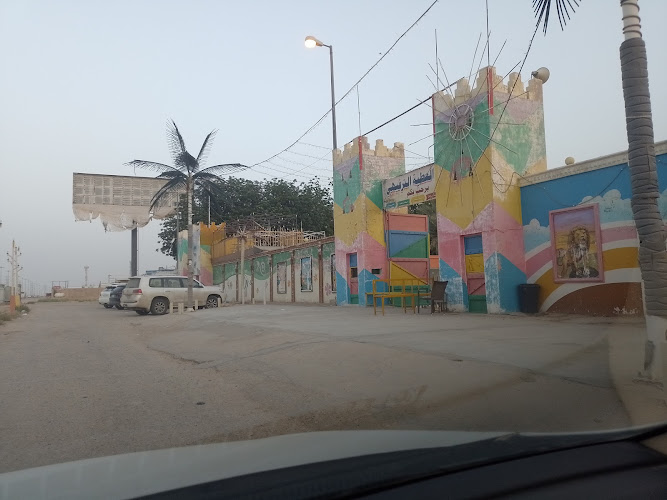
Park Zoo in Al-Kharj
Find Accommodations Nearby
Recommended Tours & Activities
Visitor Reviews
There are no reviews yet. Be the first one to write one.
Share Your Experience
Have you visited King AbdulAziz Palace? Help other travelers by leaving a review.