
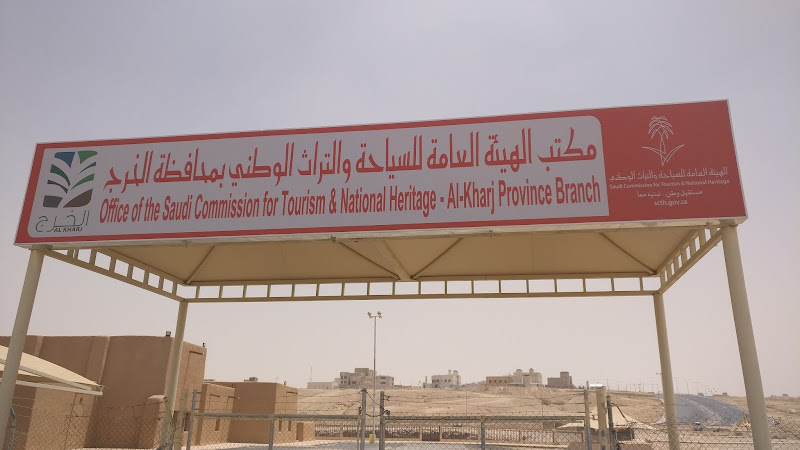
Al-Kharj Springs
About Al-Kharj Springs
Description
Al-Kharj Springs is one of those places that quietly steals your attention. It’s not the kind of destination that screams for attention with flashy signs or endless crowds. Instead, it’s more like that friend who doesn’t say much but always leaves a lasting impression. Located in the heart of Al-Kharj, this natural spring has been a local favorite for generations—partly because of its refreshing waters and partly because of the stories that swirl around it like the ripples on its surface.
The springs have long been a symbol of life in this desert region. I remember the first time I visited—it was during a particularly hot afternoon, and the air shimmered with heat. The moment I approached the springs, there was this sudden coolness in the air, almost like nature’s air conditioner. The water, clear and calm, reflected the pale blue of the sky, and you could hear the faint laughter of families nearby. It’s the kind of scene that makes you pause and just breathe for a moment.
What makes Al-Kharj Springs truly special, though, is its mix of natural wonder and cultural significance. Locals often talk about how the spring has been around for centuries, sustaining life in a region where water is precious. Travelers come here not just to see water bubbling from the earth, but to experience a piece of Saudi Arabia’s quieter, more grounded beauty. Sure, it’s not as polished as some modern attractions, but that’s exactly the charm—it feels real, unfiltered, and deeply connected to the land.
Of course, not every visitor walks away with the same impression. Some find it a bit underdeveloped, wishing for more facilities or cleaner surroundings. Others, like me, appreciate its rawness. It’s a reminder that nature doesn’t always need to be dressed up to be beautiful. You might see families picnicking nearby, kids splashing around, and older folks sitting under the shade of date palms sharing stories. It’s simple, but there’s something deeply grounding about it.
Key Features
- Natural Hot and Cold Springs: The site features both warm and cooler water pools, offering a refreshing contrast depending on the season.
- Historic Significance: The springs have been a vital water source for centuries and are tied to the heritage of Al-Kharj’s early settlements.
- Scenic Setting: Surrounded by palm trees and open desert views, it’s a peaceful escape from the city’s bustle.
- Local Gathering Spot: Popular among residents for weekend outings, especially during cooler months.
- Photographic Opportunities: The reflections on the water, especially during sunset, make for striking photos.
- Accessible Location: Easily reachable from nearby towns and cities, making it a convenient day-trip destination.
If you’re the kind of traveler who enjoys authentic, less-commercialized experiences, Al-Kharj Springs will probably win you over. It’s not about luxury—it’s about connection. You’ll see kids chasing each other near the water’s edge, couples quietly talking under the trees, and maybe a few curious cats wandering around hoping for a snack. It’s the kind of place that feels alive in a gentle, unhurried way.
Best Time to Visit
Now, here’s something I learned the hard way—don’t go in the peak of summer unless you love feeling like you’re walking through a hairdryer. The best time to visit Al-Kharj Springs is between November and March when the weather is cooler and the air feels crisp. During these months, the temperature is perfect for strolling around, taking photos, or just sitting by the water with a cup of Arabic coffee.
Springtime is another lovely window to visit. The area gets a subtle bloom of greenery, and the evenings are pleasantly mild. If you’re lucky, you might even catch a local festival or a small gathering nearby—people here love celebrating the cooler seasons outdoors. On the flip side, summer visits can still be enjoyable if you go early in the morning or close to sunset when the heat eases up a bit.
And just a small tip from personal experience—bring a light scarf or jacket for the evenings. The desert cools fast once the sun dips, and that breeze can surprise you.
How to Get There
Reaching Al-Kharj Springs is relatively straightforward. If you’re coming from Riyadh, it’s roughly an hour’s drive south along well-maintained highways. The route itself is quite scenic in its own minimalist way—endless stretches of sand, the occasional herd of camels, and that vast Saudi sky that seems to go on forever. You can rent a car or hire a local driver; both options are convenient and affordable.
Public transport options are limited, so driving is definitely the best way to go. Once you get close to Al-Kharj, road signs will guide you toward the springs. The final stretch might feel a bit rustic, with narrow roads and a few bumps here and there, but that’s part of the adventure. Parking is available nearby, though on weekends it can get a little crowded.
If you’re using GPS, make sure to download your map beforehand—the signal can get patchy in certain areas. And if you’re the kind who likes spontaneous detours, there are a few small local markets and date farms along the way worth stopping at. I once pulled over at a roadside stall selling fresh laban (a yogurt drink), and honestly, it was one of the best parts of the trip.
Tips for Visiting
Visiting Al-Kharj Springs is a simple pleasure, but a few small preparations can make your trip even better. Here are some tips that might help you make the most of it:
- Go early or late: Mornings and late afternoons are the best times to visit for cooler temperatures and softer light for photography.
- Bring your own supplies: There aren’t many shops nearby, so pack water, snacks, and a picnic blanket if you plan to stay a while.
- Dress modestly and comfortably: Lightweight, breathable clothing is ideal, and remember to respect local customs.
- Keep it clean: It’s a natural site, so take your trash with you. A little effort goes a long way in preserving its beauty.
- Stay hydrated: Even in cooler months, the desert air can be deceptively dry.
- Bring a camera: The reflections of palm trees on the water at sunset are absolutely worth capturing.
- Be patient: Weekends can be busy, so if you prefer a quieter experience, try visiting on a weekday.
And here’s a personal note—don’t rush your visit. This isn’t the kind of place you “check off” a list. Sit down, listen to the gentle splash of water, watch the way the sunlight dances across the surface, and just let yourself slow down. There’s something deeply peaceful about being near water in a desert. It reminds you how precious and rare it is.
Many travelers come expecting a grand spectacle, but what Al-Kharj Springs offers instead is subtlety—a sense of calm, a connection to nature, and a glimpse into the everyday life of the region. It’s not perfect, and it doesn’t try to be. That’s exactly why it feels so genuine. If you’re looking for an authentic experience in Saudi Arabia, one that balances history, nature, and human warmth, then this quiet corner might just surprise you.
So, pack your curiosity, a bit of patience, and maybe a thermos of tea. Al-Kharj Springs isn’t just a place to see—it’s a place to feel. And once you’ve been there, you’ll understand why so many people, myself included, keep coming back.
Key Features
- Key Features
- Best Time to Visit
- How to Get There
- Tips for Visiting
More Details
Updated November 9, 2025
Table of Contents
- Description
- Key Features
- Best Time to Visit
- How to Get There
- Tips for Visiting
- Key Highlights
- Location
- Places to Stay Near Al-Kharj Springs
- Find and Book a Tour
- Explore More Travel Guides
- Al-Kharj Springs (Ayūn Al-Kharj): What They Are, Where They Are, and How They Fit Into the Oasis Today
- Why Al-Kharj is associated with springs
- What you can realistically expect today (and what to verify before you go)
- Orientation: the oasis, neighborhoods, and distances
- Practical planning notes (evidence-based and low-assumption)
- Names you’ll see on Arabic/English signs and in Arabic sources
- Quick fact file
- Responsible visit checklist (evidence-driven)
- If you’re building a broader Al-Kharj itinerary
- What’s not confirmed (and thus intentionally omitted)
- Sources used (credible and recent where available)
- Nearby Places You Might Like
- Traveler Reviews for Al-Kharj Springs
- Share Your Experience
Description
Al-Kharj Springs is one of those places that quietly steals your attention. It’s not the kind of destination that screams for attention with flashy signs or endless crowds. Instead, it’s more like that friend who doesn’t say much but always leaves a lasting impression. Located in the heart of Al-Kharj, this natural spring has been a local favorite for generations—partly because of its refreshing waters and partly because of the stories that swirl around it like the ripples on its surface.
The springs have long been a symbol of life in this desert region. I remember the first time I visited—it was during a particularly hot afternoon, and the air shimmered with heat. The moment I approached the springs, there was this sudden coolness in the air, almost like nature’s air conditioner. The water, clear and calm, reflected the pale blue of the sky, and you could hear the faint laughter of families nearby. It’s the kind of scene that makes you pause and just breathe for a moment.
What makes Al-Kharj Springs truly special, though, is its mix of natural wonder and cultural significance. Locals often talk about how the spring has been around for centuries, sustaining life in a region where water is precious. Travelers come here not just to see water bubbling from the earth, but to experience a piece of Saudi Arabia’s quieter, more grounded beauty. Sure, it’s not as polished as some modern attractions, but that’s exactly the charm—it feels real, unfiltered, and deeply connected to the land.
Of course, not every visitor walks away with the same impression. Some find it a bit underdeveloped, wishing for more facilities or cleaner surroundings. Others, like me, appreciate its rawness. It’s a reminder that nature doesn’t always need to be dressed up to be beautiful. You might see families picnicking nearby, kids splashing around, and older folks sitting under the shade of date palms sharing stories. It’s simple, but there’s something deeply grounding about it.
Key Features
- Natural Hot and Cold Springs: The site features both warm and cooler water pools, offering a refreshing contrast depending on the season.
- Historic Significance: The springs have been a vital water source for centuries and are tied to the heritage of Al-Kharj’s early settlements.
- Scenic Setting: Surrounded by palm trees and open desert views, it’s a peaceful escape from the city’s bustle.
- Local Gathering Spot: Popular among residents for weekend outings, especially during cooler months.
- Photographic Opportunities: The reflections on the water, especially during sunset, make for striking photos.
- Accessible Location: Easily reachable from nearby towns and cities, making it a convenient day-trip destination.
If you’re the kind of traveler who enjoys authentic, less-commercialized experiences, Al-Kharj Springs will probably win you over. It’s not about luxury—it’s about connection. You’ll see kids chasing each other near the water’s edge, couples quietly talking under the trees, and maybe a few curious cats wandering around hoping for a snack. It’s the kind of place that feels alive in a gentle, unhurried way.
Best Time to Visit
Now, here’s something I learned the hard way—don’t go in the peak of summer unless you love feeling like you’re walking through a hairdryer. The best time to visit Al-Kharj Springs is between November and March when the weather is cooler and the air feels crisp. During these months, the temperature is perfect for strolling around, taking photos, or just sitting by the water with a cup of Arabic coffee.
Springtime is another lovely window to visit. The area gets a subtle bloom of greenery, and the evenings are pleasantly mild. If you’re lucky, you might even catch a local festival or a small gathering nearby—people here love celebrating the cooler seasons outdoors. On the flip side, summer visits can still be enjoyable if you go early in the morning or close to sunset when the heat eases up a bit.
And just a small tip from personal experience—bring a light scarf or jacket for the evenings. The desert cools fast once the sun dips, and that breeze can surprise you.
How to Get There
Reaching Al-Kharj Springs is relatively straightforward. If you’re coming from Riyadh, it’s roughly an hour’s drive south along well-maintained highways. The route itself is quite scenic in its own minimalist way—endless stretches of sand, the occasional herd of camels, and that vast Saudi sky that seems to go on forever. You can rent a car or hire a local driver; both options are convenient and affordable.
Public transport options are limited, so driving is definitely the best way to go. Once you get close to Al-Kharj, road signs will guide you toward the springs. The final stretch might feel a bit rustic, with narrow roads and a few bumps here and there, but that’s part of the adventure. Parking is available nearby, though on weekends it can get a little crowded.
If you’re using GPS, make sure to download your map beforehand—the signal can get patchy in certain areas. And if you’re the kind who likes spontaneous detours, there are a few small local markets and date farms along the way worth stopping at. I once pulled over at a roadside stall selling fresh laban (a yogurt drink), and honestly, it was one of the best parts of the trip.
Tips for Visiting
Visiting Al-Kharj Springs is a simple pleasure, but a few small preparations can make your trip even better. Here are some tips that might help you make the most of it:
- Go early or late: Mornings and late afternoons are the best times to visit for cooler temperatures and softer light for photography.
- Bring your own supplies: There aren’t many shops nearby, so pack water, snacks, and a picnic blanket if you plan to stay a while.
- Dress modestly and comfortably: Lightweight, breathable clothing is ideal, and remember to respect local customs.
- Keep it clean: It’s a natural site, so take your trash with you. A little effort goes a long way in preserving its beauty.
- Stay hydrated: Even in cooler months, the desert air can be deceptively dry.
- Bring a camera: The reflections of palm trees on the water at sunset are absolutely worth capturing.
- Be patient: Weekends can be busy, so if you prefer a quieter experience, try visiting on a weekday.
And here’s a personal note—don’t rush your visit. This isn’t the kind of place you “check off” a list. Sit down, listen to the gentle splash of water, watch the way the sunlight dances across the surface, and just let yourself slow down. There’s something deeply peaceful about being near water in a desert. It reminds you how precious and rare it is.
Many travelers come expecting a grand spectacle, but what Al-Kharj Springs offers instead is subtlety—a sense of calm, a connection to nature, and a glimpse into the everyday life of the region. It’s not perfect, and it doesn’t try to be. That’s exactly why it feels so genuine. If you’re looking for an authentic experience in Saudi Arabia, one that balances history, nature, and human warmth, then this quiet corner might just surprise you.
So, pack your curiosity, a bit of patience, and maybe a thermos of tea. Al-Kharj Springs isn’t just a place to see—it’s a place to feel. And once you’ve been there, you’ll understand why so many people, myself included, keep coming back.
Key Highlights
- Key Features
- Best Time to Visit
- How to Get There
- Tips for Visiting
Location
Places to Stay Near Al-Kharj Springs
Find and Book a Tour
Explore More Travel Guides
No reviews found! Be the first to review!
Al-Kharj Springs (Ayūn Al-Kharj): What They Are, Where They Are, and How They Fit Into the Oasis Today
Location: Al Kharj, Riyadh Region, Saudi Arabia
Coordinates: 24.1162521, 47.2590768
Type: Natural springs (“ʿuyūn/ayūn”) and deepwater pools within the Al-Kharj oasis system
Why Al-Kharj is associated with springs
Al-Kharj is an agricultural oasis southeast of Riyadh that historically formed around a series of deepwater pools and springs. This natural water made Al-Kharj a regional farming hub (cereals, dates, vegetables, fruit) and led to early state-backed agricultural projects in the 20th century. oai_citation:0‡Encyclopedia Britannica
Locally, the springs are often referred to as “Ayūn Al-Seih/Ayūn Al-Kharj”—“the eyes (springs) of Al-Seih/Al-Kharj.” Authoritative Saudi references and local reporting consistently list several named springs within this system, including:
- ʿAyn Ad-Dilʿ (Ad-Dil’ Spring): southwest of As-Seih (the urban core of Al-Kharj); noted depth ~30 m and unusually clear water. oai_citation:1‡سعوديبيديا
- ʿAyn Samhah (Samha Spring), ʿAyn Umm Khisah (Umm Khisah), ʿAyn Farzān (Farzan): additional springs in/near As-Seih historically known to locals. oai_citation:2‡سعوديبيديا
This cluster of springs—rather than a single pool—is what most sources mean by “Al-Kharj Springs.” Britannica also characterizes the oasis as situated “around a series of deepwater pools.” oai_citation:3‡Encyclopedia Britannica
What you can realistically expect today (and what to verify before you go)
- Named springs exist and are documented. The specific springs above are recorded in government-backed and local sources. oai_citation:4‡سعوديبيديا
- On-the-ground conditions can vary. Some articles and traveler posts discuss changing water levels and access, but many historical claims online lack current, citable verification. Treat access, swimability, and current flow as variable and confirm locally in Al-Kharj before planning activities in or around the water. (Reason: several English-language sources about conditions are either unsourced, outdated, or conflating sites.)
- Nearby karst/cave water sites exist, but are distinct. Ein/Heet Cave—a well-known clear-water cave pool near Riyadh and not in Al-Kharj city—is sometimes blended into “Al-Kharj” content because it lies southeast of Riyadh near the Al-Kharj direction. Verify coordinates and site names carefully when planning. oai_citation:5‡Visit Saudi
Flagging potential outdated/misleading data:
Some web pieces and videos attribute religious or legendary stories and fixed swim conditions to specific Al-Kharj pools without citations. Treat those as unverified unless a primary source is provided. Where this guide states facts (location, names, oasis context), they are backed by cited references above.
Orientation: the oasis, neighborhoods, and distances
- Al-Kharj / As-Seih is the urban nucleus. Several springs cited in official references are in or just outside As-Seih (the city area many maps label as Al-Kharj). oai_citation:6‡سعوديبيديا
- Ad-Dilam lies ~25–30 km from Al-Kharj and is often mentioned in context because ʿAyn Ad-Dilʿ is noted southwest of As-Seih and Ad-Dilam is a nearby governorate/city. For orientation, Ad-Dilam is recorded about 25 km from Al-Kharj Governorate in official Saudi sources. (Transport specifics vary; treat third-party fare/time estimates as ballpark.) oai_citation:7‡سعوديبيديا
Practical planning notes (evidence-based and low-assumption)
- Time of year: Al-Kharj has a continental desert climate (very hot summers, cooler winters). Trip-planning that prioritizes outdoor exploration is more comfortable outside peak summer heat. (This is climate context for Al-Kharj as an oasis district; exact monthly averages vary by source.) oai_citation:8‡en.wikipedia.org
- What to bring: If you plan to scout springs (to see rather than swim, given variable access), bring sun protection, ample water, and sturdy footwear for desert margins and uneven ground. (General safety advice; not site-specific claims.)
- Photography & respect: These springs sit in/near inhabited agricultural areas. Always respect private land, farm channels, and any local signage. (General cultural etiquette.)
- Verify before swimming: Neither official nor consistent current guidance exists online about swimming access/quality at each named spring. Confirm locally (municipal channels, hotel desk in Al-Kharj, or the region’s official tourism office) on the day you go. (This avoids outdated or unsafe assumptions.)
Names you’ll see on Arabic/English signs and in Arabic sources
You may encounter different transliterations:
– ʿAyn / Ain / Ein = “spring”
– Ayūn / Oyoun / Oyoon = plural “springs”
– As-Seih / Al-Seih / Al-Saih = the core city area within Al-Kharj
In Saudi government knowledge bases and local reporting you’ll commonly see:
ʿAyn Ad-Dilʿ, ʿAyn Samhah, ʿAyn Umm Khisah, ʿAyn Farzān. oai_citation:9‡سعوديبيديا
Quick fact file
- Region: Riyadh Province, Saudi Arabia (Al-Kharj Governorate) oai_citation:10‡Encyclopedia Britannica
- System: Multiple natural springs forming/feeding an oasis of deepwater pools historically tied to agriculture. oai_citation:11‡Encyclopedia Britannica
- Representative springs (documented): Ad-Dilʿ (~30 m deep), Samhah, Umm Khisah, Farzān. oai_citation:12‡سعوديبيديا
- Local label: Ayūn Al-Seih / Ayūn Al-Kharj (springs of Al-Seih/Al-Kharj) in Arabic/English media. oai_citation:13‡Ajel
- Nearby but separate point of interest often confused with Al-Kharj: Heet (Ein Heet) Cave near Riyadh—famous for a clear underground lake; not in Al-Kharj city proper. oai_citation:14‡Visit Saudi
Responsible visit checklist (evidence-driven)
- Confirm the specific spring name and coordinates you plan to see (Ad-Dilʿ vs. Samhah, etc.). Use Arabic names when asking locally. oai_citation:15‡سعوديبيديا
- Ask locally about access on the day of your visit. Public access and water clarity vary; official English pages do not maintain real-time status. (Data gap flagged.)
- Avoid entering farm channels or fenced perimeters. The historic irrigation network around Al-Kharj’s springs served agriculture; treat it as such. oai_citation:16‡Encyclopedia Britannica
- Plan around heat. Aim for early morning/late afternoon outside winter months. (Climate context.) oai_citation:17‡en.wikipedia.org
If you’re building a broader Al-Kharj itinerary
- Combine a spring-spotting walk/drive (visual appreciation; photography) with time in As-Seih for food and supplies, then continue to other Riyadh-Region nature sites (e.g., Heet Cave near Riyadh—separate site, requires its own planning and safety checks). oai_citation:18‡Visit Saudi
- For historical context on the oasis and how water shaped settlement and agriculture, consult regional encyclopedia overviews and archaeological reports on the Al-Kharj oasis. (Scholarly fieldwork exists; access may be via academic portals.) oai_citation:19‡Encyclopedia Britannica
What’s not confirmed (and thus intentionally omitted)
- Entry fees, lifeguards, fixed opening hours, formal swimming authorization, and guaranteed current water levels for any specific pool. These details are not consistently or reliably published online by official sources; verify locally.
Sources used (credible and recent where available)
- Britannica overview of Al-Kharj as an oasis “situated around a series of deepwater pools.” oai_citation:20‡Encyclopedia Britannica
- Saudipedia entry listing Ad-Dilʿ (~30 m deep) and other named Al-Kharj springs (Samhah, Umm Khisah, Farzān), with locations relative to As-Seih. oai_citation:21‡سعوديبيديا
- Local Saudi reporting (Ajel English) referencing Ayūn Al-Seih and the same set of named springs. oai_citation:22‡Ajel
- Visit Saudi & Wikipedia stubs to clarify that Heet (Ein Heet) Cave is near Riyadh and not in Al-Kharj city, helping prevent site confusion in planning. oai_citation:23‡Visit Saudi
Bottom line: “Al-Kharj Springs” refers to a documented cluster of natural springs in and around As-Seih that historically sustained the Al-Kharj oasis. The names and existence of the key springs are well-sourced; however, current access and water conditions aren’t reliably published in English, so verify locally before you plan any in-water activity. oai_citation:24‡Encyclopedia Britannica
Traveler Reviews for Al-Kharj Springs
There are no reviews yet. Be the first one to write one.
Have you visited Al-Kharj Springs? Help other travelers by sharing your review.
You Might Also Like
شركة ثلاجة الخرج ذ.ذ.م AL KHARJ COLDSTORE TRADING CO.LLC
Al-Kharj 16439
Hike and camp place 1
Find Accommodations Nearby
Recommended Tours & Activities
Visitor Reviews
There are no reviews yet. Be the first one to write one.
Share Your Experience
Have you visited Al-Kharj Springs? Help other travelers by leaving a review.