
Al-Kharj
About Al-Kharj
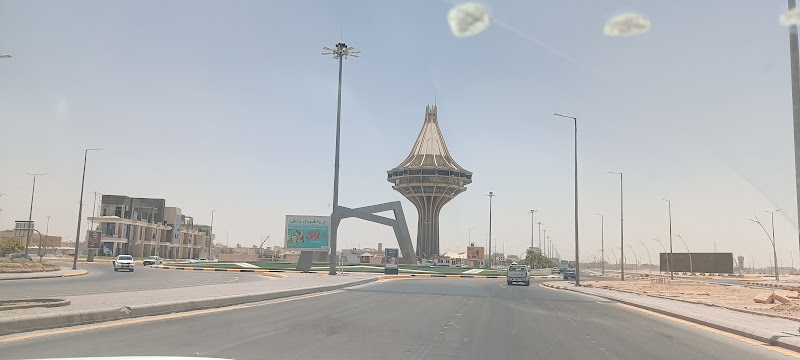
Al-Kharj, tucked away in the heart of Saudi Arabia’s Riyadh region, feels like one of those places that quietly surprises you the more time you spend there. It isn’t just another desert town; it’s a blend of heritage, agriculture, and modern growth that tells its own story. I remember the first time I drove down from Riyadh—just over an hour’s ride—and was struck by how the landscape slowly shifted from urban sprawl to wide, open plains dotted with palm groves and farms. It’s hard not to feel a sense of calm here, the kind that only comes from being surrounded by open space and history that’s still alive in the daily rhythm of the people.
The governorate covers roughly 7,640 square miles and is home to more than 370,000 residents. Historically, Al-Kharj was known for its fertile plains and underground water reservoirs—rare treasures in a desert country. These natural springs made it a center for agriculture long before the oil boom changed the Saudi landscape. Even today, you’ll find dairy farms and date plantations thriving here, producing some of the freshest local products in the Kingdom.
But Al-Kharj isn’t stuck in the past. It’s grown into a modern hub with shopping centers, parks, and industries that balance tradition with progress. The city is also known for its military and educational institutions, adding to its importance in the region. And yet, despite its growth, it still holds onto that small-town charm—friendly locals, slower pace, and a sense of authenticity that’s getting harder to find these days.
For travelers, Al-Kharj offers a different kind of Saudi experience. It’s not about skyscrapers or luxury resorts; it’s about discovering the beauty of everyday life in the desert, where history meets resilience. Whether you’re exploring the old caves, wandering through Al-Kharj Park, or just sipping Arabic coffee under the evening sky, there’s something quietly special about this place.
Key Features
- Historical Significance: Once an agricultural heartland due to its underground water sources, Al-Kharj played a vital role in Saudi Arabia’s early development.
- Natural Springs and Caves: The city is known for its limestone caves and natural wells that historically provided water to the region.
- Modern Development: A growing urban center with industries, universities, and a strong agricultural base.
- Family-Friendly Parks: Al-Kharj Park and other green spaces are popular weekend retreats for locals and visitors alike.
- Local Markets: Traditional souqs and small shops selling dates, honey, and handmade crafts give travelers a taste of authentic Saudi life.
- Proximity to Riyadh: Located about 77 km southeast of Riyadh, making it an easy day trip or weekend getaway.
- Rich Agricultural Heritage: Home to some of the country’s most productive farms and dairy facilities.
Best Time to Visit
If you’ve ever experienced a Saudi summer, you’ll understand why timing matters. Al-Kharj has an arid desert climate—long, hot summers and mild winters. From November to March, the weather is pleasantly cool, with daytime temperatures hovering around 20–25°C (68–77°F). That’s when the city feels most alive. Locals head outdoors, families picnic in parks, and travelers can explore without the sweltering heat.
Summer, on the other hand, can be intense, with temperatures sometimes exceeding 45°C (113°F). I once visited in July, and let’s just say I spent more time indoors than planned. Still, if you don’t mind the heat (and you’ve got a good AC), you’ll find fewer crowds and a slower, more relaxed vibe. But really, winter is the sweet spot—comfortable weather, clear skies, and that perfect golden desert light photographers dream about.
How to Get There
Getting to Al-Kharj is refreshingly straightforward. From Riyadh, it’s about an hour’s drive southeast along well-maintained highways. You can rent a car at Riyadh’s King Khalid International Airport or take a private taxi if you prefer not to drive. The journey itself is quite scenic in its own minimalist way—long stretches of desert, occasional camel sightings, and the odd roadside café serving strong Saudi coffee.
Public transportation options are limited, but that’s part of the adventure. Having your own vehicle gives you the freedom to explore the outskirts, where you’ll find farms, old wells, and quiet desert roads that seem to go on forever. For those who like a bit of structure, some tour operators in Riyadh offer day trips to Al-Kharj, often combining visits to local farms, parks, and historical sites.
If you’re coming from other parts of Saudi Arabia, the road network connecting Al-Kharj to nearby cities like Al Hofuf and Dammam is efficient and safe. And while there’s no major airport in Al-Kharj itself, Riyadh’s airport is close enough to make travel convenient.
Tips for Visiting
First things first—pack for the climate. Light, breathable clothing works best most of the year, but bring a jacket if you’re visiting in winter because desert nights can get surprisingly chilly. Comfortable shoes are a must, especially if you plan to explore natural sites or walk through local markets.
One thing I’ve learned from my trips to smaller Saudi towns is that hospitality is a big deal. Don’t be surprised if locals invite you for coffee or dates—it’s a gesture of warmth, and saying yes often leads to some of the best conversations you’ll have on your journey. And while English is increasingly common, learning a few Arabic phrases (like “shukran” for thank you) goes a long way.
Photography enthusiasts will love Al-Kharj’s landscapes—especially around sunrise and sunset when the desert light softens everything into shades of gold and amber. Just be mindful of cultural sensitivities when photographing people or private property.
If you’re traveling with family, Al-Kharj Park is a great spot to unwind. It’s clean, spacious, and ideal for picnics. Kids will love the open spaces, and adults can relax under the palm trees. And don’t skip the local food stalls—grilled meats, fresh bread, and sweet tea are all part of the experience.
Another tip: plan your trip around local events or weekends. Fridays are lively, with families out in full force, while weekdays are quieter. If you’re the type who enjoys peaceful exploration, aim for midweek visits.
Lastly, don’t rush. Al-Kharj isn’t a place you “check off” in a few hours. It’s a place you ease into. Spend time wandering, talking to people, and soaking up the atmosphere. It’s in those unplanned moments—sharing a laugh with a shopkeeper, watching kids play in the park, or standing under a vast desert sky—that you really get to know the heart of this Saudi gem.
Al-Kharj may not make the headlines like Riyadh or Jeddah, but that’s exactly why it’s worth visiting. It’s authentic, grounded, and quietly beautiful—a reminder that sometimes, the best travel experiences come from the places that don’t try too hard to impress you.
You Might Also Like
Al Muntazah
Al-Kharj 16274
Al-Kharj 16439
Tours & Activities
GetYourGuide provides this tour inventory. We may earn a commission if you book through it; verify current availability, prices, and terms with the provider.
Visitor Reviews
There are no reviews yet. Be the first one to write one.
Share Your Experience
Have you visited Al-Kharj? Help other travelers by leaving a review.