
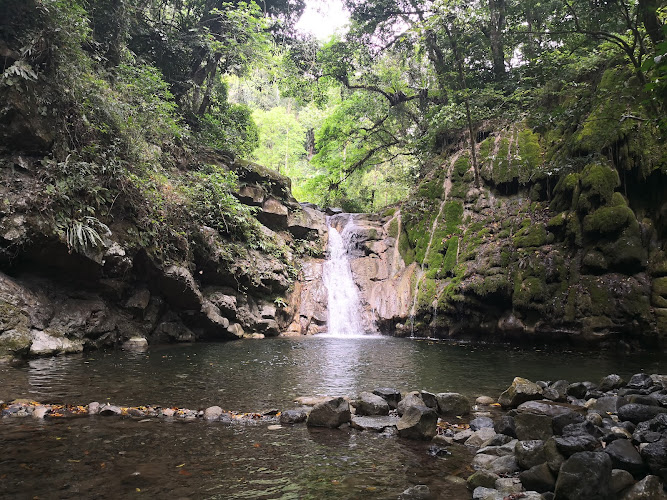
Kinabuan Falls
About Kinabuan Falls
Description
Kinabuan Falls represents one of those hidden gems that honestly makes you question why more people aren't talking about it. This nature preserve sits tucked away where the sounds of rushing water replace the usual buzz of everyday life, and trust me when I say the journey there is just as memorable as the destination itself. The falls cascade down rocky terrain surrounded by lush vegetation that's managed to stay relatively untouched by mass tourism - which is becoming increasingly rare these days. What strikes visitors first is usually the sheer natural beauty of the area. The river feeding the falls winds through the landscape creating pools perfect for a refreshing dip after the trek in. I've heard from countless travelers who initially planned just a quick stop but ended up spending most of their day here because something about the atmosphere just pulls you in. The surrounding nature preserve protects the ecosystem, meaning you're experiencing this waterfall much like people have for generations. The falls themselves aren't the tallest you'll ever see, but height isn't everything. The water creates this almost musical quality as it tumbles over multiple tiers, and depending on the season, the volume can range from a gentle cascade to a powerful torrent. What really sets Kinabuan Falls apart though is how accessible it remains while still feeling wild and authentic. You won't find over-commercialized facilities here competing with the natural soundscape, and that's exactly what makes it special.Key Features
The distinctive characteristics of Kinabuan Falls make it worth adding to any traveler's itinerary, particularly for those seeking authentic nature experiences: • Multiple swimming areas formed by natural rock formations where the water pools before continuing downstream - perfect for cooling off after hiking in the tropical heat • Well-maintained hiking trails that wind through the nature preserve, offering varying difficulty levels for different fitness capabilities and experience levels • Designated picnic spots scattered throughout the area where families can set up for the day and enjoy meals surrounded by nature's soundtrack • Crystal-clear water quality that reflects the protected status of the preserve and limited development in the watershed area • Several vantage points for photography enthusiasts to capture both wide-angle shots of the entire falls and intimate details of the cascading water • Cycling lanes leading to the general area, making it accessible for those who prefer two-wheeled transportation and want to incorporate exercise into their visit • Natural pools at the base suitable for children under supervision, with shallower areas away from the main cascade • Relatively unspoiled surroundings with minimal commercial development preserving the authentic wilderness feel • River areas upstream and downstream from the main falls offering additional exploration opportunities for adventurous visitors • Shaded rest areas under the forest canopy providing relief from direct sun exposure during midday hoursBest Time to Visit
Timing your visit to Kinabuan Falls can honestly make or break your experience, and I say this having learned the hard way with other waterfalls in tropical regions. The dry season generally runs from late November through April, and this is when most people choose to visit. The trails are more manageable, you're less likely to deal with sudden downpours, and the water level sits at that sweet spot where it's impressive without being dangerous. But here's where I'll share an unpopular opinion - the wet season has its own appeal if you're prepared for it. The falls absolutely roar during these months, and the surrounding forest explodes with that intense green color you just can't get during drier periods. Just know that trails become muddier and trickier to navigate, and you should definitely check local conditions before heading out. Early morning visits, regardless of season, offer the best experience. You'll beat the crowds that typically arrive mid-morning through early afternoon, and the lighting for photography is absolutely stunning as the sun filters through the tree canopy. The temperature is also more comfortable before the tropical heat really kicks in around midday. Weekdays see significantly fewer visitors than weekends and holidays. If you have flexibility in your schedule, a Tuesday or Wednesday visit might mean having sections of the falls practically to yourself. During local holiday periods and school breaks, expect larger crowds and plan accordingly. The shoulder months of May and November present an interesting compromise. You might catch some rain, but visitor numbers drop noticeably, and the falls maintain good water flow without the extreme conditions of peak wet season.How to Get There
Getting to Kinabuan Falls requires some planning, but the journey is definitely manageable for most travelers. The preserve sits in an area that's not directly on major tourist routes, which honestly contributes to its relatively uncrowded status. Most visitors start from nearby towns where you can arrange transportation. Local tricycles and habal-habal (motorcycle taxis) are the most common options, and drivers generally know the location well. Negotiating the fare beforehand saves potential awkwardness later - this is just standard practice in the region and drivers expect it. For those with their own transportation or rental motorcycles, the roads leading to the area are mostly paved though some rougher sections exist as you get closer. The cycling lanes mentioned earlier make this a viable option for cycling enthusiasts, though you should be reasonably fit as there are some inclines involved. The ride itself passes through rural landscapes that give you a real feel for local life beyond tourist areas. Public transportation doesn't run directly to the falls, but you can take jeepneys or buses to nearby communities and arrange the final leg from there. This takes longer but significantly reduces costs if you're traveling on a tight budget. The actual trail to the falls from the parking/entry area involves about 20-30 minutes of walking depending on your pace. The path descends toward the river valley, which means you'll face an uphill return journey - something to keep in mind when planning your energy levels for the day. Asking locals for directions is perfectly acceptable and often necessary since signage can be limited. People in the area are generally helpful toward visitors, and showing some basic courtesy goes a long way. A smile and polite question usually gets better results than demanding directions.Tips for Visiting
Actually experiencing Kinabuan Falls rather than just seeing it requires some preparation and awareness. First off, proper footwear makes a massive difference. Those cute sandals might seem practical, but water-friendly shoes with actual grip will save you from some potentially nasty slips on wet rocks. I've seen too many people struggling in inappropriate footwear. Bring enough drinking water for your entire visit plus extra. The physical activity combined with tropical temperatures means you'll go through more fluids than expected, and there aren't convenience stores at the falls. A reusable water bottle serves you well here while reducing plastic waste. Waterproof bags or cases for phones and cameras are essential if you plan on swimming or getting close to the cascades. The mist from the falls can surprise you, and water damage to electronics ruins trips quickly. Even a simple ziplock bag provides basic protection. Pack out everything you pack in. The preserve's relatively pristine condition depends on visitors respecting the environment, and leaving trash undermines conservation efforts. Bringing a small bag specifically for your waste makes this easier. Reef-safe sunscreen protects both your skin and the aquatic ecosystem. Chemical sunscreens can damage the delicate balance of the river environment, particularly in areas where people swim frequently. Visit with realistic fitness expectations. The trails aren't technically difficult, but the heat and humidity add challenge. Taking breaks isn't weakness - it's smart planning that prevents exhaustion or heat-related problems. Hiring a local guide isn't mandatory but often enriches the experience significantly. Guides know the best swimming spots, can share information about the local ecology and history, and support the local economy directly. Plus, they can help navigate if trail markings are unclear. Check weather forecasts before heading out, particularly during wet season months. Flash flooding in tropical areas is real, and being caught in the wrong place during heavy upstream rainfall creates dangerous conditions at the falls. Bring snacks or a packed lunch if you plan on staying several hours. Those designated picnic areas exist for a reason, and there's something special about eating surrounded by that natural setting. Just remember the pack-out-what-you-pack-in rule. Respect any posted signs or local guidance about swimming areas. Some sections might be off-limits due to current conditions or safety concerns, and these restrictions exist for good reasons even if they're not immediately obvious. The preserve isn't wheelchair accessible, which is important for visitors with mobility limitations to know in advance. The natural terrain and trails simply haven't been modified with accessibility features. Consider visiting during less popular times if crowds bother you. That peaceful natural experience changes pretty dramatically when large groups arrive, though this is less of an issue at Kinabuan Falls compared to more heavily visited destinations. Bring a dry bag with fresh clothes for after swimming. Riding back in wet clothes isn't miserable exactly, but it's certainly less comfortable than changing into dry things. Kinabuan Falls rewards visitors who approach it with preparation and respect for the natural environment. The experience of swimming in those cool pools, listening to the water cascade over rocks, and spending time in protected nature increasingly feels like a luxury in our developed world. This isn't a place you rush through - it's somewhere to actually be present and remember what attracted humans to waterfalls long before they became Instagram backdrops.Key Features
- Multi-tiered waterfall with natural plunge pools
- Rugged approach with 16–18 stream/river crossings (variable by weather)
- Popular with hikers, mountain bikers, moto-cross and 4x4 groups
- Cool, clear water ideal for swimming and brief cliff jumps
- Located near Mount Irid/Sierra Madre trail network for easy combo trips
More Details
Updated January 17, 2026
Table of Contents
Description
Kinabuan Falls represents one of those hidden gems that honestly makes you question why more people aren’t talking about it. This nature preserve sits tucked away where the sounds of rushing water replace the usual buzz of everyday life, and trust me when I say the journey there is just as memorable as the destination itself. The falls cascade down rocky terrain surrounded by lush vegetation that’s managed to stay relatively untouched by mass tourism – which is becoming increasingly rare these days.
What strikes visitors first is usually the sheer natural beauty of the area. The river feeding the falls winds through the landscape creating pools perfect for a refreshing dip after the trek in. I’ve heard from countless travelers who initially planned just a quick stop but ended up spending most of their day here because something about the atmosphere just pulls you in. The surrounding nature preserve protects the ecosystem, meaning you’re experiencing this waterfall much like people have for generations.
The falls themselves aren’t the tallest you’ll ever see, but height isn’t everything. The water creates this almost musical quality as it tumbles over multiple tiers, and depending on the season, the volume can range from a gentle cascade to a powerful torrent. What really sets Kinabuan Falls apart though is how accessible it remains while still feeling wild and authentic. You won’t find over-commercialized facilities here competing with the natural soundscape, and that’s exactly what makes it special.
Key Features
The distinctive characteristics of Kinabuan Falls make it worth adding to any traveler’s itinerary, particularly for those seeking authentic nature experiences:
• Multiple swimming areas formed by natural rock formations where the water pools before continuing downstream – perfect for cooling off after hiking in the tropical heat
• Well-maintained hiking trails that wind through the nature preserve, offering varying difficulty levels for different fitness capabilities and experience levels
• Designated picnic spots scattered throughout the area where families can set up for the day and enjoy meals surrounded by nature’s soundtrack
• Crystal-clear water quality that reflects the protected status of the preserve and limited development in the watershed area
• Several vantage points for photography enthusiasts to capture both wide-angle shots of the entire falls and intimate details of the cascading water
• Cycling lanes leading to the general area, making it accessible for those who prefer two-wheeled transportation and want to incorporate exercise into their visit
• Natural pools at the base suitable for children under supervision, with shallower areas away from the main cascade
• Relatively unspoiled surroundings with minimal commercial development preserving the authentic wilderness feel
• River areas upstream and downstream from the main falls offering additional exploration opportunities for adventurous visitors
• Shaded rest areas under the forest canopy providing relief from direct sun exposure during midday hours
Best Time to Visit
Timing your visit to Kinabuan Falls can honestly make or break your experience, and I say this having learned the hard way with other waterfalls in tropical regions. The dry season generally runs from late November through April, and this is when most people choose to visit. The trails are more manageable, you’re less likely to deal with sudden downpours, and the water level sits at that sweet spot where it’s impressive without being dangerous.
But here’s where I’ll share an unpopular opinion – the wet season has its own appeal if you’re prepared for it. The falls absolutely roar during these months, and the surrounding forest explodes with that intense green color you just can’t get during drier periods. Just know that trails become muddier and trickier to navigate, and you should definitely check local conditions before heading out.
Early morning visits, regardless of season, offer the best experience. You’ll beat the crowds that typically arrive mid-morning through early afternoon, and the lighting for photography is absolutely stunning as the sun filters through the tree canopy. The temperature is also more comfortable before the tropical heat really kicks in around midday.
Weekdays see significantly fewer visitors than weekends and holidays. If you have flexibility in your schedule, a Tuesday or Wednesday visit might mean having sections of the falls practically to yourself. During local holiday periods and school breaks, expect larger crowds and plan accordingly.
The shoulder months of May and November present an interesting compromise. You might catch some rain, but visitor numbers drop noticeably, and the falls maintain good water flow without the extreme conditions of peak wet season.
How to Get There
Getting to Kinabuan Falls requires some planning, but the journey is definitely manageable for most travelers. The preserve sits in an area that’s not directly on major tourist routes, which honestly contributes to its relatively uncrowded status.
Most visitors start from nearby towns where you can arrange transportation. Local tricycles and habal-habal (motorcycle taxis) are the most common options, and drivers generally know the location well. Negotiating the fare beforehand saves potential awkwardness later – this is just standard practice in the region and drivers expect it.
For those with their own transportation or rental motorcycles, the roads leading to the area are mostly paved though some rougher sections exist as you get closer. The cycling lanes mentioned earlier make this a viable option for cycling enthusiasts, though you should be reasonably fit as there are some inclines involved. The ride itself passes through rural landscapes that give you a real feel for local life beyond tourist areas.
Public transportation doesn’t run directly to the falls, but you can take jeepneys or buses to nearby communities and arrange the final leg from there. This takes longer but significantly reduces costs if you’re traveling on a tight budget.
The actual trail to the falls from the parking/entry area involves about 20-30 minutes of walking depending on your pace. The path descends toward the river valley, which means you’ll face an uphill return journey – something to keep in mind when planning your energy levels for the day.
Asking locals for directions is perfectly acceptable and often necessary since signage can be limited. People in the area are generally helpful toward visitors, and showing some basic courtesy goes a long way. A smile and polite question usually gets better results than demanding directions.
Tips for Visiting
Actually experiencing Kinabuan Falls rather than just seeing it requires some preparation and awareness. First off, proper footwear makes a massive difference. Those cute sandals might seem practical, but water-friendly shoes with actual grip will save you from some potentially nasty slips on wet rocks. I’ve seen too many people struggling in inappropriate footwear.
Bring enough drinking water for your entire visit plus extra. The physical activity combined with tropical temperatures means you’ll go through more fluids than expected, and there aren’t convenience stores at the falls. A reusable water bottle serves you well here while reducing plastic waste.
Waterproof bags or cases for phones and cameras are essential if you plan on swimming or getting close to the cascades. The mist from the falls can surprise you, and water damage to electronics ruins trips quickly. Even a simple ziplock bag provides basic protection.
Pack out everything you pack in. The preserve’s relatively pristine condition depends on visitors respecting the environment, and leaving trash undermines conservation efforts. Bringing a small bag specifically for your waste makes this easier.
Reef-safe sunscreen protects both your skin and the aquatic ecosystem. Chemical sunscreens can damage the delicate balance of the river environment, particularly in areas where people swim frequently.
Visit with realistic fitness expectations. The trails aren’t technically difficult, but the heat and humidity add challenge. Taking breaks isn’t weakness – it’s smart planning that prevents exhaustion or heat-related problems.
Hiring a local guide isn’t mandatory but often enriches the experience significantly. Guides know the best swimming spots, can share information about the local ecology and history, and support the local economy directly. Plus, they can help navigate if trail markings are unclear.
Check weather forecasts before heading out, particularly during wet season months. Flash flooding in tropical areas is real, and being caught in the wrong place during heavy upstream rainfall creates dangerous conditions at the falls.
Bring snacks or a packed lunch if you plan on staying several hours. Those designated picnic areas exist for a reason, and there’s something special about eating surrounded by that natural setting. Just remember the pack-out-what-you-pack-in rule.
Respect any posted signs or local guidance about swimming areas. Some sections might be off-limits due to current conditions or safety concerns, and these restrictions exist for good reasons even if they’re not immediately obvious.
The preserve isn’t wheelchair accessible, which is important for visitors with mobility limitations to know in advance. The natural terrain and trails simply haven’t been modified with accessibility features.
Consider visiting during less popular times if crowds bother you. That peaceful natural experience changes pretty dramatically when large groups arrive, though this is less of an issue at Kinabuan Falls compared to more heavily visited destinations.
Bring a dry bag with fresh clothes for after swimming. Riding back in wet clothes isn’t miserable exactly, but it’s certainly less comfortable than changing into dry things.
Kinabuan Falls rewards visitors who approach it with preparation and respect for the natural environment. The experience of swimming in those cool pools, listening to the water cascade over rocks, and spending time in protected nature increasingly feels like a luxury in our developed world. This isn’t a place you rush through – it’s somewhere to actually be present and remember what attracted humans to waterfalls long before they became Instagram backdrops.
Key Highlights
- Multi-tiered waterfall with natural plunge pools
- Rugged approach with 16–18 stream/river crossings (variable by weather)
- Popular with hikers, mountain bikers, moto-cross and 4×4 groups
- Cool, clear water ideal for swimming and brief cliff jumps
- Located near Mount Irid/Sierra Madre trail network for easy combo trips
Location
Places to Stay Near Kinabuan Falls
Find and Book a Tour
Explore More Travel Guides
No reviews found! Be the first to review!
Traveler Reviews for Kinabuan Falls
There are no reviews yet. Be the first one to write one.
Have you visited Kinabuan Falls? Help other travelers by sharing your review.
Nearby Attractions
You Might Also Like
Calinawan Cave

Regina RICA

Tanay Park
Find Accommodations Nearby
Recommended Tours & Activities
Visitor Reviews
There are no reviews yet. Be the first one to write one.
Share Your Experience
Have you visited Kinabuan Falls? Help other travelers by leaving a review.