
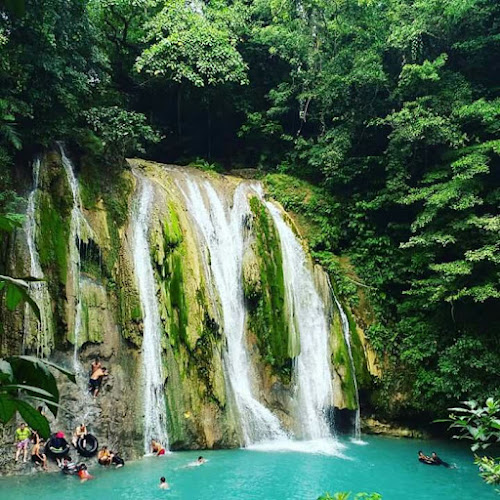
Daranak Falls
About Daranak Falls
Description
Daranak Falls is one of those places that'll make you question why you don't escape the city more often. Located in Rizal province, this waterfall has been drawing adventure-seekers and weekend warriors for decades, though it somehow manages to stay off the radar of many international travelers. And honestly, that's part of its charm. The falls cascade down a impressive rock formation creating this natural pool that's become something of a local institution. I remember my first visit there—the sound of rushing water hit me before I even saw the falls themselves, which was pretty magical in its own right. The area sits within a relatively accessible spot considering how pristine it feels once you're there, making it a favorite for folks who want nature without the extreme trek. What makes Daranak particularly interesting is that it's actually part of a network of waterfalls in the area. The water tumbles down in stages, creating different pools and levels that cater to various comfort zones. Some people are perfectly happy wading in the shallower sections while others dive right into the deeper spots beneath the main cascade. The surrounding rock formations have this raw, untouched quality that reminds you we're really just visitors in nature's living room. The falls measure approximately 14 meters in height, which might not sound massive compared to some of the world's famous waterfalls, but trust me when I say it's plenty impressive when you're standing beneath it. The volume of water varies dramatically depending on the season, transforming from a gentle cascade during dry months to a powerful torrent during the rainy season. This variability gives the place different personalities throughout the year.Key Features
The distinctive characteristics of Daranak Falls create an experience that goes beyond your typical waterfall visit. Here's what sets this spot apart:- Multi-level natural swimming pools that accommodate both cautious waders and confident swimmers
- Rock formations that provide natural seating areas and photo opportunities throughout the site
- Relatively developed infrastructure including changing rooms and restroom facilities, which is a godsend compared to some remote natural attractions
- Local food vendors near the entrance selling snacks and refreshments—their grilled corn is genuinely addictive
- Natural rock slides formed by years of water flow that adventurous visitors use for some extra thrills
- Bamboo cottages available for rent if you want some shade and a base camp for your group
- A community of local guides who know the area intimately and can show you the best spots
- Cave systems near the falls that add an extra dimension to exploration for those who want more than just swimming
- Relatively shallow areas perfect for families with young children who want to enjoy the water safely
- The presence of small fish in the pools that'll nibble your feet if you stay still long enough—free fish spa treatment
Best Time to Visit
Timing your visit to Daranak Falls can make the difference between a great day and an unforgettable one. The dry season from November through April generally offers the most predictable conditions. During these months, the water flow is more manageable and the pools are clearer, making swimming more enjoyable for most visitors. But here's where it gets interesting—some people actually prefer visiting during the wet season despite the stronger currents and murkier water. The falls are at their most powerful and photogenic during these months, particularly from June to September. Just know what you're getting into because the experience changes dramatically. Weekdays are your best bet if you want to avoid crowds. Weekends and holidays can get pretty packed, especially during summer months when Manila residents flock to the area for relief from the heat. I made the mistake once of showing up on a Sunday during peak season and spent more time navigating through people than actually enjoying the water. The early morning hours between 7 AM and 10 AM offer the most serene experience. The light filtering through the trees creates this almost ethereal atmosphere, and you'll likely have portions of the falls to yourself. By noon, especially on weekends, the place can transform into something resembling a water park. Consider the Philippine holiday calendar when planning your visit. Long weekends see particularly heavy traffic, both on the roads getting there and at the falls themselves. Holy Week is traditionally one of the busiest periods, so maybe skip that unless you enjoy sardine-like conditions.How to Get There
Getting to Daranak Falls requires some effort but nothing too challenging for the average traveler. The falls sit in Tanay, Rizal, which is roughly 47 kilometers from Manila. Your transportation choice will significantly impact your experience. Private vehicles offer the most flexibility and comfort. From Manila, you'll take the Manila East Road heading towards Antipolo, then continue through Morong towards Tanay. The entire journey takes about two hours under normal traffic conditions, though weekends can stretch that to three hours or more. There's a parking area near the falls, but it fills up quickly during peak times. For those relying on public transportation, the journey involves multiple steps. Start by catching a jeepney or van from Shaw Boulevard or Starmall EDSA heading to Tanay. These vehicles leave regularly throughout the day and the ride takes approximately two hours. Once you reach Tanay proper, you'll need to catch a tricycle to the falls entrance. The tricycle ride adds another 15-20 minutes and some additional cost, but the drivers know exactly where they're going. Some visitors opt for organized tours that include transportation, which eliminates the navigation stress. These tours often package Daranak with other nearby attractions, giving you a fuller day of exploration. The trade-off is less flexibility in timing and duration at each stop. The final approach to the falls involves a short walk from where vehicles stop. It's maybe a five-minute trek, nothing too strenuous, though the path can get slippery when wet. Wear appropriate footwear—flip-flops are fine but shoes with grip are better.Tips for Visiting
Pack a waterproof bag or container for your valuables because things will get wet regardless of how careful you plan to be. I learned this the hard way when my phone took an unplanned swim during my second visit. The lockers available for rent are worth the small fee if you're carrying anything you'd hate to lose. Bring your own food and plenty of water. While vendors near the entrance sell refreshments, their prices reflect the captive audience situation. A packed lunch gives you more time at the falls without needing to trek back out when hunger strikes. Just please, for the love of nature, take your trash with you. The litter situation there can get bad during busy periods because some visitors apparently think nature comes with housekeeping services. Wear water shoes or sturdy sandals with straps. The rocks around the pools are slippery and sometimes sharp. Going barefoot might seem appealing but your feet will thank you for the protection. And seriously, skip the white swimsuit unless you want it to turn brown from the natural sediment in the water. Apply waterproof sunscreen generously and reapply often. The canopy provides some shade but you'll still get significant sun exposure, especially in the open water areas. Sunburn and vacation shouldn't go hand in hand but I see lobster-red tourists there all the time. Respect the local guidelines and swimming areas. Some sections are marked off-limits for safety reasons, and those markers exist because people have gotten hurt ignoring them. The rocks can be unstable and the currents unpredictable in certain spots. Don't be that person who thinks they're special enough to disregard safety measures. Hire a local guide if you want to explore the caves or less obvious areas. They're inexpensive and their knowledge transforms the visit from good to genuinely educational. Plus, you're supporting the local economy directly, which matters. Visit the nearby Batlag Falls if you have time and energy. It requires more hiking than Daranak but offers a completely different experience. Think of it as the adventurous sibling to Daranak's more accessible personality. Bring a dry bag of clothes for the journey home. Sitting in wet swimwear for a two-hour drive back to Manila ranks pretty low on the comfort scale. Having dry clothes transforms the return journey from miserable to pleasant. Check recent weather conditions before heading out. Flash floods can occur during heavy rains, making the falls dangerous. Local Facebook groups often post current conditions, which is more reliable than general weather forecasts. Arrive early or stay late if possible. The middle hours bring the biggest crowds and the harshest sun. Dawn and dusk offer the most photogenic light anyway, so you're getting better pictures along with a better experience overall.Key Features
- Multi-level natural swimming pools that accommodate both cautious waders and confident swimmers
- Rock formations that provide natural seating areas and photo opportunities throughout the site
- Relatively developed infrastructure including changing rooms and restroom facilities, which is a godsend compared to some remote natural attractions
- Local food vendors near the entrance selling snacks and refreshments—their grilled corn is genuinely addictive
- Natural rock slides formed by years of water flow that adventurous visitors use for some extra thrills
- Bamboo cottages available for rent if you want some shade and a base camp for your group
- A community of local guides who know the area intimately and can show you the best spots
- Cave systems near the falls that add an extra dimension to exploration for those who want more than just swimming
More Details
Updated January 17, 2026
Table of Contents
Description
Daranak Falls is one of those places that’ll make you question why you don’t escape the city more often. Located in Rizal province, this waterfall has been drawing adventure-seekers and weekend warriors for decades, though it somehow manages to stay off the radar of many international travelers. And honestly, that’s part of its charm.
The falls cascade down a impressive rock formation creating this natural pool that’s become something of a local institution. I remember my first visit there—the sound of rushing water hit me before I even saw the falls themselves, which was pretty magical in its own right. The area sits within a relatively accessible spot considering how pristine it feels once you’re there, making it a favorite for folks who want nature without the extreme trek.
What makes Daranak particularly interesting is that it’s actually part of a network of waterfalls in the area. The water tumbles down in stages, creating different pools and levels that cater to various comfort zones. Some people are perfectly happy wading in the shallower sections while others dive right into the deeper spots beneath the main cascade. The surrounding rock formations have this raw, untouched quality that reminds you we’re really just visitors in nature’s living room.
The falls measure approximately 14 meters in height, which might not sound massive compared to some of the world’s famous waterfalls, but trust me when I say it’s plenty impressive when you’re standing beneath it. The volume of water varies dramatically depending on the season, transforming from a gentle cascade during dry months to a powerful torrent during the rainy season. This variability gives the place different personalities throughout the year.
Key Features
The distinctive characteristics of Daranak Falls create an experience that goes beyond your typical waterfall visit. Here’s what sets this spot apart:
- Multi-level natural swimming pools that accommodate both cautious waders and confident swimmers
- Rock formations that provide natural seating areas and photo opportunities throughout the site
- Relatively developed infrastructure including changing rooms and restroom facilities, which is a godsend compared to some remote natural attractions
- Local food vendors near the entrance selling snacks and refreshments—their grilled corn is genuinely addictive
- Natural rock slides formed by years of water flow that adventurous visitors use for some extra thrills
- Bamboo cottages available for rent if you want some shade and a base camp for your group
- A community of local guides who know the area intimately and can show you the best spots
- Cave systems near the falls that add an extra dimension to exploration for those who want more than just swimming
- Relatively shallow areas perfect for families with young children who want to enjoy the water safely
- The presence of small fish in the pools that’ll nibble your feet if you stay still long enough—free fish spa treatment
Best Time to Visit
Timing your visit to Daranak Falls can make the difference between a great day and an unforgettable one. The dry season from November through April generally offers the most predictable conditions. During these months, the water flow is more manageable and the pools are clearer, making swimming more enjoyable for most visitors.
But here’s where it gets interesting—some people actually prefer visiting during the wet season despite the stronger currents and murkier water. The falls are at their most powerful and photogenic during these months, particularly from June to September. Just know what you’re getting into because the experience changes dramatically.
Weekdays are your best bet if you want to avoid crowds. Weekends and holidays can get pretty packed, especially during summer months when Manila residents flock to the area for relief from the heat. I made the mistake once of showing up on a Sunday during peak season and spent more time navigating through people than actually enjoying the water.
The early morning hours between 7 AM and 10 AM offer the most serene experience. The light filtering through the trees creates this almost ethereal atmosphere, and you’ll likely have portions of the falls to yourself. By noon, especially on weekends, the place can transform into something resembling a water park.
Consider the Philippine holiday calendar when planning your visit. Long weekends see particularly heavy traffic, both on the roads getting there and at the falls themselves. Holy Week is traditionally one of the busiest periods, so maybe skip that unless you enjoy sardine-like conditions.
How to Get There
Getting to Daranak Falls requires some effort but nothing too challenging for the average traveler. The falls sit in Tanay, Rizal, which is roughly 47 kilometers from Manila. Your transportation choice will significantly impact your experience.
Private vehicles offer the most flexibility and comfort. From Manila, you’ll take the Manila East Road heading towards Antipolo, then continue through Morong towards Tanay. The entire journey takes about two hours under normal traffic conditions, though weekends can stretch that to three hours or more. There’s a parking area near the falls, but it fills up quickly during peak times.
For those relying on public transportation, the journey involves multiple steps. Start by catching a jeepney or van from Shaw Boulevard or Starmall EDSA heading to Tanay. These vehicles leave regularly throughout the day and the ride takes approximately two hours. Once you reach Tanay proper, you’ll need to catch a tricycle to the falls entrance. The tricycle ride adds another 15-20 minutes and some additional cost, but the drivers know exactly where they’re going.
Some visitors opt for organized tours that include transportation, which eliminates the navigation stress. These tours often package Daranak with other nearby attractions, giving you a fuller day of exploration. The trade-off is less flexibility in timing and duration at each stop.
The final approach to the falls involves a short walk from where vehicles stop. It’s maybe a five-minute trek, nothing too strenuous, though the path can get slippery when wet. Wear appropriate footwear—flip-flops are fine but shoes with grip are better.
Tips for Visiting
Pack a waterproof bag or container for your valuables because things will get wet regardless of how careful you plan to be. I learned this the hard way when my phone took an unplanned swim during my second visit. The lockers available for rent are worth the small fee if you’re carrying anything you’d hate to lose.
Bring your own food and plenty of water. While vendors near the entrance sell refreshments, their prices reflect the captive audience situation. A packed lunch gives you more time at the falls without needing to trek back out when hunger strikes. Just please, for the love of nature, take your trash with you. The litter situation there can get bad during busy periods because some visitors apparently think nature comes with housekeeping services.
Wear water shoes or sturdy sandals with straps. The rocks around the pools are slippery and sometimes sharp. Going barefoot might seem appealing but your feet will thank you for the protection. And seriously, skip the white swimsuit unless you want it to turn brown from the natural sediment in the water.
Apply waterproof sunscreen generously and reapply often. The canopy provides some shade but you’ll still get significant sun exposure, especially in the open water areas. Sunburn and vacation shouldn’t go hand in hand but I see lobster-red tourists there all the time.
Respect the local guidelines and swimming areas. Some sections are marked off-limits for safety reasons, and those markers exist because people have gotten hurt ignoring them. The rocks can be unstable and the currents unpredictable in certain spots. Don’t be that person who thinks they’re special enough to disregard safety measures.
Hire a local guide if you want to explore the caves or less obvious areas. They’re inexpensive and their knowledge transforms the visit from good to genuinely educational. Plus, you’re supporting the local economy directly, which matters.
Visit the nearby Batlag Falls if you have time and energy. It requires more hiking than Daranak but offers a completely different experience. Think of it as the adventurous sibling to Daranak’s more accessible personality.
Bring a dry bag of clothes for the journey home. Sitting in wet swimwear for a two-hour drive back to Manila ranks pretty low on the comfort scale. Having dry clothes transforms the return journey from miserable to pleasant.
Check recent weather conditions before heading out. Flash floods can occur during heavy rains, making the falls dangerous. Local Facebook groups often post current conditions, which is more reliable than general weather forecasts.
Arrive early or stay late if possible. The middle hours bring the biggest crowds and the harshest sun. Dawn and dusk offer the most photogenic light anyway, so you’re getting better pictures along with a better experience overall.
Key Highlights
- Multi-level natural swimming pools that accommodate both cautious waders and confident swimmers
- Rock formations that provide natural seating areas and photo opportunities throughout the site
- Relatively developed infrastructure including changing rooms and restroom facilities, which is a godsend compared to some remote natural attractions
- Local food vendors near the entrance selling snacks and refreshments—their grilled corn is genuinely addictive
- Natural rock slides formed by years of water flow that adventurous visitors use for some extra thrills
- Bamboo cottages available for rent if you want some shade and a base camp for your group
- A community of local guides who know the area intimately and can show you the best spots
- Cave systems near the falls that add an extra dimension to exploration for those who want more than just swimming
Location
Places to Stay Near Daranak Falls
Find and Book a Tour
Explore More Travel Guides
No reviews found! Be the first to review!
Traveler Reviews for Daranak Falls
There are no reviews yet. Be the first one to write one.
Have you visited Daranak Falls? Help other travelers by sharing your review.
You Might Also Like
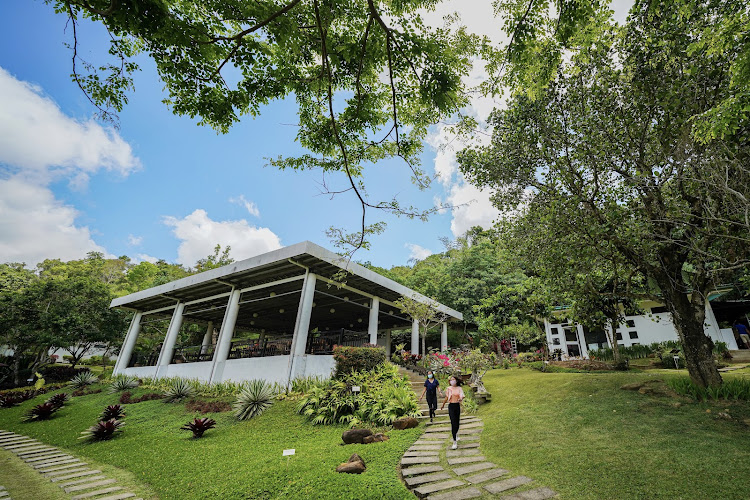
3 Springs Mountain Park
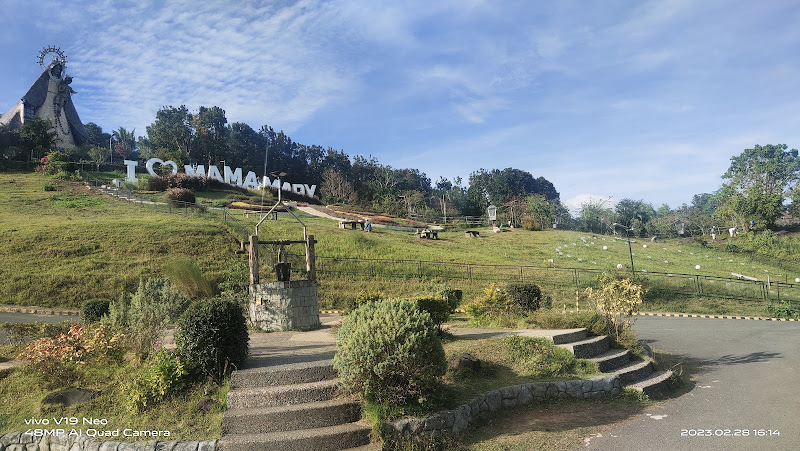
Regina RICA
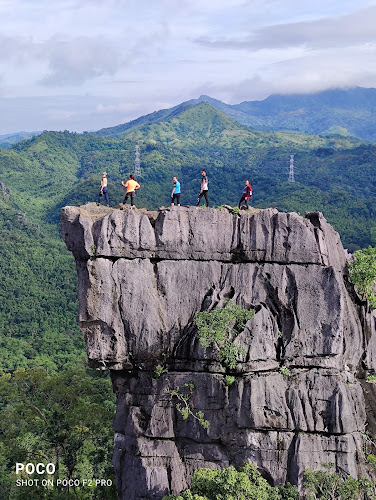
Nagpatong Rock Formation
Find Accommodations Nearby
Recommended Tours & Activities
Visitor Reviews
There are no reviews yet. Be the first one to write one.
Share Your Experience
Have you visited Daranak Falls? Help other travelers by leaving a review.