
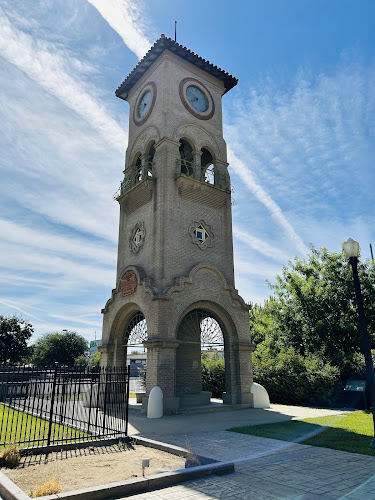
Kern County Museum
About Kern County Museum
Description
The Kern County Museum stands as one of Central California's most compelling time capsules, offering visitors an authentic glimpse into the region's fascinating past. Located in Bakersfield, this institution houses an impressive collection that spans thousands of years—from the area's earliest Native American inhabitants through the pioneer days and into the booming oil industry era that transformed this dusty valley into an economic powerhouse. What makes this museum genuinely special is how it presents history. Rather than simply displaying artifacts behind glass cases (though there's plenty of that too), the museum features an entire outdoor village comprised of over 56 historic structures. You'll walk down actual streets lined with preserved buildings that were relocated here to create what feels like stepping through a portal into California's past. We're talking about real blacksmith shops, schoolhouses, jail cells, and homes that people actually lived in—not replicas or reconstructions. The indoor galleries showcase thousands of artifacts that tell the story of Kern County's development. The Native American collection is particularly noteworthy, featuring tools, baskets, and cultural items from the Yokuts and other indigenous peoples who thrived in the San Joaquin Valley long before European settlers arrived. And then there's the oil exhibition, which is absolutely essential viewing for anyone who wants to understand why Bakersfield exists in its current form. The petroleum industry shaped everything about this region, and the museum doesn't shy away from that story. What struck me most during my visit was how the museum manages to be educational without being stuffy. It's the kind of place where you can genuinely spend three hours and not even realize it. The attention to detail in the historic buildings is remarkable—many contain period-appropriate furnishings and personal items that make you feel like the occupants just stepped out for a moment.Key Features
The Kern County Museum offers an impressive array of features that distinguish it from your typical history museum experience:- Pioneer Village: This outdoor collection of 56 authentic historic structures creates an immersive experience where visitors can explore actual buildings from Kern County's past, including homes, businesses, and public buildings dating back to the 1860s
- Comprehensive Native American Exhibits: Extensive displays showcasing the tools, artwork, and cultural artifacts of the Yokuts people and other indigenous groups who inhabited the region for thousands of years
- Oil Industry Collections: Detailed exhibitions chronicling the petroleum boom that defined Kern County's modern identity, complete with drilling equipment, photographs, and historical documentation
- Natural History Wing: The museum of zoology component features taxidermied specimens of wildlife native to the Central Valley and surrounding areas
- Agricultural Heritage Displays: Equipment and exhibits highlighting the farming traditions that made Kern County one of America's most productive agricultural regions
- Live Performances and Theater Programming: Regular theatrical presentations and living history demonstrations that bring the past to life
- Extensive Research Archives: For serious history buffs, the museum maintains archives and genealogical resources documenting local families and businesses
- Completely Accessible Facilities: The entire museum including restrooms, parking, and entrances accommodate wheelchair users and visitors with mobility challenges
- Family-Friendly Amenities: Changing tables and facilities designed with young children in mind make this an practical destination for families
- Guided Tours Available: Knowledgeable docents offer tours that provide deeper context and fascinating stories behind the exhibits
Best Time to Visit
Timing your visit to the Kern County Museum can significantly impact your experience, particularly because a substantial portion of the attraction is outdoors. Let's talk about what you're really facing here: Bakersfield is HOT. Like, seriously hot during summer months. The absolute best time to visit is between October and April when temperatures are mild and pleasant for exploring the outdoor pioneer village. During these cooler months, you'll find daytime temperatures ranging from the 50s to low 70s—perfect weather for wandering among the historic buildings without feeling like you're melting into the pavement. I visited in November once and it was absolutely ideal. But here's the thing: if you can only visit during summer, don't let the heat completely deter you. Just be strategic. The museum opens early, so arrive right when the doors open and you'll get a good couple hours before the temperature becomes oppressive. The indoor galleries are climate-controlled, so you can retreat inside during the hottest part of the afternoon. Many locals actually prefer visiting on those slightly overcast days that sometimes happen even in summer—you get softer light for photographs and more comfortable exploration. Weekdays tend to be less crowded than weekends, which matters more than you might think. With fewer visitors, you can take your time in the historic buildings, really absorb the atmosphere, and have better access to staff members who can answer questions. School groups often visit during spring months, so if you're seeking a quieter experience, aim for late fall or winter. Special events and living history days are scheduled throughout the year, and these can be fantastic times to visit if you don't mind larger crowds. The museum hosts various themed weekends where costumed interpreters demonstrate historic crafts and skills. Check their event calendar before planning your trip—you might time your visit with something really memorable.How to Get There
Getting to the Kern County Museum is refreshingly straightforward, especially compared to some more remote California attractions. The museum sits in Bakersfield, which is positioned right along State Route 99—the main artery running through California's Central Valley. If you're driving from Los Angeles (about 110 miles south), take Interstate 5 north or the slightly more scenic Highway 99. The drive typically takes around two hours without traffic, though Los Angeles traffic being what it is, you should probably add buffer time if you're leaving from the LA area during commute hours. From the Bay Area (roughly 270 miles north), Highway 99 south will get you there in about four to four and a half hours. The museum provides free on-site parking, which is honestly a blessing when you consider how many California attractions nickel-and-dime you for parking. The lot is spacious enough that you won't be circling around looking for a spot even on busier days. For those relying on public transportation, Bakersfield does have a local bus system (GET bus) that serves the area around the museum. However, let's be real—Bakersfield is a car-oriented city, and having your own vehicle makes everything easier. If you're flying in, Meadows Field Airport (BFL) serves Bakersfield with connections to several major hubs. From there, renting a car is your best bet. The museum's location within Bakersfield means you're also close to various hotels, restaurants, and gas stations. It's not some isolated destination where you need to pack supplies for the journey. You can easily combine your museum visit with other activities in town, grab lunch at one of Bakersfield's excellent Basque restaurants (seriously, don't skip this), or even catch a Bakersfield Condors hockey game if you're visiting during hockey season.Tips for Visiting
After spending considerable time at the Kern County Museum and talking with other visitors, I've gathered some practical advice that'll help you maximize your experience. First off, wear comfortable walking shoes. This isn't optional. You'll be covering a lot of ground, and much of the outdoor pioneer village has uneven surfaces. Those cute sandals or fancy dress shoes will have you limping by midday. Trust me on this one. Budget at least three hours for your visit, maybe more if you're a history enthusiast or have kids who want to explore every nook and cranny. Many people make the mistake of thinking they can breeze through in an hour—you can, technically, but you'll miss so much. The beauty of this museum is in the details, the small touches in each building that tell the real story of how people lived. Bring water, especially during warmer months. Yes, there are restrooms with water fountains, but having your own bottle means you can stay hydrated while exploring the outdoor areas without constantly backtracking. There's no restaurant on-site, so if you're planning an extended visit, consider eating before you arrive or packing snacks. Take advantage of the guided tours if they're available when you visit. The docents at this museum are typically volunteers with genuine passion for local history, and they share stories and details you simply won't get from reading plaques. These folks often have personal connections to Kern County's history—their grandparents might have worked in the oil fields or their great-grandparents were among the pioneer settlers. Photography is generally permitted in most areas, and this place is incredibly photogenic. The historic buildings photograph beautifully, particularly in the golden hour light of late afternoon. But be respectful of any signage indicating restricted photography in certain exhibit areas. If you're visiting with children, the museum is genuinely kid-friendly despite being educational. Many children find the pioneer village fascinating because they can actually enter the buildings and see how kids their age lived more than a century ago. The one-room schoolhouse is always a hit. However, do keep an eye on young children in some of the older structures—historic buildings weren't designed with modern safety standards. Check the museum's schedule before your visit to see if any special events or live performances are planned. These theatrical presentations add tremendous value to the experience and help bring history alive in ways that static exhibits simply cannot. Don't rush through the Native American exhibits. They're often the first galleries visitors encounter, and there's a tendency to hurry through them to get to the pioneer village. But these collections are significant and well-curated, offering important context for understanding the region's complete history. Finally, stop by the museum store on your way out. It's better than your typical museum gift shop, with books about local history, including some hard-to-find titles about Kern County's oil boom and agricultural development. If you've developed any interest in the region's past during your visit, you'll find resources to continue learning. The admission fee is quite reasonable considering the scope of what you're seeing—this isn't some tiny roadside attraction charging premium prices. You're getting access to extensive indoor and outdoor exhibits that rival much more expensive museums in larger cities.Key Features
- Pioneer Village: over 50 restored historic buildings arranged on a park-like campus
- Baker Street: recreated early 20th-century commercial street with period storefronts
- Main galleries: exhibits on oil industry, agriculture, and local social history
- Interactive and family-friendly displays including hands-on education programs
- Special exhibitions and seasonal events that highlight regional stories
More Details
Updated March 30, 2026
Table of Contents
Description
The Kern County Museum stands as one of Central California’s most compelling time capsules, offering visitors an authentic glimpse into the region’s fascinating past. Located in Bakersfield, this institution houses an impressive collection that spans thousands of years—from the area’s earliest Native American inhabitants through the pioneer days and into the booming oil industry era that transformed this dusty valley into an economic powerhouse.
What makes this museum genuinely special is how it presents history. Rather than simply displaying artifacts behind glass cases (though there’s plenty of that too), the museum features an entire outdoor village comprised of over 56 historic structures. You’ll walk down actual streets lined with preserved buildings that were relocated here to create what feels like stepping through a portal into California’s past. We’re talking about real blacksmith shops, schoolhouses, jail cells, and homes that people actually lived in—not replicas or reconstructions.
The indoor galleries showcase thousands of artifacts that tell the story of Kern County’s development. The Native American collection is particularly noteworthy, featuring tools, baskets, and cultural items from the Yokuts and other indigenous peoples who thrived in the San Joaquin Valley long before European settlers arrived. And then there’s the oil exhibition, which is absolutely essential viewing for anyone who wants to understand why Bakersfield exists in its current form. The petroleum industry shaped everything about this region, and the museum doesn’t shy away from that story.
What struck me most during my visit was how the museum manages to be educational without being stuffy. It’s the kind of place where you can genuinely spend three hours and not even realize it. The attention to detail in the historic buildings is remarkable—many contain period-appropriate furnishings and personal items that make you feel like the occupants just stepped out for a moment.
Key Features
The Kern County Museum offers an impressive array of features that distinguish it from your typical history museum experience:
- Pioneer Village: This outdoor collection of 56 authentic historic structures creates an immersive experience where visitors can explore actual buildings from Kern County’s past, including homes, businesses, and public buildings dating back to the 1860s
- Comprehensive Native American Exhibits: Extensive displays showcasing the tools, artwork, and cultural artifacts of the Yokuts people and other indigenous groups who inhabited the region for thousands of years
- Oil Industry Collections: Detailed exhibitions chronicling the petroleum boom that defined Kern County’s modern identity, complete with drilling equipment, photographs, and historical documentation
- Natural History Wing: The museum of zoology component features taxidermied specimens of wildlife native to the Central Valley and surrounding areas
- Agricultural Heritage Displays: Equipment and exhibits highlighting the farming traditions that made Kern County one of America’s most productive agricultural regions
- Live Performances and Theater Programming: Regular theatrical presentations and living history demonstrations that bring the past to life
- Extensive Research Archives: For serious history buffs, the museum maintains archives and genealogical resources documenting local families and businesses
- Completely Accessible Facilities: The entire museum including restrooms, parking, and entrances accommodate wheelchair users and visitors with mobility challenges
- Family-Friendly Amenities: Changing tables and facilities designed with young children in mind make this an practical destination for families
- Guided Tours Available: Knowledgeable docents offer tours that provide deeper context and fascinating stories behind the exhibits
Best Time to Visit
Timing your visit to the Kern County Museum can significantly impact your experience, particularly because a substantial portion of the attraction is outdoors. Let’s talk about what you’re really facing here: Bakersfield is HOT. Like, seriously hot during summer months.
The absolute best time to visit is between October and April when temperatures are mild and pleasant for exploring the outdoor pioneer village. During these cooler months, you’ll find daytime temperatures ranging from the 50s to low 70s—perfect weather for wandering among the historic buildings without feeling like you’re melting into the pavement. I visited in November once and it was absolutely ideal.
But here’s the thing: if you can only visit during summer, don’t let the heat completely deter you. Just be strategic. The museum opens early, so arrive right when the doors open and you’ll get a good couple hours before the temperature becomes oppressive. The indoor galleries are climate-controlled, so you can retreat inside during the hottest part of the afternoon. Many locals actually prefer visiting on those slightly overcast days that sometimes happen even in summer—you get softer light for photographs and more comfortable exploration.
Weekdays tend to be less crowded than weekends, which matters more than you might think. With fewer visitors, you can take your time in the historic buildings, really absorb the atmosphere, and have better access to staff members who can answer questions. School groups often visit during spring months, so if you’re seeking a quieter experience, aim for late fall or winter.
Special events and living history days are scheduled throughout the year, and these can be fantastic times to visit if you don’t mind larger crowds. The museum hosts various themed weekends where costumed interpreters demonstrate historic crafts and skills. Check their event calendar before planning your trip—you might time your visit with something really memorable.
How to Get There
Getting to the Kern County Museum is refreshingly straightforward, especially compared to some more remote California attractions. The museum sits in Bakersfield, which is positioned right along State Route 99—the main artery running through California’s Central Valley.
If you’re driving from Los Angeles (about 110 miles south), take Interstate 5 north or the slightly more scenic Highway 99. The drive typically takes around two hours without traffic, though Los Angeles traffic being what it is, you should probably add buffer time if you’re leaving from the LA area during commute hours. From the Bay Area (roughly 270 miles north), Highway 99 south will get you there in about four to four and a half hours.
The museum provides free on-site parking, which is honestly a blessing when you consider how many California attractions nickel-and-dime you for parking. The lot is spacious enough that you won’t be circling around looking for a spot even on busier days.
For those relying on public transportation, Bakersfield does have a local bus system (GET bus) that serves the area around the museum. However, let’s be real—Bakersfield is a car-oriented city, and having your own vehicle makes everything easier. If you’re flying in, Meadows Field Airport (BFL) serves Bakersfield with connections to several major hubs. From there, renting a car is your best bet.
The museum’s location within Bakersfield means you’re also close to various hotels, restaurants, and gas stations. It’s not some isolated destination where you need to pack supplies for the journey. You can easily combine your museum visit with other activities in town, grab lunch at one of Bakersfield’s excellent Basque restaurants (seriously, don’t skip this), or even catch a Bakersfield Condors hockey game if you’re visiting during hockey season.
Tips for Visiting
After spending considerable time at the Kern County Museum and talking with other visitors, I’ve gathered some practical advice that’ll help you maximize your experience.
First off, wear comfortable walking shoes. This isn’t optional. You’ll be covering a lot of ground, and much of the outdoor pioneer village has uneven surfaces. Those cute sandals or fancy dress shoes will have you limping by midday. Trust me on this one.
Budget at least three hours for your visit, maybe more if you’re a history enthusiast or have kids who want to explore every nook and cranny. Many people make the mistake of thinking they can breeze through in an hour—you can, technically, but you’ll miss so much. The beauty of this museum is in the details, the small touches in each building that tell the real story of how people lived.
Bring water, especially during warmer months. Yes, there are restrooms with water fountains, but having your own bottle means you can stay hydrated while exploring the outdoor areas without constantly backtracking. There’s no restaurant on-site, so if you’re planning an extended visit, consider eating before you arrive or packing snacks.
Take advantage of the guided tours if they’re available when you visit. The docents at this museum are typically volunteers with genuine passion for local history, and they share stories and details you simply won’t get from reading plaques. These folks often have personal connections to Kern County’s history—their grandparents might have worked in the oil fields or their great-grandparents were among the pioneer settlers.
Photography is generally permitted in most areas, and this place is incredibly photogenic. The historic buildings photograph beautifully, particularly in the golden hour light of late afternoon. But be respectful of any signage indicating restricted photography in certain exhibit areas.
If you’re visiting with children, the museum is genuinely kid-friendly despite being educational. Many children find the pioneer village fascinating because they can actually enter the buildings and see how kids their age lived more than a century ago. The one-room schoolhouse is always a hit. However, do keep an eye on young children in some of the older structures—historic buildings weren’t designed with modern safety standards.
Check the museum’s schedule before your visit to see if any special events or live performances are planned. These theatrical presentations add tremendous value to the experience and help bring history alive in ways that static exhibits simply cannot.
Don’t rush through the Native American exhibits. They’re often the first galleries visitors encounter, and there’s a tendency to hurry through them to get to the pioneer village. But these collections are significant and well-curated, offering important context for understanding the region’s complete history.
Finally, stop by the museum store on your way out. It’s better than your typical museum gift shop, with books about local history, including some hard-to-find titles about Kern County’s oil boom and agricultural development. If you’ve developed any interest in the region’s past during your visit, you’ll find resources to continue learning.
The admission fee is quite reasonable considering the scope of what you’re seeing—this isn’t some tiny roadside attraction charging premium prices. You’re getting access to extensive indoor and outdoor exhibits that rival much more expensive museums in larger cities.
Key Highlights
- Pioneer Village: over 50 restored historic buildings arranged on a park-like campus
- Baker Street: recreated early 20th-century commercial street with period storefronts
- Main galleries: exhibits on oil industry, agriculture, and local social history
- Interactive and family-friendly displays including hands-on education programs
- Special exhibitions and seasonal events that highlight regional stories
Location
Places to Stay Near Kern County Museum
Find and Book a Tour
Explore More Travel Guides
No reviews found! Be the first to review!
Kern County Museum is a prominent museums located in Bakersfield.
Visit us at: 3801 Chester Ave, Bakersfield, CA 93301.
Traveler Reviews for Kern County Museum
There are no reviews yet. Be the first one to write one.
Have you visited Kern County Museum? Help other travelers by sharing your review.
Nearby Attractions
You Might Also Like
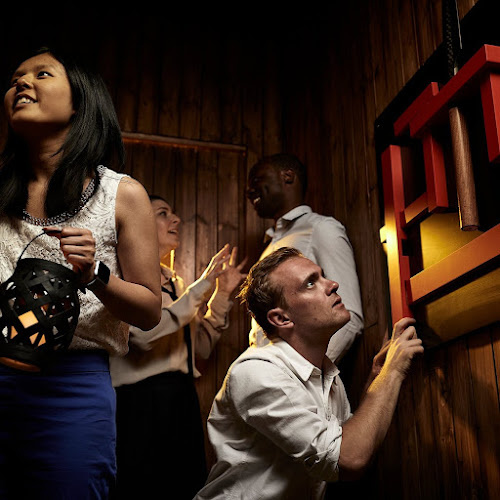
Ingenious Escape Rooms - Bakersfield Stockdale
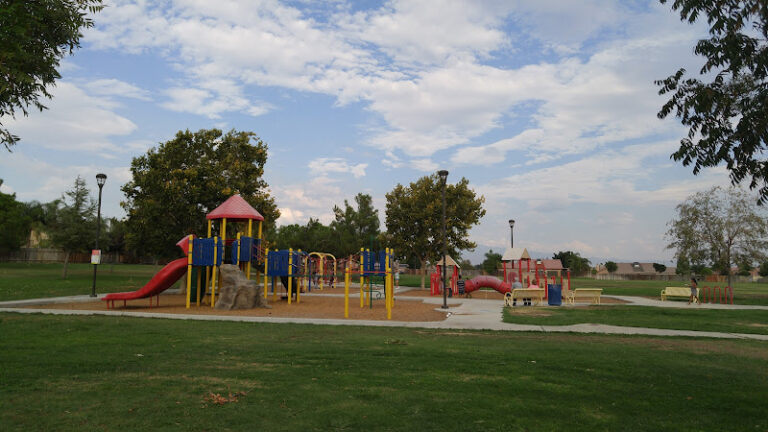
North Meadows Park

Yokuts Park
Find Accommodations Nearby
Recommended Tours & Activities
Visitor Reviews
There are no reviews yet. Be the first one to write one.
Share Your Experience
Have you visited Kern County Museum? Help other travelers by leaving a review.