About California Living Museum (CALM)

Description

The California Living Museum sits in Bakersfield as one of those rare places that actually lives up to its mission statement without trying too hard to impress anyone. And honestly, that's what makes it special. This isn't your typical massive zoo where you'll walk fifteen miles just to see a penguin exhibit. Instead, CALM focuses exclusively on California's native wildlife and plants, which means every animal and plant you encounter here could theoretically be living somewhere in the wild parts of the Golden State right now. I've always thought there's something deeply satisfying about visiting a place that celebrates local ecology rather than importing exotic species from halfway around the world. The museum operates as both a zoo and a rehabilitation center, which gives it a different energy than your standard tourist trap. Many of the animals here can't be released back into the wild due to injuries or other circumstances, so they've found a permanent home where they can educate visitors about California's incredible biodiversity. The facility sprawls across enough space to feel natural without being overwhelming. You'll find yourself wandering through exhibits that showcase everything from the coastal regions to the high desert, from mountain habitats to valley ecosystems. It's like taking a condensed tour of California's ecological zones without spending weeks driving up and down the state. The reptile house alone houses dozens of species that call California home, and the botanical gardens showcase native plants that have adapted to survive in one of the most climatically diverse states in the country. What really gets me about CALM is how it manages to be educational without being preachy. You learn about conservation naturally, just by seeing these animals and understanding their stories. The staff and volunteers genuinely care about what they're doing, and it shows in how they maintain the exhibits and interact with visitors.

Key Features

The California Living Museum packs quite a bit into its grounds, and each feature serves a purpose beyond just entertainment. Here's what makes this place worth your time:
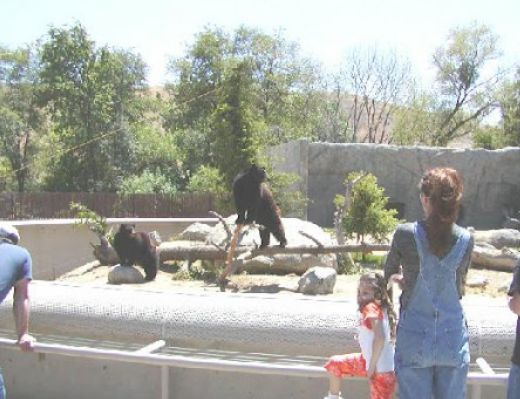
  • Native California Wildlife Collection: Black bears, mountain lions, foxes, bobcats, and eagles represent just the beginning of what you'll encounter. These are animals you hope you never accidentally meet on a hiking trail but definitely want to see up close in a safe environment.
  • Reptile House: California has more reptile species than most people realize, and this climate-controlled building houses rattlesnakes, lizards, tortoises, and other scaled creatures that often get overlooked in favor of furrier animals.
  • Birds of Prey Exhibits: The raptors here are absolutely magnificent. Seeing a golden eagle or a red-tailed hawk this close really drives home just how powerful these birds are.
  • Petting Zoo Area: Kids can interact with some of the gentler residents, which provides a hands-on experience that makes the visit memorable for younger travelers.
  • Botanical Gardens: Native California plants get their moment to shine here. You'll see species adapted to desert conditions right alongside plants that thrive in riparian zones.
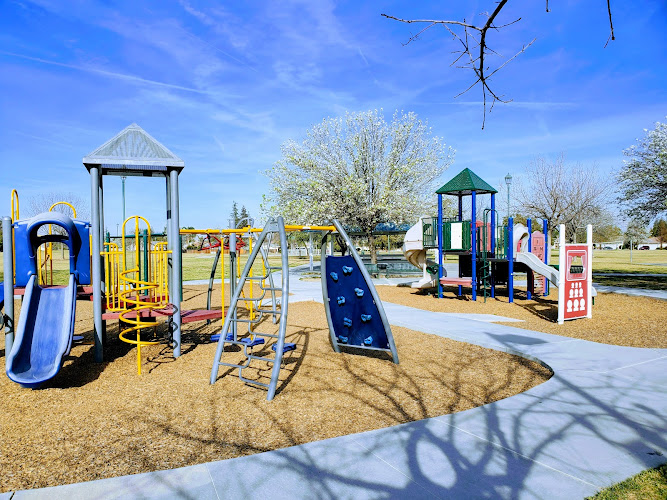
  • Playground Facilities: Because sometimes kids need to just be kids for a bit, there's a playground where they can burn off energy between exhibits.
  • Gift Shop: Actually stocked with quality items related to California wildlife rather than generic tourist merchandise nobody wants.
  • Rehabilitation Stories: Many animals have informative signs explaining their individual histories and why they can't return to the wild, which adds emotional depth to the experience.
  • Accessible Design: The entire facility caters to visitors with mobility challenges, with wheelchair-accessible pathways and entrances throughout.
  • Miniature Train: A fun little train ride that kids absolutely love and adults secretly enjoy too.

Best Time to Visit

Timing your visit to CALM makes a bigger difference than you might think. Bakersfield gets hot—like, really hot—during summer months. We're talking temperatures that regularly push past 100°F from June through September. And while the animals are adapted to California climates, you might not be adapted to standing in direct Central Valley sun for hours. I'd recommend visiting between October and April when temperatures hover in the much more comfortable 60s and 70s. The animals tend to be more active during these cooler months too, which means you'll actually see them doing interesting things rather than sleeping in the shade. Spring months from March through May are particularly beautiful because the botanical gardens come alive with blooms, and any babies born during winter will be active and adorable. Early morning visits, right when the museum opens, tend to be the best regardless of season. The animals are more active before the heat of the day sets in, and you'll beat the crowds that sometimes show up later. Weekdays generally see fewer visitors than weekends, so if you can swing a Tuesday or Wednesday visit, you'll have more space to explore at your own pace. Winter visits have their own charm. The cooler weather means you can spend more time at each exhibit without feeling rushed to find shade or air conditioning. But be aware that Bakersfield can get occasional rain during winter months, so check the forecast and bring appropriate clothing. Avoid major holidays and summer weekends if possible. The museum's relatively small size compared to major zoos means it can feel crowded when lots of families descend at once. Birthday party season (basically all of spring) can also mean lots of excited kids running around, which is either charming or exhausting depending on your mood and traveling companions.

How to Get There

Getting to the California Living Museum requires a bit of planning since Bakersfield isn't exactly on everyone's standard California itinerary. But that's part of what keeps it from being overrun with tourists. If you're driving from Los Angeles, you're looking at about a two-hour journey north on Interstate 5 or Highway 99. The 99 route takes you through more interesting scenery honestly, passing through actual California towns rather than just endless freeway. From San Francisco or other Bay Area locations, plan on about four hours heading south through the Central Valley. The museum sits on the northeast side of Bakersfield, and once you're in the city, signage makes finding it fairly straightforward. GPS will get you there without drama. Parking is free and plentiful, which immediately puts CALM ahead of many California attractions that charge more for parking than some people spend on lunch. There's no convenient public transportation directly to the museum unfortunately. Bakersfield's public transit system exists but isn't designed for tourist attractions. You'll really need a car for this one. Ride-sharing services work, but you'll want to schedule your pickup carefully since the museum isn't in an area with cars constantly driving by. For travelers flying into California specifically to explore the Central Valley (rare but not unheard of), Bakersfield's Meadows Field Airport handles flights from major hubs. Most visitors though will fly into Los Angeles or San Francisco and make CALM part of a larger California road trip. The location makes sense as a stop between Southern and Northern California if you're doing the classic California drive. It breaks up what can otherwise be a monotonous journey through agricultural land.

Tips for Visiting

After you've decided to visit CALM, a few practical tips will help you make the most of your time there. First things first: bring sunscreen and water even during cooler months. The Central Valley sun doesn't mess around, and there's more exposed walking than you might expect. The museum has water fountains, but carrying your own bottle just makes life easier. Wear comfortable walking shoes. This isn't a paved theme park with smooth concrete everywhere. You'll encounter some uneven surfaces and will be on your feet for a couple hours minimum. And speaking of time, plan for at least two to three hours to see everything without rushing. Some people breeze through in ninety minutes, but they're missing half the experience. Bring cash for any special activities or donations, though the museum accepts cards and mobile payments for admission and gift shop purchases. The admission price is remarkably reasonable compared to major zoos, which makes this an excellent value for families traveling on a budget. If you're visiting with kids, time your visit around their natural energy levels. Cranky, tired children don't suddenly become delightful just because there are animals nearby. The playground can serve as a midpoint break where kids decompress before finishing the animal exhibits. Talk to the staff and volunteers. Seriously, these folks are walking encyclopedias of California wildlife knowledge and love sharing what they know. I've learned more from casual conversations with CALM volunteers than from reading a dozen nature guides. Don't be shy about asking questions or requesting recommendations for which exhibits to prioritize. The gift shop actually deserves a browse. Unlike typical tourist trap shops filled with cheap imports, CALM's shop stocks field guides, quality toys, and items that relate directly to California ecology. If you're into nature photography or wildlife watching, you'll find useful resources here. Pack snacks but eat them in designated areas. The museum understandably doesn't want visitors feeding animals or leaving food waste around exhibits. There aren't extensive food services onsite, so bringing your own lunch makes sense for longer visits. Photography is welcome and encouraged, but flash photography near certain animals isn't allowed. Pay attention to posted signs, and be courteous to other visitors trying to enjoy the exhibits. Nobody wants your elbow in their face while you're getting that perfect mountain lion shot. Consider membership if you're local or planning multiple visits. The annual pass pays for itself quickly and supports the museum's conservation work. Even if you're just passing through once, the small admission fee goes toward caring for animals and maintaining facilities, which feels good knowing your money supports something worthwhile. Check the museum's schedule before visiting. They occasionally host special events, educational programs, or animal feeding times that can enhance your experience. Some exhibits might be temporarily closed for maintenance or animal care, and knowing this beforehand prevents disappointment. Finally, adjust your expectations appropriately. This isn't the San Diego Zoo or Monterey Bay Aquarium. It's smaller, focused specifically on California species, and operates more modestly. But that focused mission creates an intimate, educational experience that those massive facilities can't replicate. You'll leave actually understanding California's ecosystems better rather than feeling overwhelmed by animal overload.

Key Features

  • Focus on California-native plants and animals, especially species from Kern County
  • Raptor and bird exhibits with educational presentations
  • On-site wildlife rehabilitation and conservation programs
  • Compact, stroller-friendly 14-acre layout within Kern River County Park
  • Community-oriented programming and seasonal events

More Details

Updated March 30, 2026

Description

The California Living Museum sits in Bakersfield as one of those rare places that actually lives up to its mission statement without trying too hard to impress anyone. And honestly, that’s what makes it special. This isn’t your typical massive zoo where you’ll walk fifteen miles just to see a penguin exhibit. Instead, CALM focuses exclusively on California’s native wildlife and plants, which means every animal and plant you encounter here could theoretically be living somewhere in the wild parts of the Golden State right now.

I’ve always thought there’s something deeply satisfying about visiting a place that celebrates local ecology rather than importing exotic species from halfway around the world. The museum operates as both a zoo and a rehabilitation center, which gives it a different energy than your standard tourist trap. Many of the animals here can’t be released back into the wild due to injuries or other circumstances, so they’ve found a permanent home where they can educate visitors about California’s incredible biodiversity.

The facility sprawls across enough space to feel natural without being overwhelming. You’ll find yourself wandering through exhibits that showcase everything from the coastal regions to the high desert, from mountain habitats to valley ecosystems. It’s like taking a condensed tour of California’s ecological zones without spending weeks driving up and down the state. The reptile house alone houses dozens of species that call California home, and the botanical gardens showcase native plants that have adapted to survive in one of the most climatically diverse states in the country.

What really gets me about CALM is how it manages to be educational without being preachy. You learn about conservation naturally, just by seeing these animals and understanding their stories. The staff and volunteers genuinely care about what they’re doing, and it shows in how they maintain the exhibits and interact with visitors.

Key Features

The California Living Museum packs quite a bit into its grounds, and each feature serves a purpose beyond just entertainment. Here’s what makes this place worth your time:

  • Native California Wildlife Collection: Black bears, mountain lions, foxes, bobcats, and eagles represent just the beginning of what you’ll encounter. These are animals you hope you never accidentally meet on a hiking trail but definitely want to see up close in a safe environment.
  • Reptile House: California has more reptile species than most people realize, and this climate-controlled building houses rattlesnakes, lizards, tortoises, and other scaled creatures that often get overlooked in favor of furrier animals.
  • Birds of Prey Exhibits: The raptors here are absolutely magnificent. Seeing a golden eagle or a red-tailed hawk this close really drives home just how powerful these birds are.
  • Petting Zoo Area: Kids can interact with some of the gentler residents, which provides a hands-on experience that makes the visit memorable for younger travelers.
  • Botanical Gardens: Native California plants get their moment to shine here. You’ll see species adapted to desert conditions right alongside plants that thrive in riparian zones.
  • Playground Facilities: Because sometimes kids need to just be kids for a bit, there’s a playground where they can burn off energy between exhibits.
  • Gift Shop: Actually stocked with quality items related to California wildlife rather than generic tourist merchandise nobody wants.
  • Rehabilitation Stories: Many animals have informative signs explaining their individual histories and why they can’t return to the wild, which adds emotional depth to the experience.
  • Accessible Design: The entire facility caters to visitors with mobility challenges, with wheelchair-accessible pathways and entrances throughout.
  • Miniature Train: A fun little train ride that kids absolutely love and adults secretly enjoy too.

Best Time to Visit

Timing your visit to CALM makes a bigger difference than you might think. Bakersfield gets hot—like, really hot—during summer months. We’re talking temperatures that regularly push past 100°F from June through September. And while the animals are adapted to California climates, you might not be adapted to standing in direct Central Valley sun for hours.

I’d recommend visiting between October and April when temperatures hover in the much more comfortable 60s and 70s. The animals tend to be more active during these cooler months too, which means you’ll actually see them doing interesting things rather than sleeping in the shade. Spring months from March through May are particularly beautiful because the botanical gardens come alive with blooms, and any babies born during winter will be active and adorable.

Early morning visits, right when the museum opens, tend to be the best regardless of season. The animals are more active before the heat of the day sets in, and you’ll beat the crowds that sometimes show up later. Weekdays generally see fewer visitors than weekends, so if you can swing a Tuesday or Wednesday visit, you’ll have more space to explore at your own pace.

Winter visits have their own charm. The cooler weather means you can spend more time at each exhibit without feeling rushed to find shade or air conditioning. But be aware that Bakersfield can get occasional rain during winter months, so check the forecast and bring appropriate clothing.

Avoid major holidays and summer weekends if possible. The museum’s relatively small size compared to major zoos means it can feel crowded when lots of families descend at once. Birthday party season (basically all of spring) can also mean lots of excited kids running around, which is either charming or exhausting depending on your mood and traveling companions.

How to Get There

Getting to the California Living Museum requires a bit of planning since Bakersfield isn’t exactly on everyone’s standard California itinerary. But that’s part of what keeps it from being overrun with tourists.

If you’re driving from Los Angeles, you’re looking at about a two-hour journey north on Interstate 5 or Highway 99. The 99 route takes you through more interesting scenery honestly, passing through actual California towns rather than just endless freeway. From San Francisco or other Bay Area locations, plan on about four hours heading south through the Central Valley.

The museum sits on the northeast side of Bakersfield, and once you’re in the city, signage makes finding it fairly straightforward. GPS will get you there without drama. Parking is free and plentiful, which immediately puts CALM ahead of many California attractions that charge more for parking than some people spend on lunch.

There’s no convenient public transportation directly to the museum unfortunately. Bakersfield’s public transit system exists but isn’t designed for tourist attractions. You’ll really need a car for this one. Ride-sharing services work, but you’ll want to schedule your pickup carefully since the museum isn’t in an area with cars constantly driving by.

For travelers flying into California specifically to explore the Central Valley (rare but not unheard of), Bakersfield’s Meadows Field Airport handles flights from major hubs. Most visitors though will fly into Los Angeles or San Francisco and make CALM part of a larger California road trip.

The location makes sense as a stop between Southern and Northern California if you’re doing the classic California drive. It breaks up what can otherwise be a monotonous journey through agricultural land.

Tips for Visiting

After you’ve decided to visit CALM, a few practical tips will help you make the most of your time there. First things first: bring sunscreen and water even during cooler months. The Central Valley sun doesn’t mess around, and there’s more exposed walking than you might expect. The museum has water fountains, but carrying your own bottle just makes life easier.

Wear comfortable walking shoes. This isn’t a paved theme park with smooth concrete everywhere. You’ll encounter some uneven surfaces and will be on your feet for a couple hours minimum. And speaking of time, plan for at least two to three hours to see everything without rushing. Some people breeze through in ninety minutes, but they’re missing half the experience.

Bring cash for any special activities or donations, though the museum accepts cards and mobile payments for admission and gift shop purchases. The admission price is remarkably reasonable compared to major zoos, which makes this an excellent value for families traveling on a budget.

If you’re visiting with kids, time your visit around their natural energy levels. Cranky, tired children don’t suddenly become delightful just because there are animals nearby. The playground can serve as a midpoint break where kids decompress before finishing the animal exhibits.

Talk to the staff and volunteers. Seriously, these folks are walking encyclopedias of California wildlife knowledge and love sharing what they know. I’ve learned more from casual conversations with CALM volunteers than from reading a dozen nature guides. Don’t be shy about asking questions or requesting recommendations for which exhibits to prioritize.

The gift shop actually deserves a browse. Unlike typical tourist trap shops filled with cheap imports, CALM’s shop stocks field guides, quality toys, and items that relate directly to California ecology. If you’re into nature photography or wildlife watching, you’ll find useful resources here.

Pack snacks but eat them in designated areas. The museum understandably doesn’t want visitors feeding animals or leaving food waste around exhibits. There aren’t extensive food services onsite, so bringing your own lunch makes sense for longer visits.

Photography is welcome and encouraged, but flash photography near certain animals isn’t allowed. Pay attention to posted signs, and be courteous to other visitors trying to enjoy the exhibits. Nobody wants your elbow in their face while you’re getting that perfect mountain lion shot.

Consider membership if you’re local or planning multiple visits. The annual pass pays for itself quickly and supports the museum’s conservation work. Even if you’re just passing through once, the small admission fee goes toward caring for animals and maintaining facilities, which feels good knowing your money supports something worthwhile.

Check the museum’s schedule before visiting. They occasionally host special events, educational programs, or animal feeding times that can enhance your experience. Some exhibits might be temporarily closed for maintenance or animal care, and knowing this beforehand prevents disappointment.

Finally, adjust your expectations appropriately. This isn’t the San Diego Zoo or Monterey Bay Aquarium. It’s smaller, focused specifically on California species, and operates more modestly. But that focused mission creates an intimate, educational experience that those massive facilities can’t replicate. You’ll leave actually understanding California’s ecosystems better rather than feeling overwhelmed by animal overload.

Key Highlights

  • Focus on California-native plants and animals, especially species from Kern County
  • Raptor and bird exhibits with educational presentations
  • On-site wildlife rehabilitation and conservation programs
  • Compact, stroller-friendly 14-acre layout within Kern River County Park
  • Community-oriented programming and seasonal events

Location

Places to Stay Near California Living Museum (CALM)

Find and Book a Tour

Explore More Travel Guides

No reviews found! Be the first to review!

California Living Museum (CALM) is a prominent attractions located in Bakersfield.

Visit us at: 10500 Alfred Harrell Hwy, Bakersfield, CA 93306.

Traveler Reviews for California Living Museum (CALM)

There are no reviews yet. Be the first one to write one.

Share Your Experience

Have you visited California Living Museum (CALM)? Help other travelers by sharing your review.

Nearby Attractions

Kern River County Park / Kern River recreation areas Hart Park Bakersfield Museum of Art or other downtown Bakersfield attractions (short drive)

Find Accommodations Nearby

Recommended Tours & Activities

Visitor Reviews

There are no reviews yet. Be the first one to write one.

Share Your Experience

Have you visited California Living Museum (CALM)? Help other travelers by leaving a review.