
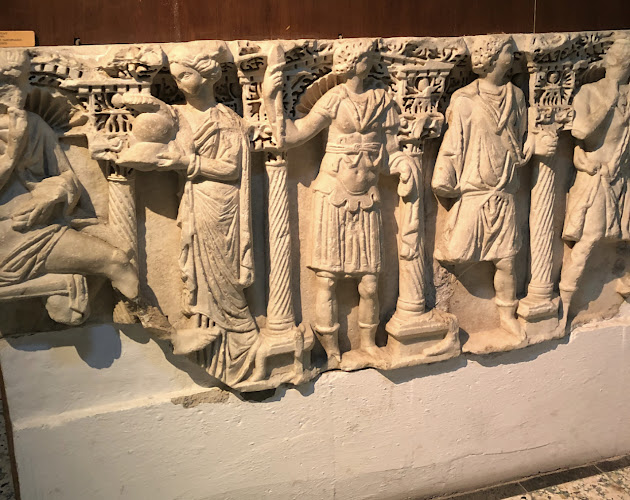
Karaman Museum
About Karaman Museum
Description
Karaman Museum—now here is a spot I never get tired of visiting when traveling around central Türkiye. It’s the kind of museum that may not shout the loudest on your itinerary, but when you walk through its doors, you’ll get swept up in the sheer size of the local history and just how much has gone down in this city’s carved-out corners. If you’re the type who loves hunting for traces of bygone civilizations, culture layered upon culture, and quirky objects that seem to whisper stories to anyone willing to listen, you’ll find a certain magic in Karaman Museum.
The museum is located right in the heart of the city—just a stone’s throw from other key sites, making it a perfect pit stop for curious wanderers. It’s honestly a bit of a time capsule, with exhibits that stretch all the way from the Paleolithic era, through the bustling days of the Roman, Byzantine, Seljuk, and Ottoman periods, and right up to the not-so-distant past. And while the building itself isn’t one of those palatial museum complexes you might see in Istanbul, its straightforward, accessible design makes spending a couple of hours here genuinely relaxed and rewarding.
One of the first things I appreciated—the museum doesn’t try to overwhelm. The flow feels organic: you start with the archaeological finds, get swept along by ancient tools and curious glass, wander through weaponry and coins, and end up amongst textiles and everyday items that feel almost touchable, like they belong to a neighbor you’ve somehow never met. It’s ideal for anyone interested in getting to grips with the region’s story without pages of dry text.
For families or solo travelers, it hits a lovely sweet spot: it’s good for kids, and the accessibility options are on point (wheelchair-friendly entrance and restrooms really do make a difference, speaking from family experience). There’s no restaurant on site, so grab a bite before or after, but restrooms are available, which is always a plus when exploring with kids, or, let’s be honest, after one too many cups of Turkish tea.
My honest take? You get a museum with genuine heart—sometimes the exhibits feel a bit dated, but the staff’s pride in Karaman’s past is contagious. And you’ll actually leave with an understanding of how everyday life ticked along here through centuries. A solid choice for travelers who want real substance and a slice of the city’s living history.
Key Features
- Extensive archaeological collections: Objects dating from the Paleolithic age, with highlights from the Bronze, Hittite, Phrygian, Urartu, Roman, Byzantine, Seljuk and Ottoman periods. You won’t believe the detail in some of these ancient pieces—a bronze spearhead here, a delicate glass amulet there. It’s a crash course in Anatolia’s civilizations.
- Ethnographic displays: The museum does a fantastic job of showing Turkish daily life, with costumes, carpets, weapons, and handcrafted household items. I honestly lingered among the textiles—I love seeing how little details in embroidery carry meaning!
- Accessible layout: It’s easy to get around for strollers and wheelchairs, with step-free entry and accessible restrooms. Not every Turkish museum is this thoughtful.
- Artifacts from Manazan Caves: Some of the coolest, most peculiar finds come from these local caves, including well-preserved pieces of clothing and items that’ll make you realize people really haven’t changed all that much.
- Kids welcome: The museum design encourages curiosity. On my last visit, a group of schoolkids was all wide-eyed at a section on ancient coins. It’s hands-on enough to keep them entertained for a good chunk of time.
- Central location in Karaman city center: No trek to the city’s outskirts. The museum is within walking distance of Karaman Castle, Aktekke Mosque, and other historical sites, making it easy to build your own local history loop.
- Stone stelae and architectural salvage in the courtyard: The outdoor garden area isn’t huge, but it’s packed with Roman and Byzantine ruins—steles, sarcophagi, and fragments of old monuments. Don’t rush through it.
- Fair admission price: It remains one of the most affordable ways to dive into the city’s culture, compared to bustling big-city museums in Turkey.
Best Time to Visit
If I had to pick, I’d say late spring through early autumn is the best time for a Karaman Museum visit, especially if you want to wander around the surrounding city center. Why? Daytime temperatures are just right—mild enough to stroll comfortably, and the museum’s cool interior is a real treat if you need a break from the Anatolian sun. But even in winter, the museum remains a top option since sightseeing at the castle or outer ruins can be bracing, to put it politely.
Karaman itself isn’t overrun with tourists in any season, so you’ll rarely find huge crowds at the museum. If you do want it quieter, weekdays beat weekends, particularly in the morning or mid-afternoon. I’ve ducked in to escape both the summer heat and a few dramatic thunderclouds—both times, I ended up spending twice as long as I meant to, which is always a sign of a good museum.
Time your trip to coincide with a stroll through the old town or a local food festival and you’ll get even more bang for your buck.
How to Get There
Karaman Museum is located right in the pulse of Karaman city. Anyone who’s traveled by bus or train across central Anatolia knows these city centers aren’t always clearly marked—but in Karaman, most roads eventually lead back to the heart of town. If you’re arriving by intercity bus or Turkish rail, the museum is a short taxi or dolmuş (minibus) ride from the main terminals.
For those already in the city—maybe you decided to check out Karaman Castle first (which you should, by the way!)—you can easily walk here in less than 10 minutes, following the main thoroughfare. Walking is probably faster than looking for parking, honestly, as central Karaman does get busy.
For drivers, there’s a wheelchair-accessible parking lot, a detail I appreciate because when my ankle was in a brace after a Konya hiking mishap, step-free access was a lifesaver. Parking can be a bit tight during the midday rush, so plan for a possible stroll.
If you’re staying in one of the small guesthouses, just ask your host—they’ll likely draw you a map or even walk you down themselves. Turkish hospitality at its finest!
Tips for Visiting
- Bring your curiosity. Some of the best discoveries are in the small details—a coin with an unusual stamp, a centuries-old piece of cloth, or the odd tool that’s been smoothed by hands long gone. Take your time, and don’t rush; Karaman’s history deserves more than a quick glance.
- Study the local context. Many artifacts reference the everyday life and history of Karaman city and the central Anatolia region. If you brush up on a few key moments in Karaman history (the spread of the Turkish language, say, or the rise and fall of old empires), you’ll appreciate the exhibits much more.
- Don’t skip the outdoor garden. Some visitors overlook the courtyard, but it’s actually one of the most evocative spaces—Roman stones, weathered mosaics, and fragments from the city’s various eras, nearly every step has a story.
- Check accessibility needs ahead of time. The museum is wheelchair-friendly and manageable for strollers, but the area around can get crowded. Plan for rest stops—café culture is strong here, and there are great places for Turkish tea nearby.
- Photograph wisely. Check the local rules for photography. While most of the museum is open for photos, flash is discouraged to protect delicate artifacts. If you’re unsure, just ask—staff are friendly and will usually offer the best photo spots, too.
- No restaurant inside—eat before or after. For me, museum visits work up an appetite. You’ll find traditional Turkish eateries around the city center. Try a local lentil soup or one of the warm bread shops close by.
- Combine with other sites. Make a day of it—pair the museum with a climb up Karaman Castle or a stroll to Aktekke Mosque (also called the Mother of Mevlana Mosque for all you Rumi fans), and you’ll get a broader picture of the culture and religious history in one go.
- Language tip: Exhibit explanations are usually in Turkish and English, but the English can be a bit direct. Having a translation app handy never hurts for deep dives.
- Go with an open mind. While parts of the museum feel a little old-school, the collections are thoughtfully curated, and the passion of those working there makes up for any minor quirks. Plus, sometimes it’s the smaller, more personal museums that let you connect to a place’s real spirit.
Key Features
- Two main exhibition halls: archaeological and ethnographic collections
- Artifacts from local archaeological sites (including Neolithic-to-classical finds)
- Garden with stone artifacts and architectural fragments
- Proximity to Hatuniye Madrasa and Karaman Castle for combined visits
- Compact, less-crowded museum offering strong regional context
Nearby Attractions
Hatuniye Madrasa (adjacent)
Karaman Castle
Central Karaman historical district and local markets
You Might Also Like

*BDT BELEK DOGA TOUR | Daily Tours, Day Trips and Excursions in Antalya*
1464. Sk. No:55
2006. Sk. No:2
Tours & Activities
GetYourGuide provides this tour inventory. We may earn a commission if you book through it; verify current availability, prices, and terms with the provider.
Visitor Reviews
There are no reviews yet. Be the first one to write one.
Share Your Experience
Have you visited Karaman Museum? Help other travelers by leaving a review.