

Kanda Josui Park
About Kanda Josui Park
Kanda Josui Park is a well-regarded park located in Shinjuku City, Japan. With a rating of 4.1 out of 5, it stands out as one of the top-rated parks in the area.
Location
You can find Kanda Josui Park at 4 Chome-37 Kitashinjuku, Shinjuku City, Tokyo 169-0074, Japan.
What to Expect
Kanda Josui Park offers visitors a chance to enjoy the natural beauty of Shinjuku City, Japan. Whether you are looking for a peaceful walk, a picnic spot, or simply a place to relax outdoors, this park provides a welcome green space.
Planning Your Visit
The park is located at 4 Chome-37 Kitashinjuku, Shinjuku City, Tokyo 169-0074, Japan. GPS coordinates: 35.708216, 139.690483. Check locally for current opening hours and any admission fees before visiting.
More Details
Updated June 4, 2026
Kanda Josui Park is a well-regarded park located in Shinjuku City, Japan. With a rating of 4.1 out of 5, it stands out as one of the top-rated parks in the area.
Table of Contents
- Location
- What to Expect
- Planning Your Visit
- Location
- Places to Stay Near Kanda Josui Park
- Find and Book a Tour
- Explore More Travel Guides
- Key Takeaways
- Key Details and Quick Facts
- What to Expect at Kanda Josui Park
- Plan Your Visit
- Best Times to Go
- How to Get There
- Insider Tips for Travelers
- Nearby Attractions and Explore More in Japan
- Frequently Asked Questions
- What’s the story behind the old canal that shaped this park, and what traces of it can you still spot today?
- Which walking route gives the best mix of scenery, historical features, and quiet corners—without needing a full day?
- Where are the most useful map points to pin (entrances, bridges, and landmarks) so you don’t miss the highlights?
- When is the best time of day or season to visit for atmosphere and photos, and what tends to surprise first-time visitors?
- What nearby places to eat are genuinely convenient on foot, and what local specialties are worth seeking out?
- How do you get there efficiently by public transit, and which station exit makes the approach easiest?
- Plan Your Trip to Kanda Josui Park
- Nearby Places You Might Like
- Traveler Reviews for Kanda Josui Park
- Share Your Experience
Location
You can find Kanda Josui Park at 4 Chome-37 Kitashinjuku, Shinjuku City, Tokyo 169-0074, Japan.
What to Expect
Kanda Josui Park offers visitors a chance to enjoy the natural beauty of Shinjuku City, Japan. Whether you are looking for a peaceful walk, a picnic spot, or simply a place to relax outdoors, this park provides a welcome green space.
Planning Your Visit
The park is located at 4 Chome-37 Kitashinjuku, Shinjuku City, Tokyo 169-0074, Japan. GPS coordinates: 35.708216, 139.690483. Check locally for current opening hours and any admission fees before visiting.
Location
Places to Stay Near Kanda Josui Park
Find and Book a Tour
Explore More Travel Guides
No reviews found! Be the first to review!
Kanda Josui Park is a riverside community park tucked between Shinjuku and Nakano wards in Tokyo. It’s best known for cherry blossom-lined walkways along the Kanda River and a quiet, almost sleepy neighborhood vibe.
The park offers you a peaceful escape from Tokyo’s crowds with walking paths, sports facilities, and some of the city’s best spring cherry blossom views—without the tourist masses. If you want to experience local Tokyo life away from the big-name attractions, this place is kind of perfect.
The Kanda River winds through the park for about 25 kilometers, starting at Inokashira Park and eventually joining the Sumida River. This waterway goes way back to the early 1600s, when the shogunate built it to bring water to Edo Castle and the neighborhoods around it.
Today, you can stroll under cherry trees, watch locals hang out by the river, or use the park’s sports courts. During spring, cherry blossoms form a tunnel of pink over the river, and you’ll see far fewer people than at places like Ueno Park or Shinjuku Gyoen.
The park stays green and pleasant all year, with trees, flowers, fountains, and little playgrounds scattered about. Getting here from central Tokyo is easy, so it’s a solid pick for a quick break or a morning walk.
Key Takeaways
- Kanda Josui Park sits along the historic Kanda River, framed by cherry blossoms and a calm, local atmosphere.
- You can visit year-round for riverside walks, sports, and seasonal views—without battling crowds.
- The park links up with other riverside spots and is easy to reach from Shinjuku and Nakano stations.
Key Details and Quick Facts
Kanda Josui Park hugs the Kanda River in the Waseda area of Shinjuku Ward, Tokyo. It’s a low-key spot with sports facilities, walking paths, and cherry blossoms in a quiet neighborhood, well away from the usual tourist hustle.
Instead of manicured gardens like Shinjuku Gyoen, this place is all about local recreation and riverside life.
Location & Access
- Address: Waseda, Shinjuku Ward (some guides mention Nakano, since it’s right on the border)
- River: Sits along the Kanda River
- Nearby: A short walk from the Kanda River Shiki-no-Michi trail
Park Features
- Well-kept walking and jogging paths
- Sports courts and fields for the community
- Playgrounds for kids
- Fountains and grassy areas
- Trees and seasonal flowers
Best Time to Visit
Cherry blossom season (late March to early April) is when locals come out for hanami picnics and flower viewing. The park’s atmosphere stays peaceful in every season, and you’ll see way fewer tourists here compared to big parks like Shinjuku Gyoen.
What Makes It Different
This is a true neighborhood park, not a tourist attraction. The vibe is laid-back and tranquil, even when the cherry blossoms are at their peak.
You’ll spot local families and solo walkers using the space for afternoon strolls or daily exercise along the river.
What to Expect at Kanda Josui Park
You’ll find a community park along the Kanda River in Tokyo’s Waseda area that mixes sports spaces with natural scenery. It’s a much quieter alternative to Tokyo’s crowded tourist parks.
The park sits right beside the river, giving you a relaxed place to walk and watch the seasons change. In spring, cherry trees line both riverbanks, forming a tunnel of pink blooms overhead.
The crowds are lighter than famous spots like Ueno or Shinjuku Gyoen, so you can actually enjoy the flowers without getting jostled.
Here’s what you’ll notice:
- Walking paths along the Kanda River
- Sports facilities for locals
- Open green spaces for picnics
- Benches and rest areas scattered throughout
- Cherry blossoms reflected in the water during bloom season
The park keeps a neighborhood feel—locals jog, walk their dogs, or just hang out. You won’t find major attractions or things like cafes or gift shops. It’s really just a green space for daily life, not a “destination” park.
The Kanda River runs through the park, and paths beside it connect to longer walking routes in the area. If you want a longer walk, you can follow the riverside trail beyond the park itself.
Plan Your Visit
Kanda Josui Park is open all day, year-round, sitting along the Kanda River at 4 Chome-37 Kitashinjuku in Shinjuku City. It’s best as a morning stroll or late afternoon stop if you’re already exploring the Shinjuku area.
Best Times to Go
Cherry blossom season (late March to early April) is when the park really shines, with rows of sakura trees blooming over the river. It gets busiest during this time, especially on weekends.
If you want space and good photos, try a weekday morning. The rest of the year, the park is still pleasant—summer brings leafy shade, fall colors show up in November, and winter is quiet (but don’t expect flowers).
Skip rainy days, since riverside paths can get slick. Early mornings before 9 AM are the calmest, no matter the season.
How to Get There
Take the Toei Oedo Line to Higashi-Nakano Station, then exit east and walk north along the river for about 8 minutes. The park stretches out along the Kanda River, so you can get in from different spots on the path.
You can also come from JR Okubo Station on the Chuo-Sobu Line—exit and walk west for roughly 10 minutes. Shinjuku Station connects to both if you’re coming from central Tokyo.
There’s no dedicated parking lot. If you’re driving, you’ll need to hunt for coin parking nearby, but honestly, public transport is way less hassle in Shinjuku.
Insider Tips for Travelers
This park is more like a riverside walking path than a classic park with amenities. Don’t expect restrooms, vending machines, or benches at every turn.
Plan bathroom breaks at train stations before you arrive. Combine your visit with the Kanda River walking trail, which stretches for several kilometers in either direction.
Locals jog here a lot, so stick to the side of the path. Bring your own snacks and drinks—no food vendors in the immediate park area, but there are convenience stores within five minutes of most entrances.
For park questions, you can call +81-3-52733914. Lighting is minimal after dark, so stick to daylight hours for safety and better river views.
Nearby Attractions and Explore More in Japan
From Kanda Josui Park, you can get to Shinjuku Station in about 15 minutes by train. That puts you close to Shinjuku Gyoen National Garden, which has classic Japanese, English, and French garden sections.
Nakano Broadway, a five-story shopping complex packed with anime and manga stores, is just a short walk away.
Areas within 30 minutes of the park:
- Inokashira Park – The Kanda River starts here, plus there’s a lake with swan boats and the Ghibli Museum.
- Ryugoku Bridge area – Where the Kanda River meets the Sumida River, surrounded by old neighborhoods.
- Edogawa Park – Another riverside spot along the Kanda River, good for cherry blossom viewing.
You can cycle the whole Kanda River from Inokashira Park to the Sumida River—about 25 kilometers, passing through neighborhoods most tourists never see.
The Tokyo Metropolitan Government Office in Shinjuku has free observation decks on the 45th floor, open late and offering city views. It’s in Shinjuku’s western district, not far from the same train lines that serve Kanda Josui Park.
Nakano Station connects you to central Tokyo spots like Shibuya, Harajuku, and Tokyo Station in under 30 minutes. So if you’re staying nearby, the park is a practical base for exploring Tokyo, but with a much quieter feel.
Frequently Asked Questions
Here are some practical details about visiting Kanda Josui Park—history, best walking routes, transit, and where to eat nearby.
What’s the story behind the old canal that shaped this park, and what traces of it can you still spot today?
The Kanda River flows through this park as part of Tokyo’s historic water system, built back in the Edo period to supply drinking water and control floods. You can still see stone embankments along the riverside path, though a lot of the original canal has been reinforced or rebuilt over the years.
The park’s layout follows the river’s curve. Cherry trees along both banks show where people have gathered for centuries during spring festivals and floods.
Look for the Kanda River Monument near the water’s edge for a bit of historical background on the canal’s impact in Shinjuku and Nakano.
Which walking route gives the best mix of scenery, historical features, and quiet corners—without needing a full day?
Start at the eastern entrance near Waseda, then walk west along the southern bank for about a kilometer. It’s a 20-30 minute stroll that takes you past fountains, playgrounds, and tree-lined bends.
You can cross any of the small bridges to loop back on the opposite bank for a different view. The north path is usually quieter and shadier in summer.
You’ll pass sports facilities and open lawn areas along the way. The whole circuit is under an hour if you take it easy.
Where are the most useful map points to pin (entrances, bridges, and landmarks) so you don’t miss the highlights?
Pin the main entrance at the park’s intersection with the Kanda River near Higashi-Nakano Station for easy access. Mark the bridges that cross the river every 200-300 meters—those are good for orientation and photos.
Yoroi Shrine and Enshoji Temple are just outside the park’s western edge; pin those if you want to explore the neighborhood or get some local culture.
The playground and fountain are in the middle section—handy meeting spots if you’re with friends.
When is the best time of day or season to visit for atmosphere and photos, and what tends to surprise first-time visitors?
Late March to early April is peak cherry blossom time, usually the first week of April depending on the year’s weather. Early mornings before 8 AM have the best light for photos and the fewest people—even during sakura season.
Summer brings lots of green and cool shade. Fall colors show up around mid-November.
First-timers are often surprised by how quiet the park feels, considering it’s so close to busy train stations. The long, narrow shape along the river creates cozy corners instead of big open lawns.
What nearby places to eat are genuinely convenient on foot, and what local specialties are worth seeking out?
Higashi-Nakano Station’s area has ramen shops and family restaurants within five minutes of the park’s east entrance. Atre Vie Higashi Nakano, a small shopping center at the station, has quick restaurants and a food court.
Kiliku Coffee Bar is about a 10-minute walk away and serves coffee and light meals. For more options, head to the Nakano district—about 15 minutes on foot—for izakayas and sushi spots.
This neighborhood isn’t known for a specific local dish, so you’ll mostly find standard Tokyo fare instead of anything super unique.
How do you get there efficiently by public transit, and which station exit makes the approach easiest?
Higashi-Nakano Station on the JR Chuo-Sobu Line puts you closest to the park’s main gate. It’s just a quick 3-minute walk if you use the west exit.
This station’s also connected to the Toei Oedo subway line, which is handy if you’re coming from another part of Tokyo. Take the west exit, wander toward the Kanda River, and you’ll spot the park’s tree line pretty much right away.
Nakano Station on the JR Chuo Line is about 15 minutes west on foot. It’s a bigger hub, so you get more transfer options, including the Tokyo Metro Tozai Line.
If you’re coming from Waseda Station on the Tokyo Metro Tozai Line, it’s a southbound walk—expect 8 to 10 minutes—to hit the park’s eastern side.
Plan Your Trip to Kanda Josui Park
Traveler Reviews for Kanda Josui Park
There are no reviews yet. Be the first one to write one.
Have you visited Kanda Josui Park? Help other travelers by sharing your review.
You Might Also Like

Old Goryo-tei (Taiwan Pavilion)

Taisō-ji
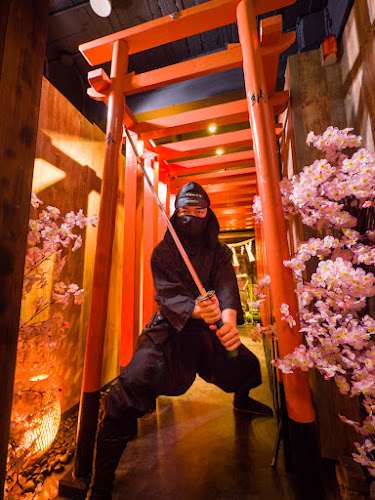
Ninja Trick House In Tokyo
Find Accommodations Nearby
Recommended Tours & Activities
Visitor Reviews
There are no reviews yet. Be the first one to write one.
Share Your Experience
Have you visited Kanda Josui Park? Help other travelers by leaving a review.