

Kalinchowk Bhagawati Temple
About Kalinchowk Bhagawati Temple
Perched high at an altitude of 3,842 meters, the Kalinchowk Bhagawati Temple is not your everyday temple visit. This mountaintop Hindu shrine in Nepal’s Dolakha District has a vibe that’s part spiritual haven, part adventure playground. And honestly, it feels like a secret that’s just waiting for you to uncover it—if you’re up for a bit of a trek or a scenic cable car ride. The temple honors Goddess Bhagawati and draws pilgrims and travelers alike who come seeking blessings, breathtaking mountain views, and a slice of tranquility far from the city buzz.
What’s truly captivating is how the temple blends raw natural beauty with cultural depth. Imagine standing there, surrounded by snow-capped peaks, the crisp mountain air filling your lungs, and the chants of devotees echoing softly. It’s a moment that sticks with you. The path up can be a mix of challenge and charm, with rugged trails that test your stamina but reward you with stunning panoramas. For those who prefer a less sweaty approach, the cable car offers a smooth ride that still doesn’t skimp on the views.
Don’t expect a flashy tourist trap here. Kalinchowk Bhagawati Temple keeps it real with modest but essential amenities, including restrooms, which is a relief when you’re up in the hills. The local community’s efforts to maintain the temple and its surroundings add a genuine, heartfelt touch that you can’t fake. It’s a place where spirituality, nature, and culture intersect in a way that feels personal and profound.
Key Features
- Located at a lofty 3,842 meters, offering panoramic views of the Himalayas
- Access via a cable car or a trekking trail, catering to both casual visitors and adventure seekers
- Dedicated to Goddess Bhagawati, an important deity in Hinduism, making it a significant pilgrimage site
- Part of the Gaurishankar Conservation Area, surrounded by pristine natural beauty and wildlife
- Facilities include basic amenities like restrooms, ensuring a comfortable visit despite the remote location
- Popular during winter for snow-covered landscapes, turning the area into a magical winter wonderland
- Close proximity to the origins of two major rivers, Sun Kosi and Tama Kosi, adding geographical interest
- Community-driven conservation and tourism initiatives help preserve the temple’s spiritual and natural legacy
Best Time to Visit
Picking the right time to visit Kalinchowk Bhagawati Temple depends a lot on what you’re after. If snow-capped mountains and a winter wonderland are your thing, then the colder months from December to February are pure magic. The temple and surrounding hills get blanketed in snow, and the atmosphere turns almost surreal. Just be prepared for chilly weather and pack accordingly—layers are your best friend here.
On the flip side, if you prefer clearer skies and easier trekking conditions, the spring months (March to May) and autumn (September to November) are ideal. The weather is generally stable, the views are crisp, and the trails are less slippery. Plus, these seasons avoid the monsoon rains that can make the journey tricky and the roads muddy. Honestly, I once tried visiting during the monsoon, and while the greenery was lush, the slippery paths and occasional landslides made it less enjoyable.
Also, consider timing your visit around local festivals or religious events if you want to soak in the cultural vibe. The temple gets especially lively during certain Hindu celebrations, with vibrant rituals and a palpable energy that’s worth experiencing firsthand.
How to Get There
Getting to Kalinchowk Bhagawati Temple is part of the adventure, and it’s not as straightforward as hopping on a city bus. Most travelers start from Kathmandu, which is about 150 kilometers away. From there, it’s a drive to Kalinchowk Rural Municipality in Dolakha District. The road trip itself is scenic but winding, so buckle up and enjoy the ride—though if you’re prone to motion sickness, bring some ginger candies or whatever works for you.
Once you reach the base area, you’ve got two main options to reach the temple summit. The first is the cable car, which is a game-changer if you want to save your legs or just enjoy a bird’s eye view of the valley. It’s a smooth, swift ride that’s surprisingly affordable and offers plenty of photo ops. Just a heads-up: the cable car can get busy during peak seasons, so arriving early helps avoid long waits.
If you’re feeling adventurous (or just want to burn off some of that momos you had earlier), the trekking trail is the way to go. It’s a moderately challenging hike that takes you through forests, small villages, and open ridges. Along the way, you’ll get to experience local life and maybe even share a smile or two with friendly villagers. The trail is well-marked, but good hiking shoes and a decent fitness level are a must.
Tips for Visiting
Alright, here’s where I get a bit personal because I’ve been there, done that, and learned a thing or two the hard way. First off, don’t underestimate the altitude. At nearly 4,000 meters, the air is thinner and the sun is stronger. Hydrate like it’s your job, take it slow, and listen to your body. Altitude sickness is no joke, and it can turn what should be an amazing trip into a nightmare.
Weather can be unpredictable, especially if you’re trekking. Layers are essential—think thermal wear, a waterproof jacket, and a hat. And trust me, gloves and a scarf aren’t just for show in the winter months. If you’re visiting in winter, crampons or good grip shoes make a huge difference on icy trails.
Respect the local customs and the sanctity of the temple. Dress modestly (cover shoulders and knees), and be mindful during prayer times. Photography is usually allowed, but avoid snapping pictures of people without permission—locals appreciate respect and kindness.
Finally, don’t forget to carry some cash. This place isn’t exactly flush with ATMs, and small vendors or guides will appreciate it. Also, consider hiring a local guide if you want to dive deeper into the temple’s history and the surrounding culture. They’re often full of fascinating stories and can enhance your experience way beyond the usual tourist spiel.
And hey, don’t rush. Take your time soaking in the views, chatting with locals, or just sitting quietly in the temple’s peaceful aura. It’s one of those places where the journey is as rewarding as the destination itself.
Key Features
- Located at a lofty 3,842 meters, offering panoramic views of the Himalayas
- Access via a cable car or a trekking trail, catering to both casual visitors and adventure seekers
- Dedicated to Goddess Bhagawati, an important deity in Hinduism, making it a significant pilgrimage site
- Part of the Gaurishankar Conservation Area, surrounded by pristine natural beauty and wildlife
- Facilities include basic amenities like restrooms, ensuring a comfortable visit despite the remote location
- Popular during winter for snow-covered landscapes, turning the area into a magical winter wonderland
- Close proximity to the origins of two major rivers, Sun Kosi and Tama Kosi, adding geographical interest
- Community-driven conservation and tourism initiatives help preserve the temple’s spiritual and natural legacy
You Might Also Like
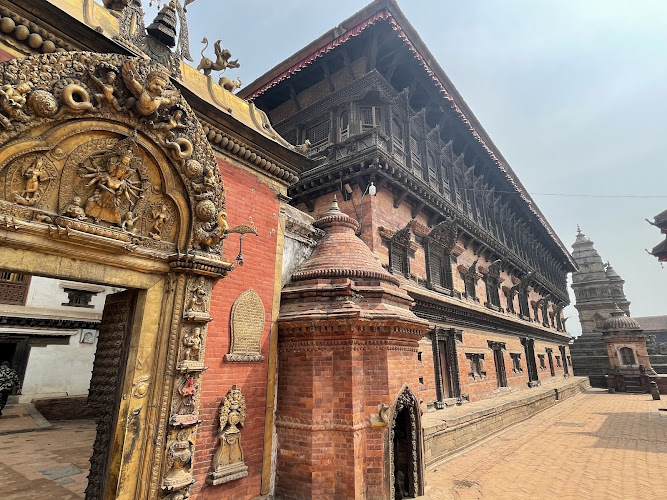
55 Window Palace
63 Satdobato-Godavari Rd
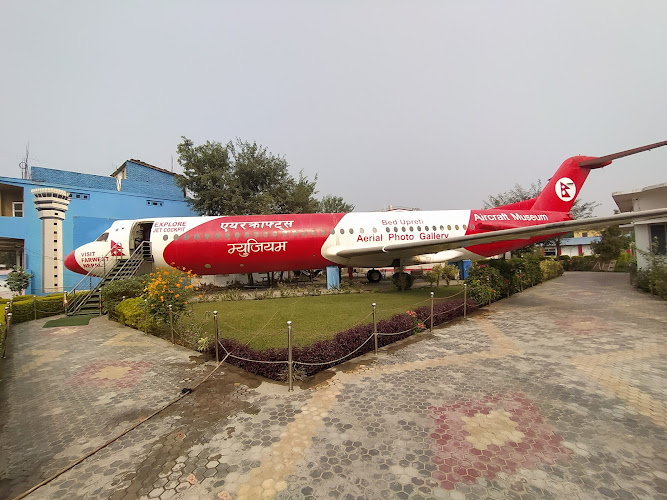
Aircraft Museum
Tours & Activities
GetYourGuide provides this tour inventory. We may earn a commission if you book through it; verify current availability, prices, and terms with the provider.
Visitor Reviews
There are no reviews yet. Be the first one to write one.
Share Your Experience
Have you visited Kalinchowk Bhagawati Temple? Help other travelers by leaving a review.