
Juba
About Juba
Description
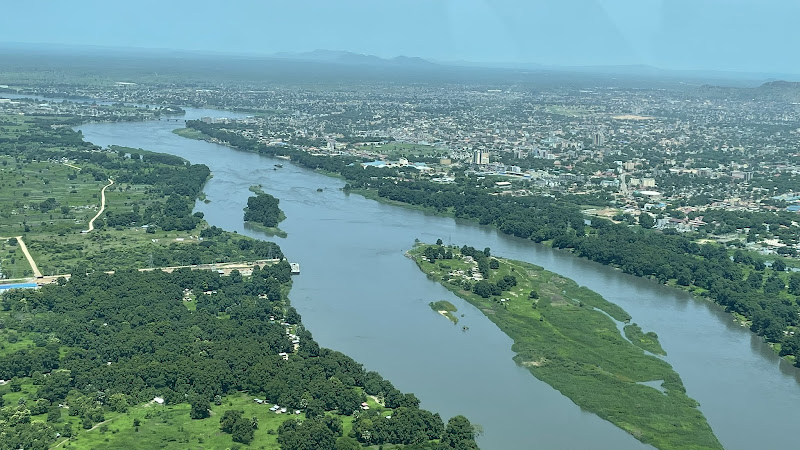
Juba, the capital of South Sudan, sits quietly yet confidently on the banks of the White Nile—a river that feels almost like the city’s lifeline. It’s a place that’s still finding its rhythm after years of change, but there’s something magnetic about it. You can feel that sense of raw potential in the air, mixed with the hum of motorbikes, the chatter of markets, and the occasional call to prayer echoing over the water. I remember the first time I saw the Nile from Juba Bridge—it wasn’t glamorous, but it was real. The sun dipped low, painting the river gold, and for a moment, the whole city seemed to pause.
What makes Juba fascinating isn’t fancy architecture or polished tourist attractions—it’s the authenticity of life here. The streets are dusty, yes, but they’re alive with energy. Locals gather in open-air cafes sipping tea or strong coffee, and children play football in the late afternoon sun. There’s a rhythm to the place that draws you in, even if it takes a little patience to understand it. It’s a city that rewards curiosity and an open heart.
Despite its challenges, Juba is an emerging hub for travelers who want to experience Africa’s youngest nation firsthand. You’ll find a mix of cultures here—Arabic, African, and even a touch of Western influence—creating a mosaic that’s unlike anywhere else in East Africa. The city may not have a long list of tourist sites, but what it lacks in monuments, it makes up for in stories, people, and the powerful sense of perseverance that defines South Sudan itself.
Key Features
- White Nile River: The heart of Juba’s identity, offering boat rides, fishing opportunities, and peaceful riverside views.
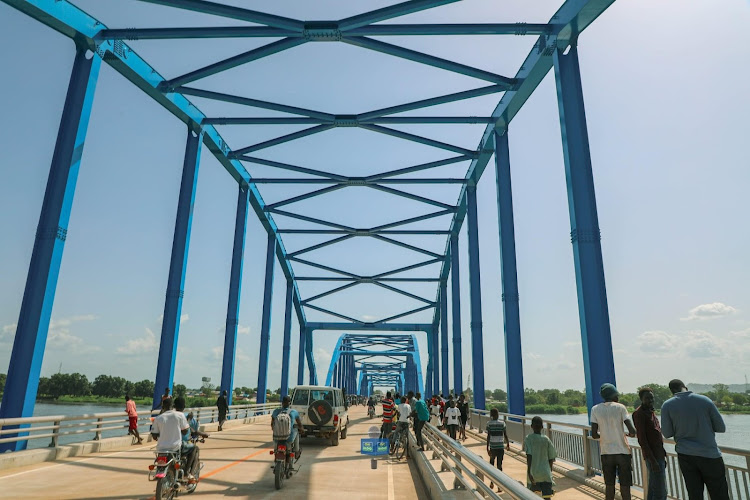
- Juba Bridge: A vital connection across the Nile, often buzzing with local life and activity.
- Local Markets: Konyo Konyo Market is chaotic but full of color, scents, and sounds that capture the essence of daily life.
- Cultural Diversity: A melting pot of ethnic groups and languages that reflect South Sudan’s complex history and identity.
- Emerging Food Scene: From grilled tilapia by the river to spicy stews and injera-inspired dishes, the local cuisine tells its own story.
- Hospitality: Despite hardships, locals are warm, welcoming, and eager to share their city’s evolving story with visitors.
- Scenic Sunsets: The light over the Nile at dusk is something you won’t forget—soft, golden, and strangely peaceful.
Best Time to Visit
If you’re planning a trip to Juba, timing really matters. The best months to visit are usually between December and March when the weather is dry, and the roads are more manageable. During this period, temperatures hover around 30°C (86°F), which is warm but bearable with a hat and plenty of water.
The rainy season, from May to October, can be unpredictable. Roads often become muddy, and travel outside the city can get tricky. But if you don’t mind a few showers, the landscape turns lush and green, especially around the Nile. I actually love that time of year—the smell of wet earth after a storm is oddly comforting. Just pack accordingly and keep your plans flexible.
For photographers, the dry season offers clearer skies and golden light, perfect for capturing the city’s earthy tones and river views. And if you’re the kind who enjoys local festivals or cultural events, keep an eye out for independence celebrations in July—there’s a sense of pride and hope that fills the air.
How to Get There
Reaching Juba is easier than it used to be, though still an adventure in itself. The main entry point is Juba International Airport, which connects to several regional hubs like Nairobi, Addis Ababa, and Entebbe. Flights can be pricey, so it’s worth booking early or checking with local carriers.
Once you land, expect a bit of organized chaos at the airport—customs might take a while, and baggage handling can be unpredictable, but it’s part of the experience. Taxis and private transfers are available right outside, though it’s best to arrange transport through your hotel or a trusted contact.
If you’re traveling overland (and feeling adventurous), routes from Uganda or Kenya are possible, but the journey can be long and rough. Roads are improving, but conditions vary depending on the season. Personally, I’d say flying is the most practical and comfortable choice, especially if it’s your first time visiting.
Tips for Visiting
Traveling to Juba isn’t like visiting a polished tourist destination—it’s raw, unpredictable, and wonderfully real. To make the most of your trip, a few things are worth keeping in mind:
- Visas and Permits: You’ll need a visa to enter South Sudan. Check the latest requirements before traveling, as they can change quickly.
- Safety and Awareness: While Juba is generally calm, it’s wise to stay informed about local conditions. Avoid walking alone at night and always follow local advice.
- Money Matters: Cash is king here. ATMs are limited, and credit cards aren’t widely accepted, so bring enough USD (preferably newer notes).
- Local Etiquette: Dress modestly, especially in public spaces. Taking photos of government buildings or military sites is strictly prohibited.
- Health Precautions: Bring mosquito repellent and consider vaccinations for yellow fever and typhoid. Bottled water is essential—tap water isn’t safe to drink.
- Connectivity: Internet access is improving but still spotty. Local SIM cards are cheap and useful for navigation and communication.
- Stay Curious: Don’t be afraid to talk to locals. Many speak English, and they’re often happy to share stories about life in South Sudan.
One thing I’ll say—Juba leaves an impression. It’s not a city that tries to impress you with gloss or grandeur. Instead, it quietly invites you to slow down, to listen, and to see life from a different angle. You might find yourself sipping tea beside the Nile, watching fishermen cast their nets, or chatting with a local who’s eager to tell you about their dreams for the future.
That’s the magic of Juba—it’s not what you expect, but it’s exactly what you need if you’re looking for something real. It’s a city that reminds you travel isn’t just about ticking off places—it’s about connection, perspective, and sometimes, a little bit of dust on your shoes.
Key Features
- Key Features
- Best Time to Visit
- How to Get There
- Tips for Visiting
More Details
Updated October 8, 2025
Table of Contents
Description
Juba, the capital of South Sudan, sits quietly yet confidently on the banks of the White Nile—a river that feels almost like the city’s lifeline. It’s a place that’s still finding its rhythm after years of change, but there’s something magnetic about it. You can feel that sense of raw potential in the air, mixed with the hum of motorbikes, the chatter of markets, and the occasional call to prayer echoing over the water. I remember the first time I saw the Nile from Juba Bridge—it wasn’t glamorous, but it was real. The sun dipped low, painting the river gold, and for a moment, the whole city seemed to pause.
What makes Juba fascinating isn’t fancy architecture or polished tourist attractions—it’s the authenticity of life here. The streets are dusty, yes, but they’re alive with energy. Locals gather in open-air cafes sipping tea or strong coffee, and children play football in the late afternoon sun. There’s a rhythm to the place that draws you in, even if it takes a little patience to understand it. It’s a city that rewards curiosity and an open heart.
Despite its challenges, Juba is an emerging hub for travelers who want to experience Africa’s youngest nation firsthand. You’ll find a mix of cultures here—Arabic, African, and even a touch of Western influence—creating a mosaic that’s unlike anywhere else in East Africa. The city may not have a long list of tourist sites, but what it lacks in monuments, it makes up for in stories, people, and the powerful sense of perseverance that defines South Sudan itself.
Key Features
- White Nile River: The heart of Juba’s identity, offering boat rides, fishing opportunities, and peaceful riverside views.
- Juba Bridge: A vital connection across the Nile, often buzzing with local life and activity.
- Local Markets: Konyo Konyo Market is chaotic but full of color, scents, and sounds that capture the essence of daily life.
- Cultural Diversity: A melting pot of ethnic groups and languages that reflect South Sudan’s complex history and identity.
- Emerging Food Scene: From grilled tilapia by the river to spicy stews and injera-inspired dishes, the local cuisine tells its own story.
- Hospitality: Despite hardships, locals are warm, welcoming, and eager to share their city’s evolving story with visitors.
- Scenic Sunsets: The light over the Nile at dusk is something you won’t forget—soft, golden, and strangely peaceful.
Best Time to Visit
If you’re planning a trip to Juba, timing really matters. The best months to visit are usually between December and March when the weather is dry, and the roads are more manageable. During this period, temperatures hover around 30°C (86°F), which is warm but bearable with a hat and plenty of water.
The rainy season, from May to October, can be unpredictable. Roads often become muddy, and travel outside the city can get tricky. But if you don’t mind a few showers, the landscape turns lush and green, especially around the Nile. I actually love that time of year—the smell of wet earth after a storm is oddly comforting. Just pack accordingly and keep your plans flexible.
For photographers, the dry season offers clearer skies and golden light, perfect for capturing the city’s earthy tones and river views. And if you’re the kind who enjoys local festivals or cultural events, keep an eye out for independence celebrations in July—there’s a sense of pride and hope that fills the air.
How to Get There
Reaching Juba is easier than it used to be, though still an adventure in itself. The main entry point is Juba International Airport, which connects to several regional hubs like Nairobi, Addis Ababa, and Entebbe. Flights can be pricey, so it’s worth booking early or checking with local carriers.
Once you land, expect a bit of organized chaos at the airport—customs might take a while, and baggage handling can be unpredictable, but it’s part of the experience. Taxis and private transfers are available right outside, though it’s best to arrange transport through your hotel or a trusted contact.
If you’re traveling overland (and feeling adventurous), routes from Uganda or Kenya are possible, but the journey can be long and rough. Roads are improving, but conditions vary depending on the season. Personally, I’d say flying is the most practical and comfortable choice, especially if it’s your first time visiting.
Tips for Visiting
Traveling to Juba isn’t like visiting a polished tourist destination—it’s raw, unpredictable, and wonderfully real. To make the most of your trip, a few things are worth keeping in mind:
- Visas and Permits: You’ll need a visa to enter South Sudan. Check the latest requirements before traveling, as they can change quickly.
- Safety and Awareness: While Juba is generally calm, it’s wise to stay informed about local conditions. Avoid walking alone at night and always follow local advice.
- Money Matters: Cash is king here. ATMs are limited, and credit cards aren’t widely accepted, so bring enough USD (preferably newer notes).
- Local Etiquette: Dress modestly, especially in public spaces. Taking photos of government buildings or military sites is strictly prohibited.
- Health Precautions: Bring mosquito repellent and consider vaccinations for yellow fever and typhoid. Bottled water is essential—tap water isn’t safe to drink.
- Connectivity: Internet access is improving but still spotty. Local SIM cards are cheap and useful for navigation and communication.
- Stay Curious: Don’t be afraid to talk to locals. Many speak English, and they’re often happy to share stories about life in South Sudan.
One thing I’ll say—Juba leaves an impression. It’s not a city that tries to impress you with gloss or grandeur. Instead, it quietly invites you to slow down, to listen, and to see life from a different angle. You might find yourself sipping tea beside the Nile, watching fishermen cast their nets, or chatting with a local who’s eager to tell you about their dreams for the future.
That’s the magic of Juba—it’s not what you expect, but it’s exactly what you need if you’re looking for something real. It’s a city that reminds you travel isn’t just about ticking off places—it’s about connection, perspective, and sometimes, a little bit of dust on your shoes.
Key Highlights
- Key Features
- Best Time to Visit
- How to Get There
- Tips for Visiting
Location
Places to Stay Near Juba
Find and Book a Tour
Explore More Travel Guides
No reviews found! Be the first to review!
Traveler Reviews for Juba
There are no reviews yet. Be the first one to write one.
Have you visited Juba? Help other travelers by sharing your review.
You Might Also Like
Juba Nile Bridge

BomaHills Tourism Limited.

Konyo Konyo Market
Find Accommodations Nearby
Recommended Tours & Activities
Visitor Reviews
There are no reviews yet. Be the first one to write one.
Share Your Experience
Have you visited Juba? Help other travelers by leaving a review.