

Juba Tower
About Juba Tower
Description
Juba Tower is not what most travelers expect when they hear the word “tower.” It’s not a skyscraper or a fancy hotel perched above the city skyline. Instead, it’s a place with a heartbeat — an orphanage tucked away in the heart of Juba, South Sudan, that has quietly become a symbol of hope and compassion in a city often defined by resilience. The name might throw you off at first, but once you step inside, you realize that this “tower” stands tall in spirit, not in height.
The orphanage serves as a safe haven for children who have faced unimaginable challenges. It’s one of those places that humbles you the moment you walk through its gates. The laughter of kids playing soccer in the dusty courtyard, the smell of freshly cooked maize drifting from the kitchen, and the gentle hum of caregivers chatting in the background — all of it makes you feel like you’ve stumbled into a small world where kindness still matters. And honestly, that’s something rare and beautiful.
What sets Juba Tower apart is how personal it feels. It doesn’t have the polished look of a big NGO-run institution, but that’s part of its charm. Everything here feels handmade — from the colorful murals on the walls painted by volunteers to the small vegetable garden that the children help tend. It’s the kind of place that makes you want to roll up your sleeves and get involved, even if it’s just to share a smile or lend a hand.
Accessibility is thoughtfully considered. The entrance and parking area are wheelchair-friendly, which is not something you find everywhere in Juba. That small attention to inclusivity says a lot about the values behind this place — everyone is welcome, and everyone matters. It’s simple, but powerful.
Visiting Juba Tower isn’t like visiting a tourist attraction. It’s more of an experience — one that stays with you long after you’ve left. There’s a quiet dignity in the way the staff go about their day, ensuring that each child feels seen, safe, and loved. And if you’re the kind of traveler who values meaningful encounters over picture-perfect moments, this is the kind of place that might just change the way you see the world.
Key Features
- Community-driven environment: Juba Tower thrives on local involvement and volunteer support, creating a warm, family-like atmosphere for the children.
- Wheelchair accessibility: Both the entrance and parking are designed to accommodate visitors and residents with mobility needs.
- Child-focused care: The orphanage provides shelter, education, and emotional support for children in need, emphasizing holistic growth and well-being.
- Volunteer opportunities: Travelers can engage in community service, teaching, or simply spending time with the kids, making their visit more meaningful.
- Peaceful setting: Despite being in the capital, Juba Tower offers a calm and welcoming environment, away from the bustle of city life.
- Local culture immersion: Visitors often get a firsthand look at South Sudanese daily life, traditions, and the incredible resilience of its people.
Best Time to Visit
South Sudan has two main seasons — dry and rainy — and timing your visit can make a world of difference. The dry season, which runs roughly from November to April, is generally the best time to visit Juba Tower. Roads are easier to navigate, and outdoor activities with the children, like playing football or helping in the garden, are much more enjoyable under clear skies. The rainy season, on the other hand, can make travel tricky, with muddy roads and heavy downpours that sometimes disrupt city movement.
That said, there’s something special about visiting during the rainy months too. The landscape turns lush and green, and the air feels cleaner. I once visited in late May, right after a heavy rain, and the kids were splashing around in puddles, laughing like it was the best day ever. It reminded me that joy doesn’t wait for perfect weather. So, if you don’t mind a bit of mud on your shoes, any time can be the right time to visit — as long as you come with an open heart.
How to Get There
Getting to Juba Tower is relatively straightforward once you’re in Juba. The city’s main airport connects to several regional hubs, including Nairobi, Addis Ababa, and Kampala. From the airport, it’s about a short drive through the city’s bustling streets — expect to see motorbikes zipping by, roadside fruit vendors, and the occasional herd of goats crossing the road. That’s Juba for you — unpredictable but full of life.
Most visitors hire a local driver or use a trusted taxi service, as navigating the city can be a bit confusing for first-timers. If you’re staying at a hotel or guesthouse, the staff can usually arrange reliable transportation for you. And here’s a small tip from personal experience — always confirm your ride back before you head out, especially if you’re visiting later in the day. Traffic in Juba can slow down unexpectedly, and public transport options are limited.
For those who enjoy walking and want to soak up the local atmosphere, the area around Juba Tower is relatively safe during daylight hours. You’ll pass by small shops, local eateries, and friendly faces who’ll likely greet you with a warm “welcome.” Just remember to dress modestly and respect local customs — South Sudanese culture values humility and respect, especially around children and community spaces.
Tips for Visiting
Visiting Juba Tower is not your typical sightseeing trip — it’s an opportunity to connect with a community that thrives on kindness and shared humanity. Here are a few tips to make the most of your visit:
- Bring small gifts or supplies: Things like notebooks, pencils, or simple toys can bring huge smiles. Just check ahead with the staff to see what’s needed most.
- Respect privacy: While it’s tempting to take photos, always ask for permission. The children’s dignity and comfort come first.
- Dress appropriately: Light, breathable clothing is ideal, but keep it modest. It shows respect for local traditions and the nature of the place.
- Engage, don’t just observe: The magic of Juba Tower lies in interaction. Play a game, tell a story, or help with a small task — those moments create genuine connections.
- Stay hydrated and bring sunscreen: Juba’s sun can be relentless, and it’s easy to underestimate how quickly you can get dehydrated.
- Learn a few local phrases: Even a simple “asante” (thank you) or “salaam” (hello) can open doors and hearts.
And here’s something I learned the hard way — always carry a bit of cash. Card payments are rare, and ATMs can be unreliable. A few South Sudanese pounds go a long way, especially if you want to buy snacks or contribute to the orphanage’s daily needs. It’s also a good idea to check local safety updates before traveling, just to stay informed.
Above all, come with humility. Juba Tower isn’t a place for pity; it’s a place for perspective. You’ll see strength in the eyes of children who’ve faced more than most adults ever will. You’ll meet caregivers who give everything they have, every single day, without expecting anything in return. It’s humbling, inspiring, and — if you let it — life-changing.
When you leave, don’t be surprised if you carry a piece of the place with you. Maybe it’s the sound of laughter echoing in your mind or the memory of a shy child who finally smiled at you. Either way, Juba Tower has a way of reminding you that even in the toughest corners of the world, love still builds the tallest towers.
Key Features
- Key Features
- Best Time to Visit
- How to Get There
- Tips for Visiting
More Details
Updated October 8, 2025
Table of Contents
Description
Juba Tower is not what most travelers expect when they hear the word “tower.” It’s not a skyscraper or a fancy hotel perched above the city skyline. Instead, it’s a place with a heartbeat — an orphanage tucked away in the heart of Juba, South Sudan, that has quietly become a symbol of hope and compassion in a city often defined by resilience. The name might throw you off at first, but once you step inside, you realize that this “tower” stands tall in spirit, not in height.
The orphanage serves as a safe haven for children who have faced unimaginable challenges. It’s one of those places that humbles you the moment you walk through its gates. The laughter of kids playing soccer in the dusty courtyard, the smell of freshly cooked maize drifting from the kitchen, and the gentle hum of caregivers chatting in the background — all of it makes you feel like you’ve stumbled into a small world where kindness still matters. And honestly, that’s something rare and beautiful.
What sets Juba Tower apart is how personal it feels. It doesn’t have the polished look of a big NGO-run institution, but that’s part of its charm. Everything here feels handmade — from the colorful murals on the walls painted by volunteers to the small vegetable garden that the children help tend. It’s the kind of place that makes you want to roll up your sleeves and get involved, even if it’s just to share a smile or lend a hand.
Accessibility is thoughtfully considered. The entrance and parking area are wheelchair-friendly, which is not something you find everywhere in Juba. That small attention to inclusivity says a lot about the values behind this place — everyone is welcome, and everyone matters. It’s simple, but powerful.
Visiting Juba Tower isn’t like visiting a tourist attraction. It’s more of an experience — one that stays with you long after you’ve left. There’s a quiet dignity in the way the staff go about their day, ensuring that each child feels seen, safe, and loved. And if you’re the kind of traveler who values meaningful encounters over picture-perfect moments, this is the kind of place that might just change the way you see the world.
Key Features
- Community-driven environment: Juba Tower thrives on local involvement and volunteer support, creating a warm, family-like atmosphere for the children.
- Wheelchair accessibility: Both the entrance and parking are designed to accommodate visitors and residents with mobility needs.
- Child-focused care: The orphanage provides shelter, education, and emotional support for children in need, emphasizing holistic growth and well-being.
- Volunteer opportunities: Travelers can engage in community service, teaching, or simply spending time with the kids, making their visit more meaningful.
- Peaceful setting: Despite being in the capital, Juba Tower offers a calm and welcoming environment, away from the bustle of city life.
- Local culture immersion: Visitors often get a firsthand look at South Sudanese daily life, traditions, and the incredible resilience of its people.
Best Time to Visit
South Sudan has two main seasons — dry and rainy — and timing your visit can make a world of difference. The dry season, which runs roughly from November to April, is generally the best time to visit Juba Tower. Roads are easier to navigate, and outdoor activities with the children, like playing football or helping in the garden, are much more enjoyable under clear skies. The rainy season, on the other hand, can make travel tricky, with muddy roads and heavy downpours that sometimes disrupt city movement.
That said, there’s something special about visiting during the rainy months too. The landscape turns lush and green, and the air feels cleaner. I once visited in late May, right after a heavy rain, and the kids were splashing around in puddles, laughing like it was the best day ever. It reminded me that joy doesn’t wait for perfect weather. So, if you don’t mind a bit of mud on your shoes, any time can be the right time to visit — as long as you come with an open heart.
How to Get There
Getting to Juba Tower is relatively straightforward once you’re in Juba. The city’s main airport connects to several regional hubs, including Nairobi, Addis Ababa, and Kampala. From the airport, it’s about a short drive through the city’s bustling streets — expect to see motorbikes zipping by, roadside fruit vendors, and the occasional herd of goats crossing the road. That’s Juba for you — unpredictable but full of life.
Most visitors hire a local driver or use a trusted taxi service, as navigating the city can be a bit confusing for first-timers. If you’re staying at a hotel or guesthouse, the staff can usually arrange reliable transportation for you. And here’s a small tip from personal experience — always confirm your ride back before you head out, especially if you’re visiting later in the day. Traffic in Juba can slow down unexpectedly, and public transport options are limited.
For those who enjoy walking and want to soak up the local atmosphere, the area around Juba Tower is relatively safe during daylight hours. You’ll pass by small shops, local eateries, and friendly faces who’ll likely greet you with a warm “welcome.” Just remember to dress modestly and respect local customs — South Sudanese culture values humility and respect, especially around children and community spaces.
Tips for Visiting
Visiting Juba Tower is not your typical sightseeing trip — it’s an opportunity to connect with a community that thrives on kindness and shared humanity. Here are a few tips to make the most of your visit:
- Bring small gifts or supplies: Things like notebooks, pencils, or simple toys can bring huge smiles. Just check ahead with the staff to see what’s needed most.
- Respect privacy: While it’s tempting to take photos, always ask for permission. The children’s dignity and comfort come first.
- Dress appropriately: Light, breathable clothing is ideal, but keep it modest. It shows respect for local traditions and the nature of the place.
- Engage, don’t just observe: The magic of Juba Tower lies in interaction. Play a game, tell a story, or help with a small task — those moments create genuine connections.
- Stay hydrated and bring sunscreen: Juba’s sun can be relentless, and it’s easy to underestimate how quickly you can get dehydrated.
- Learn a few local phrases: Even a simple “asante” (thank you) or “salaam” (hello) can open doors and hearts.
And here’s something I learned the hard way — always carry a bit of cash. Card payments are rare, and ATMs can be unreliable. A few South Sudanese pounds go a long way, especially if you want to buy snacks or contribute to the orphanage’s daily needs. It’s also a good idea to check local safety updates before traveling, just to stay informed.
Above all, come with humility. Juba Tower isn’t a place for pity; it’s a place for perspective. You’ll see strength in the eyes of children who’ve faced more than most adults ever will. You’ll meet caregivers who give everything they have, every single day, without expecting anything in return. It’s humbling, inspiring, and — if you let it — life-changing.
When you leave, don’t be surprised if you carry a piece of the place with you. Maybe it’s the sound of laughter echoing in your mind or the memory of a shy child who finally smiled at you. Either way, Juba Tower has a way of reminding you that even in the toughest corners of the world, love still builds the tallest towers.
Key Highlights
- Key Features
- Best Time to Visit
- How to Get There
- Tips for Visiting
Location
Places to Stay Near Juba Tower
Find and Book a Tour
Explore More Travel Guides
No reviews found! Be the first to review!
Traveler Reviews for Juba Tower
There are no reviews yet. Be the first one to write one.
Have you visited Juba Tower? Help other travelers by sharing your review.
You Might Also Like

Hai Cinema Staff House
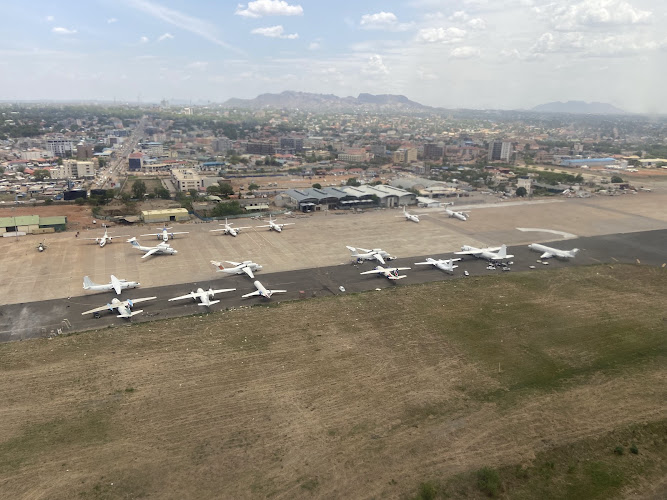
Juba International Airport
Hai jabel,juba,south sudan
Find Accommodations Nearby
Recommended Tours & Activities
Visitor Reviews
There are no reviews yet. Be the first one to write one.
Share Your Experience
Have you visited Juba Tower? Help other travelers by leaving a review.