
Juba Nile Bridge
About Juba Nile Bridge
Description
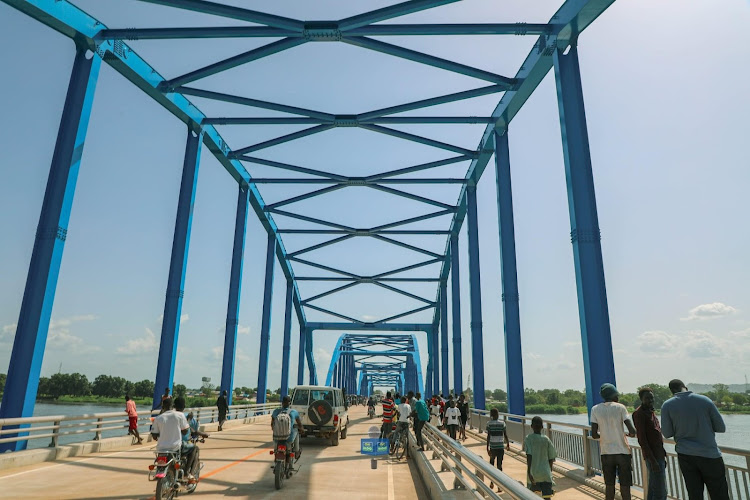
Standing gracefully across the White Nile in the heart of Juba, the Juba Nile Bridge is more than just a piece of infrastructure—it’s a story of endurance, connection, and history. Built in 1972 under the regime of General Jaafar Nimeiri, this 252-meter twin-span bridge has been the lifeline linking South Sudan’s capital to the rest of the country and beyond. For decades, it carried not just vehicles and goods but also the hopes of a young nation learning to stand on its own feet. And honestly, there’s something oddly humbling about standing there, watching the Nile flow beneath your feet, realizing how much this bridge has seen—peace, conflict, reconstruction, and renewal.
Travelers often describe the Juba Nile Bridge as both rugged and poetic. It’s not sleek or flashy like modern suspension bridges, but its steel trusses tell a story of resilience. I remember my first visit—it was late afternoon, and the sun was melting into the river, painting everything in golden hues. The hum of trucks and chatter of pedestrians mixed with the gentle rush of water below. It felt alive, like the heartbeat of Juba itself. While the bridge underwent major repairs in 2010 and reopened in 2012, it still retains that nostalgic charm of something built to last, not just to impress.
For anyone exploring South Sudan, this bridge isn’t just a stop—it’s a moment. It’s where you feel the pulse of the city, the rhythm of trade, and the quiet pride of a nation that’s still writing its story. Sure, it’s a bit weathered in spots, and traffic can be chaotic at times, but that’s part of its character. It’s a place where history meets everyday life, and that’s what makes it worth seeing.
Key Features
- Historical Significance: Built shortly after the 1972 peace agreement, the bridge symbolizes unity and post-war reconstruction in South Sudan.
- Engineering Design: Two adjacent 252-meter spans constructed from World War II-era steel bridges, giving it a distinctive industrial charm.
- Scenic Views: Offers panoramic views of the White Nile—especially stunning at sunrise and sunset when the river glows in soft amber tones.
- Accessibility: Features wheelchair-accessible entrances and parking, making it inclusive for all travelers.
- Cultural Value: Serves as a gathering spot for locals and travelers alike, often buzzing with life, vendors, and the occasional fisherman casting a line below.
- Symbol of Connection: Once the only crossing over the Nile in South Sudan until 2022, it remains a vital artery linking Juba to Uganda and Kenya via the Nimule Road.
What’s fascinating is how locals view it—not just as a bridge, but as a reminder of perseverance. You’ll often hear stories from drivers who’ve crossed it hundreds of times or elders who remember when it was first opened. It’s that blend of practicality and emotion that gives the Juba Nile Bridge its soul.
Best Time to Visit
If you’re planning a visit, timing makes all the difference. The dry season—from November to March—is generally the most comfortable period. Roads are more manageable, and the skies are clear, which means you’ll catch those postcard-perfect sunsets over the Nile. The rainy season, on the other hand, can be unpredictable. Heavy rains sometimes flood nearby roads, and while the bridge itself remains accessible, the journey there can get messy (trust me, I’ve been caught in one of those sudden downpours—it’s an adventure you won’t forget).
Early mornings are peaceful, with soft light and fewer vehicles, perfect for photography enthusiasts. But if you want to experience the bridge’s energy, go in the late afternoon when locals are heading home, and the air is alive with movement. And if you’re lucky, you might catch a fisherman singing to himself while casting his net—small moments like that make travel feel deeply human.
How to Get There
Reaching the Juba Nile Bridge is quite straightforward if you’re already in Juba. It lies along the Juba–Nimule Road, one of the city’s main arteries. Most visitors arrive by car or motorbike, and taxis are readily available throughout the city. If you’re the adventurous type, you can even walk from central Juba—it’s a bit of a trek, but it gives you a real feel for the city’s rhythm. I did it once, slowly making my way through the bustling roadside markets, and it turned out to be one of my favorite travel memories in South Sudan.
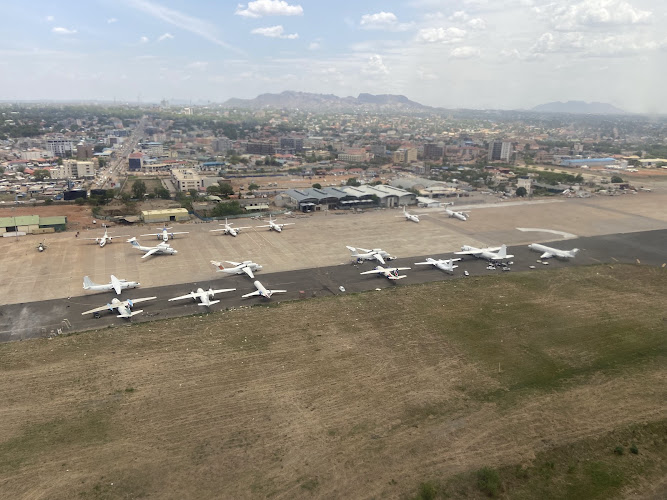
For those coming from outside Juba, the city is accessible via Juba International Airport, which connects to Nairobi, Addis Ababa, and Entebbe. From the airport, the bridge is just a short drive away. Remember, though, traffic in Juba can be unpredictable, so plan for extra time—especially if you’re heading there around sunset when everyone seems to be on the move.
Tips for Visiting
Here’s the thing—visiting the Juba Nile Bridge isn’t just about snapping photos and leaving. It’s about soaking in the atmosphere, understanding its importance, and respecting the people who rely on it daily. So, a few tips from personal experience:
- Go with a local guide if possible. They can share stories and historical tidbits you won’t find online or in guidebooks.
- Be mindful of traffic. The bridge is busy most of the day, so stay on the pedestrian walkway and keep an eye out for trucks.
- Photography etiquette: Always ask before photographing people or military personnel. Security can be sensitive around infrastructure like this.
- Stay hydrated and wear light clothing. Juba’s heat can be intense, especially midday.
- Visit at golden hour. The light is magical then, and the reflections on the Nile are breathtaking.
- Bring small cash. You might want to buy refreshments or a handmade souvenir from local vendors nearby.
And here’s a personal note—don’t rush. Take your time to stand there, feel the breeze off the Nile, and watch life unfold around you. There’s something grounding about it. The bridge might not be the most glamorous landmark you’ll ever visit, but it’s real, raw, and deeply meaningful. It’s a reminder that even in a place shaped by struggle and resilience, beauty still flows—just like the river beneath it.
In many ways, the Juba Nile Bridge embodies South Sudan’s spirit—strong, enduring, and quietly hopeful. Whether you’re a history buff, a photographer, or simply a curious traveler, it’s a place that leaves an impression long after you’ve crossed it. And maybe, just maybe, it’ll remind you of the bridges—literal and metaphorical—that connect us all.
Key Features
- Key Features
- Best Time to Visit
- How to Get There
- Tips for Visiting
More Details
Updated October 8, 2025
Table of Contents
Description
Standing gracefully across the White Nile in the heart of Juba, the Juba Nile Bridge is more than just a piece of infrastructure—it’s a story of endurance, connection, and history. Built in 1972 under the regime of General Jaafar Nimeiri, this 252-meter twin-span bridge has been the lifeline linking South Sudan’s capital to the rest of the country and beyond. For decades, it carried not just vehicles and goods but also the hopes of a young nation learning to stand on its own feet. And honestly, there’s something oddly humbling about standing there, watching the Nile flow beneath your feet, realizing how much this bridge has seen—peace, conflict, reconstruction, and renewal.
Travelers often describe the Juba Nile Bridge as both rugged and poetic. It’s not sleek or flashy like modern suspension bridges, but its steel trusses tell a story of resilience. I remember my first visit—it was late afternoon, and the sun was melting into the river, painting everything in golden hues. The hum of trucks and chatter of pedestrians mixed with the gentle rush of water below. It felt alive, like the heartbeat of Juba itself. While the bridge underwent major repairs in 2010 and reopened in 2012, it still retains that nostalgic charm of something built to last, not just to impress.
For anyone exploring South Sudan, this bridge isn’t just a stop—it’s a moment. It’s where you feel the pulse of the city, the rhythm of trade, and the quiet pride of a nation that’s still writing its story. Sure, it’s a bit weathered in spots, and traffic can be chaotic at times, but that’s part of its character. It’s a place where history meets everyday life, and that’s what makes it worth seeing.
Key Features
- Historical Significance: Built shortly after the 1972 peace agreement, the bridge symbolizes unity and post-war reconstruction in South Sudan.
- Engineering Design: Two adjacent 252-meter spans constructed from World War II-era steel bridges, giving it a distinctive industrial charm.
- Scenic Views: Offers panoramic views of the White Nile—especially stunning at sunrise and sunset when the river glows in soft amber tones.
- Accessibility: Features wheelchair-accessible entrances and parking, making it inclusive for all travelers.
- Cultural Value: Serves as a gathering spot for locals and travelers alike, often buzzing with life, vendors, and the occasional fisherman casting a line below.
- Symbol of Connection: Once the only crossing over the Nile in South Sudan until 2022, it remains a vital artery linking Juba to Uganda and Kenya via the Nimule Road.
What’s fascinating is how locals view it—not just as a bridge, but as a reminder of perseverance. You’ll often hear stories from drivers who’ve crossed it hundreds of times or elders who remember when it was first opened. It’s that blend of practicality and emotion that gives the Juba Nile Bridge its soul.
Best Time to Visit
If you’re planning a visit, timing makes all the difference. The dry season—from November to March—is generally the most comfortable period. Roads are more manageable, and the skies are clear, which means you’ll catch those postcard-perfect sunsets over the Nile. The rainy season, on the other hand, can be unpredictable. Heavy rains sometimes flood nearby roads, and while the bridge itself remains accessible, the journey there can get messy (trust me, I’ve been caught in one of those sudden downpours—it’s an adventure you won’t forget).
Early mornings are peaceful, with soft light and fewer vehicles, perfect for photography enthusiasts. But if you want to experience the bridge’s energy, go in the late afternoon when locals are heading home, and the air is alive with movement. And if you’re lucky, you might catch a fisherman singing to himself while casting his net—small moments like that make travel feel deeply human.
How to Get There
Reaching the Juba Nile Bridge is quite straightforward if you’re already in Juba. It lies along the Juba–Nimule Road, one of the city’s main arteries. Most visitors arrive by car or motorbike, and taxis are readily available throughout the city. If you’re the adventurous type, you can even walk from central Juba—it’s a bit of a trek, but it gives you a real feel for the city’s rhythm. I did it once, slowly making my way through the bustling roadside markets, and it turned out to be one of my favorite travel memories in South Sudan.
For those coming from outside Juba, the city is accessible via Juba International Airport, which connects to Nairobi, Addis Ababa, and Entebbe. From the airport, the bridge is just a short drive away. Remember, though, traffic in Juba can be unpredictable, so plan for extra time—especially if you’re heading there around sunset when everyone seems to be on the move.
Tips for Visiting
Here’s the thing—visiting the Juba Nile Bridge isn’t just about snapping photos and leaving. It’s about soaking in the atmosphere, understanding its importance, and respecting the people who rely on it daily. So, a few tips from personal experience:
- Go with a local guide if possible. They can share stories and historical tidbits you won’t find online or in guidebooks.
- Be mindful of traffic. The bridge is busy most of the day, so stay on the pedestrian walkway and keep an eye out for trucks.
- Photography etiquette: Always ask before photographing people or military personnel. Security can be sensitive around infrastructure like this.
- Stay hydrated and wear light clothing. Juba’s heat can be intense, especially midday.
- Visit at golden hour. The light is magical then, and the reflections on the Nile are breathtaking.
- Bring small cash. You might want to buy refreshments or a handmade souvenir from local vendors nearby.
And here’s a personal note—don’t rush. Take your time to stand there, feel the breeze off the Nile, and watch life unfold around you. There’s something grounding about it. The bridge might not be the most glamorous landmark you’ll ever visit, but it’s real, raw, and deeply meaningful. It’s a reminder that even in a place shaped by struggle and resilience, beauty still flows—just like the river beneath it.
In many ways, the Juba Nile Bridge embodies South Sudan’s spirit—strong, enduring, and quietly hopeful. Whether you’re a history buff, a photographer, or simply a curious traveler, it’s a place that leaves an impression long after you’ve crossed it. And maybe, just maybe, it’ll remind you of the bridges—literal and metaphorical—that connect us all.
Key Highlights
- Key Features
- Best Time to Visit
- How to Get There
- Tips for Visiting
Location
Places to Stay Near Juba Nile Bridge
Find and Book a Tour
Explore More Travel Guides
No reviews found! Be the first to review!
Traveler Reviews for Juba Nile Bridge
There are no reviews yet. Be the first one to write one.
Have you visited Juba Nile Bridge? Help other travelers by sharing your review.
You Might Also Like
Juba International Airport
Unity Ave
Juba
Find Accommodations Nearby
Recommended Tours & Activities
Visitor Reviews
There are no reviews yet. Be the first one to write one.
Share Your Experience
Have you visited Juba Nile Bridge? Help other travelers by leaving a review.