
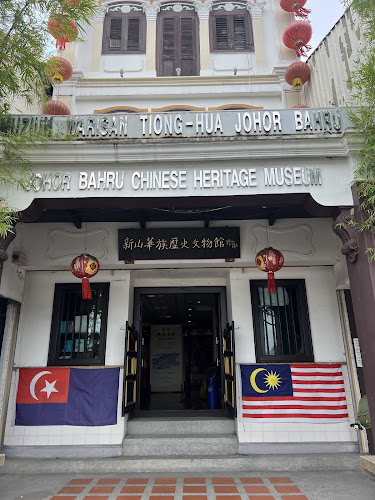
Johor Bahru Chinese Heritage Museum
About Johor Bahru Chinese Heritage Museum
Description
The Johor Bahru Chinese Heritage Museum stands as a testament to the rich cultural tapestry woven by Chinese immigrants who helped shape this Malaysian city into what it is today. And honestly, when I first heard about this museum, I wasn't expecting much - I thought it'd be another dusty collection of artifacts behind glass. But the reality surprised me in the best way possible. This heritage museum occupies a space that feels intimate rather than overwhelming, which actually works in its favor. You're not going to spend an entire day here like you might at larger institutions, but that's kind of the point. The museum focuses specifically on telling the story of the Chinese community's journey in Johor Bahru, from early settlers arriving with nothing but hope and determination to the established community that helped build the city's commercial foundations. The building itself carries historical significance, and walking through its rooms feels like stepping into different chapters of a long, fascinating story. The curators have done something interesting here - they've managed to make history feel personal rather than academic. You'll find displays that showcase everything from traditional wedding customs to the evolution of local businesses, and each exhibit connects back to real families and real people who called Johor Bahru home. What strikes most visitors is how the museum balances education with emotional connection. Sure, there are dates and facts aplenty, but there's also this underlying narrative about resilience, adaptation, and community building that resonates regardless of your own background. I remember reading one elderly visitor's comment about recognizing their grandfather's old shop in one of the photographs - moments like that are what make this museum special. The facility is well-maintained and accessible, which matters more than people often realize when planning museum visits. And while it might not have the flash of bigger museums with interactive digital displays and augmented reality experiences, there's something refreshing about its straightforward approach to storytelling.Key Features
- Carefully curated exhibits showcasing traditional Chinese festivals celebrated within the Johor Bahru community, complete with ceremonial items and detailed explanations of customs that have been preserved through generations
- Historical photographs and documents that chronicle the development of Chinese businesses along the city's main commercial streets, offering fascinating glimpses into early 20th century life
- Reproduction of a traditional Chinese shophouse interior, allowing visitors to understand how families lived and worked under one roof during different historical periods
- Collection of antique furniture, pottery, and household items that demonstrate the blend of Chinese traditions with local Malay influences over time
- Documentation of prominent Chinese community leaders and philanthropists who contributed to Johor Bahru's educational and social infrastructure
- Exhibits detailing various Chinese dialect groups that settled in the area, including Teochew, Hokkien, and Cantonese communities, each with their distinct contributions and traditions
- Display of traditional wedding customs and ceremonial practices that evolved within the Johor Bahru Chinese community
- Archival materials showing the development of Chinese schools and temples in the region
- Wheelchair accessible facilities including restrooms, making the museum welcoming for visitors with mobility considerations
- Modest admission price point that makes cultural education accessible to most travelers and families
Best Time to Visit
Timing your visit to the Johor Bahru Chinese Heritage Museum requires a bit of strategic thinking if you want the best experience. The museum typically sees fewer crowds during weekday mornings, particularly Tuesday through Thursday. And let me tell you, having space to actually read the exhibit descriptions without someone breathing down your neck makes a real difference. Weekends bring local families and school groups, which creates a different energy - sometimes that's exactly what you want, especially if you enjoy the buzz of other visitors discovering things alongside you. But if you're the type who prefers quiet contemplation (like I am when museum-hopping), weekday visits are your friend. The museum takes on special significance during Chinese New Year and other major Chinese festivals. While it'll be busier during these periods, the context of visiting during actual celebrations can deepen your understanding of the exhibits. Some travelers have mentioned that visiting just before or after major festivals provides an interesting perspective - you've got the residual decorations and atmosphere without the peak crowds. Weather-wise, since this is an indoor attraction, you're protected from the tropical heat and occasional downpours that characterize Johor Bahru's climate. That makes it an excellent backup plan if you've scheduled outdoor activities but the weather doesn't cooperate. The museum's air-conditioned spaces offer respite during the hottest parts of the day, typically between noon and 3 PM. If you're planning a heritage trail that includes other historical sites in Johor Bahru, positioning this museum visit during the middle of your day works well. You can explore outdoor locations during cooler morning hours, retreat to the museum when temperatures peak, then head back out for evening activities.How to Get There
Getting to the Johor Bahru Chinese Heritage Museum is pretty straightforward, though like most things in this city, it helps to know your options beforehand. The museum sits within the older part of Johor Bahru, an area that's seen significant development but still retains pockets of historical character. For travelers staying in central Johor Bahru, the museum is accessible by taxi or ride-hailing services like Grab, which honestly dominate the local transport scene. The drivers usually know the museum, though having the name written in Chinese characters on your phone doesn't hurt - communication gaps happen, and it's better to be prepared. If you're coming from Singapore (and let's face it, many visitors to Johor Bahru are), you've got a few routes. After crossing the Causeway, you can grab a taxi or Grab directly to the museum. The journey from immigration takes roughly 10-15 minutes depending on traffic, which can be unpredictable. I've sat in crawls that turned a 10-minute trip into 40 minutes, so build buffer time into your plans. Public buses serve the general area, but navigating Johor Bahru's bus system as a visitor requires patience and possibly a good translation app. Local buses can be economical, but they're not always tourist-friendly in terms of announcements or clear signage. If you're comfortable with a bit of adventure, go for it - just download offline maps first. Walking to the museum is feasible if you're already exploring the heritage district on foot. The older streets around this area reward pedestrians with architectural details and local life you'd miss from a car window. But keep in mind that sidewalks aren't always continuous or well-maintained, and the tropical heat can be intense, so comfortable shoes and water are essential. Parking is available nearby if you've rented a car, though spaces can fill up during peak hours. The surrounding streets have both metered parking and small lots. Read the signs carefully - parking enforcement does happen, and returning to find a ticket on your windshield is never fun.Tips for Visiting
Walking into any museum cold versus arriving prepared can completely change your experience, and the Johor Bahru Chinese Heritage Museum is no exception. First thing - don't rush. This isn't a massive museum, and some visitors make the mistake of treating it like a quick checkbox on their itinerary. Give yourself at least an hour, preferably ninety minutes, to properly absorb the exhibits and read the accompanying information. Photography is generally permitted, but be respectful about it. Flash photography might damage sensitive materials, and honestly, those harsh flash-lit photos rarely turn out well anyway. Natural light near windows works better for capturing details. And please, if you see signs requesting no photography in certain areas, honor them. These artifacts are part of someone's cultural heritage. The museum staff are typically knowledgeable and many speak multiple languages, including English and Mandarin. Don't hesitate to ask questions - I've found that showing genuine interest often leads to fascinating conversations and insights not found in any guidebook. One curator once told me stories about specific families featured in photographs, bringing the whole exhibit to life in ways the written descriptions couldn't. Dress comfortably but appropriately. This is a cultural institution, not a beach, so maybe skip the tank tops and really short shorts. The air conditioning can be quite cold compared to outside temperatures, so bringing a light layer isn't a bad idea. I learned this the hard way during one visit when I spent half my time rubbing warmth back into my arms. Plan your visit as part of a broader heritage trail if possible. The museum sits within walking distance of other historical sites, temples, and traditional shophouses. Combining multiple cultural stops creates a richer understanding of Johor Bahru's development and makes for a more satisfying day overall. Bring cash for admission - while many places in Malaysia accept cards, smaller museums sometimes prefer cash transactions. The entrance fee is modest, but it's annoying to discover payment limitations only after arriving. If you're traveling with children, the museum can be engaging for older kids interested in history, but younger children might struggle with the text-heavy exhibits. Consider preparing them beforehand with simple stories about migration and community building. Making it relevant to their own experiences helps maintain interest. The restrooms are wheelchair accessible and generally clean, which matters when you're planning a day of sightseeing. Not every heritage site in Johor Bahru can claim the same, so take advantage of the facilities here. There's no restaurant on-site, so don't arrive starving. However, the surrounding neighborhood has fantastic local eating options. Many visitors combine their museum trip with lunch at nearby coffee shops serving traditional Chinese-Malaysian food. The area's hawker fare represents another form of cultural heritage worth exploring. Finally, consider visiting during special exhibitions or events if timing allows. The museum occasionally hosts talks, workshops, or temporary exhibits that provide deeper dives into specific aspects of Chinese heritage in Johor Bahru. Check ahead or ask staff about upcoming programs when you arrive. Your experience at this museum ultimately depends on what you bring to it - approach with curiosity and openness, and you'll leave with genuine appreciation for the Chinese community's role in shaping modern Johor Bahru. Come with expectations of flashy entertainment, and you might feel disappointed. This museum rewards thoughtful visitors who value authentic storytelling over spectacle.Key Features
- Multi-level shophouse layout preserving a historical building ambience
- Exhibits on Chinese migration and community life in Johor Bahru
- Gambier and pepper trade displays explaining economic history
- Personal artefacts, photographs and reproduced period shopfronts
- Compact, locally curated narrative offering neighbourhood context
More Details
Updated March 30, 2026
Table of Contents
- Description
- Key Features
- Best Time to Visit
- How to Get There
- Tips for Visiting
- Key Highlights
- Location
- Places to Stay Near Johor Bahru Chinese Heritage Museum
- Find and Book a Tour
- Explore More Travel Guides
- Nearby Places You Might Like
- Traveler Reviews for Johor Bahru Chinese Heritage Museum
- Share Your Experience
Description
The Johor Bahru Chinese Heritage Museum stands as a testament to the rich cultural tapestry woven by Chinese immigrants who helped shape this Malaysian city into what it is today. And honestly, when I first heard about this museum, I wasn’t expecting much – I thought it’d be another dusty collection of artifacts behind glass. But the reality surprised me in the best way possible.
This heritage museum occupies a space that feels intimate rather than overwhelming, which actually works in its favor. You’re not going to spend an entire day here like you might at larger institutions, but that’s kind of the point. The museum focuses specifically on telling the story of the Chinese community’s journey in Johor Bahru, from early settlers arriving with nothing but hope and determination to the established community that helped build the city’s commercial foundations.
The building itself carries historical significance, and walking through its rooms feels like stepping into different chapters of a long, fascinating story. The curators have done something interesting here – they’ve managed to make history feel personal rather than academic. You’ll find displays that showcase everything from traditional wedding customs to the evolution of local businesses, and each exhibit connects back to real families and real people who called Johor Bahru home.
What strikes most visitors is how the museum balances education with emotional connection. Sure, there are dates and facts aplenty, but there’s also this underlying narrative about resilience, adaptation, and community building that resonates regardless of your own background. I remember reading one elderly visitor’s comment about recognizing their grandfather’s old shop in one of the photographs – moments like that are what make this museum special.
The facility is well-maintained and accessible, which matters more than people often realize when planning museum visits. And while it might not have the flash of bigger museums with interactive digital displays and augmented reality experiences, there’s something refreshing about its straightforward approach to storytelling.
Key Features
- Carefully curated exhibits showcasing traditional Chinese festivals celebrated within the Johor Bahru community, complete with ceremonial items and detailed explanations of customs that have been preserved through generations
- Historical photographs and documents that chronicle the development of Chinese businesses along the city’s main commercial streets, offering fascinating glimpses into early 20th century life
- Reproduction of a traditional Chinese shophouse interior, allowing visitors to understand how families lived and worked under one roof during different historical periods
- Collection of antique furniture, pottery, and household items that demonstrate the blend of Chinese traditions with local Malay influences over time
- Documentation of prominent Chinese community leaders and philanthropists who contributed to Johor Bahru’s educational and social infrastructure
- Exhibits detailing various Chinese dialect groups that settled in the area, including Teochew, Hokkien, and Cantonese communities, each with their distinct contributions and traditions
- Display of traditional wedding customs and ceremonial practices that evolved within the Johor Bahru Chinese community
- Archival materials showing the development of Chinese schools and temples in the region
- Wheelchair accessible facilities including restrooms, making the museum welcoming for visitors with mobility considerations
- Modest admission price point that makes cultural education accessible to most travelers and families
Best Time to Visit
Timing your visit to the Johor Bahru Chinese Heritage Museum requires a bit of strategic thinking if you want the best experience. The museum typically sees fewer crowds during weekday mornings, particularly Tuesday through Thursday. And let me tell you, having space to actually read the exhibit descriptions without someone breathing down your neck makes a real difference.
Weekends bring local families and school groups, which creates a different energy – sometimes that’s exactly what you want, especially if you enjoy the buzz of other visitors discovering things alongside you. But if you’re the type who prefers quiet contemplation (like I am when museum-hopping), weekday visits are your friend.
The museum takes on special significance during Chinese New Year and other major Chinese festivals. While it’ll be busier during these periods, the context of visiting during actual celebrations can deepen your understanding of the exhibits. Some travelers have mentioned that visiting just before or after major festivals provides an interesting perspective – you’ve got the residual decorations and atmosphere without the peak crowds.
Weather-wise, since this is an indoor attraction, you’re protected from the tropical heat and occasional downpours that characterize Johor Bahru’s climate. That makes it an excellent backup plan if you’ve scheduled outdoor activities but the weather doesn’t cooperate. The museum’s air-conditioned spaces offer respite during the hottest parts of the day, typically between noon and 3 PM.
If you’re planning a heritage trail that includes other historical sites in Johor Bahru, positioning this museum visit during the middle of your day works well. You can explore outdoor locations during cooler morning hours, retreat to the museum when temperatures peak, then head back out for evening activities.
How to Get There
Getting to the Johor Bahru Chinese Heritage Museum is pretty straightforward, though like most things in this city, it helps to know your options beforehand. The museum sits within the older part of Johor Bahru, an area that’s seen significant development but still retains pockets of historical character.
For travelers staying in central Johor Bahru, the museum is accessible by taxi or ride-hailing services like Grab, which honestly dominate the local transport scene. The drivers usually know the museum, though having the name written in Chinese characters on your phone doesn’t hurt – communication gaps happen, and it’s better to be prepared.
If you’re coming from Singapore (and let’s face it, many visitors to Johor Bahru are), you’ve got a few routes. After crossing the Causeway, you can grab a taxi or Grab directly to the museum. The journey from immigration takes roughly 10-15 minutes depending on traffic, which can be unpredictable. I’ve sat in crawls that turned a 10-minute trip into 40 minutes, so build buffer time into your plans.
Public buses serve the general area, but navigating Johor Bahru’s bus system as a visitor requires patience and possibly a good translation app. Local buses can be economical, but they’re not always tourist-friendly in terms of announcements or clear signage. If you’re comfortable with a bit of adventure, go for it – just download offline maps first.
Walking to the museum is feasible if you’re already exploring the heritage district on foot. The older streets around this area reward pedestrians with architectural details and local life you’d miss from a car window. But keep in mind that sidewalks aren’t always continuous or well-maintained, and the tropical heat can be intense, so comfortable shoes and water are essential.
Parking is available nearby if you’ve rented a car, though spaces can fill up during peak hours. The surrounding streets have both metered parking and small lots. Read the signs carefully – parking enforcement does happen, and returning to find a ticket on your windshield is never fun.
Tips for Visiting
Walking into any museum cold versus arriving prepared can completely change your experience, and the Johor Bahru Chinese Heritage Museum is no exception. First thing – don’t rush. This isn’t a massive museum, and some visitors make the mistake of treating it like a quick checkbox on their itinerary. Give yourself at least an hour, preferably ninety minutes, to properly absorb the exhibits and read the accompanying information.
Photography is generally permitted, but be respectful about it. Flash photography might damage sensitive materials, and honestly, those harsh flash-lit photos rarely turn out well anyway. Natural light near windows works better for capturing details. And please, if you see signs requesting no photography in certain areas, honor them. These artifacts are part of someone’s cultural heritage.
The museum staff are typically knowledgeable and many speak multiple languages, including English and Mandarin. Don’t hesitate to ask questions – I’ve found that showing genuine interest often leads to fascinating conversations and insights not found in any guidebook. One curator once told me stories about specific families featured in photographs, bringing the whole exhibit to life in ways the written descriptions couldn’t.
Dress comfortably but appropriately. This is a cultural institution, not a beach, so maybe skip the tank tops and really short shorts. The air conditioning can be quite cold compared to outside temperatures, so bringing a light layer isn’t a bad idea. I learned this the hard way during one visit when I spent half my time rubbing warmth back into my arms.
Plan your visit as part of a broader heritage trail if possible. The museum sits within walking distance of other historical sites, temples, and traditional shophouses. Combining multiple cultural stops creates a richer understanding of Johor Bahru’s development and makes for a more satisfying day overall.
Bring cash for admission – while many places in Malaysia accept cards, smaller museums sometimes prefer cash transactions. The entrance fee is modest, but it’s annoying to discover payment limitations only after arriving.
If you’re traveling with children, the museum can be engaging for older kids interested in history, but younger children might struggle with the text-heavy exhibits. Consider preparing them beforehand with simple stories about migration and community building. Making it relevant to their own experiences helps maintain interest.
The restrooms are wheelchair accessible and generally clean, which matters when you’re planning a day of sightseeing. Not every heritage site in Johor Bahru can claim the same, so take advantage of the facilities here.
There’s no restaurant on-site, so don’t arrive starving. However, the surrounding neighborhood has fantastic local eating options. Many visitors combine their museum trip with lunch at nearby coffee shops serving traditional Chinese-Malaysian food. The area’s hawker fare represents another form of cultural heritage worth exploring.
Finally, consider visiting during special exhibitions or events if timing allows. The museum occasionally hosts talks, workshops, or temporary exhibits that provide deeper dives into specific aspects of Chinese heritage in Johor Bahru. Check ahead or ask staff about upcoming programs when you arrive.
Your experience at this museum ultimately depends on what you bring to it – approach with curiosity and openness, and you’ll leave with genuine appreciation for the Chinese community’s role in shaping modern Johor Bahru. Come with expectations of flashy entertainment, and you might feel disappointed. This museum rewards thoughtful visitors who value authentic storytelling over spectacle.
Key Highlights
- Multi-level shophouse layout preserving a historical building ambience
- Exhibits on Chinese migration and community life in Johor Bahru
- Gambier and pepper trade displays explaining economic history
- Personal artefacts, photographs and reproduced period shopfronts
- Compact, locally curated narrative offering neighbourhood context
Location
Places to Stay Near Johor Bahru Chinese Heritage Museum
Find and Book a Tour
Explore More Travel Guides
No reviews found! Be the first to review!
Johor Bahru Chinese Heritage Museum is a prominent museums located in Johor Bahru.
Visit us at: MY Johor, 42, Jalan Ibrahim, 80000 Johor Bahru, 말레이시아.
Traveler Reviews for Johor Bahru Chinese Heritage Museum
There are no reviews yet. Be the first one to write one.
Have you visited Johor Bahru Chinese Heritage Museum? Help other travelers by sharing your review.
Nearby Attractions
You Might Also Like

Johor Sultan Gardens
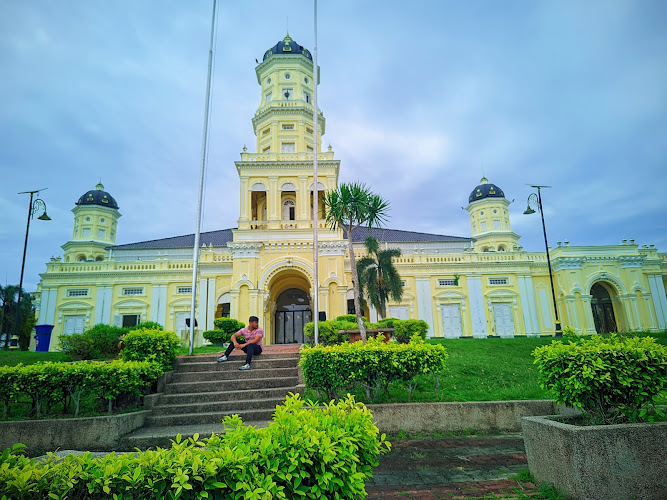
Sultan Abu Bakar Mosque
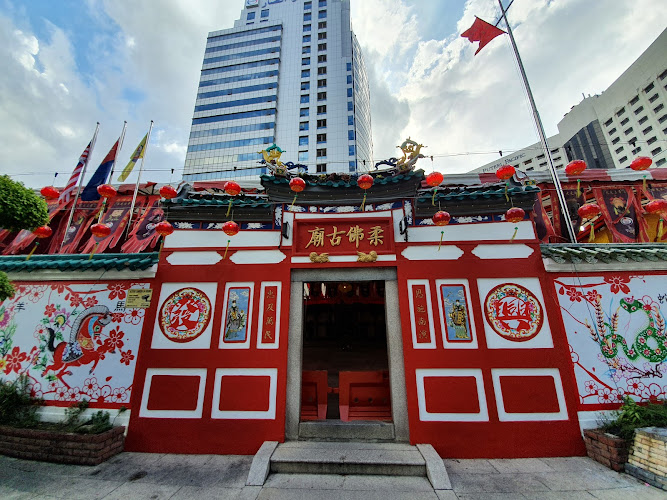
Johor Ancient Temple
Find Accommodations Nearby
Recommended Tours & Activities
Visitor Reviews
There are no reviews yet. Be the first one to write one.
Share Your Experience
Have you visited Johor Bahru Chinese Heritage Museum? Help other travelers by leaving a review.