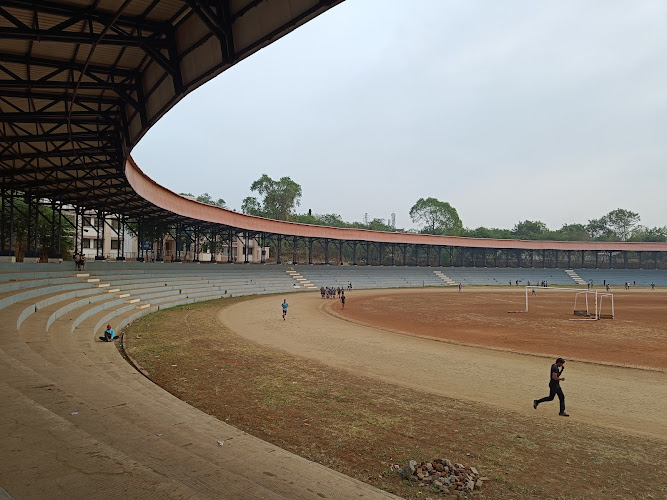
About Jawaharlal Nehru Stadium

Description

The Jawaharlal Nehru Stadium stands as one of India's premier sporting venues, a place where athletic dreams come alive and crowds gather to witness moments of pure sporting brilliance. When you step into this stadium, you're not just entering a sports facility—you're walking into a space that has hosted countless memorable events and continues to be a cornerstone of India's sporting culture. This multi-purpose stadium has earned its reputation through decades of service to the sporting community. Named after India's first Prime Minister, the venue carries a legacy that extends beyond its physical structure. Over the years, I've heard countless stories from friends who've attended events here, and their experiences paint a picture of a facility that genuinely tries to deliver quality experiences to visitors, though like any large venue, it has its moments of both triumph and challenge. What makes this stadium particularly interesting for travelers is its role as a badminton venue. While many massive stadiums focus solely on football or cricket, this facility has embraced badminton—a sport deeply woven into India's sporting fabric. The stadium transforms to accommodate different sporting needs, and seeing a badminton championship here offers a completely different vibe compared to outdoor sports. The energy in the crowd during a nail-biting badminton match is something special, really. The facility operates with a clear understanding that modern sports venues need to be accessible to everyone. You'll find that the management has taken steps to ensure wheelchair accessibility, which honestly should be standard everywhere but unfortunately isn't. It's these thoughtful additions that separate adequate venues from genuinely welcoming ones.

Key Features

  • Multi-Sport Capability: The stadium's adaptability means you might catch different types of sporting events throughout the year, with badminton being a particular specialty that sets it apart from typical large-scale stadiums
  • Accessibility Infrastructure: Wheelchair accessible entrances and parking facilities demonstrate a commitment to inclusive sports viewing, making it easier for visitors with mobility challenges to enjoy events without unnecessary hassle
  • Essential Amenities: Clean restroom facilities are available throughout the venue, which might seem basic but is absolutely crucial for any stadium experience worth having
  • Seating Capacity: The substantial seating arrangement means the stadium can host major national and international events, creating an atmosphere that's electric when the stands fill up during important matches
  • Professional Event Management: Regular hosting of significant sporting events has refined the stadium's operational capabilities over time, resulting in smoother crowd management and event execution
  • Historical Significance: The naming itself connects visitors to India's post-independence history, adding a layer of cultural relevance beyond the sporting aspects
  • Strategic Design: The layout accommodates both large-scale tournaments and smaller events, offering flexibility that many single-purpose venues simply can't match

Best Time to Visit

Timing your visit to Jawaharlal Nehru Stadium really depends on what you're hoping to experience. The stadium comes alive during major sporting events, particularly when national or international badminton tournaments are scheduled. These events typically draw the biggest crowds and create the most memorable atmosphere. If you're planning your trip to coincide with a specific event, booking well in advance is pretty much non-negotiable. Popular matches sell out fast, and you don't want to travel all the way there only to find yourself stuck outside watching through a fence. Been there with different venues, and it's not fun. Weather-wise, the cooler months from October through March offer the most comfortable experience. Indian summers can be intense, and even though you're mostly indoors for badminton events, the journey to and from the stadium becomes much more pleasant when temperatures aren't pushing 40 degrees Celsius. Plus, many major tournaments are scheduled during these months anyway, so you're killing two birds with one stone. Weekend events generally draw larger crowds, which can be great for atmosphere but means dealing with more congestion in parking and facilities. Weekday events tend to be less crowded, offering a more relaxed experience if you prefer that vibe. And honestly, sometimes watching a match without being squeezed between thousands of people has its own appeal. Check the event calendar several weeks before your planned visit. The stadium doesn't host events every single day, so you'll want to make sure something's actually happening when you arrive. Nothing's more disappointing than showing up to a closed venue—trust me on this one. Early tournament rounds might not pack the same punch as finals, but they offer better ticket availability and still provide quality sporting action. If you're more interested in experiencing the venue itself rather than witnessing a specific championship moment, these early rounds work perfectly well.

How to Get There

Getting to Jawaharlal Nehru Stadium requires some planning, but it's definitely manageable once you know your options. The stadium's location means you'll have several transportation choices, each with its own advantages depending on where you're coming from and what your comfort level is with Indian traffic. Public transportation represents your most economical option. Metro connectivity has improved significantly in recent years, and utilizing the metro system helps you avoid the notorious traffic congestion that can turn a 30-minute drive into a two-hour ordeal. You'll want to identify the nearest metro station to the stadium and plan your route accordingly. The metro runs frequently during event hours, and stations generally stay open late enough to accommodate post-event crowds. Auto-rickshaws and cycle-rickshaws are everywhere and can fill in the gaps if you're not directly on a metro line. Negotiating fares beforehand saves headaches later—some drivers see tourists and immediately imagine dollar signs. A rough idea of what the journey should cost helps you negotiate fairly. But honestly, most drivers are decent folks just trying to make a living. Ride-sharing apps have revolutionized getting around Indian cities. These services eliminate the haggling aspect and provide transparent pricing. During major events, surge pricing kicks in though, so be prepared for elevated costs when thousands of people are trying to leave simultaneously. Booking your ride a bit away from the immediate stadium vicinity sometimes helps you avoid the worst of the surge. If you're driving yourself or hiring a car, allow extra time—seriously, add at least 45 minutes to whatever Google Maps tells you. Traffic around the stadium gets absolutely wild during events. The wheelchair accessible parking lot is available, which helps if you're traveling with someone who needs that accommodation. Just arrive early because those spots fill up quickly. Some travelers find that staying at accommodation within walking distance or a short metro ride from the stadium eliminates transportation stress entirely. You can take your time getting there, avoid rush-hour chaos, and actually enjoy the pre-event atmosphere instead of arriving stressed and sweaty.

Tips for Visiting

Arriving early isn't just a suggestion—it's practically mandatory if you want to actually enjoy your experience. Security checks take time, especially for major events, and you don't want to miss the opening ceremony or first match because you were stuck in a queue. I'd say plan to arrive at least an hour before the scheduled start time. Maybe more if it's a really big event. Dress comfortably and practically. You'll be sitting for extended periods, possibly walking quite a bit to reach your seats, and dealing with crowds. Comfortable shoes are non-negotiable. The temperature inside can vary, so layers work well—you can always remove a jacket if it gets warm. Bringing your own water bottle makes sense, though check the specific event regulations first as some have restrictions. Staying hydrated during long matches matters, and venue prices for drinks can be pretty steep. Food policies vary by event, but generally you'll find some concession options inside. Keep your belongings minimal. Large bags often aren't permitted or require additional screening. A small bag with essentials—phone, wallet, tickets, maybe a light jacket—works best. You don't want to be lugging around a huge backpack all day anyway. The restroom situation improves significantly if you go during the action rather than waiting for breaks when everyone else has the same idea. Yeah, you might miss a point or two, but you'll avoid standing in line for twenty minutes. Understanding basic badminton rules enhances your experience tremendously if you're catching a badminton match. You don't need to be an expert, but knowing how scoring works and what constitutes a fault means you'll actually follow what's happening rather than just watching people hit a shuttlecock back and forth. Photography policies vary, so check beforehand. Professional cameras with large lenses are typically prohibited, but phones are usually fine. Flash photography during play is a huge no-no and will get you dirty looks from everyone around you. Connect with local sports fans if you get the chance. Indians are generally friendly and love talking about sports, and you'll gain insights into the athletes and matches that you'd never get from just watching. Some of my best travel memories come from random conversations with locals at sporting events. Keep some cash handy despite India's push toward digital payments. Not all vendors accept cards or digital payments, and you don't want to miss out on snacks or souvenirs because you only have plastic. The exit process can be chaotic with thousands of people leaving simultaneously. If you're not in a rush, waiting 15-20 minutes after the event ends makes your departure much smoother. Grab a snack, discuss the match you just watched, and let the initial crowd disperse. Check weather forecasts even though you're mostly indoors. Your journey to and from the stadium still involves outdoor exposure, and monsoon season can throw unexpected curveballs into your travel plans. Finally, manage your expectations reasonably. This is a large public facility in India, serving millions of visitors. Some things won't be perfect, queues will exist, and occasional inefficiencies will pop up. But the experience of watching world-class athletes compete in this historic venue creates memories that far outweigh minor inconveniences along the way.

Key Features

  • Compact open-bowl stadium seating with good sightlines
  • Hosts regional football, athletics and school/college events
  • Located in Gadge Nagar, close to Amravati transport links
  • Community-focused atmosphere with local vendors on event days
  • Adjacent sports complex facilities for training and local competitions

More Details

Updated March 30, 2026

Description

The Jawaharlal Nehru Stadium stands as one of India’s premier sporting venues, a place where athletic dreams come alive and crowds gather to witness moments of pure sporting brilliance. When you step into this stadium, you’re not just entering a sports facility—you’re walking into a space that has hosted countless memorable events and continues to be a cornerstone of India’s sporting culture.

This multi-purpose stadium has earned its reputation through decades of service to the sporting community. Named after India’s first Prime Minister, the venue carries a legacy that extends beyond its physical structure. Over the years, I’ve heard countless stories from friends who’ve attended events here, and their experiences paint a picture of a facility that genuinely tries to deliver quality experiences to visitors, though like any large venue, it has its moments of both triumph and challenge.

What makes this stadium particularly interesting for travelers is its role as a badminton venue. While many massive stadiums focus solely on football or cricket, this facility has embraced badminton—a sport deeply woven into India’s sporting fabric. The stadium transforms to accommodate different sporting needs, and seeing a badminton championship here offers a completely different vibe compared to outdoor sports. The energy in the crowd during a nail-biting badminton match is something special, really.

The facility operates with a clear understanding that modern sports venues need to be accessible to everyone. You’ll find that the management has taken steps to ensure wheelchair accessibility, which honestly should be standard everywhere but unfortunately isn’t. It’s these thoughtful additions that separate adequate venues from genuinely welcoming ones.

Key Features

  • Multi-Sport Capability: The stadium’s adaptability means you might catch different types of sporting events throughout the year, with badminton being a particular specialty that sets it apart from typical large-scale stadiums
  • Accessibility Infrastructure: Wheelchair accessible entrances and parking facilities demonstrate a commitment to inclusive sports viewing, making it easier for visitors with mobility challenges to enjoy events without unnecessary hassle
  • Essential Amenities: Clean restroom facilities are available throughout the venue, which might seem basic but is absolutely crucial for any stadium experience worth having
  • Seating Capacity: The substantial seating arrangement means the stadium can host major national and international events, creating an atmosphere that’s electric when the stands fill up during important matches
  • Professional Event Management: Regular hosting of significant sporting events has refined the stadium’s operational capabilities over time, resulting in smoother crowd management and event execution
  • Historical Significance: The naming itself connects visitors to India’s post-independence history, adding a layer of cultural relevance beyond the sporting aspects
  • Strategic Design: The layout accommodates both large-scale tournaments and smaller events, offering flexibility that many single-purpose venues simply can’t match

Best Time to Visit

Timing your visit to Jawaharlal Nehru Stadium really depends on what you’re hoping to experience. The stadium comes alive during major sporting events, particularly when national or international badminton tournaments are scheduled. These events typically draw the biggest crowds and create the most memorable atmosphere.

If you’re planning your trip to coincide with a specific event, booking well in advance is pretty much non-negotiable. Popular matches sell out fast, and you don’t want to travel all the way there only to find yourself stuck outside watching through a fence. Been there with different venues, and it’s not fun.

Weather-wise, the cooler months from October through March offer the most comfortable experience. Indian summers can be intense, and even though you’re mostly indoors for badminton events, the journey to and from the stadium becomes much more pleasant when temperatures aren’t pushing 40 degrees Celsius. Plus, many major tournaments are scheduled during these months anyway, so you’re killing two birds with one stone.

Weekend events generally draw larger crowds, which can be great for atmosphere but means dealing with more congestion in parking and facilities. Weekday events tend to be less crowded, offering a more relaxed experience if you prefer that vibe. And honestly, sometimes watching a match without being squeezed between thousands of people has its own appeal.

Check the event calendar several weeks before your planned visit. The stadium doesn’t host events every single day, so you’ll want to make sure something’s actually happening when you arrive. Nothing’s more disappointing than showing up to a closed venue—trust me on this one.

Early tournament rounds might not pack the same punch as finals, but they offer better ticket availability and still provide quality sporting action. If you’re more interested in experiencing the venue itself rather than witnessing a specific championship moment, these early rounds work perfectly well.

How to Get There

Getting to Jawaharlal Nehru Stadium requires some planning, but it’s definitely manageable once you know your options. The stadium’s location means you’ll have several transportation choices, each with its own advantages depending on where you’re coming from and what your comfort level is with Indian traffic.

Public transportation represents your most economical option. Metro connectivity has improved significantly in recent years, and utilizing the metro system helps you avoid the notorious traffic congestion that can turn a 30-minute drive into a two-hour ordeal. You’ll want to identify the nearest metro station to the stadium and plan your route accordingly. The metro runs frequently during event hours, and stations generally stay open late enough to accommodate post-event crowds.

Auto-rickshaws and cycle-rickshaws are everywhere and can fill in the gaps if you’re not directly on a metro line. Negotiating fares beforehand saves headaches later—some drivers see tourists and immediately imagine dollar signs. A rough idea of what the journey should cost helps you negotiate fairly. But honestly, most drivers are decent folks just trying to make a living.

Ride-sharing apps have revolutionized getting around Indian cities. These services eliminate the haggling aspect and provide transparent pricing. During major events, surge pricing kicks in though, so be prepared for elevated costs when thousands of people are trying to leave simultaneously. Booking your ride a bit away from the immediate stadium vicinity sometimes helps you avoid the worst of the surge.

If you’re driving yourself or hiring a car, allow extra time—seriously, add at least 45 minutes to whatever Google Maps tells you. Traffic around the stadium gets absolutely wild during events. The wheelchair accessible parking lot is available, which helps if you’re traveling with someone who needs that accommodation. Just arrive early because those spots fill up quickly.

Some travelers find that staying at accommodation within walking distance or a short metro ride from the stadium eliminates transportation stress entirely. You can take your time getting there, avoid rush-hour chaos, and actually enjoy the pre-event atmosphere instead of arriving stressed and sweaty.

Tips for Visiting

Arriving early isn’t just a suggestion—it’s practically mandatory if you want to actually enjoy your experience. Security checks take time, especially for major events, and you don’t want to miss the opening ceremony or first match because you were stuck in a queue. I’d say plan to arrive at least an hour before the scheduled start time. Maybe more if it’s a really big event.

Dress comfortably and practically. You’ll be sitting for extended periods, possibly walking quite a bit to reach your seats, and dealing with crowds. Comfortable shoes are non-negotiable. The temperature inside can vary, so layers work well—you can always remove a jacket if it gets warm.

Bringing your own water bottle makes sense, though check the specific event regulations first as some have restrictions. Staying hydrated during long matches matters, and venue prices for drinks can be pretty steep. Food policies vary by event, but generally you’ll find some concession options inside.

Keep your belongings minimal. Large bags often aren’t permitted or require additional screening. A small bag with essentials—phone, wallet, tickets, maybe a light jacket—works best. You don’t want to be lugging around a huge backpack all day anyway.

The restroom situation improves significantly if you go during the action rather than waiting for breaks when everyone else has the same idea. Yeah, you might miss a point or two, but you’ll avoid standing in line for twenty minutes.

Understanding basic badminton rules enhances your experience tremendously if you’re catching a badminton match. You don’t need to be an expert, but knowing how scoring works and what constitutes a fault means you’ll actually follow what’s happening rather than just watching people hit a shuttlecock back and forth.

Photography policies vary, so check beforehand. Professional cameras with large lenses are typically prohibited, but phones are usually fine. Flash photography during play is a huge no-no and will get you dirty looks from everyone around you.

Connect with local sports fans if you get the chance. Indians are generally friendly and love talking about sports, and you’ll gain insights into the athletes and matches that you’d never get from just watching. Some of my best travel memories come from random conversations with locals at sporting events.

Keep some cash handy despite India’s push toward digital payments. Not all vendors accept cards or digital payments, and you don’t want to miss out on snacks or souvenirs because you only have plastic.

The exit process can be chaotic with thousands of people leaving simultaneously. If you’re not in a rush, waiting 15-20 minutes after the event ends makes your departure much smoother. Grab a snack, discuss the match you just watched, and let the initial crowd disperse.

Check weather forecasts even though you’re mostly indoors. Your journey to and from the stadium still involves outdoor exposure, and monsoon season can throw unexpected curveballs into your travel plans.

Finally, manage your expectations reasonably. This is a large public facility in India, serving millions of visitors. Some things won’t be perfect, queues will exist, and occasional inefficiencies will pop up. But the experience of watching world-class athletes compete in this historic venue creates memories that far outweigh minor inconveniences along the way.

Key Highlights

  • Compact open-bowl stadium seating with good sightlines
  • Hosts regional football, athletics and school/college events
  • Located in Gadge Nagar, close to Amravati transport links
  • Community-focused atmosphere with local vendors on event days
  • Adjacent sports complex facilities for training and local competitions

Location

Places to Stay Near Jawaharlal Nehru Stadium

Find and Book a Tour

Explore More Travel Guides

No reviews found! Be the first to review!

Jawaharlal Nehru Stadium is a prominent Stadium located in Amravati.

Visit us at: WQQ9+78P, Gadge Nagar, Amravati, Maharashtra 444603, India.

Traveler Reviews for Jawaharlal Nehru Stadium

There are no reviews yet. Be the first one to write one.

Share Your Experience

Have you visited Jawaharlal Nehru Stadium? Help other travelers by sharing your review.

Nearby Attractions

Amravati Railway Station / Badnera junction Local markets and street food in Gadge Nagar Divisional Sports Complex, Amravati

Find Accommodations Nearby

Recommended Tours & Activities

Visitor Reviews

There are no reviews yet. Be the first one to write one.

Share Your Experience

Have you visited Jawaharlal Nehru Stadium? Help other travelers by leaving a review.