
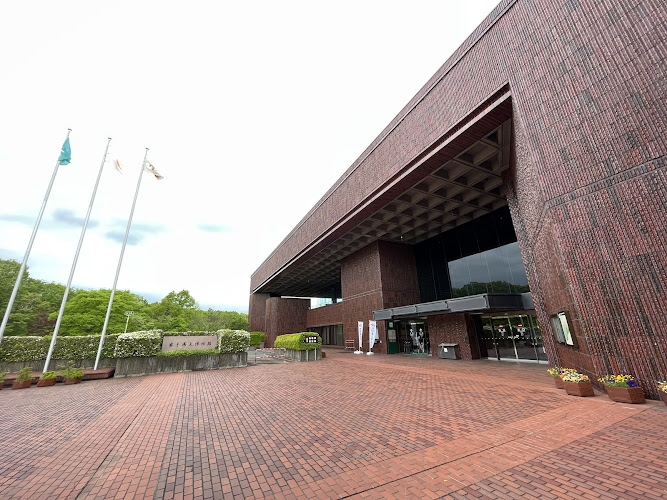
Iwate Prefectural Museum
About Iwate Prefectural Museum
Description
The Iwate Prefectural Museum sits on a gentle hillside in Morioka and serves as a thoughtful, surprisingly full-flavored introduction to the story of Iwate Prefecture. It focuses on the deep past—archaeology and geology—alongside local history and folklore, and it does so with an approachable, low-key charm. Exhibits move from stone-age relics and geological specimens to folk art, agricultural implements, and the cultural threads that tie modern Morioka to earlier generations. There is a permanent collection that provides context for the region and rotating exhibitions that explore specific themes, from traditional crafts to natural history studies.
Visitors often discover the place at different paces: some linger over pottery shards and skeletal reconstructions; others are pulled toward displays that showcase local festivals, costumes, and tools. The building also houses a lecture hall for talks and events, and a small cafe where the coffee is decent enough to deserve a pause. It’s quieter than the big-ticket museums in Tokyo, but that’s part of the appeal—less crowd pressure, more time to absorb the stories. The museum balances educational purpose with visitor comfort: wheelchair-accessible entrances, restrooms, and a family-friendly layout make it easy for a range of travelers to enjoy the exhibits.
Because it’s a prefectural museum, the emphasis leans firmly local. That yields a particular kind of reward: the chance to see artifacts and narratives that rarely leave the Tohoku region. For travelers trying to understand Iwate beyond postcard views and short day trips, this museum delivers context. One might say it’s where the land’s bones meet its human stories—geology, archaeology, and folklore arranged so they talk to one another. The lecture hall occasionally hosts researchers and community members, which means visitors might stumble into a lively local conversation about farming practices, traditional crafts, or disaster recovery—real-life learning that feels immediate and relevant.
Key Features
- Comprehensive exhibits covering archaeology, geology, local history, and folklore—good for those wanting background on the Iwate region.
- Permanent displays plus rotating special exhibitions that highlight artists, researchers, and regional traditions.
- Lecture hall for talks, workshops, and community events—check the schedule for pop-up programs.
- On-site cafe offering light meals and drinks—a convenient spot to regroup mid-visit.
- Free, on-site parking and easy drop-off space for drivers.
- Wheelchair-accessible entrance, parking, and restrooms; gender-neutral restroom available.
- Guided tours offered periodically—useful for travelers who want context without the research.
- Wi-Fi on site, which helps for quick itinerary tweaks or further reading about exhibits.
- Child-friendly displays and hands-on opportunities that make the museum family-friendly.
- Quiet, contemplative spaces for those who prefer a slower pace of exploration.
Best Time to Visit
The museum is pleasant year-round, but timing can shape the experience. Spring and autumn offer mild weather for the short walk from parking areas and for exploring any outdoor interpretive spaces nearby. Spring is also when cherry trees in the region put on a show, and pairing a museum visit with a stroll through surrounding green spaces makes for a nice half-day. In winter, the museum provides a warm indoor refuge from chilly Morioka streets; exhibits related to local livelihoods and seasonal festivals feel more resonant when it’s snowing outside.
Weekdays, especially mornings, are the sweet spot for solo travelers and slow readers—fewer school groups and quieter galleries. Weekends can be busier with local families or school outings, and special exhibition openings will attract more interest and foot traffic. If the visitor wants to attend a lecture or workshop, planning ahead is crucial; those events sometimes only happen a few times a month. And yes, holiday periods see a spike of visitors, so if someone likes to move through rooms without crowding, avoiding national holidays is wise.
How to Get There
The museum is a short drive from central Morioka and easy to reach by car thanks to free on-site parking. For travelers without a vehicle, taxis from Morioka Station provide a direct, fuss-free option and typically take around 10–20 minutes depending on traffic. Local buses also serve the area, though schedules can be less frequent—checking the current timetable before setting out is recommended. For those who like to walk and have light luggage, a longer stroll from the city center is doable and passes through neighborhood scenes that feel genuinely local rather than tourist-aimed.
Drivers will appreciate the free parking lot on site; spaces are generally sufficient, but arriving early on busy days reduces any stress about finding a spot. The museum has a wheelchair-accessible parking area and a level route from the car park to the entrance, so travelers with mobility concerns should find the transition straightforward. If combining the visit with other nearby attractions—such as castle ruins or local parks—driving gives maximum flexibility, though taxis remain a convenient alternative for those who prefer not to navigate unfamiliar roads.
Tips for Visiting
Plan for about 90 to 120 minutes for a relaxed visit. The permanent collections tell a layered story, and the rotating exhibitions often require extra time if they involve detailed artifacts or multi-media presentations. But the timeline is flexible—some visitors spend just an hour focusing on highlights, while others linger for half a day and attend a lecture or workshop.
- Check the exhibition schedule before arrival. Temporary exhibitions can be unique and sometimes brief; missing one could mean missing a special local artist or research presentation.
- Take advantage of guided tours if they’re available the day of the visit. A short tour can unlock context quickly and bring obscure objects to life.
- Bring comfortable shoes. Even though galleries aren’t vast, the layout encourages slow exploration and small changes in elevation within the building and grounds.
- Use the cafe as a mini escape. The food isn’t Michelin-level, but it’s a relaxed place to process what was seen and plan the next stop. And it helps that one can sit and watch groups of schoolchildren get excited about stone tools—pure joy, really.
- Accessibility features are solid, but if assistance is needed, contacting the museum ahead of time ensures staff can prepare. The wheelchair-accessible restrooms and entrances are helpful, and staff are usually accommodating.
- Photograph with care. Some exhibits allow photos, others do not. It’s always polite to check signs and follow staff guidance.
- If traveling with children, aim for mid-morning visits before lunch rushes or nap-time meltdowns. Kids often respond well to tactile displays and storytelling sections—bring a small notebook or sketchbook to keep them engaged.
- Combine the museum with nearby sites. For a fuller Morioka experience, pair it with visits to historical parks, local markets, or small temples. Walking between spots offers unexpected glimpses of everyday life in Iwate.
- Keep an eye on lecture hall events. Community lectures and academic talks can add a layer of immediacy to the exhibits—sometimes they are in Japanese only, but other times translators or multi-lingual handouts are provided for international visitors.
- Respect the local focus. This museum is proud of its regional identity; interacting with staff and joining guided sessions often yields the best insights into why certain artifacts matter to local communities.
Finally, a small, personal-style aside in third person: many travelers arrive expecting a tidy, straightforward regional museum and leave surprised by how human the stories feel—how the geology displays set a backdrop for centuries of human adaptation, how a humble festival costume can tell a history of community resilience. There’s something quietly rewarding about learning a place’s story at this scale. For anyone who likes to understand the why behind a landscape and its people, a few hours here will repay the time with a sense of place that’s both specific and surprisingly universal.
To wrap up—without overpromising—the Iwate Prefectural Museum is steady, informative, and thoughtful. It’s not flashy, but it’s honest and useful for travelers who want context for the sights they visit in Morioka and the wider Tohoku region. Visitors who plan a little, arrive during a quieter time, and lean into the guided resources will leave with a better sense of Iwate’s past and an appreciation for the everyday culture that continues to shape the prefecture today.
Key Features
- Comprehensive exhibits covering archaeology, geology, local history, and folklore—good for those wanting background on the Iwate region.
- Permanent displays plus rotating special exhibitions that highlight artists, researchers, and regional traditions.
- Lecture hall for talks, workshops, and community events—check the schedule for pop-up programs.
- On-site cafe offering light meals and drinks—a convenient spot to regroup mid-visit.
- Free, on-site parking and easy drop-off space for drivers.
- Wheelchair-accessible entrance, parking, and restrooms; gender-neutral restroom available.
- Guided tours offered periodically—useful for travelers who want context without the research.
- Wi-Fi on site, which helps for quick itinerary tweaks or further reading about exhibits.
More Details
Updated August 29, 2025
Table of Contents
Description
The Iwate Prefectural Museum sits on a gentle hillside in Morioka and serves as a thoughtful, surprisingly full-flavored introduction to the story of Iwate Prefecture. It focuses on the deep past—archaeology and geology—alongside local history and folklore, and it does so with an approachable, low-key charm. Exhibits move from stone-age relics and geological specimens to folk art, agricultural implements, and the cultural threads that tie modern Morioka to earlier generations. There is a permanent collection that provides context for the region and rotating exhibitions that explore specific themes, from traditional crafts to natural history studies.
Visitors often discover the place at different paces: some linger over pottery shards and skeletal reconstructions; others are pulled toward displays that showcase local festivals, costumes, and tools. The building also houses a lecture hall for talks and events, and a small cafe where the coffee is decent enough to deserve a pause. It’s quieter than the big-ticket museums in Tokyo, but that’s part of the appeal—less crowd pressure, more time to absorb the stories. The museum balances educational purpose with visitor comfort: wheelchair-accessible entrances, restrooms, and a family-friendly layout make it easy for a range of travelers to enjoy the exhibits.
Because it’s a prefectural museum, the emphasis leans firmly local. That yields a particular kind of reward: the chance to see artifacts and narratives that rarely leave the Tohoku region. For travelers trying to understand Iwate beyond postcard views and short day trips, this museum delivers context. One might say it’s where the land’s bones meet its human stories—geology, archaeology, and folklore arranged so they talk to one another. The lecture hall occasionally hosts researchers and community members, which means visitors might stumble into a lively local conversation about farming practices, traditional crafts, or disaster recovery—real-life learning that feels immediate and relevant.
Key Features
- Comprehensive exhibits covering archaeology, geology, local history, and folklore—good for those wanting background on the Iwate region.
- Permanent displays plus rotating special exhibitions that highlight artists, researchers, and regional traditions.
- Lecture hall for talks, workshops, and community events—check the schedule for pop-up programs.
- On-site cafe offering light meals and drinks—a convenient spot to regroup mid-visit.
- Free, on-site parking and easy drop-off space for drivers.
- Wheelchair-accessible entrance, parking, and restrooms; gender-neutral restroom available.
- Guided tours offered periodically—useful for travelers who want context without the research.
- Wi-Fi on site, which helps for quick itinerary tweaks or further reading about exhibits.
- Child-friendly displays and hands-on opportunities that make the museum family-friendly.
- Quiet, contemplative spaces for those who prefer a slower pace of exploration.
Best Time to Visit
The museum is pleasant year-round, but timing can shape the experience. Spring and autumn offer mild weather for the short walk from parking areas and for exploring any outdoor interpretive spaces nearby. Spring is also when cherry trees in the region put on a show, and pairing a museum visit with a stroll through surrounding green spaces makes for a nice half-day. In winter, the museum provides a warm indoor refuge from chilly Morioka streets; exhibits related to local livelihoods and seasonal festivals feel more resonant when it’s snowing outside.
Weekdays, especially mornings, are the sweet spot for solo travelers and slow readers—fewer school groups and quieter galleries. Weekends can be busier with local families or school outings, and special exhibition openings will attract more interest and foot traffic. If the visitor wants to attend a lecture or workshop, planning ahead is crucial; those events sometimes only happen a few times a month. And yes, holiday periods see a spike of visitors, so if someone likes to move through rooms without crowding, avoiding national holidays is wise.
How to Get There
The museum is a short drive from central Morioka and easy to reach by car thanks to free on-site parking. For travelers without a vehicle, taxis from Morioka Station provide a direct, fuss-free option and typically take around 10–20 minutes depending on traffic. Local buses also serve the area, though schedules can be less frequent—checking the current timetable before setting out is recommended. For those who like to walk and have light luggage, a longer stroll from the city center is doable and passes through neighborhood scenes that feel genuinely local rather than tourist-aimed.
Drivers will appreciate the free parking lot on site; spaces are generally sufficient, but arriving early on busy days reduces any stress about finding a spot. The museum has a wheelchair-accessible parking area and a level route from the car park to the entrance, so travelers with mobility concerns should find the transition straightforward. If combining the visit with other nearby attractions—such as castle ruins or local parks—driving gives maximum flexibility, though taxis remain a convenient alternative for those who prefer not to navigate unfamiliar roads.
Tips for Visiting
Plan for about 90 to 120 minutes for a relaxed visit. The permanent collections tell a layered story, and the rotating exhibitions often require extra time if they involve detailed artifacts or multi-media presentations. But the timeline is flexible—some visitors spend just an hour focusing on highlights, while others linger for half a day and attend a lecture or workshop.
- Check the exhibition schedule before arrival. Temporary exhibitions can be unique and sometimes brief; missing one could mean missing a special local artist or research presentation.
- Take advantage of guided tours if they’re available the day of the visit. A short tour can unlock context quickly and bring obscure objects to life.
- Bring comfortable shoes. Even though galleries aren’t vast, the layout encourages slow exploration and small changes in elevation within the building and grounds.
- Use the cafe as a mini escape. The food isn’t Michelin-level, but it’s a relaxed place to process what was seen and plan the next stop. And it helps that one can sit and watch groups of schoolchildren get excited about stone tools—pure joy, really.
- Accessibility features are solid, but if assistance is needed, contacting the museum ahead of time ensures staff can prepare. The wheelchair-accessible restrooms and entrances are helpful, and staff are usually accommodating.
- Photograph with care. Some exhibits allow photos, others do not. It’s always polite to check signs and follow staff guidance.
- If traveling with children, aim for mid-morning visits before lunch rushes or nap-time meltdowns. Kids often respond well to tactile displays and storytelling sections—bring a small notebook or sketchbook to keep them engaged.
- Combine the museum with nearby sites. For a fuller Morioka experience, pair it with visits to historical parks, local markets, or small temples. Walking between spots offers unexpected glimpses of everyday life in Iwate.
- Keep an eye on lecture hall events. Community lectures and academic talks can add a layer of immediacy to the exhibits—sometimes they are in Japanese only, but other times translators or multi-lingual handouts are provided for international visitors.
- Respect the local focus. This museum is proud of its regional identity; interacting with staff and joining guided sessions often yields the best insights into why certain artifacts matter to local communities.
Finally, a small, personal-style aside in third person: many travelers arrive expecting a tidy, straightforward regional museum and leave surprised by how human the stories feel—how the geology displays set a backdrop for centuries of human adaptation, how a humble festival costume can tell a history of community resilience. There’s something quietly rewarding about learning a place’s story at this scale. For anyone who likes to understand the why behind a landscape and its people, a few hours here will repay the time with a sense of place that’s both specific and surprisingly universal.
To wrap up—without overpromising—the Iwate Prefectural Museum is steady, informative, and thoughtful. It’s not flashy, but it’s honest and useful for travelers who want context for the sights they visit in Morioka and the wider Tohoku region. Visitors who plan a little, arrive during a quieter time, and lean into the guided resources will leave with a better sense of Iwate’s past and an appreciation for the everyday culture that continues to shape the prefecture today.
Key Highlights
- Comprehensive exhibits covering archaeology, geology, local history, and folklore—good for those wanting background on the Iwate region.
- Permanent displays plus rotating special exhibitions that highlight artists, researchers, and regional traditions.
- Lecture hall for talks, workshops, and community events—check the schedule for pop-up programs.
- On-site cafe offering light meals and drinks—a convenient spot to regroup mid-visit.
- Free, on-site parking and easy drop-off space for drivers.
- Wheelchair-accessible entrance, parking, and restrooms; gender-neutral restroom available.
- Guided tours offered periodically—useful for travelers who want context without the research.
- Wi-Fi on site, which helps for quick itinerary tweaks or further reading about exhibits.
Location
Places to Stay Near Iwate Prefectural Museum
Find and Book a Tour
Explore More Travel Guides
No reviews found! Be the first to review!
Traveler Reviews for Iwate Prefectural Museum
There are no reviews yet. Be the first one to write one.
Have you visited Iwate Prefectural Museum? Help other travelers by sharing your review.
You Might Also Like
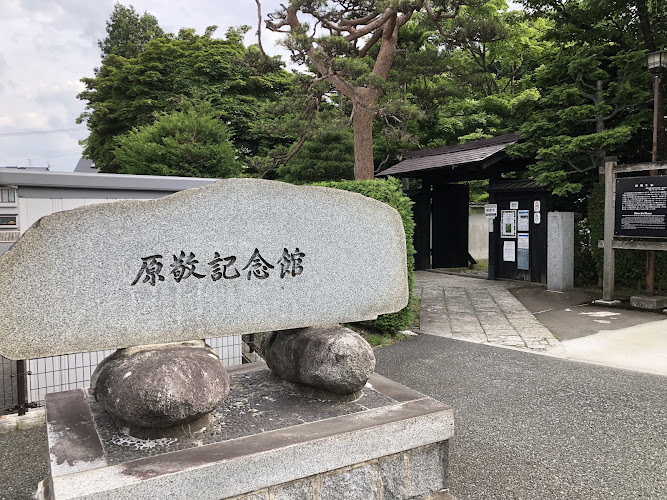
Hara-Kei Memorial Museum
盛岡大仏
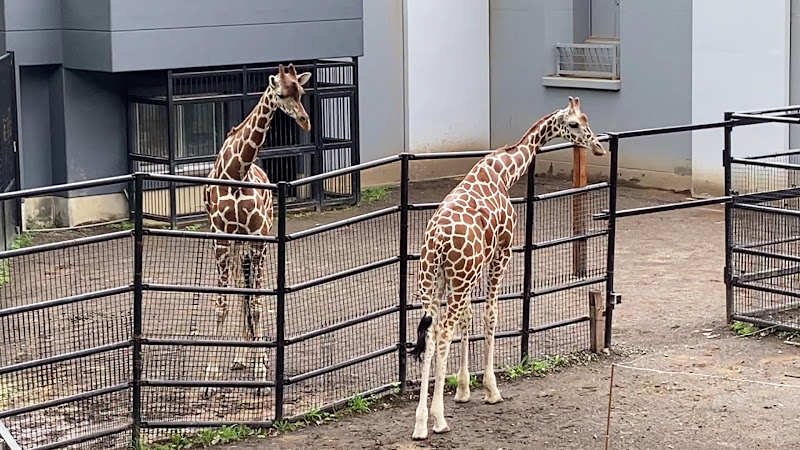
Morioka Zoological Park ZOOMO
Find Accommodations Nearby
Recommended Tours & Activities
Visitor Reviews
There are no reviews yet. Be the first one to write one.
Share Your Experience
Have you visited Iwate Prefectural Museum? Help other travelers by leaving a review.