
Itaúnas dunes
About Itaúnas dunes
Key Features
More Details
Updated April 16, 2024
Trilha de Itaúnas: a Rede Brasileira de Trilhas chega ao Espírito Santo …
## Itaúnas Dunes (Dunas de Itaúnas): what to know before you walk the sand sea in Espírito Santo, Brazil
If you’re chasing a dune landscape that actually feels wild—where Atlantic winds shape the sand, and protected restinga ecosystems sit right beside the beach—the Itaúnas Dunes are the headline act inside Parque Estadual de Itaúnas (Itaúnas State Park), in the municipality of Conceição da Barra, northern Espírito Santo.
Your key coordinates for navigation:
– Coordinates: -18.4136137, -39.7004252 (as provided)
### Where you are, exactly
Itaúnas is commonly referenced as the Vila de Itaúnas (the village) and the surrounding protected area. The state park protects a coastal strip with dunes, beaches, marshes/wetlands, mangroves, and restinga forest—a mix that’s increasingly rare along developed parts of Brazil’s coast.
—
## The park context that makes the dunes more than “just dunes”
The dunes are part of Parque Estadualênc. Estadual de Itaúnas (PEI), created on 8 November 1991, with a reported area of 3,481 hectares.
The official park page also notes that in 1986 the Itaúnas dunes were listed (tombadas) as a natural monument of Espírito Santo by the state cultural council.
A few details worth knowing because they shape your visit:
– Visitor center hours: open daily 08:00–17:00 (per the state environmental institute).
– Entry fee: free visitation is explicitly stated on the official park page.
– Vehicles: the park’s official guidance highlights that motor vehicles are prohibited on beaches, dunes, and trails without authorization.
– No pets: visitors are told not to bring pets.
Those aren’t “nice-to-haves”—they’re the rules that keep the dunes and restinga stable and reduce erosion and wildlife disturbance.
—
## The story travelers miss: a “buried village” isn’t marketing copy here
The park description from Espírito Santo’s environmental agency says visitors will find “the rich history of the old village, buried by the dunes” (in Portuguese: vila antiga, soterrada pelas dunas).
That single line matters: it signals that Itaúnas isn’t only a scenic stop—it’s also a landscape shaped by shifting sand and human settlement patterns along a highly dynamic coast.
—
## What to do at Itaúnas Dunes (without breaking the place)
You can keep this simple and still have a full day.
### 1) Walk the dunes for the viewpoints
The dunes are the main draw because they give you broad sightlines over the coastline and the Atlantic—a classic “sand sea meets ocean” contrast. (This is the defining landscape described by the park and commonly shown in imagery and trail listings.)
Practical advice (not a rule, but smart):
– Bring water and sun protection. Dune walking is fully exposed.
– Wear footwear you can dump sand out of easily.
### 2) Pair dunes + beach, on foot
A practical constraint from park and visitor descriptions: access is on foot in the dune zone, and that’s part of the experience—expect sand underfoot, and plan accordingly.
### 3) Go beyond “one dune”: trails and mapped attractions exist
The park lists named trails and points of interest (for example, Trilha do Tamandaré, Buraco do Bicho/Trilha da Borboleta, and cultural/history-related stops).
If you’re building an itinerary, this is your cue that Itaúnas isn’t meant to be treated as a single photo-op.
—
## Rules and low-friction “leave no trace” that the park explicitly asks for
The official guidance is unusually direct (and worth respecting):
– Bring your trash back (traga seu lixo de volta).
– No graffiti and no collecting.
– No fires.
– Turn off loud speakers (desligue as caixas de som).
– No pets.
This isn’t performative conservation. Dunes and restinga are sensitive systems; trampling, vehicles, noise, and fire risk stack fast.
—
## How to get to Itaúnas (reliable, high-level routing)
If you’re coming from Espírito Santo’s capital region (Vitória), Rome2rio lists a common route via São Mateus, continuing onward to Itaúnas, with a reported total travel time on the order of 6–7 hours depending on connections.
That aligns with the reality that Itaúnas sits in the far north of the state, closer to the Bahia border than to Vitória.
Local addressing (useful for drivers and taxis):
– The park’s official contact section lists the address as Rua Bento Daher, s/n, Vila de Itaúnas, Conceição da Barra–ES.
– Your dataset’s road reference (ES-209 – Itaúnas) is consistent with how people describe the approach route into the district.
—
## Cultural calendar (real, named events—not vague “festivities”)
The official park description highlights several cultural expressions—Ticumbi, Alardo, Jongo, and Reis de Bois—linked to January celebrations of São Sebastião and São Benedito, and it also names the Festival Nacional de Forró de Itaúnas held in July.
If you’re timing a trip, those are concrete anchors to research for the specific year.
—
## Quick facts for trip planning
– Place name: Itaúnas (Tupi-Guarani origin; the park page gives the meaning as “pedra preta” / “black stone,” with two origin explanations).
– Protected area: Parque Estadual de Itaúnas (state park), 3,481 ha, created 1991.
– Biomes/ecosystems mentioned: Atlantic Forest biome; restinga, mangrove, dunes, tabuleiro forest, wetlands.
– Visitor center: daily 08:00–17:00, free visitation.
– Important restriction: no motor vehicles on beaches/dunes/trails without authorization.
—
## Two contextual internal links to add (editor notes)
Because I don’t have your RealJourneyTravels.com URL structure in this prompt, I’m not going to invent exact slugs. Here are two contextual internal link placements that usually improve engagement + topical clustering:
– Internal link suggestion #1 (context: planning): link “Espírito Santo travel guide” in the How to get to Itaúnas section.
– Internal link suggestion #2 (context: beach pairing): link “Best beaches in Brazil (by state)” in the Pair dunes + beach section.
—
## Outdated-data check (what I can verify)
The official park page is marked “Atualizado em 29.10.2025” (updated Oct 29, 2025).
Even so, hours, access rules, and transport operators can change—so if you publish this, keep the visitor-center hours and contact details attributed to the official page and re-check before each major content refresh.
—
If you want, paste your preferred internal link targets (two URLs) and I’ll slot them in cleanly with anchor text that matches your Discover/CTR style.
Table of Contents
Key Highlights
Itaúnas dunes
Location
Places to Stay Near Itaúnas dunes
Find and Book a Tour
Explore More Travel Guides
No reviews found! Be the first to review!
Traveler Reviews for Itaúnas dunes
There are no reviews yet. Be the first one to write one.
Have you visited Itaúnas dunes? Help other travelers by sharing your review.
You Might Also Like
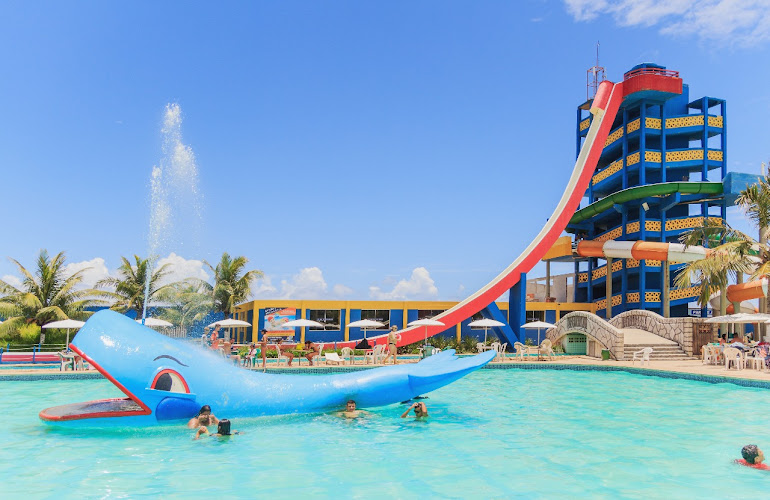
Guriri Beach Acqua Park
Go Inn São Mateus
Fundação da Casa de Mateus
Find Accommodations Nearby
Recommended Tours & Activities
Visitor Reviews
There are no reviews yet. Be the first one to write one.
Share Your Experience
Have you visited Itaúnas dunes? Help other travelers by leaving a review.