
Iskenderun Naval Museum
About Iskenderun Naval Museum
Description
The Iskenderun Naval Museum is one of those places that quietly surprises you. It’s not the kind of museum that shouts for attention, but once you step inside, you realize how much history and pride it holds. Housed in a beautifully restored early 20th-century building, the museum tells the story of Turkey’s naval legacy, the maritime importance of Iskenderun, and the fascinating history of the Hatay region’s integration into modern Turkey. It’s the third official naval museum in the country, opened to the public in 2009, yet it feels deeply personal—like a love letter to the sea and the people who’ve lived by it for generations.
The building itself has a story. Originally purchased by the Turkish Naval Forces in 1942, it served as an administrative office for decades before being transformed into a museum. You can still feel that sense of service and duty in its walls. The rooms are airy, with a mix of modern displays and historical artifacts that range from model ships and naval uniforms to detailed maps and documents. The museum doesn’t overwhelm you—it invites you to linger, to imagine the lives of sailors who once patrolled these waters, and to think about how this port city has always been a gateway between continents.
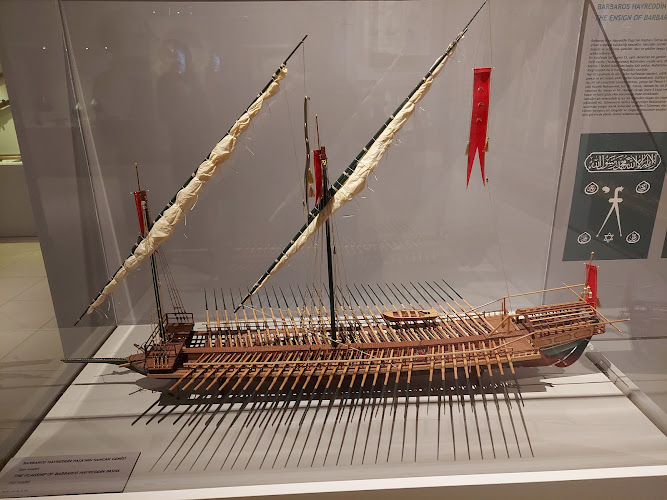
What makes it special, at least to me, is how it balances military pride with human stories. There’s a section dedicated to the Ottoman Navy, another to the Republic era, and even one that touches on the local maritime culture of Iskenderun. You’ll find photos, personal letters, and even miniature armadas that make you feel like a kid again. And yes, there’s something oddly calming about standing in front of a detailed model ship, tracing your finger along its deck, and realizing how much craftsmanship went into it.
Visitors tend to describe the museum as peaceful and educational, though some wish it were larger. Fair enough—it’s not massive, but it’s thoughtfully curated. The staff are friendly, always ready to answer questions, and the atmosphere is relaxed. It’s wheelchair accessible, has clean restrooms, and is surprisingly good for kids (there’s something about ships that always catches their imagination). If you’re the kind of traveler who enjoys understanding a place through its stories rather than just its sights, this museum will quietly win you over.
Key Features
- Exhibits covering the history of the Turkish Navy, from the Ottoman Empire to the modern Republic
- Detailed model ships and naval artifacts that showcase centuries of maritime craftsmanship
- Dedicated room highlighting the role of Iskenderun and Hatay in Turkey’s naval and national history
- Interactive displays and English-language descriptions for international visitors
- Wheelchair-accessible entrance and parking, making it inclusive for all travelers
- Peaceful atmosphere ideal for families, history buffs, and solo travelers
- Knowledgeable staff who offer insights into the exhibits and the building’s past
Best Time to Visit
Honestly, there’s no bad time to visit the Iskenderun Naval Museum, but if you want to make the most of your trip, aim for spring or early autumn. The weather in Iskenderun can get quite warm in summer—sometimes uncomfortably so—so visiting between March and May or September and November is perfect. During these months, the sea breeze makes walking along Atatürk Boulevard (where the museum is located) genuinely pleasant.
If you’re a photography enthusiast, mornings are your best bet. The sunlight filters beautifully through the museum’s windows, casting soft shadows on the exhibits. And if you’re the type who enjoys fewer crowds, weekdays are much quieter. Weekends tend to bring in local families and school groups, which adds a nice buzz but can make it harder to linger over the details.
The museum isn’t an all-day attraction, so you can easily pair your visit with a stroll along the waterfront or a coffee at one of the nearby cafés. There’s something special about stepping out of the museum and seeing the real sea just a few minutes away—it gives the whole experience a satisfying sense of continuity.
How to Get There
Getting to the Iskenderun Naval Museum is straightforward, no matter how you’re traveling. If you’re already in Iskenderun, most locals know exactly where it is—just mention the naval museum, and they’ll point you in the right direction. The museum sits along one of the city’s main boulevards, so it’s easily accessible by car, taxi, or even on foot if you’re staying nearby.
For those coming from other parts of Hatay Province or neighboring cities like Antakya, regular buses and minibuses connect to Iskenderun. Once you arrive at the main bus terminal, it’s a short taxi ride to the museum. If you prefer driving, parking is available close by, and the area is well signposted.
If you’re the kind of traveler who enjoys a bit of adventure, you can even take the scenic coastal route from Adana or Mersin. The drive offers lovely sea views and a few great roadside spots for Turkish tea. Just don’t rush it—half the charm of visiting Iskenderun is soaking in the journey itself.
Tips for Visiting
A few practical tips can make your visit smoother and more enjoyable. First off, check the opening hours before you go. The museum generally follows standard government museum hours, but it’s always good to confirm since public holidays can affect schedules. Admission fees are modest, and sometimes there are free entry days for students or special events—worth asking about at the entrance.
Since there’s no restaurant on-site, plan to eat before or after your visit. Luckily, there are plenty of local eateries nearby serving everything from fresh seafood to the famous İskenderun döner (trust me, it’s different from what you’ve had elsewhere). Bring a bottle of water, especially if you’re visiting during warmer months, and wear comfortable shoes—while the museum isn’t huge, you’ll likely want to explore the surrounding area afterward.
Photography is generally allowed, but always double-check before snapping pictures, especially in sections with sensitive historical documents. And if you’re traveling with kids, encourage them to look closely at the ship models—they’re intricate and spark a lot of curiosity. The staff are usually happy to share stories that make the exhibits come alive for younger visitors.
Here’s a little personal note: when I first visited, I wasn’t expecting much. I thought it’d be a quick stop, maybe half an hour tops. But I ended up staying nearly two hours, chatting with a retired naval officer who volunteers there. He told me stories about the early days of the Turkish Navy that you won’t find in any guidebook. That, for me, is what makes this museum special—it’s not just about artifacts; it’s about people and pride and the sea that ties them all together.
Before you leave, take a moment in the courtyard or by the entrance to look up at the Turkish flag fluttering above the building. It’s a quiet reminder of the country’s maritime heritage and the generations who’ve served to protect it. The Iskenderun Naval Museum may not be the largest or flashiest museum you’ll visit, but it has heart—and that, in my book, counts for a lot.
Key Features
- Exhibits covering the history of the Turkish Navy, from the Ottoman Empire to the modern Republic
- Detailed model ships and naval artifacts that showcase centuries of maritime craftsmanship
- Dedicated room highlighting the role of Iskenderun and Hatay in Turkey’s naval and national history
- Interactive displays and English-language descriptions for international visitors
- Wheelchair-accessible entrance and parking, making it inclusive for all travelers
- Peaceful atmosphere ideal for families, history buffs, and solo travelers
- Knowledgeable staff who offer insights into the exhibits and the building’s past
You Might Also Like

*BDT BELEK DOGA TOUR | Daily Tours, Day Trips and Excursions in Antalya*
1464. Sk. No:55

2006. Sk. No:2
Tours & Activities
GetYourGuide provides this tour inventory. We may earn a commission if you book through it; verify current availability, prices, and terms with the provider.
Visitor Reviews
There are no reviews yet. Be the first one to write one.
Share Your Experience
Have you visited Iskenderun Naval Museum? Help other travelers by leaving a review.