
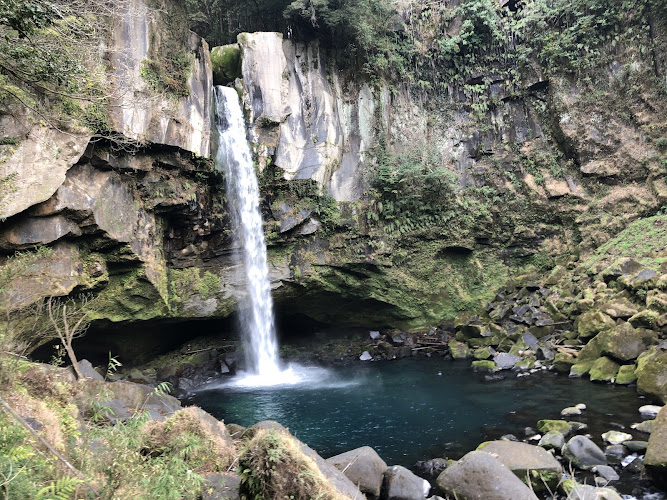
Inukai Falls
About Inukai Falls
Description
Standing at an impressive 36 meters tall and stretching 22 meters wide, Inukai Falls commands respect as the largest waterfall in southern Kyushu. Located in Kirishima City, Kagoshima Prefecture, this natural wonder draws water from the pristine Kirishima mountain range, creating a spectacular cascade that crashes down rocky cliffs with thunderous force.
The waterfall holds deep historical significance beyond its natural beauty. Legend tells us that Wake Kiyomaro, a notable figure from Japan's ancient past, found solace at this very spot after his political exile to Kagoshima in 769 AD. He reportedly spent joyful moments by these waters, finding peace amid his troubles. Even the famous samurai Sakamoto Ryoma was so moved by the magnificent view stretching from the waterfall to Mount Kirishima that he described it as "truly such an extraordinary place that it feels like something out of this world" in a letter to his sister.
But what really sets Inukai Falls apart isn't just its size or history - it's the raw power you feel when standing before it. The mist that rises from the plunge pool creates an almost mystical atmosphere, especially during the early morning hours when sunlight filters through the spray. And trust me, photographs simply don't capture the sheer force of water meeting rock that you experience in person.
The surrounding landscape adds another layer of magnificence to your visit. Dense forests of Japanese cedar and bamboo groves frame the waterfall, while volcanic rock formations tell the story of Kyushu's fiery geological past. The clear mountain stream that feeds the falls remains remarkably pristine, reflecting the excellent environmental stewardship of the region.
Key Features
Visitors to Inukai Falls will discover several remarkable features that make this destination truly special:
- Massive scale and power - At 36 meters high and 22 meters wide, the sheer volume of water creates an awe-inspiring spectacle that dwarfs most other waterfalls in the region
- Crystal-clear mountain water - Fed directly from the Kirishima mountain range, the water maintains exceptional purity and clarity throughout the year
- Rich historical connections - Associated with both Wake Kiyomaro and Sakamoto Ryoma, offering visitors a tangible link to Japan's fascinating past
- Dramatic volcanic landscape - Surrounded by unique rock formations created by ancient volcanic activity, providing a geological education alongside natural beauty
- Pristine forest setting - Dense woodland of native species creates a secluded, almost sacred atmosphere around the falls
- Photography opportunities - Multiple vantage points allow for stunning shots of both the waterfall and surrounding mountain vistas
- Negative ion benefits - The crashing water generates high concentrations of negative ions, which many believe promote relaxation and well-being
- Seasonal variations - Water flow changes throughout the year, offering different experiences depending on when you visit
Best Time to Visit
Timing your visit to Inukai Falls can make the difference between a good experience and an absolutely unforgettable one. Each season offers its own unique charm, though some periods definitely have advantages over others.
Spring (March to May) brings renewed life to the surrounding forests, with fresh green leaves creating a vibrant backdrop for the falls. The water flow is typically robust from winter snowmelt, making this an excellent time for dramatic photography. However, you might encounter occasional crowds as Japanese tourists embrace the pleasant weather for their hanami excursions.
Summer (June to August) presents a double-edged experience. The rainy season in early summer can dramatically increase water volume, creating the most powerful display you'll witness all year. But the humidity can be intense, and the increased water flow sometimes makes access paths muddy or even dangerous. Late summer offers more stable conditions, though temperatures can soar.
Autumn (September to November) might just be the sweet spot for most visitors. The fall foliage creates a stunning contrast against the white cascade, water levels remain substantial from summer rains, and the cooler temperatures make hiking more comfortable. Plus, the tourist crowds thin out considerably after the summer rush.
Winter (December to February) transforms Inukai Falls into something almost otherworldly. While water flow decreases, occasional frost creates ice formations around the edges of the falls that glisten like jewels in the morning sun. The bare trees reveal views of the waterfall that remain hidden during other seasons, though you'll need to bundle up against the mountain chill.
For optimal conditions, I'd recommend visiting on weekday mornings during October or November. You'll avoid crowds, enjoy perfect lighting for photography, and experience the falls at their most photogenic with autumn colors as a backdrop.
How to Get There
Getting to Inukai Falls requires some planning, but the journey itself becomes part of the adventure. The waterfall sits relatively close to Wake Shrine, making it possible to combine both destinations in a single trip.
If you're starting from Kagoshima City, your best bet is driving or taking public transportation to the Myoken Onsen area first. The drive takes approximately 45 minutes to an hour, depending on traffic and road conditions. From Kagoshima Airport, the journey is slightly shorter at around 35-40 minutes.
Public transportation requires a bit more coordination but remains perfectly feasible. Take the JR Nippo Line from Kagoshima-Chuo Station to Kareigawa Station, then transfer to a local bus heading toward the Myoken Onsen district. The total journey time runs about 90 minutes, not including waiting periods between connections.
Once you reach the general area, you'll need to navigate smaller local roads to reach the waterfall access point. Having a rental car definitely makes this portion easier, as bus service to the immediate vicinity can be infrequent. GPS navigation works reasonably well, though cellular service can become spotty as you get closer to the falls.
The final approach involves a short hike from the parking area. Don't expect a paved walkway - this is genuine mountain terrain with uneven surfaces and occasional steep sections. The trail takes most people 15-20 minutes each way, though you'll want to budget extra time for photography and simply taking in the surroundings.
Parking availability can be limited during peak seasons, so arriving early in the day (before 10 AM) significantly improves your chances of finding a convenient spot. The access road can become quite narrow in places, making it challenging when multiple cars need to pass each other.
Tips for Visiting
Making the most of your Inukai Falls experience requires some preparation and insider knowledge that most guidebooks won't tell you. After all, this isn't your typical tourist destination with gift shops and visitor centers.
First and foremost, wear appropriate footwear. I cannot stress this enough - those Instagram-worthy photos you've seen were probably not taken by someone wearing flip-flops or dress shoes. The trail can be slippery, especially after rain, and the rocks near the waterfall become wet from constant mist. Hiking boots or at least sturdy athletic shoes with good grip are essential.
Bring a waterproof bag or cover for your camera and phone. The mist from the falls extends further than you might expect, and electronics don't appreciate the constant moisture. Many visitors learn this lesson the hard way when their phone suddenly stops working halfway through their photo session.
Pack light refreshments and water, particularly if you're visiting during warmer months. There are no facilities near the waterfall itself, and the combination of hiking and humid air can leave you surprisingly thirsty. However, don't overdo it - you'll need to carry everything in and out.
Consider bringing a small towel or extra shirt. The mist feels refreshing at first, but after spending time photographing and exploring around the falls, you might find yourself more damp than comfortable for the hike back to your car.
Respect the natural environment and local customs. This isn't a theme park - it's a sacred natural space with historical significance. Keep noise levels down, don't leave any trash behind, and be mindful of other visitors who may be seeking a peaceful experience.
Check weather conditions before heading out, especially during typhoon season or winter months. Heavy rains can make the access trail dangerous, while drought conditions might leave you disappointed with reduced water flow. Local tourism offices can provide current conditions if you're unsure.
If you're combining your visit with Wake Shrine, plan your route carefully. The shrine makes an excellent starting or ending point, but the walking paths between locations aren't always obvious to first-time visitors.
Finally, allow more time than you think you'll need. The combination of hiking, photography, and simply absorbing the natural beauty typically takes longer than anticipated. Plus, rushing through such a remarkable location would be a genuine shame.
Key Features
- Key Features
- Best Time to Visit
- How to Get There
- Tips for Visiting
More Details
Updated September 14, 2025
Table of Contents
Description
Standing at an impressive 36 meters tall and stretching 22 meters wide, Inukai Falls commands respect as the largest waterfall in southern Kyushu. Located in Kirishima City, Kagoshima Prefecture, this natural wonder draws water from the pristine Kirishima mountain range, creating a spectacular cascade that crashes down rocky cliffs with thunderous force.
The waterfall holds deep historical significance beyond its natural beauty. Legend tells us that Wake Kiyomaro, a notable figure from Japan’s ancient past, found solace at this very spot after his political exile to Kagoshima in 769 AD. He reportedly spent joyful moments by these waters, finding peace amid his troubles. Even the famous samurai Sakamoto Ryoma was so moved by the magnificent view stretching from the waterfall to Mount Kirishima that he described it as “truly such an extraordinary place that it feels like something out of this world” in a letter to his sister.
But what really sets Inukai Falls apart isn’t just its size or history – it’s the raw power you feel when standing before it. The mist that rises from the plunge pool creates an almost mystical atmosphere, especially during the early morning hours when sunlight filters through the spray. And trust me, photographs simply don’t capture the sheer force of water meeting rock that you experience in person.
The surrounding landscape adds another layer of magnificence to your visit. Dense forests of Japanese cedar and bamboo groves frame the waterfall, while volcanic rock formations tell the story of Kyushu’s fiery geological past. The clear mountain stream that feeds the falls remains remarkably pristine, reflecting the excellent environmental stewardship of the region.
Key Features
Visitors to Inukai Falls will discover several remarkable features that make this destination truly special:
- Massive scale and power – At 36 meters high and 22 meters wide, the sheer volume of water creates an awe-inspiring spectacle that dwarfs most other waterfalls in the region
- Crystal-clear mountain water – Fed directly from the Kirishima mountain range, the water maintains exceptional purity and clarity throughout the year
- Rich historical connections – Associated with both Wake Kiyomaro and Sakamoto Ryoma, offering visitors a tangible link to Japan’s fascinating past
- Dramatic volcanic landscape – Surrounded by unique rock formations created by ancient volcanic activity, providing a geological education alongside natural beauty
- Pristine forest setting – Dense woodland of native species creates a secluded, almost sacred atmosphere around the falls
- Photography opportunities – Multiple vantage points allow for stunning shots of both the waterfall and surrounding mountain vistas
- Negative ion benefits – The crashing water generates high concentrations of negative ions, which many believe promote relaxation and well-being
- Seasonal variations – Water flow changes throughout the year, offering different experiences depending on when you visit
Best Time to Visit
Timing your visit to Inukai Falls can make the difference between a good experience and an absolutely unforgettable one. Each season offers its own unique charm, though some periods definitely have advantages over others.
Spring (March to May) brings renewed life to the surrounding forests, with fresh green leaves creating a vibrant backdrop for the falls. The water flow is typically robust from winter snowmelt, making this an excellent time for dramatic photography. However, you might encounter occasional crowds as Japanese tourists embrace the pleasant weather for their hanami excursions.
Summer (June to August) presents a double-edged experience. The rainy season in early summer can dramatically increase water volume, creating the most powerful display you’ll witness all year. But the humidity can be intense, and the increased water flow sometimes makes access paths muddy or even dangerous. Late summer offers more stable conditions, though temperatures can soar.
Autumn (September to November) might just be the sweet spot for most visitors. The fall foliage creates a stunning contrast against the white cascade, water levels remain substantial from summer rains, and the cooler temperatures make hiking more comfortable. Plus, the tourist crowds thin out considerably after the summer rush.
Winter (December to February) transforms Inukai Falls into something almost otherworldly. While water flow decreases, occasional frost creates ice formations around the edges of the falls that glisten like jewels in the morning sun. The bare trees reveal views of the waterfall that remain hidden during other seasons, though you’ll need to bundle up against the mountain chill.
For optimal conditions, I’d recommend visiting on weekday mornings during October or November. You’ll avoid crowds, enjoy perfect lighting for photography, and experience the falls at their most photogenic with autumn colors as a backdrop.
How to Get There
Getting to Inukai Falls requires some planning, but the journey itself becomes part of the adventure. The waterfall sits relatively close to Wake Shrine, making it possible to combine both destinations in a single trip.
If you’re starting from Kagoshima City, your best bet is driving or taking public transportation to the Myoken Onsen area first. The drive takes approximately 45 minutes to an hour, depending on traffic and road conditions. From Kagoshima Airport, the journey is slightly shorter at around 35-40 minutes.
Public transportation requires a bit more coordination but remains perfectly feasible. Take the JR Nippo Line from Kagoshima-Chuo Station to Kareigawa Station, then transfer to a local bus heading toward the Myoken Onsen district. The total journey time runs about 90 minutes, not including waiting periods between connections.
Once you reach the general area, you’ll need to navigate smaller local roads to reach the waterfall access point. Having a rental car definitely makes this portion easier, as bus service to the immediate vicinity can be infrequent. GPS navigation works reasonably well, though cellular service can become spotty as you get closer to the falls.
The final approach involves a short hike from the parking area. Don’t expect a paved walkway – this is genuine mountain terrain with uneven surfaces and occasional steep sections. The trail takes most people 15-20 minutes each way, though you’ll want to budget extra time for photography and simply taking in the surroundings.
Parking availability can be limited during peak seasons, so arriving early in the day (before 10 AM) significantly improves your chances of finding a convenient spot. The access road can become quite narrow in places, making it challenging when multiple cars need to pass each other.
Tips for Visiting
Making the most of your Inukai Falls experience requires some preparation and insider knowledge that most guidebooks won’t tell you. After all, this isn’t your typical tourist destination with gift shops and visitor centers.
First and foremost, wear appropriate footwear. I cannot stress this enough – those Instagram-worthy photos you’ve seen were probably not taken by someone wearing flip-flops or dress shoes. The trail can be slippery, especially after rain, and the rocks near the waterfall become wet from constant mist. Hiking boots or at least sturdy athletic shoes with good grip are essential.
Bring a waterproof bag or cover for your camera and phone. The mist from the falls extends further than you might expect, and electronics don’t appreciate the constant moisture. Many visitors learn this lesson the hard way when their phone suddenly stops working halfway through their photo session.
Pack light refreshments and water, particularly if you’re visiting during warmer months. There are no facilities near the waterfall itself, and the combination of hiking and humid air can leave you surprisingly thirsty. However, don’t overdo it – you’ll need to carry everything in and out.
Consider bringing a small towel or extra shirt. The mist feels refreshing at first, but after spending time photographing and exploring around the falls, you might find yourself more damp than comfortable for the hike back to your car.
Respect the natural environment and local customs. This isn’t a theme park – it’s a sacred natural space with historical significance. Keep noise levels down, don’t leave any trash behind, and be mindful of other visitors who may be seeking a peaceful experience.
Check weather conditions before heading out, especially during typhoon season or winter months. Heavy rains can make the access trail dangerous, while drought conditions might leave you disappointed with reduced water flow. Local tourism offices can provide current conditions if you’re unsure.
If you’re combining your visit with Wake Shrine, plan your route carefully. The shrine makes an excellent starting or ending point, but the walking paths between locations aren’t always obvious to first-time visitors.
Finally, allow more time than you think you’ll need. The combination of hiking, photography, and simply absorbing the natural beauty typically takes longer than anticipated. Plus, rushing through such a remarkable location would be a genuine shame.
Key Highlights
- Key Features
- Best Time to Visit
- How to Get There
- Tips for Visiting
Location
Places to Stay Near Inukai Falls
Find and Book a Tour
Explore More Travel Guides
No reviews found! Be the first to review!
Traveler Reviews for Inukai Falls
There are no reviews yet. Be the first one to write one.
Have you visited Inukai Falls? Help other travelers by sharing your review.
You Might Also Like
Kagoshima Shrine

Wake Shrine
Kirishima Jingu
Find Accommodations Nearby
Recommended Tours & Activities
Visitor Reviews
There are no reviews yet. Be the first one to write one.
Share Your Experience
Have you visited Inukai Falls? Help other travelers by leaving a review.