
Kirishima Jingu
About Kirishima Jingu
Key Features
More Details
Updated April 16, 2024
Kirishima-jingu Shrine | KYUSHU x TOKYO (JAPAN)
## Kirishima Jingu (霧島神宮): What to Know Before You Go
Kirishima Jingu is a major Shinto shrine in Kirishima City, Kagoshima Prefecture, on Japan’s southern island of Kyushu. The shrine is strongly tied to Japanese mythology—particularly the story of Ninigi-no-Mikoto’s descent to earth in the Kirishima mountains area—and it’s also a practical, easy day trip if you’re basing yourself around Kagoshima Airport, Kirishima Onsen, or Kagoshima City. Travel
What makes Kirishima Jingu worth planning for is the combination of:
– Mythology that’s “mapped” onto real geography (Takachiho-no-Mine / Kirishima range context) Travel
– An access setup that’s unusually straightforward for a mountain-area shrine (train + bus options, plus airport connections) かごしまへの旅
—
## Quick facts (for trip planning)
– Address: 2608-5 Kirishimataguchi, Kirishima, Kagoshima 899-4201, Japan かごしまへの旅
– Phone: 0995-57-0001 (Japan domestic format) かごしまへの旅
– Type: Shinto shrine Travel
– Enshrined deity (commonly cited): Ninigi-no-Mikoto Travel
### Hours: what’s consistent, what isn’t
Different official/tourism listings describe hours in different ways:
– One Kyushu tourism listing shows 8:00–17:00. Kyushu
– Other guides describe the shrine as always open (which often means the grounds are accessible beyond office hours). LUCK TRIP)
Practical takeaway: plan your visit in the daytime (especially if you want amulets, goshuin stamp, or any staffed services) and treat “always open” claims as grounds access, not guaranteed staffed counters. The safest planning window is within the published daytime hours. Kyushu
—
## Why Kirishima Jingu matters in Japanese mythology
Kirishima Jingu is closely associated with the mythic narrative around Ninigi-no-Mikoto, who is described in tourism materials as the grandson of the Sun Goddess (Amaterasu) and linked in tradition to the imperial lineage narrative (as an ancestor of Emperor Jimmu). Travel
The shrine’s setting is part of the point. National Parks of Japan notes the shrine’s location at the foot of Mount Takachiho-no-Mine, an important site in the same mythic geography. If you’re the kind of traveler who likes your history grounded in place, this is one of the clearest “myth → landscape” connections you’ll find in Kyushu. Travel
—
## What to look for on site (and how to experience it respectfully)
Even if you’re not religious, Shinto shrines work best when you slow down and follow the basic flow. You’re entering a living religious site, not a museum.
### 1) Approach and torii gate(s)
At many shrines, the path from the entrance functions as a transition from everyday space to sacred space. Standard etiquette is to walk slightly to the side of the central approach rather than directly down the middle (the center is traditionally treated as the “path of the kami”). This is widely taught shrine etiquette across Japan, including at major shrines managed for visitors. Travel
### 2) Purification at the temizuya (water pavilion), if available
If the water pavilion is in use, you’ll typically rinse hands and mouth before approaching the main hall. Not every pavilion is always operating, and practices can be adjusted for health/safety policies, so treat signage on site as the authority.
### 3) Main hall worship (haiden/honden area)
Kirishima Jingu is presented in official tourism materials as the place where Ninigi-no-Mikoto is enshrined. Your “goal” as a visitor can be as simple as a respectful visit: quiet, no flash in sensitive areas, and following posted rules. Travel
### 4) Amulets, charms, and goshuin (temple/shrine stamps)
If you collect goshuin or want omamori (protective amulets), go during staffed hours (see hours note above). Kyushu
—
## Getting to Kirishima Jingu
Kirishima Jingu is reachable by train + bus, or by bus connections that link toward Kagoshima Airport.
### By train + local bus (common approach)
– You can reach JR Kirishima-Jingū Station via the JR Nippo Main Line (tourism materials reference access from Kagoshima-Chuo via JR). かごしまへの旅
– From the station, multiple sources describe a bus connection to the shrine. One guide summarizes it as around 15 minutes by bus from Kirishima-Jingū Station to a stop for Kirishima Jingu. LUCK TRIP)
Planning tip: bus frequency in rural sightseeing areas can be limited. Japan-guide notes that buses in the broader Kirishima area can be infrequent. Even if you’re only going station → shrine → station, build in buffer time. Guide
### From Kagoshima Airport (bus connection)
Kagoshima’s official tourism site describes reaching Kirishima Jingu from Kagoshima Airport by an “Access Bus” in about 1 hour. かごしまへの旅
A Kirishima City bus timetable PDF (dated “As of October 1, 2025”) shows Kirishima Jingu Access Bus routes that include Kagoshima Airport, Kirishima Jingu (Shrine), and Kirishima Jingu Station, with multiple departures in the day.
Outdated-data flag: timetables change seasonally and after operator revisions. Treat any PDF schedule as a snapshot and verify close to travel day.
—
## How long to spend (realistic pacing)
A typical visit often fits into:
– 60–90 minutes for grounds + main worship area at a calm pace
– 2–3 hours if you add time for photography, goshuin/amulets, and a slower circuit
If you’re coordinating with buses, the schedule will often dictate your “on-site time” more than your personal pace.
—
## Pairing Kirishima Jingu with nearby stops
Because Kirishima Jingu sits in the wider Kirishima region, it pairs naturally with:
– Kirishima Onsen area (often accessed via the same station/bus network) Travel
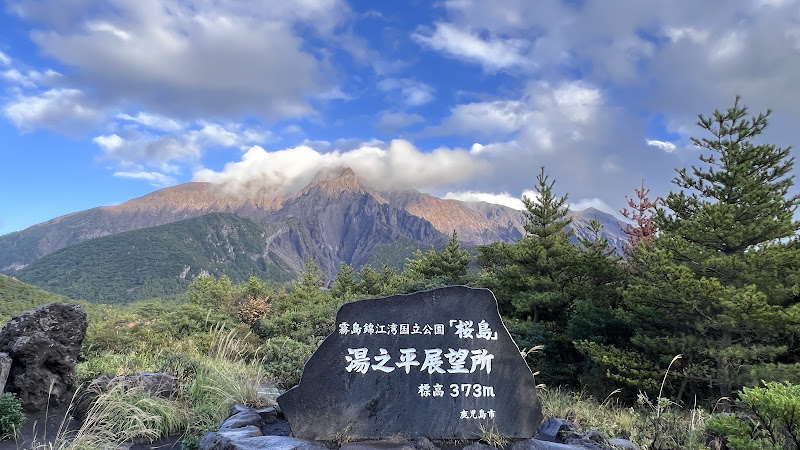
– Kirishima-Kinkowan National Park context (if you’re structuring a nature + culture day) Travel
If you’re aiming for a balanced day, Kirishima Jingu works well as the “culture anchor” before/after a hot-spring soak—especially if you want a calm, low-friction itinerary.
—
## Accessibility, inclusivity, and respectful visiting
– Religious site etiquette matters. Visitors of any background are welcome at major shrines, but behaviors like loud calls, intrusive filming during rituals, or entering restricted zones can be disruptive. Follow posted guidance on site. Travel
– Mobility considerations: shrine grounds often include steps, uneven stone, and slopes. I don’t have a verified accessibility map for Kirishima Jingu specifically in the sources above, so if step-free routes are important, plan to confirm on official channels or on-site signage.
—
## Two contextual internal link opportunities (RealJourneyTravels.com)
If you already have (or plan to publish) these supporting guides, they’re natural internal links from this article:
– Kirishima travel base guide: “Where to Stay in Kirishima (Onsen Areas + Transport Tips)” (example slug: /kirishima/where-to-stay/)
– Kagoshima region transport explainer: “Kagoshima Airport to Kirishima: Trains, Buses, and What to Do if You Miss One” (example slug: /kagoshima/kagoshima-airport-to-kirishima/)
These keep the reader moving from single-attraction intent → trip-planning intent, which tends to lift dwell time and session depth.
—
## Final planning checklist (so you don’t get burned by logistics)
– Visit during daytime hours if you want staffed services (goshuin/amulets). Kyushu
– Screenshot or bookmark the latest bus timetable and verify it close to your visit date.
– If you’re connecting from Kagoshima Airport, plan around the access bus and leave margin for delays. かごしまへの旅
– If you’re continuing to Kirishima Onsen, assume buses can be infrequent and sequence your day accordingly. Guide
Table of Contents
Key Highlights
Kirishima Jingu
Location
Places to Stay Near Kirishima Jingu
Find and Book a Tour
Explore More Travel Guides
No reviews found! Be the first to review!
Traveler Reviews for Kirishima Jingu
There are no reviews yet. Be the first one to write one.
Have you visited Kirishima Jingu? Help other travelers by sharing your review.
You Might Also Like
Kirishima Folk Art Village
Kirishima Kinkowan National Park

Kirishima City Kokubu Local Museum
Find Accommodations Nearby
Recommended Tours & Activities
Visitor Reviews
There are no reviews yet. Be the first one to write one.
Share Your Experience
Have you visited Kirishima Jingu? Help other travelers by leaving a review.