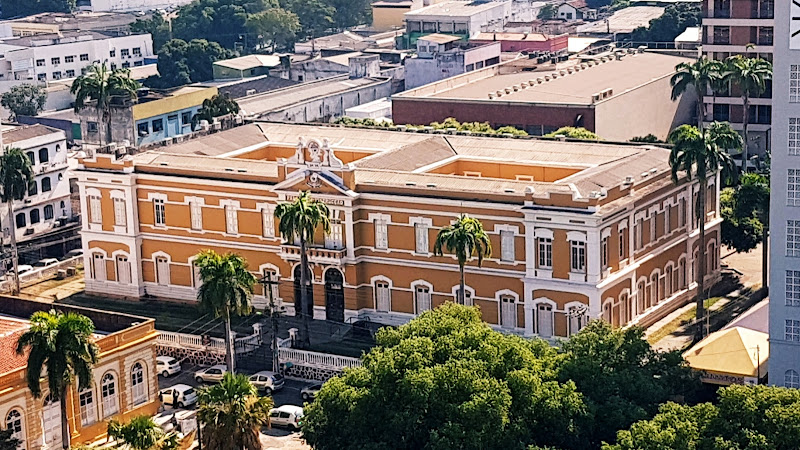
The Instruction Palace stands as a testament to colonial architecture and scholarly heritage, operating today as a library housed within what can only be described as an absolutely stunning mansion from the colonial era.
Highlights & Key Features
Key Features
Best Time to Visit
How to Get There
Tips for Visiting
Visitor Guide & Information
Description
I’ve always found something deeply satisfying about libraries that occupy historical buildings – there’s this palpable connection between the preservation of physical space and the preservation of knowledge that just makes sense, you know? And the Instruction Palace delivers on this front in spades. The building itself tells stories through its architecture, with high ceilings, ornate woodwork, and the kind of craftsmanship that simply doesn’t exist in modern construction. You can spend hours just admiring the structural details before you even crack open a single book.
What makes this place particularly special for travelers is that it’s not just a library in the traditional sense. Sure, there are books – plenty of them – but it’s become a legitimate tourist attraction in its own right. The colonial mansion setting provides an atmospheric backdrop that transforms a simple visit into an experience. The building has been carefully maintained over the years, allowing visitors to appreciate both its historical significance and its continued functionality as a space for learning and discovery.
The exhibits scattered throughout the premises add another layer to the experience, offering glimpses into the region’s educational history and cultural development. These aren’t your typical dusty museum displays either – they’re thoughtfully curated pieces that help contextualize the building’s role in the community’s intellectual life over the decades.
Key Features
The Instruction Palace offers visitors a unique combination of architectural beauty and cultural significance that’s honestly pretty hard to find elsewhere. Here’s what makes this place worth adding to your travel itinerary:
Colonial-Era Architecture: The mansion’s original structure has been preserved with remarkable attention to detail, featuring period-appropriate design elements that transport visitors back in time. The exterior facade alone is worth photographing from multiple angles.
Functioning Library: Unlike many heritage buildings that exist purely as museums, this space continues to serve its original educational purpose. Visitors can observe local scholars and students using the facilities, adding an authentic, living quality to the experience.
Educational Exhibits: Rotating and permanent displays showcase the history of education and literacy in the region, providing context that deepens your understanding of the local culture.
Reading Rooms: Multiple spaces throughout the mansion offer quiet corners for contemplation or reading, each with its own character and architectural features. Some rooms maintain their original furnishings, which is pretty remarkable.
Photographic Opportunities: The building’s exterior and interior spaces provide endless opportunities for photography enthusiasts. The play of natural light through original windows creates particularly stunning effects during certain times of day.
Historical Significance: The building represents an important chapter in colonial-era construction and educational development, making it valuable for history buffs and casual tourists alike.
Peaceful Atmosphere: In a world that’s constantly rushing, this place offers a rare opportunity to slow down and appreciate both architectural beauty and intellectual pursuits in a serene setting.
Best Time to Visit
Timing your visit to the Instruction Palace can make a significant difference in your experience, and I’d recommend giving this some thought before you go. The building operates on standard library hours, which means weekday mornings tend to be quieter – perfect if you’re looking for that contemplative, peaceful atmosphere that really lets you soak in the surroundings.
Early mornings, say between 9 and 11 AM, offer the best natural lighting for photography. The way sunlight filters through those old windows and illuminates the reading rooms is something you’ll want to capture. Plus, you’ll avoid the afternoon heat that can make exploring a non-air-conditioned colonial building somewhat uncomfortable, depending on the season.
If you’re visiting during the academic year, weekday afternoons might be busier with students and researchers, which actually adds to the authentic atmosphere if you don’t mind the activity. There’s something charming about seeing the space being used for its intended purpose rather than existing as an empty historical shell.
Weather-wise, the cooler months generally provide a more comfortable experience for exploring the building’s various rooms and exhibits. But honestly, any time outside of major holidays or local festivals works well since this isn’t the type of attraction that gets overwhelmingly crowded. That said, weekends can see an uptick in tourist visitors, so plan accordingly based on whether you prefer solitude or don’t mind sharing the space.
I’d suggest avoiding the late afternoon hours right before closing – you’ll feel rushed and won’t be able to fully appreciate everything the palace has to offer. Give yourself at least two hours minimum for a proper visit.
How to Get There
Getting to the Instruction Palace is relatively straightforward, though like many heritage buildings in older city districts, it’s located in an area where navigation can get a bit tricky if you’re not familiar with the streets.
Most travelers find that hiring a local taxi or using ride-sharing services is the most convenient option. Drivers in the area are generally familiar with the location, as it’s recognized as a notable landmark. Just mention the Instruction Palace or the colonial library, and you shouldn’t have trouble being understood.
If you’re the type who prefers public transportation – and honestly, it’s a great way to experience local life – buses do service the area, though you might need to walk a short distance from the nearest stop. Ask locals for specific route information, as bus numbering systems can be confusing for visitors. In my experience, people are usually happy to help travelers find their way to significant cultural sites like this one.
For those staying in nearby hotels or guesthouses, walking might actually be feasible depending on your exact location and comfort level with navigating unfamiliar streets. The area around heritage buildings often has interesting architecture and local shops worth exploring on foot anyway.
Parking can be limited if you’re driving yourself, as colonial-era districts weren’t exactly designed with modern vehicle traffic in mind. Street parking exists but fills up quickly during peak hours. Plan to arrive early or be prepared to park a few blocks away and walk.
Tips for Visiting
Before you head to the Instruction Palace, there are several things worth knowing that’ll enhance your experience and help you avoid common pitfalls that many first-time visitors encounter.
First off, dress modestly and comfortably. This is a functioning library in a heritage building, so respectful attire is appreciated. More practically, you’ll be walking through multiple rooms and potentially spending a couple hours exploring, so wear comfortable shoes. The floors in these old colonial buildings can be unforgiving on your feet.
Bring a camera, but be mindful about flash photography. The exhibits and architectural details deserve to be documented, but harsh flashes can damage historical materials and disturb others trying to enjoy the peaceful atmosphere. Natural light photography works beautifully here anyway.
Since it’s an active library, maintain appropriate noise levels. Whispered conversations are fine, but this isn’t the place for loud discussions or phone calls. Actually, you should probably just put your phone on silent altogether – there’s something liberating about disconnecting for a bit in a space like this.
Don’t expect modern amenities everywhere. Heritage buildings have limitations, and part of their charm is their historical authenticity. Restroom facilities might not be as contemporary as you’re used to, and climate control may be minimal or non-existent in certain areas.
If you’re genuinely interested in the exhibits or the building’s history, consider asking if guided tours are available or if staff members can provide additional information. Sometimes the best insights come from people who work in these spaces daily and have accumulated knowledge that isn’t displayed on plaques.
Photography restrictions may apply to certain areas or specific exhibits, so look for signage or ask permission before snapping away. It’d be a shame to accidentally violate rules out of ignorance.
Allocate enough time for your visit – rushing through defeats the purpose entirely. The Instruction Palace rewards slow, thoughtful exploration. Bring a notebook if you’re inclined to jot down observations or sketches. There’s something appropriate about using analog tools in such a historically rich environment.
Finally, remember that this is still a working library serving the local community. Be respectful of students and researchers using the space for its intended purpose. You’re a guest in their study environment, and maintaining that awareness will ensure everyone has a positive experience.
The Instruction Palace stands as a testament to colonial architecture and scholarly heritage, operating today as a library housed within what can only be described as an absolutely stunning mansion from the colonial era. Walking through its doors feels like stepping into a different time period altogether, where the weight of history mingles with the quiet rustle of turning pages and whispered conversations among book lovers.
I’ve always found something deeply satisfying about libraries that occupy historical buildings – there’s this palpable connection between the preservation of physical space and the preservation of knowledge that just makes sense, you know? And the Instruction Palace delivers on this front in spades. The building itself tells stories through its architecture, with high ceilings, ornate woodwork, and the kind of craftsmanship that simply doesn’t exist in modern construction. You can spend hours just admiring the structural details before you even crack open a single book.
What makes this place particularly special for travelers is that it’s not just a library in the traditional sense. Sure, there are books – plenty of them – but it’s become a legitimate tourist attraction in its own right. The colonial mansion setting provides an atmospheric backdrop that transforms a simple visit into an experience. The building has been carefully maintained over the years, allowing visitors to appreciate both its historical significance and its continued functionality as a space for learning and discovery.
The exhibits scattered throughout the premises add another layer to the experience, offering glimpses into the region’s educational history and cultural development. These aren’t your typical dusty museum displays either – they’re thoughtfully curated pieces that help contextualize the building’s role in the community’s intellectual life over the decades.
Key Features
The Instruction Palace offers visitors a unique combination of architectural beauty and cultural significance that’s honestly pretty hard to find elsewhere. Here’s what makes this place worth adding to your travel itinerary:
Colonial-Era Architecture: The mansion’s original structure has been preserved with remarkable attention to detail, featuring period-appropriate design elements that transport visitors back in time. The exterior facade alone is worth photographing from multiple angles.
Functioning Library: Unlike many heritage buildings that exist purely as museums, this space continues to serve its original educational purpose. Visitors can observe local scholars and students using the facilities, adding an authentic, living quality to the experience.
Educational Exhibits: Rotating and permanent displays showcase the history of education and literacy in the region, providing context that deepens your understanding of the local culture.
Reading Rooms: Multiple spaces throughout the mansion offer quiet corners for contemplation or reading, each with its own character and architectural features. Some rooms maintain their original furnishings, which is pretty remarkable.
Photographic Opportunities: The building’s exterior and interior spaces provide endless opportunities for photography enthusiasts. The play of natural light through original windows creates particularly stunning effects during certain times of day.
Historical Significance: The building represents an important chapter in colonial-era construction and educational development, making it valuable for history buffs and casual tourists alike.
Peaceful Atmosphere: In a world that’s constantly rushing, this place offers a rare opportunity to slow down and appreciate both architectural beauty and intellectual pursuits in a serene setting.
Best Time to Visit
Timing your visit to the Instruction Palace can make a significant difference in your experience, and I’d recommend giving this some thought before you go. The building operates on standard library hours, which means weekday mornings tend to be quieter – perfect if you’re looking for that contemplative, peaceful atmosphere that really lets you soak in the surroundings.
Early mornings, say between 9 and 11 AM, offer the best natural lighting for photography. The way sunlight filters through those old windows and illuminates the reading rooms is something you’ll want to capture. Plus, you’ll avoid the afternoon heat that can make exploring a non-air-conditioned colonial building somewhat uncomfortable, depending on the season.
If you’re visiting during the academic year, weekday afternoons might be busier with students and researchers, which actually adds to the authentic atmosphere if you don’t mind the activity. There’s something charming about seeing the space being used for its intended purpose rather than existing as an empty historical shell.
Weather-wise, the cooler months generally provide a more comfortable experience for exploring the building’s various rooms and exhibits. But honestly, any time outside of major holidays or local festivals works well since this isn’t the type of attraction that gets overwhelmingly crowded. That said, weekends can see an uptick in tourist visitors, so plan accordingly based on whether you prefer solitude or don’t mind sharing the space.
I’d suggest avoiding the late afternoon hours right before closing – you’ll feel rushed and won’t be able to fully appreciate everything the palace has to offer. Give yourself at least two hours minimum for a proper visit.
How to Get There
Getting to the Instruction Palace is relatively straightforward, though like many heritage buildings in older city districts, it’s located in an area where navigation can get a bit tricky if you’re not familiar with the streets.
Most travelers find that hiring a local taxi or using ride-sharing services is the most convenient option. Drivers in the area are generally familiar with the location, as it’s recognized as a notable landmark. Just mention the Instruction Palace or the colonial library, and you shouldn’t have trouble being understood.
If you’re the type who prefers public transportation – and honestly, it’s a great way to experience local life – buses do service the area, though you might need to walk a short distance from the nearest stop. Ask locals for specific route information, as bus numbering systems can be confusing for visitors. In my experience, people are usually happy to help travelers find their way to significant cultural sites like this one.
For those staying in nearby hotels or guesthouses, walking might actually be feasible depending on your exact location and comfort level with navigating unfamiliar streets. The area around heritage buildings often has interesting architecture and local shops worth exploring on foot anyway.
Parking can be limited if you’re driving yourself, as colonial-era districts weren’t exactly designed with modern vehicle traffic in mind. Street parking exists but fills up quickly during peak hours. Plan to arrive early or be prepared to park a few blocks away and walk.
Tips for Visiting
Before you head to the Instruction Palace, there are several things worth knowing that’ll enhance your experience and help you avoid common pitfalls that many first-time visitors encounter.
First off, dress modestly and comfortably. This is a functioning library in a heritage building, so respectful attire is appreciated. More practically, you’ll be walking through multiple rooms and potentially spending a couple hours exploring, so wear comfortable shoes. The floors in these old colonial buildings can be unforgiving on your feet.
Bring a camera, but be mindful about flash photography. The exhibits and architectural details deserve to be documented, but harsh flashes can damage historical materials and disturb others trying to enjoy the peaceful atmosphere. Natural light photography works beautifully here anyway.
Since it’s an active library, maintain appropriate noise levels. Whispered conversations are fine, but this isn’t the place for loud discussions or phone calls. Actually, you should probably just put your phone on silent altogether – there’s something liberating about disconnecting for a bit in a space like this.
Don’t expect modern amenities everywhere. Heritage buildings have limitations, and part of their charm is their historical authenticity. Restroom facilities might not be as contemporary as you’re used to, and climate control may be minimal or non-existent in certain areas.
If you’re genuinely interested in the exhibits or the building’s history, consider asking if guided tours are available or if staff members can provide additional information. Sometimes the best insights come from people who work in these spaces daily and have accumulated knowledge that isn’t displayed on plaques.
Photography restrictions may apply to certain areas or specific exhibits, so look for signage or ask permission before snapping away. It’d be a shame to accidentally violate rules out of ignorance.
Allocate enough time for your visit – rushing through defeats the purpose entirely. The Instruction Palace rewards slow, thoughtful exploration. Bring a notebook if you’re inclined to jot down observations or sketches. There’s something appropriate about using analog tools in such a historically rich environment.
Finally, remember that this is still a working library serving the local community. Be respectful of students and researchers using the space for its intended purpose. You’re a guest in their study environment, and maintaining that awareness will ensure everyone has a positive experience.
Explore verified points of interest within walking or short transit distance.
No neighboring places mapped within 5 km yet.
Find Places to Stay Nearby
Stay22 provides this accommodation search. We may earn a commission if you book through it; verify current prices and terms with the provider.
🗺️
Interactive accommodation map requires marketing cookies to display live rates.
Recommended Experiences & Activities
GetYourGuide provides this tour inventory. We may earn a commission if you book through it; verify current availability, prices, and terms with the provider.
Top Viator Experiences & Guided Tours in Cuiabá
We may earn a commission if you book through links on this page at no extra cost to you. All tours feature verified customer reviews and flexible cancellation options.