Guided Sightseeing Tours & Activities in Kuantan
- Browse sightseeing excursions and activities in Kuantan
- Check live availability, rates & traveler reviews on Viator
- Secure online booking with flexible options

Hutan Simpan Beserah represents one of those forest reserves that doesn’t quite get the spotlight it deserves, tucked away in Pahang’s coastal region.
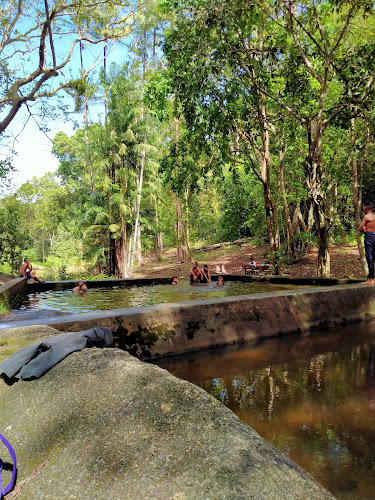
Hutan Simpan Beserah represents one of those forest reserves that doesn’t quite get the spotlight it deserves, tucked away in Pahang’s coastal region. This national reserve serves as a protected forest area where nature enthusiasts and families can experience a slice of Malaysia’s natural heritage without venturing too far from civilization. The reserve has been maintained as part of the country’s commitment to preserving indigenous forest ecosystems while still allowing public access for recreation and education.
What makes this place interesting is how it straddles that line between wild conservation area and accessible recreational spot. You’re not going to find elaborate infrastructure or manicured gardens here—this is genuinely about experiencing the forest in a relatively authentic state. The reserve covers a substantial area of lowland forest, which has become increasingly rare along Malaysia’s developed eastern coastline. And honestly, that’s part of its charm for travelers who’ve had enough of overly commercialized tourist spots.
The forest reserve has gained a reputation among locals as a decent spot for weekend getaways, particularly for families looking to introduce children to natural environments without committing to serious jungle trekking. But I’ll be upfront—this place seems to divide visitors pretty clearly. Some people come here expecting pristine wilderness and extensive facilities, while others appreciate it for what it actually is: a protected forest area with basic amenities that requires visitors to meet nature halfway.
The appeal of Hutan Simpan Beserah lies in its straightforward offerings rather than flashy attractions:
The reserve functions best when visitors adjust their expectations accordingly. This isn’t Taman Negara with its established infrastructure and ranger programs. It’s more like your neighborhood forest that happens to have legal protection and some basic visitor facilities.
Timing your visit to Hutan Simpan Beserah requires thinking about Malaysia’s east coast weather patterns, which can be quite different from the western side of the peninsula. The optimal window generally falls between March and October when the northeast monsoon has backed off and you’re not dealing with persistent rainfall.
I’d personally recommend visiting during the shoulder months of March, April, or September. You’ll dodge the peak holiday crowds that descend during school vacation periods, and the weather tends to be cooperative without being brutally hot. The forest floor stays relatively dry during these months, making exploration more pleasant and less muddy.
Mornings are genuinely the best part of any day at the reserve. Get there between 7 and 9 AM if possible. The temperature stays reasonable, wildlife is more active, and you’ll have trails largely to yourself before families arrive for midday picnics. There’s something special about forest reserves in early morning—the light filters through the canopy differently, and the whole ecosystem seems more alive.
Avoid the monsoon season from November through February unless you enjoy sloshing through waterlogged trails and dealing with sudden downpours. But some travelers actually prefer this period because the forest takes on a completely different character during heavy rains, and you’ll basically have the place to yourself. Just be prepared for muddy conditions and potentially impassable paths.
Weekends and Malaysian public holidays can get crowded, particularly the picnic areas. If you’re seeking solitude or want to experience the forest in relative quiet, weekdays are your friend. The difference between a Saturday afternoon and a Tuesday morning is honestly night and day in terms of atmosphere.
Reaching Hutan Simpan Beserah is relatively straightforward if you’re coming from Kuantan, which serves as the main urban hub for this region. The reserve sits roughly 10 kilometers north of Kuantan town center along the coastal route.
For those driving, you’ll want to head north on Route 3 (the main coastal road) toward Beserah town. The reserve is signposted, though I won’t lie—the signage could be more prominent. Keep your eyes open as you pass through the Beserah area, and don’t hesitate to ask locals if you miss the turning. Malaysian people are generally helpful with directions, and most folks in Beserah know where the forest reserve is located.
Public transportation to the reserve itself is limited, which is something travelers without vehicles need to know upfront. You can take local buses or taxis to Beserah town from Kuantan, but from there you’ll likely need to arrange a taxi or ride-sharing service to actually reach the reserve entrance. It’s not an impossible journey without a car, but it definitely requires more planning and coordination.
If you’re flying into the region, Sultan Ahmad Shah Airport in Kuantan is your closest option. From there, you’re looking at roughly 20-30 minutes drive time depending on traffic conditions. Car rental makes sense if you’re planning to explore multiple sites around Pahang during your trip.
The access road into the reserve itself is paved but can have rough patches, particularly after heavy rains. Standard vehicles handle it fine—you don’t need a 4×4 or anything specialized. Just take it slow if conditions look questionable, especially during or right after the monsoon season.
Actually enjoying Hutan Simpan Beserah comes down to proper preparation and realistic expectations. First off, bring insect repellent. I’m not talking about a little spray bottle—bring proper jungle-strength repellent. Mosquitoes and other biting insects are part of the forest ecosystem, and they’re quite enthusiastic about their work here. Long sleeves and pants aren’t a bad idea either, despite the heat.
Water is essential. There aren’t shops or vendors inside the reserve, so pack more than you think you’ll need. The humidity and temperature, even under forest cover, will have you drinking more than usual. And while we’re talking about supplies, bringing your own food for picnics makes sense since dining options near the entrance are limited.
Wear proper footwear—this isn’t the place for flip-flops unless you’re staying strictly in the developed picnic areas. Trails can be uneven, occasionally muddy, and you’ll want ankle support and grip. Athletic shoes or light hiking boots work well.
The reserve doesn’t have extensive facilities, so manage expectations accordingly. Toilets exist but aren’t always in the best condition. Bring hand sanitizer and tissue paper. There’s no cafe, no gift shop, no visitor center with air conditioning. This is forest reserve visiting in its most basic form.
If you’re bringing children, and this place is actually quite suitable for kids, keep them supervised. The forest is real, which means there are streams to fall into, insects to encounter, and places where a wandering child could get turned around. But that real quality is also what makes it educational—just stay present as a parent or guardian.
Photography works well here, particularly in morning light. But forget about Instagram-perfect waterfall shots or dramatic viewpoints. The beauty here is subtler—forest textures, light patterns through leaves, smaller natural details that reward patient observation.
Check on current conditions before heading out, particularly during transitional weather periods. Sometimes trails get closed for maintenance or heavy rains make certain areas inaccessible. Calling ahead or checking with your accommodation about current reserve status can save a wasted trip.
Finally, practice proper forest etiquette. Take your rubbish with you, stay on designated paths to minimize ecological impact, and keep noise levels reasonable so other visitors can enjoy the natural soundscape. The reserve remains accessible because visitors respect it—that’s a privilege worth maintaining through responsible behavior.
Some travelers come here expecting too much and leave disappointed. Others arrive with modest expectations and discover they genuinely enjoy the low-key forest experience. Which group you fall into largely depends on your mindset and what you’re actually seeking from a nature visit. For families wanting an accessible outdoor experience or travelers craving a break from coastal humidity and tourist development, Hutan Simpan Beserah delivers something worthwhile.
Last modified March 30, 2026
Hutan Simpan Beserah represents one of those forest reserves that doesn’t quite get the spotlight it deserves, tucked away in Pahang’s coastal region. This national reserve serves as a protected forest area where nature enthusiasts and families can experience a slice of Malaysia’s natural heritage without venturing too far from civilization. The reserve has been maintained as part of the country’s commitment to preserving indigenous forest ecosystems while still allowing public access for recreation and education.
What makes this place interesting is how it straddles that line between wild conservation area and accessible recreational spot. You’re not going to find elaborate infrastructure or manicured gardens here—this is genuinely about experiencing the forest in a relatively authentic state. The reserve covers a substantial area of lowland forest, which has become increasingly rare along Malaysia’s developed eastern coastline. And honestly, that’s part of its charm for travelers who’ve had enough of overly commercialized tourist spots.
The forest reserve has gained a reputation among locals as a decent spot for weekend getaways, particularly for families looking to introduce children to natural environments without committing to serious jungle trekking. But I’ll be upfront—this place seems to divide visitors pretty clearly. Some people come here expecting pristine wilderness and extensive facilities, while others appreciate it for what it actually is: a protected forest area with basic amenities that requires visitors to meet nature halfway.
The appeal of Hutan Simpan Beserah lies in its straightforward offerings rather than flashy attractions:
The reserve functions best when visitors adjust their expectations accordingly. This isn’t Taman Negara with its established infrastructure and ranger programs. It’s more like your neighborhood forest that happens to have legal protection and some basic visitor facilities.
Timing your visit to Hutan Simpan Beserah requires thinking about Malaysia’s east coast weather patterns, which can be quite different from the western side of the peninsula. The optimal window generally falls between March and October when the northeast monsoon has backed off and you’re not dealing with persistent rainfall.
I’d personally recommend visiting during the shoulder months of March, April, or September. You’ll dodge the peak holiday crowds that descend during school vacation periods, and the weather tends to be cooperative without being brutally hot. The forest floor stays relatively dry during these months, making exploration more pleasant and less muddy.
Mornings are genuinely the best part of any day at the reserve. Get there between 7 and 9 AM if possible. The temperature stays reasonable, wildlife is more active, and you’ll have trails largely to yourself before families arrive for midday picnics. There’s something special about forest reserves in early morning—the light filters through the canopy differently, and the whole ecosystem seems more alive.
Avoid the monsoon season from November through February unless you enjoy sloshing through waterlogged trails and dealing with sudden downpours. But some travelers actually prefer this period because the forest takes on a completely different character during heavy rains, and you’ll basically have the place to yourself. Just be prepared for muddy conditions and potentially impassable paths.
Weekends and Malaysian public holidays can get crowded, particularly the picnic areas. If you’re seeking solitude or want to experience the forest in relative quiet, weekdays are your friend. The difference between a Saturday afternoon and a Tuesday morning is honestly night and day in terms of atmosphere.
Reaching Hutan Simpan Beserah is relatively straightforward if you’re coming from Kuantan, which serves as the main urban hub for this region. The reserve sits roughly 10 kilometers north of Kuantan town center along the coastal route.
For those driving, you’ll want to head north on Route 3 (the main coastal road) toward Beserah town. The reserve is signposted, though I won’t lie—the signage could be more prominent. Keep your eyes open as you pass through the Beserah area, and don’t hesitate to ask locals if you miss the turning. Malaysian people are generally helpful with directions, and most folks in Beserah know where the forest reserve is located.
Public transportation to the reserve itself is limited, which is something travelers without vehicles need to know upfront. You can take local buses or taxis to Beserah town from Kuantan, but from there you’ll likely need to arrange a taxi or ride-sharing service to actually reach the reserve entrance. It’s not an impossible journey without a car, but it definitely requires more planning and coordination.
If you’re flying into the region, Sultan Ahmad Shah Airport in Kuantan is your closest option. From there, you’re looking at roughly 20-30 minutes drive time depending on traffic conditions. Car rental makes sense if you’re planning to explore multiple sites around Pahang during your trip.
The access road into the reserve itself is paved but can have rough patches, particularly after heavy rains. Standard vehicles handle it fine—you don’t need a 4×4 or anything specialized. Just take it slow if conditions look questionable, especially during or right after the monsoon season.
Actually enjoying Hutan Simpan Beserah comes down to proper preparation and realistic expectations. First off, bring insect repellent. I’m not talking about a little spray bottle—bring proper jungle-strength repellent. Mosquitoes and other biting insects are part of the forest ecosystem, and they’re quite enthusiastic about their work here. Long sleeves and pants aren’t a bad idea either, despite the heat.
Water is essential. There aren’t shops or vendors inside the reserve, so pack more than you think you’ll need. The humidity and temperature, even under forest cover, will have you drinking more than usual. And while we’re talking about supplies, bringing your own food for picnics makes sense since dining options near the entrance are limited.
Wear proper footwear—this isn’t the place for flip-flops unless you’re staying strictly in the developed picnic areas. Trails can be uneven, occasionally muddy, and you’ll want ankle support and grip. Athletic shoes or light hiking boots work well.
The reserve doesn’t have extensive facilities, so manage expectations accordingly. Toilets exist but aren’t always in the best condition. Bring hand sanitizer and tissue paper. There’s no cafe, no gift shop, no visitor center with air conditioning. This is forest reserve visiting in its most basic form.
If you’re bringing children, and this place is actually quite suitable for kids, keep them supervised. The forest is real, which means there are streams to fall into, insects to encounter, and places where a wandering child could get turned around. But that real quality is also what makes it educational—just stay present as a parent or guardian.
Photography works well here, particularly in morning light. But forget about Instagram-perfect waterfall shots or dramatic viewpoints. The beauty here is subtler—forest textures, light patterns through leaves, smaller natural details that reward patient observation.
Check on current conditions before heading out, particularly during transitional weather periods. Sometimes trails get closed for maintenance or heavy rains make certain areas inaccessible. Calling ahead or checking with your accommodation about current reserve status can save a wasted trip.
Finally, practice proper forest etiquette. Take your rubbish with you, stay on designated paths to minimize ecological impact, and keep noise levels reasonable so other visitors can enjoy the natural soundscape. The reserve remains accessible because visitors respect it—that’s a privilege worth maintaining through responsible behavior.
Some travelers come here expecting too much and leave disappointed. Others arrive with modest expectations and discover they genuinely enjoy the low-key forest experience. Which group you fall into largely depends on your mindset and what you’re actually seeking from a nature visit. For families wanting an accessible outdoor experience or travelers craving a break from coastal humidity and tourist development, Hutan Simpan Beserah delivers something worthwhile.

No reviews found! Be the first to review!
Hutan Simpan Beserah is a prominent attractions located in Kuantan.
Visit us at: Jalan Kampung Jeram, 26100 Kuantan, Pahang, Malaysia.
Explore verified points of interest within walking or short transit distance.
No neighboring places mapped within 5 km yet.
Stay22 provides this accommodation search. We may earn a commission if you book through it; verify current prices and terms with the provider.
GetYourGuide provides this tour inventory. We may earn a commission if you book through it; verify current availability, prices, and terms with the provider.
We may earn a commission if you book through links on this page at no extra cost to you. All tours feature verified customer reviews and flexible cancellation options.
No traveler reviews yet. Share your experience below!
No traveler questions yet. Be the first to ask a local!