

Houtouwan
About Houtouwan
Description
Picture this: an entire village swallowed by nature, where emerald-green vines cascade down weathered stone buildings like nature's own curtains. That's Houtouwan for you. Located on Shengshan Island in China's Shengsi Islands archipelago, this abandoned fishing village has transformed into one of the most photographed ghost towns in Asia, and honestly, it's not hard to see why. The story of Houtouwan is both fascinating and a bit melancholy. Back in the 1950s, this settlement was home to over 2,000 fishermen and their families who made their living from the sea. But things started changing in the 1990s. The village's remote location made education difficult for children, and younger generations began moving toward cities for better opportunities. By the early 2000s, Houtouwan was pretty much deserted. What happened next was something nobody could have predicted - Mother Nature decided to reclaim her territory. Today, ivy and vegetation have completely overtaken the stone houses, creating this surreal landscape that looks like something straight out of a post-apocalyptic movie. And I mean that in the best way possible. The contrast between man-made structures and wild nature creates photography opportunities that you simply can't find anywhere else. Walking through these overgrown pathways feels like stepping into a different world entirely. What makes Houtouwan truly special is how it challenges our usual ideas about abandoned places. This isn't a creepy, scary ghost town. Instead, it's weirdly peaceful and beautiful. The green blanket covering everything gives it this almost fairy-tale quality that draws visitors from around the globe.Key Features
The village offers several distinctive characteristics that make it worth the journey: • Hundreds of abandoned stone houses dating back to the 1950s and 1960s, each with their own story to tell • Complete vegetation takeover creating what locals call the "green ruins" - walls, roofs, and entire structures are covered in thick ivy and wild plants • Spectacular coastal views from the village's hillside location overlooking the East China Sea • Designated viewing platforms specifically built for photographers and tourists to capture the best angles of the abandoned structures • A small museum area showcasing the village's fishing history and everyday items left behind by former residents • Narrow alleyways and stone staircases winding through the settlement, mostly intact despite decades of abandonment • Remaining fishing boat remnants near the shoreline, slowly being reclaimed by nature • Traditional Chinese architecture displaying construction techniques used in coastal fishing communities • Seasonal color changes as different plants bloom throughout the year, transforming the village's appearance • Limited commercial development maintaining the authentic abandoned atmosphere while providing basic visitor facilitiesBest Time to Visit
Timing your visit to Houtouwan can really make or break your experience, and I'm gonna be straight with you about this. Spring, particularly April through early June, is absolutely magical here. The vegetation is at its freshest green, flowers start blooming between the cracks in the walls, and temperatures hover around a comfortable 15-25°C. The ivy covering the buildings literally glows in the spring sunlight. If you're a photographer or just someone who appreciates natural beauty, this is your sweet spot. Summer months from July through August bring more tourists, which can be a double-edged sword. Sure, the weather is warmer and you'll have longer daylight hours for exploration, but you'll also be sharing those narrow pathways with significantly more people. Temperatures can climb pretty high, sometimes hitting 30°C or more. The humidity near the coast can be intense too. But if summer is your only option, just get there early in the morning before the crowds arrive. Autumn, especially September and October, gives you another excellent window. The greenery starts mixing with autumn colors, creating this unique palette you won't see at other times. The weather cools down nicely, and tourist numbers drop compared to summer. I'd argue this might actually be the best time if you want decent weather without fighting through crowds. Winter is tricky. The island can get pretty cold and windy from December through February, and some of the ferry services run less frequently. However, if you're after that moody, atmospheric photography with misty mornings and dramatic skies, winter delivers. Just bundle up and check ferry schedules carefully before committing to your trip. Weekdays are almost always better than weekends regardless of season. Chinese holidays should be avoided entirely unless you enjoy being sardined with other tourists. Seriously, Golden Week and Chinese New Year can make the experience less enjoyable than it should be.How to Get There
Getting to Houtouwan requires some planning because it's not exactly a straightforward journey, but that's part of what keeps it special. Start from Shanghai, which is your gateway city. Most international travelers fly into Shanghai Pudong International Airport anyway, so this works out perfectly. From Shanghai, you need to make your way to Shenjiawan Port in the Nanhu District. You can take a bus from Shanghai Stadium or arrange a taxi, which takes about 90 minutes depending on traffic. At Shenjiawan Port, catch a ferry to Shengshan Island. Here's where things get important - ferry schedules vary by season and weather conditions, so checking ahead isn't optional, it's mandatory. The journey takes roughly 3-4 hours, and the boats can get packed during peak seasons. Some travelers get seasick on this route, so medication might be smart if you're prone to that. Once you arrive at Shengshan Island, you're still not done. Houtouwan sits on the island's northern side, and you'll need local transportation to reach it. Small buses and minivans typically wait near the ferry terminal offering rides to the village. The drive takes about 20-30 minutes through some pretty scenic coastal roads. Now, some travel agencies in Shanghai offer day trips to Houtouwan that bundle everything together - transportation, ferry tickets, island transport, and sometimes even a meal. These can be convenient if you don't speak Mandarin or prefer having everything arranged. They're pricier than doing it independently, but they eliminate the stress of figuring out ferry schedules and local transport. An overnight stay on Shengshan Island gives you more flexibility and lets you explore when day-trippers have left. A handful of guesthouses operate on the island, though they're pretty basic. Book ahead because options are limited.Tips for Visiting
Wear proper footwear - and I cannot stress this enough. Those Instagram photos showing people in sandals? Those folks probably regretted their choices. The pathways are uneven, sometimes slippery from vegetation, and you'll be doing quite a bit of walking and climbing. Sturdy hiking shoes or good sneakers are essential. Bring water and snacks. While there are a few small shops near the entrance area, options inside the abandoned village itself are basically non-existent. You don't want to cut your exploration short because you're thirsty or hungry. The lighting changes dramatically throughout the day, transforming how the village looks. Early morning gives you soft light and usually fewer people. Late afternoon creates golden hour opportunities that photographers dream about. If you can manage it, spending several hours here allows you to experience different moods and lighting conditions. Respect the structures even though they're abandoned. Climbing on unstable roofs or forcing your way into unsafe buildings isn't just dangerous, it's damaging what's left of this unique place. Stick to the pathways and designated viewing areas. Cash is king here. Don't expect to use credit cards or mobile payment apps everywhere, especially in smaller shops or for local transportation. Bring enough yuan to cover your needs. Check weather forecasts before committing to your visit date. Fog can completely obscure the views, and heavy rain makes everything slippery and potentially dangerous. Wind can be surprisingly strong on the exposed hillside. Your phone or camera will run out of battery faster than you expect because you'll be taking photos constantly. Bring portable chargers and maybe even backup memory cards if you're using a proper camera. Learn a few basic Mandarin phrases if you don't speak the language. English isn't widely spoken on Shengshan Island, and being able to ask basic questions or say thank you goes a long way. The village has stairs. Lots of stairs. If mobility is an issue, know that accessing all areas won't be possible. The viewing platforms are more accessible than wandering deep into the abandoned sections. Don't leave trash behind. This should go without saying, but unfortunately it still needs to be said. Pack out everything you bring in. Timing your ferry return is crucial. Miss the last ferry, and you're spending an unplanned night on the island whether you want to or not. Give yourself buffer time and confirm return schedules. The mosquitoes and insects can be aggressive during warmer months. Bug spray isn't just recommended, it's necessary unless you enjoy being eaten alive while trying to take the perfect photo. And here's something most guides won't mention - talk to the few remaining elderly residents if you see them. Some still live on the island's outskirts and occasionally visit the village. They have stories about Houtouwan's heyday that bring the place alive in ways no guidebook can match.Key Features
- Dramatic vine-covered houses and mossy stone buildings
- Steep coastal setting with panoramic views of the East China Sea
- Photogenic, atmospheric ruins popular with photographers
- Accessible by boat/road via Gouqi or other islands in the Shengsi group
- Example of rural depopulation and nature reclaiming built environment
More Details
Updated March 30, 2026
Table of Contents
Description
Picture this: an entire village swallowed by nature, where emerald-green vines cascade down weathered stone buildings like nature’s own curtains. That’s Houtouwan for you. Located on Shengshan Island in China’s Shengsi Islands archipelago, this abandoned fishing village has transformed into one of the most photographed ghost towns in Asia, and honestly, it’s not hard to see why.
The story of Houtouwan is both fascinating and a bit melancholy. Back in the 1950s, this settlement was home to over 2,000 fishermen and their families who made their living from the sea. But things started changing in the 1990s. The village’s remote location made education difficult for children, and younger generations began moving toward cities for better opportunities. By the early 2000s, Houtouwan was pretty much deserted. What happened next was something nobody could have predicted – Mother Nature decided to reclaim her territory.
Today, ivy and vegetation have completely overtaken the stone houses, creating this surreal landscape that looks like something straight out of a post-apocalyptic movie. And I mean that in the best way possible. The contrast between man-made structures and wild nature creates photography opportunities that you simply can’t find anywhere else. Walking through these overgrown pathways feels like stepping into a different world entirely.
What makes Houtouwan truly special is how it challenges our usual ideas about abandoned places. This isn’t a creepy, scary ghost town. Instead, it’s weirdly peaceful and beautiful. The green blanket covering everything gives it this almost fairy-tale quality that draws visitors from around the globe.
Key Features
The village offers several distinctive characteristics that make it worth the journey:
• Hundreds of abandoned stone houses dating back to the 1950s and 1960s, each with their own story to tell
• Complete vegetation takeover creating what locals call the “green ruins” – walls, roofs, and entire structures are covered in thick ivy and wild plants
• Spectacular coastal views from the village’s hillside location overlooking the East China Sea
• Designated viewing platforms specifically built for photographers and tourists to capture the best angles of the abandoned structures
• A small museum area showcasing the village’s fishing history and everyday items left behind by former residents
• Narrow alleyways and stone staircases winding through the settlement, mostly intact despite decades of abandonment
• Remaining fishing boat remnants near the shoreline, slowly being reclaimed by nature
• Traditional Chinese architecture displaying construction techniques used in coastal fishing communities
• Seasonal color changes as different plants bloom throughout the year, transforming the village’s appearance
• Limited commercial development maintaining the authentic abandoned atmosphere while providing basic visitor facilities
Best Time to Visit
Timing your visit to Houtouwan can really make or break your experience, and I’m gonna be straight with you about this.
Spring, particularly April through early June, is absolutely magical here. The vegetation is at its freshest green, flowers start blooming between the cracks in the walls, and temperatures hover around a comfortable 15-25°C. The ivy covering the buildings literally glows in the spring sunlight. If you’re a photographer or just someone who appreciates natural beauty, this is your sweet spot.
Summer months from July through August bring more tourists, which can be a double-edged sword. Sure, the weather is warmer and you’ll have longer daylight hours for exploration, but you’ll also be sharing those narrow pathways with significantly more people. Temperatures can climb pretty high, sometimes hitting 30°C or more. The humidity near the coast can be intense too. But if summer is your only option, just get there early in the morning before the crowds arrive.
Autumn, especially September and October, gives you another excellent window. The greenery starts mixing with autumn colors, creating this unique palette you won’t see at other times. The weather cools down nicely, and tourist numbers drop compared to summer. I’d argue this might actually be the best time if you want decent weather without fighting through crowds.
Winter is tricky. The island can get pretty cold and windy from December through February, and some of the ferry services run less frequently. However, if you’re after that moody, atmospheric photography with misty mornings and dramatic skies, winter delivers. Just bundle up and check ferry schedules carefully before committing to your trip.
Weekdays are almost always better than weekends regardless of season. Chinese holidays should be avoided entirely unless you enjoy being sardined with other tourists. Seriously, Golden Week and Chinese New Year can make the experience less enjoyable than it should be.
How to Get There
Getting to Houtouwan requires some planning because it’s not exactly a straightforward journey, but that’s part of what keeps it special.
Start from Shanghai, which is your gateway city. Most international travelers fly into Shanghai Pudong International Airport anyway, so this works out perfectly. From Shanghai, you need to make your way to Shenjiawan Port in the Nanhu District. You can take a bus from Shanghai Stadium or arrange a taxi, which takes about 90 minutes depending on traffic.
At Shenjiawan Port, catch a ferry to Shengshan Island. Here’s where things get important – ferry schedules vary by season and weather conditions, so checking ahead isn’t optional, it’s mandatory. The journey takes roughly 3-4 hours, and the boats can get packed during peak seasons. Some travelers get seasick on this route, so medication might be smart if you’re prone to that.
Once you arrive at Shengshan Island, you’re still not done. Houtouwan sits on the island’s northern side, and you’ll need local transportation to reach it. Small buses and minivans typically wait near the ferry terminal offering rides to the village. The drive takes about 20-30 minutes through some pretty scenic coastal roads.
Now, some travel agencies in Shanghai offer day trips to Houtouwan that bundle everything together – transportation, ferry tickets, island transport, and sometimes even a meal. These can be convenient if you don’t speak Mandarin or prefer having everything arranged. They’re pricier than doing it independently, but they eliminate the stress of figuring out ferry schedules and local transport.
An overnight stay on Shengshan Island gives you more flexibility and lets you explore when day-trippers have left. A handful of guesthouses operate on the island, though they’re pretty basic. Book ahead because options are limited.
Tips for Visiting
Wear proper footwear – and I cannot stress this enough. Those Instagram photos showing people in sandals? Those folks probably regretted their choices. The pathways are uneven, sometimes slippery from vegetation, and you’ll be doing quite a bit of walking and climbing. Sturdy hiking shoes or good sneakers are essential.
Bring water and snacks. While there are a few small shops near the entrance area, options inside the abandoned village itself are basically non-existent. You don’t want to cut your exploration short because you’re thirsty or hungry.
The lighting changes dramatically throughout the day, transforming how the village looks. Early morning gives you soft light and usually fewer people. Late afternoon creates golden hour opportunities that photographers dream about. If you can manage it, spending several hours here allows you to experience different moods and lighting conditions.
Respect the structures even though they’re abandoned. Climbing on unstable roofs or forcing your way into unsafe buildings isn’t just dangerous, it’s damaging what’s left of this unique place. Stick to the pathways and designated viewing areas.
Cash is king here. Don’t expect to use credit cards or mobile payment apps everywhere, especially in smaller shops or for local transportation. Bring enough yuan to cover your needs.
Check weather forecasts before committing to your visit date. Fog can completely obscure the views, and heavy rain makes everything slippery and potentially dangerous. Wind can be surprisingly strong on the exposed hillside.
Your phone or camera will run out of battery faster than you expect because you’ll be taking photos constantly. Bring portable chargers and maybe even backup memory cards if you’re using a proper camera.
Learn a few basic Mandarin phrases if you don’t speak the language. English isn’t widely spoken on Shengshan Island, and being able to ask basic questions or say thank you goes a long way.
The village has stairs. Lots of stairs. If mobility is an issue, know that accessing all areas won’t be possible. The viewing platforms are more accessible than wandering deep into the abandoned sections.
Don’t leave trash behind. This should go without saying, but unfortunately it still needs to be said. Pack out everything you bring in.
Timing your ferry return is crucial. Miss the last ferry, and you’re spending an unplanned night on the island whether you want to or not. Give yourself buffer time and confirm return schedules.
The mosquitoes and insects can be aggressive during warmer months. Bug spray isn’t just recommended, it’s necessary unless you enjoy being eaten alive while trying to take the perfect photo.
And here’s something most guides won’t mention – talk to the few remaining elderly residents if you see them. Some still live on the island’s outskirts and occasionally visit the village. They have stories about Houtouwan’s heyday that bring the place alive in ways no guidebook can match.
Key Highlights
- Dramatic vine-covered houses and mossy stone buildings
- Steep coastal setting with panoramic views of the East China Sea
- Photogenic, atmospheric ruins popular with photographers
- Accessible by boat/road via Gouqi or other islands in the Shengsi group
- Example of rural depopulation and nature reclaiming built environment
Location
Places to Stay Near Houtouwan
Find and Book a Tour
Explore More Travel Guides
No reviews found! Be the first to review!
Houtouwan is a prominent Attractions located in Zhoushan.
Traveler Reviews for Houtouwan
There are no reviews yet. Be the first one to write one.
Have you visited Houtouwan? Help other travelers by sharing your review.
Nearby Attractions
You Might Also Like
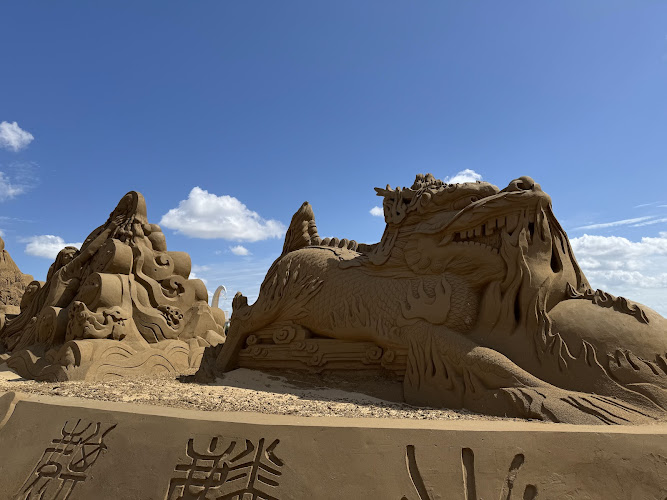
Zhujiajian Island
316199
Jintang Island
Find Accommodations Nearby
Recommended Tours & Activities
Visitor Reviews
There are no reviews yet. Be the first one to write one.
Share Your Experience
Have you visited Houtouwan? Help other travelers by leaving a review.