
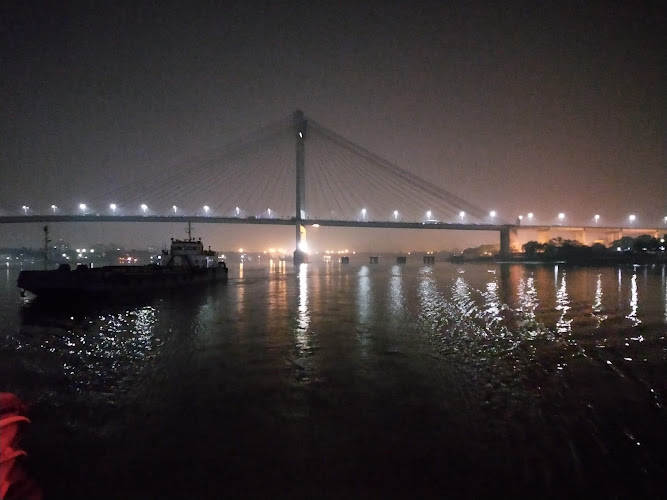
Zhoushan Island
About Zhoushan Island
Description
Zhoushan Island holds the distinction of being China's largest archipelago and fourth-largest island, sitting prettily off the coast of Zhejiang Province in the East China Sea. I've always found it fascinating how this place manages to fly under the radar for most international travelers, even though it's been a significant maritime hub for centuries. The island stretches across roughly 502 square kilometers, and honestly, it's a world away from the packed tourist circuits you'll find in mainland China. What really sets Zhoushan apart is its dual personality. On one hand, you've got this serious Buddhist pilgrimage site with Mount Putuo drawing devotees from across Asia. On the other, there's a thriving fishing industry that gives the place an authentic, working-island vibe that you just don't get at manufactured tourist destinations. The locals here have been pulling seafood from these waters for generations, and you can taste that heritage in every meal. The landscape itself is pretty dramatic – rocky coastlines that crash into the sea, golden sand beaches that seem to go on forever, and hills covered in subtropical vegetation. And the thing is, because it hasn't been completely overrun by tourism yet, you can actually find spots where you're practically alone with nature. I remember talking to a traveler who spent three days here and said she stumbled upon fishing villages that seemed frozen in time, where elderly fishermen still mended nets by hand and nobody spoke a word of English. The Buddhist temples scattered across the island aren't just tourist attractions – they're living, breathing centers of faith. Mount Putuo, one of the four sacred mountains of Chinese Buddhism, dominates the spiritual landscape here. But even beyond the famous sites, you'll find smaller temples tucked into hillsides where incense smoke curls upward and monks go about their daily routines largely unbothered by visitors.Key Features
Zhoushan Island offers travelers a unique mix of natural beauty, cultural significance, and authentic local experiences that you won't find replicated elsewhere: • Mount Putuo Buddhist Complex – One of China's four sacred Buddhist mountains, featuring over 30 temples and monasteries spread across the landscape, with the Puji Temple being the largest and most impressive • Pristine Beaches – Multiple stretches of coastline including Zhujiajian Island's beaches, which offer clean sand and relatively calm waters perfect for swimming during summer months • Fresh Seafood Markets – Daily fish markets where local fishermen bring in their catch, giving you access to some of the freshest seafood you'll ever taste, from yellow croaker to hairy crabs • Shenjiamen Fishing Port – One of China's three major fishing ports, where you can watch the fishing fleet come and go and experience the genuine working-port atmosphere • Taohua Island – A smaller island accessible by ferry, known for its peach blossoms in spring and connections to the famous Chinese novel "The Legend of the Condor Heroes" • East China Sea Views – Spectacular ocean vistas from various vantage points across the island, with sunrises over the water that'll make you want to wake up early • Traditional Fishing Villages – Authentic communities where local culture remains intact, offering glimpses into traditional island life that's rapidly disappearing elsewhere • Seafood Cuisine – Regional specialties that you simply can't find inland, prepared using recipes passed down through fishing families for generationsBest Time to Visit
Here's the thing about timing your visit to Zhoushan – it really depends on what you're after, and I've got some opinions about this based on what I've heard from folks who've been. Spring, particularly from April to early June, is probably your sweet spot if you want comfortable weather without the crowds. Temperatures hover between 15-25°C, which is perfect for temple-hopping and beach walks without sweating through your shirt. The peach blossoms on Taohua Island bloom in April, creating this gorgeous pink landscape that photographers absolutely love. But be warned – Chinese holidays like May Day can bring domestic tourists in droves, so try to avoid those specific weeks if you can. Summer from July to August is peak season, and that's both good and bad. The beaches are at their best, water temperatures are warm enough for proper swimming, and everything's open and running at full capacity. But it's also hot – we're talking 28-35°C hot – and humid in that coastal way that makes you feel like you're wearing the air. Plus, this is typhoon season. I knew someone who planned a week-long trip in August and spent three days stuck in their hotel because of a typhoon warning. The storms usually pass quickly, but they're something to keep in mind when booking. Autumn, September through November, is honestly my top pick if someone asked me. The summer crowds have thinned out, temperatures drop to a pleasant 18-26°C, and the humidity finally backs off. The sea is still warm enough for swimming through September, and the fall seafood harvest brings amazing variety to the markets. October can get busy during National Day holiday, so aim for late September or November if you want things quieter. Winter is the off-season for a reason. December through February sees temperatures drop to 3-10°C, and that coastal wind cuts right through you. Most beach facilities close down, and some tourist services run on reduced schedules. But – and this is a big but – if you're primarily interested in the Buddhist sites and don't mind bundled-up sightseeing, you'll have Mount Putuo almost to yourself, which is kind of incredible when you think about how packed it gets in summer.How to Get There
Getting to Zhoushan used to be a proper adventure involving multiple ferries, but the infrastructure has improved dramatically in recent years, making it way more accessible than you'd think for an island. The most straightforward option for most international travelers is flying into Zhoushan Putuoshan Airport. It's a smaller regional airport with domestic connections to major Chinese cities like Shanghai, Beijing, Guangzhou, and Shenzhen. From Shanghai, the flight takes less than an hour – barely enough time to finish your in-flight snack. The airport sits on Zhujiajian Island, connected to the main island by bridge, and taxis or buses can get you to your accommodation from there. But honestly? If you're already in Shanghai or nearby Hangzhou, the bus option makes a lot of sense. Direct coaches run from Shanghai's long-distance bus stations to Zhoushan, taking about 4-5 hours depending on traffic. The journey crosses the impressive Zhoushan Cross-Sea Bridge, which is itself quite a sight – this massive engineering project that connects the archipelago to the mainland. I've heard the views from the bus as you cross are pretty spectacular, especially on clear days when you can see the islands dotting the sea. The high-speed train network doesn't reach Zhoushan directly (yet – China's always building more rail), but you can take the train to Ningbo and then catch a bus for the remaining journey, which takes about 2 hours. This option works well if you're coming from cities further afield and want the comfort of rail travel for the longer stretches. Ferries still run between various points on the mainland and different islands in the archipelago, particularly to Mount Putuo. These can be useful for specific island-hopping itineraries, but they're less practical as your main access route unless you're coming from very specific coastal locations. Once you're on the island, local transportation includes taxis, public buses, and increasingly, ride-sharing apps that work if you've got a Chinese phone number set up. Renting a car is possible but honestly more hassle than it's worth given the language barriers and local driving styles.Tips for Visiting
Let me share some practical wisdom that'll make your Zhoushan experience way smoother, because this isn't the kind of place where you can just wing it entirely. First off, language is gonna be your biggest challenge. English is not widely spoken outside major hotels, and even then, it's hit or miss. Download a good translation app before you arrive – and I mean before, because Google services don't work in China without a VPN. Having key phrases and addresses written in Chinese characters on your phone is essential. Better yet, have your hotel write out the names of places you want to visit in Chinese so you can show taxi drivers. Cash is still important here despite China's mobile payment revolution. While locals use WeChat Pay and Alipay for everything, setting those up as a foreigner is complicated. Many smaller restaurants, market vendors, and taxis prefer or only accept cash. ATMs are available in the main towns, but they're scarcer in rural areas, so stock up when you can. About the seafood – this is non-negotiable – you must eat at local restaurants rather than tourist-oriented places. The best meals I've heard about came from hole-in-the-wall places near the fishing ports where there's no English menu and you basically point at what looks good. If you've got any shellfish allergies, make absolutely certain you communicate this clearly, because seafood gets into nearly everything here. Dress modestly when visiting Buddhist temples, especially on Mount Putuo. That means covering shoulders and knees, removing hats, and speaking quietly. Photography restrictions vary by temple, so always check before snapping pics. Some temples charge entrance fees while others are free with the general area admission. The weather changes fast on islands, so layer your clothing even in summer. That beautiful sunny morning can turn into a drizzly afternoon real quick. And the sun reflects off water and sand more than you'd expect – sunscreen isn't optional unless you enjoy resembling a lobster. Book accommodation in advance during peak seasons and Chinese holidays. The island has limited hotel capacity compared to mainland tourist destinations, and places fill up fast. For a more authentic experience, consider guesthouses in fishing villages rather than the larger hotels, though prepare for basic amenities and language challenges. Transportation between different parts of the archipelago takes longer than maps suggest. Factor in ferry schedules, traffic, and waiting times when planning your daily itinerary. Trying to cram Mount Putuo, beach time, and fishing village exploration into one day is a recipe for frustration. If you're visiting Mount Putuo specifically, arrive early in the morning to beat the crowds and the heat. The hiking between temples is no joke – wear comfortable shoes with good grip because those temple steps can be steep and slippery when wet. Lastly, embrace the slower pace. Zhoushan isn't Shanghai with its efficiency and speed. Things take time here, whether that's getting food served or arranging transportation. That's part of the charm, really – it forces you to slow down and actually experience the place rather than just checking it off a list.Key Features
- Largest island in the Zhoushan Archipelago and regional maritime center
- Working fishing ports and vibrant seafood culture
- Coastal promenades, rocky headlands and sandy coves
- Historic sites and museums documenting naval and local history
- Gateway for island-hopping to nearby scenic islets and temples
More Details
Updated March 30, 2026
Table of Contents
Description
Zhoushan Island holds the distinction of being China’s largest archipelago and fourth-largest island, sitting prettily off the coast of Zhejiang Province in the East China Sea. I’ve always found it fascinating how this place manages to fly under the radar for most international travelers, even though it’s been a significant maritime hub for centuries. The island stretches across roughly 502 square kilometers, and honestly, it’s a world away from the packed tourist circuits you’ll find in mainland China.
What really sets Zhoushan apart is its dual personality. On one hand, you’ve got this serious Buddhist pilgrimage site with Mount Putuo drawing devotees from across Asia. On the other, there’s a thriving fishing industry that gives the place an authentic, working-island vibe that you just don’t get at manufactured tourist destinations. The locals here have been pulling seafood from these waters for generations, and you can taste that heritage in every meal.
The landscape itself is pretty dramatic – rocky coastlines that crash into the sea, golden sand beaches that seem to go on forever, and hills covered in subtropical vegetation. And the thing is, because it hasn’t been completely overrun by tourism yet, you can actually find spots where you’re practically alone with nature. I remember talking to a traveler who spent three days here and said she stumbled upon fishing villages that seemed frozen in time, where elderly fishermen still mended nets by hand and nobody spoke a word of English.
The Buddhist temples scattered across the island aren’t just tourist attractions – they’re living, breathing centers of faith. Mount Putuo, one of the four sacred mountains of Chinese Buddhism, dominates the spiritual landscape here. But even beyond the famous sites, you’ll find smaller temples tucked into hillsides where incense smoke curls upward and monks go about their daily routines largely unbothered by visitors.
Key Features
Zhoushan Island offers travelers a unique mix of natural beauty, cultural significance, and authentic local experiences that you won’t find replicated elsewhere:
• Mount Putuo Buddhist Complex – One of China’s four sacred Buddhist mountains, featuring over 30 temples and monasteries spread across the landscape, with the Puji Temple being the largest and most impressive
• Pristine Beaches – Multiple stretches of coastline including Zhujiajian Island’s beaches, which offer clean sand and relatively calm waters perfect for swimming during summer months
• Fresh Seafood Markets – Daily fish markets where local fishermen bring in their catch, giving you access to some of the freshest seafood you’ll ever taste, from yellow croaker to hairy crabs
• Shenjiamen Fishing Port – One of China’s three major fishing ports, where you can watch the fishing fleet come and go and experience the genuine working-port atmosphere
• Taohua Island – A smaller island accessible by ferry, known for its peach blossoms in spring and connections to the famous Chinese novel “The Legend of the Condor Heroes”
• East China Sea Views – Spectacular ocean vistas from various vantage points across the island, with sunrises over the water that’ll make you want to wake up early
• Traditional Fishing Villages – Authentic communities where local culture remains intact, offering glimpses into traditional island life that’s rapidly disappearing elsewhere
• Seafood Cuisine – Regional specialties that you simply can’t find inland, prepared using recipes passed down through fishing families for generations
Best Time to Visit
Here’s the thing about timing your visit to Zhoushan – it really depends on what you’re after, and I’ve got some opinions about this based on what I’ve heard from folks who’ve been.
Spring, particularly from April to early June, is probably your sweet spot if you want comfortable weather without the crowds. Temperatures hover between 15-25°C, which is perfect for temple-hopping and beach walks without sweating through your shirt. The peach blossoms on Taohua Island bloom in April, creating this gorgeous pink landscape that photographers absolutely love. But be warned – Chinese holidays like May Day can bring domestic tourists in droves, so try to avoid those specific weeks if you can.
Summer from July to August is peak season, and that’s both good and bad. The beaches are at their best, water temperatures are warm enough for proper swimming, and everything’s open and running at full capacity. But it’s also hot – we’re talking 28-35°C hot – and humid in that coastal way that makes you feel like you’re wearing the air. Plus, this is typhoon season. I knew someone who planned a week-long trip in August and spent three days stuck in their hotel because of a typhoon warning. The storms usually pass quickly, but they’re something to keep in mind when booking.
Autumn, September through November, is honestly my top pick if someone asked me. The summer crowds have thinned out, temperatures drop to a pleasant 18-26°C, and the humidity finally backs off. The sea is still warm enough for swimming through September, and the fall seafood harvest brings amazing variety to the markets. October can get busy during National Day holiday, so aim for late September or November if you want things quieter.
Winter is the off-season for a reason. December through February sees temperatures drop to 3-10°C, and that coastal wind cuts right through you. Most beach facilities close down, and some tourist services run on reduced schedules. But – and this is a big but – if you’re primarily interested in the Buddhist sites and don’t mind bundled-up sightseeing, you’ll have Mount Putuo almost to yourself, which is kind of incredible when you think about how packed it gets in summer.
How to Get There
Getting to Zhoushan used to be a proper adventure involving multiple ferries, but the infrastructure has improved dramatically in recent years, making it way more accessible than you’d think for an island.
The most straightforward option for most international travelers is flying into Zhoushan Putuoshan Airport. It’s a smaller regional airport with domestic connections to major Chinese cities like Shanghai, Beijing, Guangzhou, and Shenzhen. From Shanghai, the flight takes less than an hour – barely enough time to finish your in-flight snack. The airport sits on Zhujiajian Island, connected to the main island by bridge, and taxis or buses can get you to your accommodation from there.
But honestly? If you’re already in Shanghai or nearby Hangzhou, the bus option makes a lot of sense. Direct coaches run from Shanghai’s long-distance bus stations to Zhoushan, taking about 4-5 hours depending on traffic. The journey crosses the impressive Zhoushan Cross-Sea Bridge, which is itself quite a sight – this massive engineering project that connects the archipelago to the mainland. I’ve heard the views from the bus as you cross are pretty spectacular, especially on clear days when you can see the islands dotting the sea.
The high-speed train network doesn’t reach Zhoushan directly (yet – China’s always building more rail), but you can take the train to Ningbo and then catch a bus for the remaining journey, which takes about 2 hours. This option works well if you’re coming from cities further afield and want the comfort of rail travel for the longer stretches.
Ferries still run between various points on the mainland and different islands in the archipelago, particularly to Mount Putuo. These can be useful for specific island-hopping itineraries, but they’re less practical as your main access route unless you’re coming from very specific coastal locations.
Once you’re on the island, local transportation includes taxis, public buses, and increasingly, ride-sharing apps that work if you’ve got a Chinese phone number set up. Renting a car is possible but honestly more hassle than it’s worth given the language barriers and local driving styles.
Tips for Visiting
Let me share some practical wisdom that’ll make your Zhoushan experience way smoother, because this isn’t the kind of place where you can just wing it entirely.
First off, language is gonna be your biggest challenge. English is not widely spoken outside major hotels, and even then, it’s hit or miss. Download a good translation app before you arrive – and I mean before, because Google services don’t work in China without a VPN. Having key phrases and addresses written in Chinese characters on your phone is essential. Better yet, have your hotel write out the names of places you want to visit in Chinese so you can show taxi drivers.
Cash is still important here despite China’s mobile payment revolution. While locals use WeChat Pay and Alipay for everything, setting those up as a foreigner is complicated. Many smaller restaurants, market vendors, and taxis prefer or only accept cash. ATMs are available in the main towns, but they’re scarcer in rural areas, so stock up when you can.
About the seafood – this is non-negotiable – you must eat at local restaurants rather than tourist-oriented places. The best meals I’ve heard about came from hole-in-the-wall places near the fishing ports where there’s no English menu and you basically point at what looks good. If you’ve got any shellfish allergies, make absolutely certain you communicate this clearly, because seafood gets into nearly everything here.
Dress modestly when visiting Buddhist temples, especially on Mount Putuo. That means covering shoulders and knees, removing hats, and speaking quietly. Photography restrictions vary by temple, so always check before snapping pics. Some temples charge entrance fees while others are free with the general area admission.
The weather changes fast on islands, so layer your clothing even in summer. That beautiful sunny morning can turn into a drizzly afternoon real quick. And the sun reflects off water and sand more than you’d expect – sunscreen isn’t optional unless you enjoy resembling a lobster.
Book accommodation in advance during peak seasons and Chinese holidays. The island has limited hotel capacity compared to mainland tourist destinations, and places fill up fast. For a more authentic experience, consider guesthouses in fishing villages rather than the larger hotels, though prepare for basic amenities and language challenges.
Transportation between different parts of the archipelago takes longer than maps suggest. Factor in ferry schedules, traffic, and waiting times when planning your daily itinerary. Trying to cram Mount Putuo, beach time, and fishing village exploration into one day is a recipe for frustration.
If you’re visiting Mount Putuo specifically, arrive early in the morning to beat the crowds and the heat. The hiking between temples is no joke – wear comfortable shoes with good grip because those temple steps can be steep and slippery when wet.
Lastly, embrace the slower pace. Zhoushan isn’t Shanghai with its efficiency and speed. Things take time here, whether that’s getting food served or arranging transportation. That’s part of the charm, really – it forces you to slow down and actually experience the place rather than just checking it off a list.
Key Highlights
- Largest island in the Zhoushan Archipelago and regional maritime center
- Working fishing ports and vibrant seafood culture
- Coastal promenades, rocky headlands and sandy coves
- Historic sites and museums documenting naval and local history
- Gateway for island-hopping to nearby scenic islets and temples
Location
Places to Stay Near Zhoushan Island
Find and Book a Tour
Explore More Travel Guides
No reviews found! Be the first to review!
Zhoushan Island is a prominent Attractions located in Zhoushan.
Traveler Reviews for Zhoushan Island
There are no reviews yet. Be the first one to write one.
Have you visited Zhoushan Island? Help other travelers by sharing your review.
Nearby Attractions
You Might Also Like
Putuoshan Weixiao Xiaowu
316199

Zhoushan
Find Accommodations Nearby
Recommended Tours & Activities
Visitor Reviews
There are no reviews yet. Be the first one to write one.
Share Your Experience
Have you visited Zhoushan Island? Help other travelers by leaving a review.