
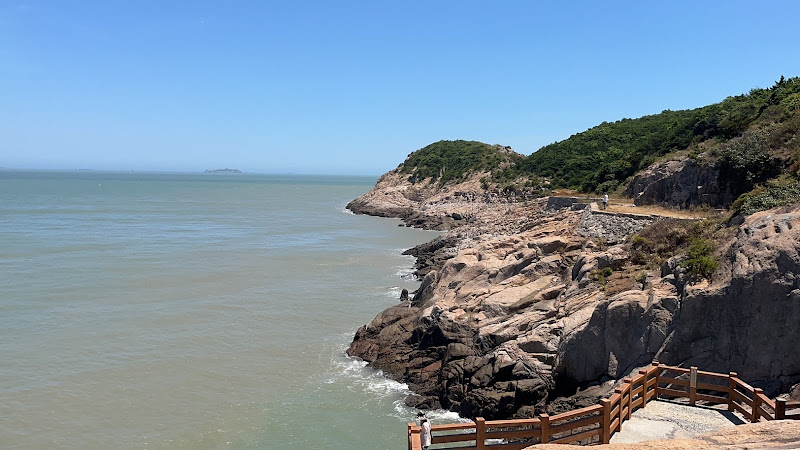
Taohua Island
About Taohua Island
Description
Taohua Island delivers an experience that feels almost dreamlike, like you've stumbled into one of those classic Chinese martial arts novels where heroes retreat to remote islands for training and contemplation. And honestly, that's not far from the truth – this place has served as the filming location for several adaptations of Jin Yong's famous wuxia novels, which already tells you something about its cinematic beauty. I remember the first time I heard about Taohua Island from a fellow traveler in Shanghai who couldn't stop raving about it. She described it as a place where you could actually escape the crushing tourist crowds that seem to follow you everywhere in China's more famous destinations. Located in the Zhoushan Archipelago off the coast of Zhejiang Province, this island manages to strike that rare balance between being accessible enough for a weekend trip yet remote enough to feel like a genuine getaway. The name literally translates to "Peach Blossom Island," which paints a pretty picture in your mind even before you arrive. When those peach trees bloom in spring, the island lives up to its poetic name with pink blossoms covering the hillsides. But even outside of peak blossom season, there's something inherently peaceful about wandering through the island's varied landscapes – from rocky coastlines where waves crash dramatically against cliffs to quiet fishing villages where life moves at a pace that'll make you question why you're always rushing back home. What strikes most visitors is how the island seamlessly blends natural beauty with cultural touchstones. You'll find Buddhist temples perched on hillsides, beaches that haven't been completely overtaken by development, and enough hiking trails to keep you busy for days if you're into that sort of thing. The local community still maintains traditional fishing practices, and you can watch boats heading out at dawn if you manage to drag yourself out of bed early enough.Key Features
The island offers several distinctive attractions that set it apart from your typical beach destination:- Taohua Peak – The highest point on the island offers panoramic views that'll make your Instagram followers seriously jealous, though the climb requires decent fitness levels and determination
- Shooting Condor Hero Film Studio – A permanent film set from the popular TV adaptations where you can dress up in period costumes and pretend you're in a martial arts epic (yes, adults do this too and it's actually fun)
- Peach Blossom Village – Traditional fishing settlement where you can observe authentic island life and sample seafood that was literally swimming hours before it reached your plate
- Sacred Rock Beach – Features unique rock formations that have been shaped by wind and waves over millennia, creating natural sculptures that rival anything you'd find in a gallery
- Anqi Peak Scenic Area – Named after a legendary Taoist alchemist, this area combines hiking trails with historical significance and some genuinely impressive coastal views
- Tawan Jinsha Beach – One of the more developed beaches on the island with golden sand that's actually comfortable to walk on barefoot, unlike some rocky Chinese beaches
- Buddhist temples and shrines – Scattered throughout the island, these provide quiet spots for reflection and offer insight into local spiritual practices
- Peach orchards – Beyond their springtime beauty, these working orchards produce fruit you can sample during harvest season
Best Time to Visit
Here's where things get interesting because unlike most destinations where there's one obvious answer, Taohua Island works for different types of travelers depending on when you go. Spring, specifically late March through early April, is when you'll see those famous peach blossoms that give the island its name. The weather's generally pleasant during this period – not too hot, not too cold – though you'll definitely encounter more visitors. I won't sugarcoat it: this is peak season, and prices reflect that reality. Hotels charge premium rates and popular spots get crowded on weekends. But here's something most guidebooks won't tell you – early summer, around May and June, can actually be fantastic. The blossoms have finished but the weather's beautiful for beach activities and hiking. You'll pay less for accommodation and won't be fighting for space on the trails. Just watch the weather forecasts because this is when occasional rain systems roll through. Autumn, particularly September through early November, ranks as my personal favorite time despite never having the same publicity as spring. The temperatures drop to comfortable levels perfect for exploring, the summer crowds have dispersed, and the light has this quality that makes photographs look almost professionally shot without filters. Plus, seafood is particularly abundant during autumn months. Winter sees the fewest visitors, which means you'll practically have the place to yourself if you don't mind cooler temperatures. It rarely gets freezing cold given the island's coastal location, but swimming isn't really on the agenda. Some facilities reduce their hours or close entirely, so check ahead if you're planning an off-season visit. Weekends and Chinese national holidays should probably be avoided unless you enjoy crowds and inflated prices. The island is close enough to major cities like Shanghai and Hangzhou that it attracts weekend warriors, especially during good weather.How to Get There
Getting to Taohua Island requires a bit more effort than just hopping on a subway, but that's partially why it maintains its relatively unspoiled character. Most travelers start their journey from either Shanghai or Hangzhou, both of which have good connections to the departure points for Taohua Island. Your goal is reaching one of the ferry terminals in the Zhoushan area – either Shenjiamen Port or Zhujiajian Pier serve as the main gateways. From Shanghai, you've got options. The most straightforward approach involves taking a bus from one of the long-distance bus stations (Shanghai South Railway Station has frequent departures) directly to Shenjiamen. The journey takes roughly three to four hours depending on traffic, which can be brutal on weekends. Alternatively, you can take a high-speed train to Ningbo first, then transfer to a bus heading to the Zhoushan area. This sounds more complicated but sometimes saves time during peak travel periods. Hangzhou offers similar routes – buses run regularly to Shenjiamen from the Hangzhou Passenger Transport Center. The trip takes about three and a half hours when traffic cooperates. Once you've reached either Shenjiamen or Zhujiajian, you'll need to catch a ferry to Taohua Island. Ferries run throughout the day but schedules vary by season, so checking ahead saves disappointment. The ferry ride itself takes around 30 to 40 minutes and offers your first glimpses of the archipelago's island-dotted seascape. Some travelers report mild seasickness on rougher days, so if you're prone to that sort of thing, come prepared. During peak season, there are occasionally direct tourist buses from Shanghai that coordinate with ferry schedules, eliminating the need to navigate multiple transfers. These package deals cost more but reduce hassle considerably. Getting around the island itself requires planning since public transportation is limited. Most visitors either rent electric scooters (you'll need appropriate licenses), join organized tours, or hire private drivers for the day. Walking works for exploring individual areas but the island's too spread out to cover everything on foot.Tips for Visiting
After talking with dozens of travelers who've been to Taohua Island and drawing from collective experiences, here are insights that'll genuinely improve your visit. Book accommodation well in advance if you're traveling during spring or national holidays. The island doesn't have unlimited hotel rooms, and the better properties fill up fast. Don't wait until the week before and expect great options. I learned this lesson the hard way when a friend and I ended up in a guesthouse that was "rustic" in all the wrong ways. Bring cash because not every establishment accepts mobile payments or credit cards, despite China's general embrace of digital transactions. The island's more remote locations especially tend toward cash-only operations. ATMs exist but they're not on every corner like in major cities. Pack appropriate footwear if you plan on hiking. Some trails get steep and rocky, and I've seen too many tourists struggling in sandals or fashion sneakers. Proper hiking shoes aren't absolutely necessary for every trail, but at minimum wear closed-toe shoes with decent grip. Seafood dominates the local cuisine, which is fantastic if you enjoy it but potentially limiting if you don't. Vegetarians should plan ahead because options are significantly more restricted than in big cities. That said, the seafood is genuinely excellent – fresh, well-prepared, and reasonably priced compared to what you'd pay in Shanghai restaurants. Download offline maps before arriving since mobile coverage can be spotty in some areas. Having navigation that works without internet prevents those moments of wandering around lost while your phone desperately searches for signal. Weather can change quickly given the island's coastal location. Bring layers even in summer because evenings can turn surprisingly cool, and sudden rain showers aren't uncommon. A light rain jacket takes up minimal space and might save your day. Learn a few basic Mandarin phrases if you don't speak the language. English isn't widely spoken outside major hotels, and translation apps help but don't solve every communication challenge. Locals appreciate the effort when you try to speak even basic Chinese. Consider staying at least two days if your schedule allows. Rushing through in a single day means missing much of what makes the island special. The place rewards slower exploration rather than frantic sightseeing. Respect local customs, especially around temples and fishing villages. These aren't theme parks but actual communities where people live and work. Ask permission before photographing individuals, dress modestly in religious sites, and generally behave like a thoughtful guest rather than an entitled tourist. Check ferry schedules for your departure day and build in buffer time. Missing the last ferry means an unexpected overnight stay, and while worse fates exist, it's annoying when you have work the next morning.Key Features
- Key Features
- Best Time to Visit
- How to Get There
- Tips for Visiting
More Details
Updated March 30, 2026
Table of Contents
Description
Taohua Island delivers an experience that feels almost dreamlike, like you’ve stumbled into one of those classic Chinese martial arts novels where heroes retreat to remote islands for training and contemplation. And honestly, that’s not far from the truth – this place has served as the filming location for several adaptations of Jin Yong’s famous wuxia novels, which already tells you something about its cinematic beauty.
I remember the first time I heard about Taohua Island from a fellow traveler in Shanghai who couldn’t stop raving about it. She described it as a place where you could actually escape the crushing tourist crowds that seem to follow you everywhere in China’s more famous destinations. Located in the Zhoushan Archipelago off the coast of Zhejiang Province, this island manages to strike that rare balance between being accessible enough for a weekend trip yet remote enough to feel like a genuine getaway.
The name literally translates to “Peach Blossom Island,” which paints a pretty picture in your mind even before you arrive. When those peach trees bloom in spring, the island lives up to its poetic name with pink blossoms covering the hillsides. But even outside of peak blossom season, there’s something inherently peaceful about wandering through the island’s varied landscapes – from rocky coastlines where waves crash dramatically against cliffs to quiet fishing villages where life moves at a pace that’ll make you question why you’re always rushing back home.
What strikes most visitors is how the island seamlessly blends natural beauty with cultural touchstones. You’ll find Buddhist temples perched on hillsides, beaches that haven’t been completely overtaken by development, and enough hiking trails to keep you busy for days if you’re into that sort of thing. The local community still maintains traditional fishing practices, and you can watch boats heading out at dawn if you manage to drag yourself out of bed early enough.
Key Features
The island offers several distinctive attractions that set it apart from your typical beach destination:
- Taohua Peak – The highest point on the island offers panoramic views that’ll make your Instagram followers seriously jealous, though the climb requires decent fitness levels and determination
- Shooting Condor Hero Film Studio – A permanent film set from the popular TV adaptations where you can dress up in period costumes and pretend you’re in a martial arts epic (yes, adults do this too and it’s actually fun)
- Peach Blossom Village – Traditional fishing settlement where you can observe authentic island life and sample seafood that was literally swimming hours before it reached your plate
- Sacred Rock Beach – Features unique rock formations that have been shaped by wind and waves over millennia, creating natural sculptures that rival anything you’d find in a gallery
- Anqi Peak Scenic Area – Named after a legendary Taoist alchemist, this area combines hiking trails with historical significance and some genuinely impressive coastal views
- Tawan Jinsha Beach – One of the more developed beaches on the island with golden sand that’s actually comfortable to walk on barefoot, unlike some rocky Chinese beaches
- Buddhist temples and shrines – Scattered throughout the island, these provide quiet spots for reflection and offer insight into local spiritual practices
- Peach orchards – Beyond their springtime beauty, these working orchards produce fruit you can sample during harvest season
Best Time to Visit
Here’s where things get interesting because unlike most destinations where there’s one obvious answer, Taohua Island works for different types of travelers depending on when you go.
Spring, specifically late March through early April, is when you’ll see those famous peach blossoms that give the island its name. The weather’s generally pleasant during this period – not too hot, not too cold – though you’ll definitely encounter more visitors. I won’t sugarcoat it: this is peak season, and prices reflect that reality. Hotels charge premium rates and popular spots get crowded on weekends.
But here’s something most guidebooks won’t tell you – early summer, around May and June, can actually be fantastic. The blossoms have finished but the weather’s beautiful for beach activities and hiking. You’ll pay less for accommodation and won’t be fighting for space on the trails. Just watch the weather forecasts because this is when occasional rain systems roll through.
Autumn, particularly September through early November, ranks as my personal favorite time despite never having the same publicity as spring. The temperatures drop to comfortable levels perfect for exploring, the summer crowds have dispersed, and the light has this quality that makes photographs look almost professionally shot without filters. Plus, seafood is particularly abundant during autumn months.
Winter sees the fewest visitors, which means you’ll practically have the place to yourself if you don’t mind cooler temperatures. It rarely gets freezing cold given the island’s coastal location, but swimming isn’t really on the agenda. Some facilities reduce their hours or close entirely, so check ahead if you’re planning an off-season visit.
Weekends and Chinese national holidays should probably be avoided unless you enjoy crowds and inflated prices. The island is close enough to major cities like Shanghai and Hangzhou that it attracts weekend warriors, especially during good weather.
How to Get There
Getting to Taohua Island requires a bit more effort than just hopping on a subway, but that’s partially why it maintains its relatively unspoiled character.
Most travelers start their journey from either Shanghai or Hangzhou, both of which have good connections to the departure points for Taohua Island. Your goal is reaching one of the ferry terminals in the Zhoushan area – either Shenjiamen Port or Zhujiajian Pier serve as the main gateways.
From Shanghai, you’ve got options. The most straightforward approach involves taking a bus from one of the long-distance bus stations (Shanghai South Railway Station has frequent departures) directly to Shenjiamen. The journey takes roughly three to four hours depending on traffic, which can be brutal on weekends. Alternatively, you can take a high-speed train to Ningbo first, then transfer to a bus heading to the Zhoushan area. This sounds more complicated but sometimes saves time during peak travel periods.
Hangzhou offers similar routes – buses run regularly to Shenjiamen from the Hangzhou Passenger Transport Center. The trip takes about three and a half hours when traffic cooperates.
Once you’ve reached either Shenjiamen or Zhujiajian, you’ll need to catch a ferry to Taohua Island. Ferries run throughout the day but schedules vary by season, so checking ahead saves disappointment. The ferry ride itself takes around 30 to 40 minutes and offers your first glimpses of the archipelago’s island-dotted seascape. Some travelers report mild seasickness on rougher days, so if you’re prone to that sort of thing, come prepared.
During peak season, there are occasionally direct tourist buses from Shanghai that coordinate with ferry schedules, eliminating the need to navigate multiple transfers. These package deals cost more but reduce hassle considerably.
Getting around the island itself requires planning since public transportation is limited. Most visitors either rent electric scooters (you’ll need appropriate licenses), join organized tours, or hire private drivers for the day. Walking works for exploring individual areas but the island’s too spread out to cover everything on foot.
Tips for Visiting
After talking with dozens of travelers who’ve been to Taohua Island and drawing from collective experiences, here are insights that’ll genuinely improve your visit.
Book accommodation well in advance if you’re traveling during spring or national holidays. The island doesn’t have unlimited hotel rooms, and the better properties fill up fast. Don’t wait until the week before and expect great options. I learned this lesson the hard way when a friend and I ended up in a guesthouse that was “rustic” in all the wrong ways.
Bring cash because not every establishment accepts mobile payments or credit cards, despite China’s general embrace of digital transactions. The island’s more remote locations especially tend toward cash-only operations. ATMs exist but they’re not on every corner like in major cities.
Pack appropriate footwear if you plan on hiking. Some trails get steep and rocky, and I’ve seen too many tourists struggling in sandals or fashion sneakers. Proper hiking shoes aren’t absolutely necessary for every trail, but at minimum wear closed-toe shoes with decent grip.
Seafood dominates the local cuisine, which is fantastic if you enjoy it but potentially limiting if you don’t. Vegetarians should plan ahead because options are significantly more restricted than in big cities. That said, the seafood is genuinely excellent – fresh, well-prepared, and reasonably priced compared to what you’d pay in Shanghai restaurants.
Download offline maps before arriving since mobile coverage can be spotty in some areas. Having navigation that works without internet prevents those moments of wandering around lost while your phone desperately searches for signal.
Weather can change quickly given the island’s coastal location. Bring layers even in summer because evenings can turn surprisingly cool, and sudden rain showers aren’t uncommon. A light rain jacket takes up minimal space and might save your day.
Learn a few basic Mandarin phrases if you don’t speak the language. English isn’t widely spoken outside major hotels, and translation apps help but don’t solve every communication challenge. Locals appreciate the effort when you try to speak even basic Chinese.
Consider staying at least two days if your schedule allows. Rushing through in a single day means missing much of what makes the island special. The place rewards slower exploration rather than frantic sightseeing.
Respect local customs, especially around temples and fishing villages. These aren’t theme parks but actual communities where people live and work. Ask permission before photographing individuals, dress modestly in religious sites, and generally behave like a thoughtful guest rather than an entitled tourist.
Check ferry schedules for your departure day and build in buffer time. Missing the last ferry means an unexpected overnight stay, and while worse fates exist, it’s annoying when you have work the next morning.
Key Highlights
- Key Features
- Best Time to Visit
- How to Get There
- Tips for Visiting
Location
Places to Stay Near Taohua Island
Find and Book a Tour
Explore More Travel Guides
No reviews found! Be the first to review!
Taohua Island is a prominent Attractions located in Zhoushan.
Traveler Reviews for Taohua Island
There are no reviews yet. Be the first one to write one.
Have you visited Taohua Island? Help other travelers by sharing your review.
You Might Also Like
316199

Zhoushan Islands Culture Park
Zhoushan Celebrity Museum
Find Accommodations Nearby
Recommended Tours & Activities
Visitor Reviews
There are no reviews yet. Be the first one to write one.
Share Your Experience
Have you visited Taohua Island? Help other travelers by leaving a review.