Guided Sightseeing Tours & Activities in Zhoushan
- Browse sightseeing excursions and activities in Zhoushan
- Check live availability, rates & traveler reviews on Viator
- Secure online booking with flexible options

Zhujiajian Island sits just off the coast of mainland China in the Zhoushan Archipelago, and honestly, it’s one of those places that manages to fly under the radar while offering some genuinely impressive coastal scenery.
Zhujiajian Island sits just off the coast of mainland China in the Zhoushan Archipelago, and honestly, it’s one of those places that manages to fly under the radar while offering some genuinely impressive coastal scenery. I remember the first time someone told me about it – they couldn’t quite pronounce the name correctly but insisted the beaches were worth the tongue-twister. They weren’t wrong.
This island paradise stretches across roughly 72 square kilometers of golden sand beaches, rolling hills, and fishing villages that haven’t quite been consumed by mass tourism yet. And that’s part of its charm, really. While neighboring tourist destinations get absolutely packed during peak season, Zhujiajian maintains this balance between developed tourist infrastructure and authentic island life that’s becoming increasingly rare along China’s eastern coastline.
The island earned itself the nickname “Ten-Mile Golden Sand Coast” because of its five connected beaches that create this spectacular shoreline. Each beach has its own personality – some are better for families, others attract the water sports crowd, and a few remain relatively quiet even during busy periods. The sand here is genuinely golden and fine, not the marketed-as-golden-but-actually-brownish variety you sometimes encounter at other coastal destinations.
What makes Zhujiajian particularly interesting is how it serves multiple purposes. It’s a working fishing community, a beach resort destination, and the main departure point for ferries heading to Putuo Mountain, one of Buddhism’s four sacred mountains. This creates this fascinating mix of pilgrims, beachgoers, and local fishermen all sharing the same island space.
The island landscape transitions from developed beachfront areas to more rugged, hilly terrain inland. Traditional fishing villages still operate here, and if you venture away from the main tourist beaches, you’ll stumble upon scenes of daily life that have remained relatively unchanged for decades – fishermen mending nets, seafood drying in the sun, small temples tucked into hillsides.
The island offers travelers several distinctive features that set it apart from typical beach destinations:
• Five Major Beaches – Nansha Beach stands as the largest and most developed, spanning nearly 2 kilometers with complete facilities. Dongsha Beach attracts the adventure seekers with water sports and beach activities. Qingsha Beach maintains a quieter atmosphere perfect for those seeking solitude. Each beach offers different sand textures and wave patterns, which sounds subtle but actually makes a noticeable difference in your beach experience.
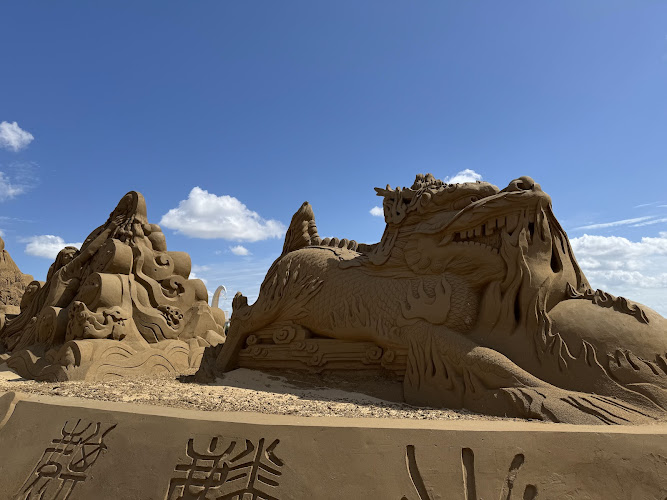
• International Sand Sculpture Festival – Every summer, artists from around the world transform tons of sand into elaborate temporary artworks. Some of these sculptures reach impressive heights and the level of detail is honestly mind-blowing when you consider they’re made from beach sand and will eventually return to the ocean.
• Fresh Seafood Scene – The island’s fishing heritage means seafood here gets pulled from the water and onto your plate with minimal time in between. Local restaurants serve everything from simple grilled fish to elaborate seafood feasts. Prices fluctuate based on the daily catch, which feels more authentic than fixed-price tourist menus.
• Gateway to Putuo Mountain – The ferry terminal here processes thousands of Buddhist pilgrims heading to nearby Putuo Mountain. This creates interesting cultural crossover where beach vacationers and religious pilgrims share ferry rides and meal tables.
• Water Sports Hub – Surfing, kiteboarding, jet skiing, and parasailing operations have set up shop here. The wave conditions aren’t Hawaii-level but they’re decent enough for beginners and intermediate enthusiasts. Equipment rental prices are reasonable compared to more developed resort areas.
• Wushitang Beach – Unlike the sandy beaches, this one is covered entirely in smooth black pebbles that create this amazing sound when waves wash over them. It’s not ideal for swimming but the unique geology makes it worth visiting.
• Scenic Hiking Trails – The hillier sections of the island feature trails with coastal views. These paths don’t get heavy foot traffic, which means you might have entire viewpoints to yourself even during tourist season.
• Fishing Village Culture – Several traditional villages remain active, offering glimpses into maritime life that hasn’t been completely sanitized for tourists. The morning fish markets are particularly authentic experiences.
Timing your visit to Zhujiajian can make a substantial difference in your experience, and the “best” time really depends on what you’re after.
Summer months from June through August bring peak beach weather with temperatures ranging from 25 to 32 degrees Celsius. The water’s warm enough for comfortable swimming, and all tourist facilities operate at full capacity. But here’s the thing – this is also when everyone else shows up. Beaches get crowded, accommodation prices spike, and you’ll need advance reservations for basically everything. The International Sand Sculpture Festival happens during this period, typically running from late June through October, which adds another reason to visit despite the crowds.
I personally lean toward the shoulder seasons. Late April through May offers surprisingly pleasant weather with temperatures around 18 to 25 degrees. The water’s still a bit chilly for extended swimming, but beach walks are gorgeous and you’ll have much more space to yourself. September through early October presents similar advantages – still warm enough for beach activities but with fewer crowds and lower prices. The autumn light along the coast during this period creates some spectacular photography opportunities.
Winter from November through March is honestly pretty quiet. Temperatures drop to around 5 to 12 degrees, which isn’t freezing but definitely too cold for swimming. Many beach facilities close or operate on reduced schedules. However, if you’re interested in experiencing the island’s fishing culture without tourist crowds, winter offers that opportunity. Seafood is still excellent, accommodation is cheap, and you’ll see the island as locals actually live on it.
Avoid the first week of October if possible – China’s National Day holiday brings massive crowds to all tourist destinations, and Zhujiajian is no exception. Similarly, Chinese New Year periods can be either very quiet or very busy depending on lunar calendar timing.
Weather-wise, the typhoon season runs roughly from July through September. While direct hits are relatively rare, storms can disrupt ferry services and create rough sea conditions. Check forecasts before traveling during these months.
Getting to Zhujiajian requires some planning since it’s not as straightforward as flying into a major beach resort, but the journey is manageable once you understand the logistics.
Most travelers start by flying into either Shanghai Pudong International Airport or Ningbo Lishe International Airport. From Shanghai, you’re looking at roughly 300 kilometers to reach Zhujiajian. The most efficient route involves taking a bus from Shanghai’s South Long-Distance Bus Station to Zhoushan’s Shenjiamen Bus Station – this journey takes approximately 4 to 5 hours depending on traffic. From Shenjiamen, local buses or taxis can get you to Zhujiajian in about 30 minutes.
If you fly into Ningbo instead, you’re slightly closer at around 100 kilometers away. Buses run from Ningbo to Zhoushan, taking roughly 2 hours. Some travelers prefer this route because Ningbo airport is smaller and easier to navigate than Shanghai’s massive terminals.
There’s also Zhoushan Putuoshan Airport located on nearby Zhujiadian Island, which is actually the closest airport option. Several domestic flights connect here from cities like Shanghai, Beijing, and Guangzhou. From this airport, you can reach Zhujiajian by bus or taxi in about 40 minutes. However, flight options are more limited compared to Shanghai or Ningbo.
The drive from Shanghai has become much easier since the Zhoushan Cross-Sea Bridge opened – it’s actually China’s longest cross-sea bridge complex. If you’re renting a car or hiring a driver, this route offers scenic views across the archipelago. Just be prepared for potential traffic delays, especially during holiday periods when half of Shanghai seems to head to the beach simultaneously.
Once you arrive in the Zhoushan area, Zhujiajian connects to the main island via bridge, so you don’t need to take a ferry unless you’re heading onward to Putuo Mountain. Local transportation on Zhujiajian itself includes buses, taxis, and rental scooters. The island isn’t huge, so getting around is relatively simple once you’re there.
Ferry services to Putuo Mountain depart regularly from Zhujiajian’s terminal. The ride takes only about 10 minutes, making day trips quite feasible if you want to combine beach relaxation with Buddhist temple visits.
After talking with numerous travelers who’ve experienced Zhujiajian and reflecting on what makes island visits successful, several practical tips emerge that can significantly improve your experience.
Accommodation strategy matters more than you might think. The beachfront hotels and resorts offer convenience but command premium prices during summer. Consider staying in one of the smaller guesthouses or family-run hotels slightly inland – you’ll save money and get more authentic interactions with locals. Some of these places are literally run by fishing families who’ve converted portions of their homes into guest rooms. The owners often cook incredible seafood meals if you ask nicely.
Seafood purchasing requires some awareness. Restaurants near major beach areas typically charge tourist prices. For better value, head to the working fishing villages where locals actually eat. There’s a small place near Dongsha Beach – I won’t name it because these things change – but ask locals where they go for seafood and follow their recommendations rather than tourist guides. Also, learn basic seafood names in Chinese or bring a translation app because English menus are hit-or-miss outside major hotels.
Beach selection should match your priorities. Nansha Beach works well for families with its gentle slopes and full facilities including showers, changing rooms, and lifeguards. Dongsha attracts the younger crowd with more energetic atmosphere and water sports. If you’re seeking quieter experiences, explore the smaller beaches that don’t appear prominently in tourist materials. Early morning beach walks offer the best experience regardless of which beach you choose – the sand is pristine, the light is beautiful, and you’ll have the place mostly to yourself.
Ferry schedules to Putuo Mountain change seasonally and weather can affect operations. If visiting the Buddhist mountain is part of your plan, check current schedules and consider booking tickets in advance during peak periods. The ferries fill up, especially around Buddhist holidays when pilgrim numbers surge.
Sun protection is essential but often underestimated. The coastal sun here is stronger than many visitors expect, and I’ve seen too many people turn lobster-red on their first day, ruining the rest of their trip. Bring high SPF sunscreen, reapply frequently, and consider UV-protective clothing for extended beach time. Local shops sell sun protection gear but selection and quality vary.
Language preparation helps significantly. Outside major hotels, English proficiency is limited. Download a translation app that works offline, learn a few basic Mandarin phrases, or better yet, have your hotel write out your destination in Chinese characters for taxi drivers. Pointing at Chinese text works much better than attempting pronunciation if you’re not confident in your tones.
Food safety is generally good but use common sense. Stick to busy restaurants where food turnover is high, watch for proper food handling, and maybe avoid the raw oysters unless you’re confident in the establishment. Cooked seafood is generally safe and absolutely delicious.
Swimming conditions require attention. Not all beaches have lifeguards, and some areas have stronger currents than they appear. Pay attention to flags and local warnings. Jellyfish occasionally show up, particularly after storms. If you’re not a strong swimmer, stay in designated swimming areas.
Photography opportunities abound but the best shots often come during golden hour – early morning or late afternoon when the light hits the sand and water at perfect angles. The black pebble beach creates interesting compositions. If you’re visiting during the Sand Sculpture Festival, go early in the day before crowds obscure the sculptures.
Cash remains important despite China’s mobile payment dominance. Many small establishments, fishing village restaurants, and local transportation options still prefer cash. Some places accept WeChat Pay or Alipay, but setting these up as a foreigner can be complicated. ATMs are available but not as numerous as in major cities.
Weather checking should be habitual if you’re visiting during typhoon season. Conditions can change quickly, and it’s better to adjust plans than get stuck in dangerous situations. Ferry services shut down during storms, which could affect your departure plans.
Local festivals beyond the Sand Sculpture Festival occasionally happen – fishing community celebrations, traditional holidays, and local markets. Ask your accommodation hosts what might be happening during your visit. These unplanned discoveries often become trip highlights.
Last modified August 17, 2026
Zhujiajian Island sits just off the coast of mainland China in the Zhoushan Archipelago, and honestly, it’s one of those places that manages to fly under the radar while offering some genuinely impressive coastal scenery. I remember the first time someone told me about it – they couldn’t quite pronounce the name correctly but insisted the beaches were worth the tongue-twister. They weren’t wrong.
This island paradise stretches across roughly 72 square kilometers of golden sand beaches, rolling hills, and fishing villages that haven’t quite been consumed by mass tourism yet. And that’s part of its charm, really. While neighboring tourist destinations get absolutely packed during peak season, Zhujiajian maintains this balance between developed tourist infrastructure and authentic island life that’s becoming increasingly rare along China’s eastern coastline.
The island earned itself the nickname “Ten-Mile Golden Sand Coast” because of its five connected beaches that create this spectacular shoreline. Each beach has its own personality – some are better for families, others attract the water sports crowd, and a few remain relatively quiet even during busy periods. The sand here is genuinely golden and fine, not the marketed-as-golden-but-actually-brownish variety you sometimes encounter at other coastal destinations.
What makes Zhujiajian particularly interesting is how it serves multiple purposes. It’s a working fishing community, a beach resort destination, and the main departure point for ferries heading to Putuo Mountain, one of Buddhism’s four sacred mountains. This creates this fascinating mix of pilgrims, beachgoers, and local fishermen all sharing the same island space.
The island landscape transitions from developed beachfront areas to more rugged, hilly terrain inland. Traditional fishing villages still operate here, and if you venture away from the main tourist beaches, you’ll stumble upon scenes of daily life that have remained relatively unchanged for decades – fishermen mending nets, seafood drying in the sun, small temples tucked into hillsides.
The island offers travelers several distinctive features that set it apart from typical beach destinations:
• Five Major Beaches – Nansha Beach stands as the largest and most developed, spanning nearly 2 kilometers with complete facilities. Dongsha Beach attracts the adventure seekers with water sports and beach activities. Qingsha Beach maintains a quieter atmosphere perfect for those seeking solitude. Each beach offers different sand textures and wave patterns, which sounds subtle but actually makes a noticeable difference in your beach experience.
• International Sand Sculpture Festival – Every summer, artists from around the world transform tons of sand into elaborate temporary artworks. Some of these sculptures reach impressive heights and the level of detail is honestly mind-blowing when you consider they’re made from beach sand and will eventually return to the ocean.
• Fresh Seafood Scene – The island’s fishing heritage means seafood here gets pulled from the water and onto your plate with minimal time in between. Local restaurants serve everything from simple grilled fish to elaborate seafood feasts. Prices fluctuate based on the daily catch, which feels more authentic than fixed-price tourist menus.
• Gateway to Putuo Mountain – The ferry terminal here processes thousands of Buddhist pilgrims heading to nearby Putuo Mountain. This creates interesting cultural crossover where beach vacationers and religious pilgrims share ferry rides and meal tables.
• Water Sports Hub – Surfing, kiteboarding, jet skiing, and parasailing operations have set up shop here. The wave conditions aren’t Hawaii-level but they’re decent enough for beginners and intermediate enthusiasts. Equipment rental prices are reasonable compared to more developed resort areas.
• Wushitang Beach – Unlike the sandy beaches, this one is covered entirely in smooth black pebbles that create this amazing sound when waves wash over them. It’s not ideal for swimming but the unique geology makes it worth visiting.
• Scenic Hiking Trails – The hillier sections of the island feature trails with coastal views. These paths don’t get heavy foot traffic, which means you might have entire viewpoints to yourself even during tourist season.
• Fishing Village Culture – Several traditional villages remain active, offering glimpses into maritime life that hasn’t been completely sanitized for tourists. The morning fish markets are particularly authentic experiences.
Timing your visit to Zhujiajian can make a substantial difference in your experience, and the “best” time really depends on what you’re after.
Summer months from June through August bring peak beach weather with temperatures ranging from 25 to 32 degrees Celsius. The water’s warm enough for comfortable swimming, and all tourist facilities operate at full capacity. But here’s the thing – this is also when everyone else shows up. Beaches get crowded, accommodation prices spike, and you’ll need advance reservations for basically everything. The International Sand Sculpture Festival happens during this period, typically running from late June through October, which adds another reason to visit despite the crowds.
I personally lean toward the shoulder seasons. Late April through May offers surprisingly pleasant weather with temperatures around 18 to 25 degrees. The water’s still a bit chilly for extended swimming, but beach walks are gorgeous and you’ll have much more space to yourself. September through early October presents similar advantages – still warm enough for beach activities but with fewer crowds and lower prices. The autumn light along the coast during this period creates some spectacular photography opportunities.
Winter from November through March is honestly pretty quiet. Temperatures drop to around 5 to 12 degrees, which isn’t freezing but definitely too cold for swimming. Many beach facilities close or operate on reduced schedules. However, if you’re interested in experiencing the island’s fishing culture without tourist crowds, winter offers that opportunity. Seafood is still excellent, accommodation is cheap, and you’ll see the island as locals actually live on it.
Avoid the first week of October if possible – China’s National Day holiday brings massive crowds to all tourist destinations, and Zhujiajian is no exception. Similarly, Chinese New Year periods can be either very quiet or very busy depending on lunar calendar timing.
Weather-wise, the typhoon season runs roughly from July through September. While direct hits are relatively rare, storms can disrupt ferry services and create rough sea conditions. Check forecasts before traveling during these months.
Getting to Zhujiajian requires some planning since it’s not as straightforward as flying into a major beach resort, but the journey is manageable once you understand the logistics.
Most travelers start by flying into either Shanghai Pudong International Airport or Ningbo Lishe International Airport. From Shanghai, you’re looking at roughly 300 kilometers to reach Zhujiajian. The most efficient route involves taking a bus from Shanghai’s South Long-Distance Bus Station to Zhoushan’s Shenjiamen Bus Station – this journey takes approximately 4 to 5 hours depending on traffic. From Shenjiamen, local buses or taxis can get you to Zhujiajian in about 30 minutes.
If you fly into Ningbo instead, you’re slightly closer at around 100 kilometers away. Buses run from Ningbo to Zhoushan, taking roughly 2 hours. Some travelers prefer this route because Ningbo airport is smaller and easier to navigate than Shanghai’s massive terminals.
There’s also Zhoushan Putuoshan Airport located on nearby Zhujiadian Island, which is actually the closest airport option. Several domestic flights connect here from cities like Shanghai, Beijing, and Guangzhou. From this airport, you can reach Zhujiajian by bus or taxi in about 40 minutes. However, flight options are more limited compared to Shanghai or Ningbo.
The drive from Shanghai has become much easier since the Zhoushan Cross-Sea Bridge opened – it’s actually China’s longest cross-sea bridge complex. If you’re renting a car or hiring a driver, this route offers scenic views across the archipelago. Just be prepared for potential traffic delays, especially during holiday periods when half of Shanghai seems to head to the beach simultaneously.
Once you arrive in the Zhoushan area, Zhujiajian connects to the main island via bridge, so you don’t need to take a ferry unless you’re heading onward to Putuo Mountain. Local transportation on Zhujiajian itself includes buses, taxis, and rental scooters. The island isn’t huge, so getting around is relatively simple once you’re there.
Ferry services to Putuo Mountain depart regularly from Zhujiajian’s terminal. The ride takes only about 10 minutes, making day trips quite feasible if you want to combine beach relaxation with Buddhist temple visits.
After talking with numerous travelers who’ve experienced Zhujiajian and reflecting on what makes island visits successful, several practical tips emerge that can significantly improve your experience.
Accommodation strategy matters more than you might think. The beachfront hotels and resorts offer convenience but command premium prices during summer. Consider staying in one of the smaller guesthouses or family-run hotels slightly inland – you’ll save money and get more authentic interactions with locals. Some of these places are literally run by fishing families who’ve converted portions of their homes into guest rooms. The owners often cook incredible seafood meals if you ask nicely.
Seafood purchasing requires some awareness. Restaurants near major beach areas typically charge tourist prices. For better value, head to the working fishing villages where locals actually eat. There’s a small place near Dongsha Beach – I won’t name it because these things change – but ask locals where they go for seafood and follow their recommendations rather than tourist guides. Also, learn basic seafood names in Chinese or bring a translation app because English menus are hit-or-miss outside major hotels.
Beach selection should match your priorities. Nansha Beach works well for families with its gentle slopes and full facilities including showers, changing rooms, and lifeguards. Dongsha attracts the younger crowd with more energetic atmosphere and water sports. If you’re seeking quieter experiences, explore the smaller beaches that don’t appear prominently in tourist materials. Early morning beach walks offer the best experience regardless of which beach you choose – the sand is pristine, the light is beautiful, and you’ll have the place mostly to yourself.
Ferry schedules to Putuo Mountain change seasonally and weather can affect operations. If visiting the Buddhist mountain is part of your plan, check current schedules and consider booking tickets in advance during peak periods. The ferries fill up, especially around Buddhist holidays when pilgrim numbers surge.
Sun protection is essential but often underestimated. The coastal sun here is stronger than many visitors expect, and I’ve seen too many people turn lobster-red on their first day, ruining the rest of their trip. Bring high SPF sunscreen, reapply frequently, and consider UV-protective clothing for extended beach time. Local shops sell sun protection gear but selection and quality vary.
Language preparation helps significantly. Outside major hotels, English proficiency is limited. Download a translation app that works offline, learn a few basic Mandarin phrases, or better yet, have your hotel write out your destination in Chinese characters for taxi drivers. Pointing at Chinese text works much better than attempting pronunciation if you’re not confident in your tones.
Food safety is generally good but use common sense. Stick to busy restaurants where food turnover is high, watch for proper food handling, and maybe avoid the raw oysters unless you’re confident in the establishment. Cooked seafood is generally safe and absolutely delicious.
Swimming conditions require attention. Not all beaches have lifeguards, and some areas have stronger currents than they appear. Pay attention to flags and local warnings. Jellyfish occasionally show up, particularly after storms. If you’re not a strong swimmer, stay in designated swimming areas.
Photography opportunities abound but the best shots often come during golden hour – early morning or late afternoon when the light hits the sand and water at perfect angles. The black pebble beach creates interesting compositions. If you’re visiting during the Sand Sculpture Festival, go early in the day before crowds obscure the sculptures.
Cash remains important despite China’s mobile payment dominance. Many small establishments, fishing village restaurants, and local transportation options still prefer cash. Some places accept WeChat Pay or Alipay, but setting these up as a foreigner can be complicated. ATMs are available but not as numerous as in major cities.
Weather checking should be habitual if you’re visiting during typhoon season. Conditions can change quickly, and it’s better to adjust plans than get stuck in dangerous situations. Ferry services shut down during storms, which could affect your departure plans.
Local festivals beyond the Sand Sculpture Festival occasionally happen – fishing community celebrations, traditional holidays, and local markets. Ask your accommodation hosts what might be happening during your visit. These unplanned discoveries often become trip highlights.

No reviews found! Be the first to review!
Zhujiajian Island is a prominent Attractions located in Zhoushan.
Explore verified points of interest within walking or short transit distance.
No neighboring places mapped within 5 km yet.
Stay22 provides this accommodation search. We may earn a commission if you book through it; verify current prices and terms with the provider.
GetYourGuide provides this tour inventory. We may earn a commission if you book through it; verify current availability, prices, and terms with the provider.
We may earn a commission if you book through links on this page at no extra cost to you. All tours feature verified customer reviews and flexible cancellation options.
No traveler reviews yet. Share your experience below!
No traveler questions yet. Be the first to ask a local!