
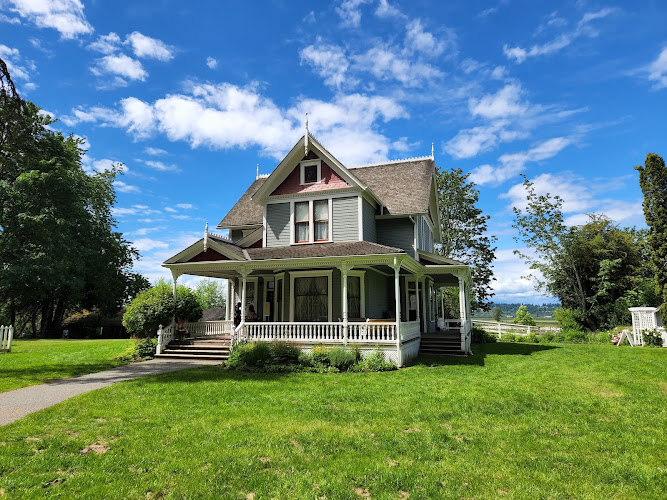
Historic Stewart Farm
About Historic Stewart Farm
Description
The Historic Stewart Farm takes visitors back to rural life in the late 1800s, offering an authentic glimpse into British Columbia's agricultural heritage. This living history museum preserves a working farmhouse along with its original outbuildings and grounds, all maintained to reflect the period when the Stewart family first established their homestead. What makes this place particularly special is how it brings history to life - costumed interpreters don't just stand around answering questions; they actually engage in the daily activities that would have kept a Victorian-era farm running. Walking through the property feels like stepping through a time portal, honestly. The weathered wood of the barns, the creaking floorboards of the main house, and even the layout of the gardens all tell stories of a different era. And I've always found there's something deeply satisfying about seeing how people actually lived rather than just reading about it in textbooks. The Stewart family's story represents thousands of pioneer families who helped shape the region, making this more than just a collection of old buildings - it's a tangible connection to the past. The farm hosts numerous events throughout the year that really amp up the experience. From seasonal celebrations to hands-on workshops, there's usually something happening that goes beyond a standard museum visit. Kids especially seem to get swept up in the atmosphere, probably because they can actually touch things and participate rather than being told to keep their hands to themselves like in most museums.Key Features
The Historic Stewart Farm offers visitors several distinctive elements that create a memorable historical experience:- Original 1890s farmhouse furnished with period-appropriate items and decor that reflect Victorian-era domestic life
- Costumed historical interpreters who demonstrate authentic farming techniques, crafts, and daily activities from the late 19th century
- Multiple preserved outbuildings including barns, sheds, and workspaces that show the full scope of farm operations
- Heritage gardens maintained with plant varieties that would have been common in pioneer gardens
- Special programming designed specifically for children, including interactive activities and educational workshops
- Seasonal events and celebrations that recreate historical festivities and traditions
- Fully accessible facilities with wheelchair-friendly pathways, restrooms, and entrance
- Complimentary parking facilities for all visitors
- Hands-on demonstrations of historical skills like butter churning, blacksmithing, and traditional cooking methods
- Photo opportunities throughout the grounds with authentic historical settings
Best Time to Visit
Here's where timing really matters if you want to get the most out of your visit. The farm operates seasonally, typically from spring through early fall, with the busiest and most program-rich months falling between May and September. But honestly, each season offers its own flavor of the experience. Summer months bring the fullest calendar of events and activities. The gardens are in bloom, all the buildings are open for exploration, and you'll find the most costumed interpreters on site conducting demonstrations. Weekends during July and August can get pretty crowded though - not uncomfortably so, but if you're hoping for a more contemplative visit, weekday mornings might be your sweet spot. Fall has become one of my favorite times to visit heritage sites like this. September and October offer harvest-themed programming that's particularly authentic - after all, this would have been one of the busiest times on a real working farm. The autumn colors on the grounds create gorgeous photo opportunities, and there's something about the crisp air that just feels right for stepping back in time. Spring visits have their charm too, especially if you're interested in seeing the agricultural side of things. Planting season demonstrations and baby animals (when available) make it especially appealing for families with younger children. The weather can be a bit unpredictable, so bringing layers is smart. Winter sees reduced hours or closures depending on the specific dates, but special holiday events sometimes pop up. Victorian Christmas celebrations at historical sites are genuinely magical experiences that shouldn't be missed if they're offered. Regardless of when you visit, checking the event calendar beforehand pays off. Special event days bring additional programming, but they also bring bigger crowds. If you're traveling from out of town, planning around a specific event can enhance the experience significantly.How to Get There
Getting to Historic Stewart Farm is straightforward whether you're coming from nearby or making a day trip from farther away. The site sits in the Metro Vancouver area, making it accessible for both locals and tourists staying in the region. By car, you'll find the farm easiest to reach, and that free parking lot mentioned earlier removes one common travel headache. GPS directions work reliably for the location, and the entrance is clearly marked. Traffic considerations depend on your starting point, but generally the area doesn't suffer from the same congestion you'd encounter heading into downtown Vancouver. For those relying on public transportation, the journey requires a bit more planning but remains doable. Bus routes service the general area, though you might face a short walk from the nearest stop. Transit schedules can be less frequent on weekends, so checking times before you leave saves frustration later. Many visitors combine the farm with other attractions in the region, making it part of a broader day trip. The surrounding area offers several other points of interest, so mapping out an efficient route makes sense if you're trying to maximize your sightseeing. Cyclists will find the area generally bike-friendly, with paths and roads that accommodate two-wheeled visitors. Just be prepared for some moderate distances if you're coming from farther points.Tips for Visiting
A little advance planning goes a long way toward making your Historic Stewart Farm experience great rather than just okay. First off, wear comfortable walking shoes - and I mean actually comfortable, not those sneakers that seem fine until you've been on your feet for an hour. The grounds cover a decent amount of territory, and you'll be moving between buildings on surfaces that aren't always perfectly smooth. Weather preparation matters more than you might think. Even on sunny days, some areas might be shaded and cooler, particularly inside the older buildings. And because this is the Pacific Northwest we're talking about, having a rain jacket stashed in your bag is just common sense. The weather can shift pretty quickly. Photography enthusiasts should absolutely bring their cameras. The rustic buildings, period details, and costumed interpreters create fantastic photo opportunities. Most sites like this allow photography for personal use, but it's polite to ask interpreters before snapping their pictures - though in my experience, they're usually happy to pose. Engaging with the costumed interpreters really elevates the visit. These folks are typically passionate about the history they're presenting and love sharing details. Don't be shy about asking questions - that's literally why they're there. Some of the most interesting information I've learned at living history sites came from just striking up conversations rather than reading plaques. For families with children, setting expectations beforehand helps. While the farm caters well to kids with specific programming, it's still fundamentally a historical site that requires some level of patience and interest. Framing it as an adventure or treasure hunt can help maintain engagement with younger visitors who might otherwise get restless. Timing your visit to catch specific demonstrations or activities adds value. Check what's happening before you arrive and plan accordingly. Some demonstrations only happen at certain times, and missing them means missing a significant part of what makes the place special. The onsite restroom facilities mean you don't need to worry about planning bathroom breaks elsewhere, which is honestly a bigger relief than people admit when planning outings. Accessibility features make the site welcoming for visitors with mobility challenges - something not every historical site manages to accomplish while maintaining authenticity. Budget-wise, admission costs are generally reasonable for what you get, especially compared to larger museums. Many heritage sites also offer family rates or annual passes if you're local and planning multiple visits. Finally, consider the less obvious times to visit. Those weekday mornings I mentioned earlier? You might practically have the place to yourself, allowing for more extended conversations with interpreters and a more immersive experience without crowds of other visitors in your photos. Sometimes avoiding peak times transforms a good visit into a genuinely memorable one. The Historic Stewart Farm represents more than just preserved buildings - it's a working reminder of the region's agricultural roots and the daily realities faced by pioneer families. Whether you're a history enthusiast, looking for an educational family outing, or simply curious about life in a different era, this living history museum delivers an experience that static displays simply can't match.Key Features
- Original 1890s farmhouse furnished with period-appropriate items and decor that reflect Victorian-era domestic life
- Costumed historical interpreters who demonstrate authentic farming techniques, crafts, and daily activities from the late 19th century
- Multiple preserved outbuildings including barns, sheds, and workspaces that show the full scope of farm operations
- Heritage gardens maintained with plant varieties that would have been common in pioneer gardens
- Special programming designed specifically for children, including interactive activities and educational workshops
- Seasonal events and celebrations that recreate historical festivities and traditions
- Fully accessible facilities with wheelchair-friendly pathways, restrooms, and entrance
- Complimentary parking facilities for all visitors
More Details
Updated March 30, 2026
Table of Contents
Description
The Historic Stewart Farm takes visitors back to rural life in the late 1800s, offering an authentic glimpse into British Columbia’s agricultural heritage. This living history museum preserves a working farmhouse along with its original outbuildings and grounds, all maintained to reflect the period when the Stewart family first established their homestead. What makes this place particularly special is how it brings history to life – costumed interpreters don’t just stand around answering questions; they actually engage in the daily activities that would have kept a Victorian-era farm running.
Walking through the property feels like stepping through a time portal, honestly. The weathered wood of the barns, the creaking floorboards of the main house, and even the layout of the gardens all tell stories of a different era. And I’ve always found there’s something deeply satisfying about seeing how people actually lived rather than just reading about it in textbooks. The Stewart family’s story represents thousands of pioneer families who helped shape the region, making this more than just a collection of old buildings – it’s a tangible connection to the past.
The farm hosts numerous events throughout the year that really amp up the experience. From seasonal celebrations to hands-on workshops, there’s usually something happening that goes beyond a standard museum visit. Kids especially seem to get swept up in the atmosphere, probably because they can actually touch things and participate rather than being told to keep their hands to themselves like in most museums.
Key Features
The Historic Stewart Farm offers visitors several distinctive elements that create a memorable historical experience:
- Original 1890s farmhouse furnished with period-appropriate items and decor that reflect Victorian-era domestic life
- Costumed historical interpreters who demonstrate authentic farming techniques, crafts, and daily activities from the late 19th century
- Multiple preserved outbuildings including barns, sheds, and workspaces that show the full scope of farm operations
- Heritage gardens maintained with plant varieties that would have been common in pioneer gardens
- Special programming designed specifically for children, including interactive activities and educational workshops
- Seasonal events and celebrations that recreate historical festivities and traditions
- Fully accessible facilities with wheelchair-friendly pathways, restrooms, and entrance
- Complimentary parking facilities for all visitors
- Hands-on demonstrations of historical skills like butter churning, blacksmithing, and traditional cooking methods
- Photo opportunities throughout the grounds with authentic historical settings
Best Time to Visit
Here’s where timing really matters if you want to get the most out of your visit. The farm operates seasonally, typically from spring through early fall, with the busiest and most program-rich months falling between May and September. But honestly, each season offers its own flavor of the experience.
Summer months bring the fullest calendar of events and activities. The gardens are in bloom, all the buildings are open for exploration, and you’ll find the most costumed interpreters on site conducting demonstrations. Weekends during July and August can get pretty crowded though – not uncomfortably so, but if you’re hoping for a more contemplative visit, weekday mornings might be your sweet spot.
Fall has become one of my favorite times to visit heritage sites like this. September and October offer harvest-themed programming that’s particularly authentic – after all, this would have been one of the busiest times on a real working farm. The autumn colors on the grounds create gorgeous photo opportunities, and there’s something about the crisp air that just feels right for stepping back in time.
Spring visits have their charm too, especially if you’re interested in seeing the agricultural side of things. Planting season demonstrations and baby animals (when available) make it especially appealing for families with younger children. The weather can be a bit unpredictable, so bringing layers is smart.
Winter sees reduced hours or closures depending on the specific dates, but special holiday events sometimes pop up. Victorian Christmas celebrations at historical sites are genuinely magical experiences that shouldn’t be missed if they’re offered.
Regardless of when you visit, checking the event calendar beforehand pays off. Special event days bring additional programming, but they also bring bigger crowds. If you’re traveling from out of town, planning around a specific event can enhance the experience significantly.
How to Get There
Getting to Historic Stewart Farm is straightforward whether you’re coming from nearby or making a day trip from farther away. The site sits in the Metro Vancouver area, making it accessible for both locals and tourists staying in the region.
By car, you’ll find the farm easiest to reach, and that free parking lot mentioned earlier removes one common travel headache. GPS directions work reliably for the location, and the entrance is clearly marked. Traffic considerations depend on your starting point, but generally the area doesn’t suffer from the same congestion you’d encounter heading into downtown Vancouver.
For those relying on public transportation, the journey requires a bit more planning but remains doable. Bus routes service the general area, though you might face a short walk from the nearest stop. Transit schedules can be less frequent on weekends, so checking times before you leave saves frustration later.
Many visitors combine the farm with other attractions in the region, making it part of a broader day trip. The surrounding area offers several other points of interest, so mapping out an efficient route makes sense if you’re trying to maximize your sightseeing.
Cyclists will find the area generally bike-friendly, with paths and roads that accommodate two-wheeled visitors. Just be prepared for some moderate distances if you’re coming from farther points.
Tips for Visiting
A little advance planning goes a long way toward making your Historic Stewart Farm experience great rather than just okay. First off, wear comfortable walking shoes – and I mean actually comfortable, not those sneakers that seem fine until you’ve been on your feet for an hour. The grounds cover a decent amount of territory, and you’ll be moving between buildings on surfaces that aren’t always perfectly smooth.
Weather preparation matters more than you might think. Even on sunny days, some areas might be shaded and cooler, particularly inside the older buildings. And because this is the Pacific Northwest we’re talking about, having a rain jacket stashed in your bag is just common sense. The weather can shift pretty quickly.
Photography enthusiasts should absolutely bring their cameras. The rustic buildings, period details, and costumed interpreters create fantastic photo opportunities. Most sites like this allow photography for personal use, but it’s polite to ask interpreters before snapping their pictures – though in my experience, they’re usually happy to pose.
Engaging with the costumed interpreters really elevates the visit. These folks are typically passionate about the history they’re presenting and love sharing details. Don’t be shy about asking questions – that’s literally why they’re there. Some of the most interesting information I’ve learned at living history sites came from just striking up conversations rather than reading plaques.
For families with children, setting expectations beforehand helps. While the farm caters well to kids with specific programming, it’s still fundamentally a historical site that requires some level of patience and interest. Framing it as an adventure or treasure hunt can help maintain engagement with younger visitors who might otherwise get restless.
Timing your visit to catch specific demonstrations or activities adds value. Check what’s happening before you arrive and plan accordingly. Some demonstrations only happen at certain times, and missing them means missing a significant part of what makes the place special.
The onsite restroom facilities mean you don’t need to worry about planning bathroom breaks elsewhere, which is honestly a bigger relief than people admit when planning outings. Accessibility features make the site welcoming for visitors with mobility challenges – something not every historical site manages to accomplish while maintaining authenticity.
Budget-wise, admission costs are generally reasonable for what you get, especially compared to larger museums. Many heritage sites also offer family rates or annual passes if you’re local and planning multiple visits.
Finally, consider the less obvious times to visit. Those weekday mornings I mentioned earlier? You might practically have the place to yourself, allowing for more extended conversations with interpreters and a more immersive experience without crowds of other visitors in your photos. Sometimes avoiding peak times transforms a good visit into a genuinely memorable one.
The Historic Stewart Farm represents more than just preserved buildings – it’s a working reminder of the region’s agricultural roots and the daily realities faced by pioneer families. Whether you’re a history enthusiast, looking for an educational family outing, or simply curious about life in a different era, this living history museum delivers an experience that static displays simply can’t match.
Key Highlights
- Original 1890s farmhouse furnished with period-appropriate items and decor that reflect Victorian-era domestic life
- Costumed historical interpreters who demonstrate authentic farming techniques, crafts, and daily activities from the late 19th century
- Multiple preserved outbuildings including barns, sheds, and workspaces that show the full scope of farm operations
- Heritage gardens maintained with plant varieties that would have been common in pioneer gardens
- Special programming designed specifically for children, including interactive activities and educational workshops
- Seasonal events and celebrations that recreate historical festivities and traditions
- Fully accessible facilities with wheelchair-friendly pathways, restrooms, and entrance
- Complimentary parking facilities for all visitors
Location
Places to Stay Near Historic Stewart Farm
Find and Book a Tour
Explore More Travel Guides
No reviews found! Be the first to review!
Historic Stewart Farm is a prominent museums located in Surrey.
Visit us at: 13723 Crescent Rd, Surrey, BC V4P 1J4, Canada.
Traveler Reviews for Historic Stewart Farm
There are no reviews yet. Be the first one to write one.
Have you visited Historic Stewart Farm? Help other travelers by sharing your review.
You Might Also Like
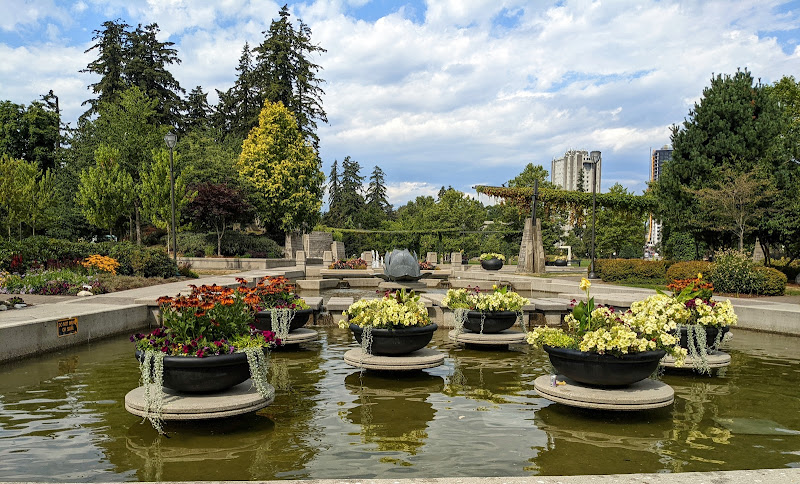
Holland Park
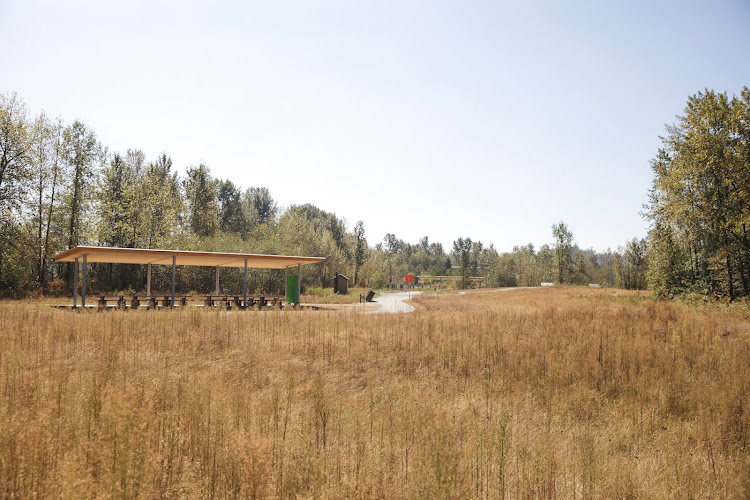
Surrey Bend Regional Park
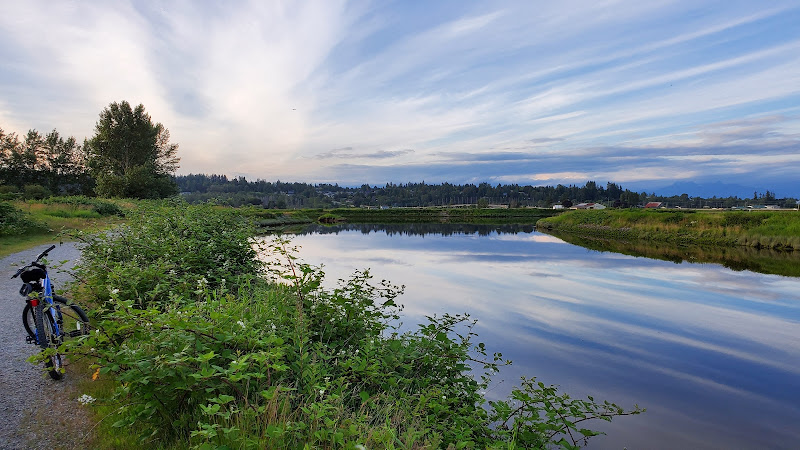
Serpentine Fen
Find Accommodations Nearby
Recommended Tours & Activities
Visitor Reviews
There are no reviews yet. Be the first one to write one.
Share Your Experience
Have you visited Historic Stewart Farm? Help other travelers by leaving a review.