
Fraser Valley Heritage Railway
About Fraser Valley Heritage Railway
Description
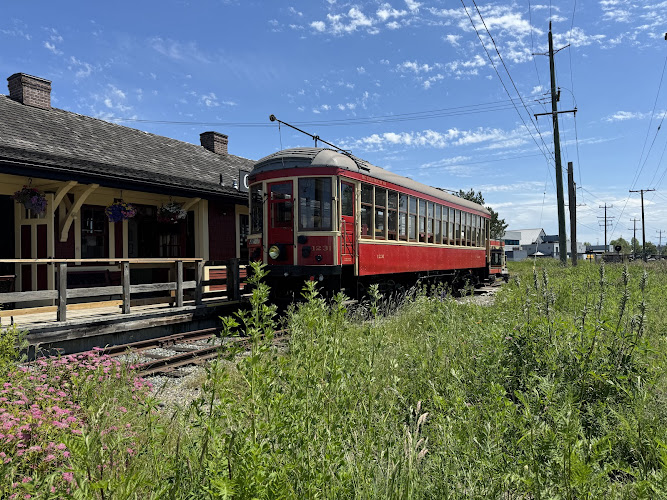
The Fraser Valley Heritage Railway stands as a remarkable testament to British Columbia's railway history, offering visitors an authentic journey back in time through the golden age of rail travel. This working railway museum operates on the original tracks that once connected communities throughout the Fraser Valley, and it's something that honestly captures the imagination in a way that few static museums can manage. What makes this place truly special is how it brings history to life through actual train rides rather than just displaying artifacts behind glass. Visitors board vintage railcars that have been meticulously restored by dedicated volunteers who pour their hearts into keeping these mechanical marvels running. And when you're sitting in one of those old seats, feeling the gentle sway of the carriage and hearing the rhythmic clatter of wheels on rails, you understand railway history in a completely different way than reading about it ever could achieve. The railway museum showcases the region's transportation heritage through hands-on experiences that appeal to railway enthusiasts, families looking for educational adventures, and anyone with an appreciation for the craftsmanship of a bygone era. The commitment to authenticity here is impressive - these aren't replicas or theme park attractions but genuine historical equipment that has been lovingly maintained to operational standards. You can actually see volunteers working on restoration projects during your visit, which adds another fascinating dimension to the experience. The facility has made considerable efforts to ensure accessibility for all visitors, with wheelchair-accessible entrances, parking areas, restrooms, and seating arrangements throughout the property. This thoughtful approach means that railway history becomes available to everyone regardless of mobility considerations, which is something not all heritage attractions manage to accomplish successfully.Key Features
The Fraser Valley Heritage Railway offers several distinctive features that set it apart from typical museum experiences: • Authentic vintage railway equipment including restored passenger cars and locomotives that actually operate on historic rail lines • Live demonstration rides that transport visitors along the original railway corridor used during the early development of the Fraser Valley region • Volunteer-led tours and presentations that provide insider knowledge about railway operations, restoration techniques, and local transportation history • Hands-on exhibits where visitors can explore railway technology and understand how these massive machines functioned in their heyday • Seasonal special events including themed rides and live performances that bring different eras of railway history to life • Active restoration workshops where dedicated volunteers work on ongoing preservation projects, often visible to visitors • Family-friendly programming designed to engage children with railway history through interactive experiences rather than passive observation • Wheelchair accessibility throughout the facility including specially designed seating areas on train cars • Historical displays featuring photographs, artifacts, and storytelling elements that connect the railway to broader Fraser Valley development • Educational programs that illuminate the crucial role railways played in British Columbia's economic and social growthBest Time to Visit
Planning your visit to the Fraser Valley Heritage Railway requires some consideration of their operating schedule since this is a volunteer-run organization rather than a year-round commercial operation. The railway typically operates most actively during the warmer months from May through October when weather conditions are favorable for outdoor activities and track maintenance is easier to manage. Summer months bring the most frequent service schedules with regular ride times on weekends and sometimes extended operations during holiday periods. July and August see peak visitor numbers, which means more energy and activity but also potentially larger crowds. If you prefer a more relaxed experience with fewer people, consider visiting during shoulder seasons in late spring or early autumn when the weather remains pleasant but visitor numbers drop slightly. Special events throughout the operating season create unique visiting opportunities that go beyond the standard heritage railway experience. Halloween-themed rides in October have become particularly popular with families, while December sometimes features special holiday trains depending on volunteer availability and track conditions. These themed experiences book up quickly, so advance planning becomes essential if you want to participate. Weekends obviously see more activity than weekdays, though the railway's schedule can vary based on volunteer availability and special programs. Checking their current operating schedule before planning your trip saves disappointment - I've heard from folks who showed up on days when nothing was running, which is frustrating after making the journey. Weather plays a bigger role here than at indoor museums since much of the experience happens outdoors or in open-air railway cars. Rain doesn't necessarily cancel operations, but it certainly affects comfort levels. Sunny days with moderate temperatures create the ideal conditions for appreciating both the scenery and the experience without weather distractions.How to Get There
Reaching the Fraser Valley Heritage Railway is straightforward for visitors traveling by car, which honestly is the most practical option for this particular attraction. The museum is located within the Fraser Valley region east of Vancouver, accessible via major highways that connect the area's communities. For those driving from Vancouver or the Lower Mainland, the journey takes you through scenic farmland and residential areas that themselves tell stories about the region's development. The drive typically takes between 45 minutes to an hour depending on your starting point and traffic conditions, which can vary considerably during peak travel times. Public transit options exist but require more planning and patience since the railway museum isn't located in a major urban center with frequent bus service. Regional transit connections can get you to nearby communities, but you'll likely need to arrange additional transportation for the final segment of your journey. This isn't impossible, but it does add complexity that families or groups might find inconvenient. Parking at the facility is available and accessible, including designated spaces for visitors with mobility needs. The lot can fill up during special events or peak summer weekends, so arriving earlier in the day generally ensures easier parking and a more relaxed start to your visit. For visitors coming from further afield or international travelers, the nearest major airport is Vancouver International Airport. From there, you'd need to arrange a rental car or private transportation to reach the heritage railway, as direct shuttle services don't typically operate to this location.Tips for Visiting
Getting the most from your Fraser Valley Heritage Railway experience involves some practical preparation that might not be immediately obvious to first-time visitors. Advance ticket purchase is genuinely recommended rather than just being a suggestion. Because this is a volunteer-operated facility with limited capacity on their vintage train cars, rides can and do sell out, especially during special events or pleasant summer weekends. Booking ahead guarantees your spot and saves the disappointment of being turned away after making the trip. Dress appropriately for an outdoor historical experience. These vintage train cars don't have modern climate control systems, so you're experiencing authentic conditions that change with the weather. Layers work well since you might be warm in the sun but cooler when the train is moving or if you're exploring outdoor exhibits. Comfortable walking shoes make sense too since you'll be navigating around railway equipment and potentially uneven ground around the facility. Bring your camera or smartphone because photo opportunities abound here. The vintage equipment creates wonderfully photogenic scenes, and the Fraser Valley landscape visible from the train provides beautiful backdrops. But also remember to put the camera down sometimes and just experience the moment - there's something about actually being present in that railway car that you can't capture in photographs. Plan to spend at least two to three hours at the facility if you want to really appreciate what's on offer. A quick ride-and-leave visit misses the restoration workshops, exhibits, and volunteer interactions that add depth to the experience. Many visitors find themselves staying longer than planned once they start talking with the knowledgeable volunteers who have fascinating stories about the equipment and railway history. Kids generally love the hands-on nature of this attraction, but keeping realistic expectations helps. Young children might get restless during longer rides or detailed historical explanations. The museum works well for families when parents approach it as an adventure rather than a classroom lesson, letting children's natural curiosity guide their engagement with the exhibits. Consider bringing snacks and water since restaurant facilities aren't available on-site. Restrooms are provided, but this isn't a commercial attraction with extensive amenities. That said, this simplicity is part of the charm - it keeps the focus on railway heritage rather than tourist infrastructure. Engage with the volunteers whenever possible. These folks dedicate countless hours to keeping this railway operational, and they're typically thrilled to share their knowledge with interested visitors. Asking questions often leads to impromptu demonstrations or explanations that don't happen during standard tours. Some of the most memorable moments at heritage attractions come from these personal interactions rather than scripted presentations. Check weather forecasts before your visit and have backup plans if conditions look particularly unfavorable. While operations continue in light rain, severe weather can lead to cancellations for safety reasons. The museum's communication channels usually provide updates about any schedule changes due to weather or maintenance requirements. For photography enthusiasts and railway buffs, visiting during restoration work sessions offers unique opportunities to see the behind-the-scenes efforts that keep historical equipment operational. The museum sometimes announces special workshop days when significant restoration activities occur.Key Features
- Key Features
- Best Time to Visit
- How to Get There
- Tips for Visiting
More Details
Updated March 30, 2026
Table of Contents
Description
The Fraser Valley Heritage Railway stands as a remarkable testament to British Columbia’s railway history, offering visitors an authentic journey back in time through the golden age of rail travel. This working railway museum operates on the original tracks that once connected communities throughout the Fraser Valley, and it’s something that honestly captures the imagination in a way that few static museums can manage.
What makes this place truly special is how it brings history to life through actual train rides rather than just displaying artifacts behind glass. Visitors board vintage railcars that have been meticulously restored by dedicated volunteers who pour their hearts into keeping these mechanical marvels running. And when you’re sitting in one of those old seats, feeling the gentle sway of the carriage and hearing the rhythmic clatter of wheels on rails, you understand railway history in a completely different way than reading about it ever could achieve.
The railway museum showcases the region’s transportation heritage through hands-on experiences that appeal to railway enthusiasts, families looking for educational adventures, and anyone with an appreciation for the craftsmanship of a bygone era. The commitment to authenticity here is impressive – these aren’t replicas or theme park attractions but genuine historical equipment that has been lovingly maintained to operational standards. You can actually see volunteers working on restoration projects during your visit, which adds another fascinating dimension to the experience.
The facility has made considerable efforts to ensure accessibility for all visitors, with wheelchair-accessible entrances, parking areas, restrooms, and seating arrangements throughout the property. This thoughtful approach means that railway history becomes available to everyone regardless of mobility considerations, which is something not all heritage attractions manage to accomplish successfully.
Key Features
The Fraser Valley Heritage Railway offers several distinctive features that set it apart from typical museum experiences:
• Authentic vintage railway equipment including restored passenger cars and locomotives that actually operate on historic rail lines
• Live demonstration rides that transport visitors along the original railway corridor used during the early development of the Fraser Valley region
• Volunteer-led tours and presentations that provide insider knowledge about railway operations, restoration techniques, and local transportation history
• Hands-on exhibits where visitors can explore railway technology and understand how these massive machines functioned in their heyday
• Seasonal special events including themed rides and live performances that bring different eras of railway history to life
• Active restoration workshops where dedicated volunteers work on ongoing preservation projects, often visible to visitors
• Family-friendly programming designed to engage children with railway history through interactive experiences rather than passive observation
• Wheelchair accessibility throughout the facility including specially designed seating areas on train cars
• Historical displays featuring photographs, artifacts, and storytelling elements that connect the railway to broader Fraser Valley development
• Educational programs that illuminate the crucial role railways played in British Columbia’s economic and social growth
Best Time to Visit
Planning your visit to the Fraser Valley Heritage Railway requires some consideration of their operating schedule since this is a volunteer-run organization rather than a year-round commercial operation. The railway typically operates most actively during the warmer months from May through October when weather conditions are favorable for outdoor activities and track maintenance is easier to manage.
Summer months bring the most frequent service schedules with regular ride times on weekends and sometimes extended operations during holiday periods. July and August see peak visitor numbers, which means more energy and activity but also potentially larger crowds. If you prefer a more relaxed experience with fewer people, consider visiting during shoulder seasons in late spring or early autumn when the weather remains pleasant but visitor numbers drop slightly.
Special events throughout the operating season create unique visiting opportunities that go beyond the standard heritage railway experience. Halloween-themed rides in October have become particularly popular with families, while December sometimes features special holiday trains depending on volunteer availability and track conditions. These themed experiences book up quickly, so advance planning becomes essential if you want to participate.
Weekends obviously see more activity than weekdays, though the railway’s schedule can vary based on volunteer availability and special programs. Checking their current operating schedule before planning your trip saves disappointment – I’ve heard from folks who showed up on days when nothing was running, which is frustrating after making the journey.
Weather plays a bigger role here than at indoor museums since much of the experience happens outdoors or in open-air railway cars. Rain doesn’t necessarily cancel operations, but it certainly affects comfort levels. Sunny days with moderate temperatures create the ideal conditions for appreciating both the scenery and the experience without weather distractions.
How to Get There
Reaching the Fraser Valley Heritage Railway is straightforward for visitors traveling by car, which honestly is the most practical option for this particular attraction. The museum is located within the Fraser Valley region east of Vancouver, accessible via major highways that connect the area’s communities.
For those driving from Vancouver or the Lower Mainland, the journey takes you through scenic farmland and residential areas that themselves tell stories about the region’s development. The drive typically takes between 45 minutes to an hour depending on your starting point and traffic conditions, which can vary considerably during peak travel times.
Public transit options exist but require more planning and patience since the railway museum isn’t located in a major urban center with frequent bus service. Regional transit connections can get you to nearby communities, but you’ll likely need to arrange additional transportation for the final segment of your journey. This isn’t impossible, but it does add complexity that families or groups might find inconvenient.
Parking at the facility is available and accessible, including designated spaces for visitors with mobility needs. The lot can fill up during special events or peak summer weekends, so arriving earlier in the day generally ensures easier parking and a more relaxed start to your visit.
For visitors coming from further afield or international travelers, the nearest major airport is Vancouver International Airport. From there, you’d need to arrange a rental car or private transportation to reach the heritage railway, as direct shuttle services don’t typically operate to this location.
Tips for Visiting
Getting the most from your Fraser Valley Heritage Railway experience involves some practical preparation that might not be immediately obvious to first-time visitors.
Advance ticket purchase is genuinely recommended rather than just being a suggestion. Because this is a volunteer-operated facility with limited capacity on their vintage train cars, rides can and do sell out, especially during special events or pleasant summer weekends. Booking ahead guarantees your spot and saves the disappointment of being turned away after making the trip.
Dress appropriately for an outdoor historical experience. These vintage train cars don’t have modern climate control systems, so you’re experiencing authentic conditions that change with the weather. Layers work well since you might be warm in the sun but cooler when the train is moving or if you’re exploring outdoor exhibits. Comfortable walking shoes make sense too since you’ll be navigating around railway equipment and potentially uneven ground around the facility.
Bring your camera or smartphone because photo opportunities abound here. The vintage equipment creates wonderfully photogenic scenes, and the Fraser Valley landscape visible from the train provides beautiful backdrops. But also remember to put the camera down sometimes and just experience the moment – there’s something about actually being present in that railway car that you can’t capture in photographs.
Plan to spend at least two to three hours at the facility if you want to really appreciate what’s on offer. A quick ride-and-leave visit misses the restoration workshops, exhibits, and volunteer interactions that add depth to the experience. Many visitors find themselves staying longer than planned once they start talking with the knowledgeable volunteers who have fascinating stories about the equipment and railway history.
Kids generally love the hands-on nature of this attraction, but keeping realistic expectations helps. Young children might get restless during longer rides or detailed historical explanations. The museum works well for families when parents approach it as an adventure rather than a classroom lesson, letting children’s natural curiosity guide their engagement with the exhibits.
Consider bringing snacks and water since restaurant facilities aren’t available on-site. Restrooms are provided, but this isn’t a commercial attraction with extensive amenities. That said, this simplicity is part of the charm – it keeps the focus on railway heritage rather than tourist infrastructure.
Engage with the volunteers whenever possible. These folks dedicate countless hours to keeping this railway operational, and they’re typically thrilled to share their knowledge with interested visitors. Asking questions often leads to impromptu demonstrations or explanations that don’t happen during standard tours. Some of the most memorable moments at heritage attractions come from these personal interactions rather than scripted presentations.
Check weather forecasts before your visit and have backup plans if conditions look particularly unfavorable. While operations continue in light rain, severe weather can lead to cancellations for safety reasons. The museum’s communication channels usually provide updates about any schedule changes due to weather or maintenance requirements.
For photography enthusiasts and railway buffs, visiting during restoration work sessions offers unique opportunities to see the behind-the-scenes efforts that keep historical equipment operational. The museum sometimes announces special workshop days when significant restoration activities occur.
Key Highlights
- Key Features
- Best Time to Visit
- How to Get There
- Tips for Visiting
Location
Places to Stay Near Fraser Valley Heritage Railway
Find and Book a Tour
Explore More Travel Guides
No reviews found! Be the first to review!
Fraser Valley Heritage Railway is a prominent museums located in Surrey.
Visit us at: 17630 56 Ave, Surrey, BC V3S 4C3 カナダ.
Traveler Reviews for Fraser Valley Heritage Railway
There are no reviews yet. Be the first one to write one.
Have you visited Fraser Valley Heritage Railway? Help other travelers by sharing your review.
You Might Also Like
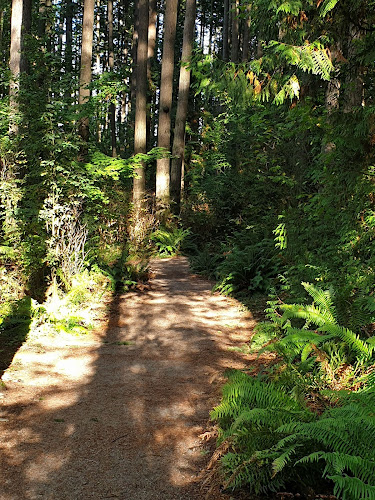
Sunnyside Acres Urban Forest Park
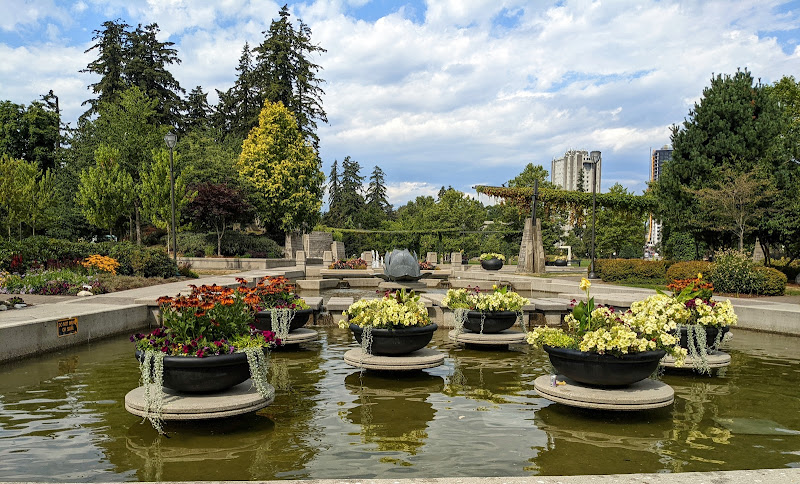
Holland Park
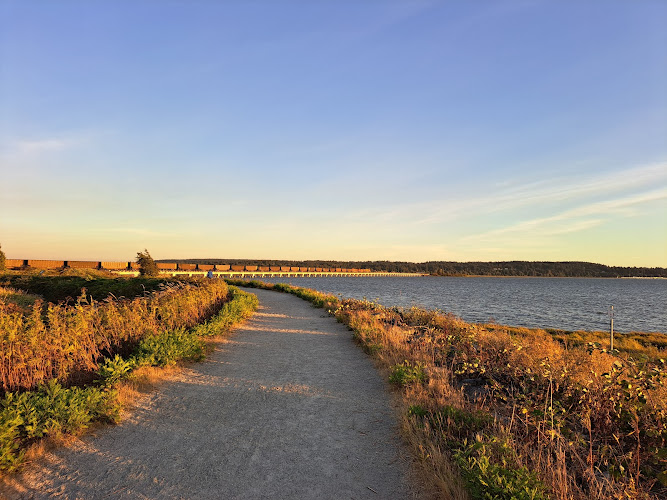
Mud Bay Park
Find Accommodations Nearby
Recommended Tours & Activities
Visitor Reviews
There are no reviews yet. Be the first one to write one.
Share Your Experience
Have you visited Fraser Valley Heritage Railway? Help other travelers by leaving a review.