
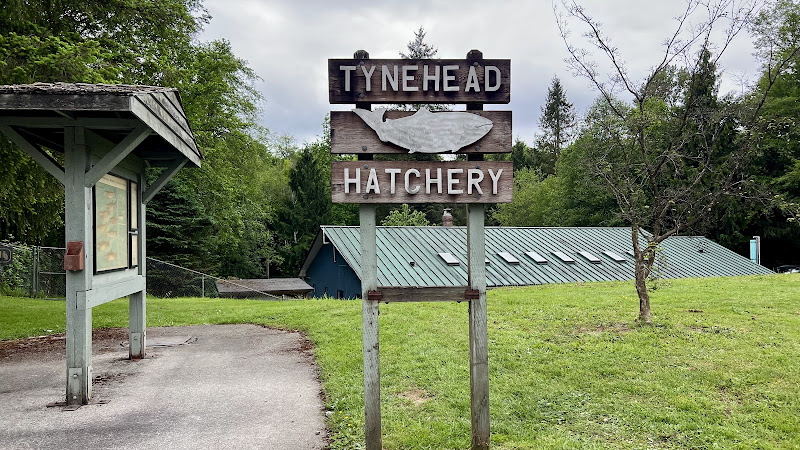
Tynehead Hatchery
About Tynehead Hatchery
Description
Tynehead Hatchery offers visitors a fascinating glimpse into salmon conservation efforts right in the heart of British Columbia. This working fish farm doubles as a park and tourist attraction, making it one of those rare spots where education meets outdoor recreation in the most delightful way. I've always found there's something almost meditative about watching salmon navigate their way through the hatchery systems, and honestly, it's a reminder of how interconnected we are with the natural world around us. The facility operates as more than just a breeding ground for salmon - it's become a community gathering place where families spend lazy Sunday afternoons, school groups learn about aquatic ecosystems, and nature enthusiasts get their fix of Pacific Northwest wildlife. And let me tell you, there's something pretty special about a place that manages to be both educational and genuinely enjoyable for visitors of all ages. What sets Tynehead Hatchery apart from your typical park is its dual purpose. You're not just walking through groomed trails or having a picnic under the trees (though you can certainly do both). You're witnessing active conservation work, seeing the salmon lifecycle unfold before your eyes, and gaining appreciation for the incredible efforts that go into maintaining healthy fish populations in local waterways. The hatchery raises thousands of salmon each year, and during certain seasons, you might witness the incredible sight of adult salmon returning to spawn. The grounds surrounding the hatchery provide a peaceful escape without requiring you to venture deep into the wilderness. It's accessible, well-maintained, and designed with visitor comfort in mind. Whether you're a local looking for a quick nature break or a traveler seeking authentic experiences that showcase regional conservation efforts, this spot delivers on multiple fronts.Key Features
The Tynehead Hatchery experience goes beyond simple fish viewing, offering a range of amenities and activities that make it worth the visit: • Multiple outdoor viewing areas where you can observe salmon in various stages of development throughout different times of the year • Well-maintained hiking trails that wind through forested areas adjacent to the hatchery, perfect for extending your visit into a proper outdoor adventure • Designated picnic areas equipped with tables where you can settle in for lunch while surrounded by nature - I've spent many afternoons here with a good book and a packed lunch • Clean public restrooms, which trust me, is more important than you might think when planning a family outing or longer visit • Fully wheelchair accessible facilities including the entrance and parking areas, ensuring that everyone can experience what the hatchery has to offer • Dog-friendly grounds where your four-legged companions are welcome to join the adventure (just keep them leashed and respectful of the wildlife) • Educational opportunities to learn about salmon species native to the region, their lifecycle, and conservation challenges they face • Kid-friendly hiking options that aren't too strenuous but still give children that sense of exploration they crave • Peaceful natural setting that provides excellent opportunities for photography, birdwatching, and simply disconnecting from the digital world for a while • Free admission, making it an budget-friendly option for families and travelers watching their expensesBest Time to Visit
Timing your visit to Tynehead Hatchery can significantly impact what you'll see and experience. The salmon lifecycle dictates much of the activity here, so understanding the seasonal rhythms helps you plan accordingly. Fall months, particularly October through November, offer the most dramatic viewing opportunities. This is when adult salmon return from the ocean to spawn, and witnessing this natural phenomenon is genuinely breathtaking. The fish are driven by ancient instincts to return to their birthplace, and seeing them navigate upstream is one of nature's most powerful displays. But be prepared - this is also the busiest time at the hatchery, so arriving early in the day gives you a better experience before crowds gather. Spring brings different energy to the facility. Young salmon, called fry, are visible in the rearing ponds, and watching these tiny fish represents hope for future generations. The weather is generally mild, making it comfortable for extended outdoor time. The surrounding trails burst with new growth, and you'll likely spot various bird species that call this area home. Summer works wonderfully for families since kids are out of school and the weather cooperates for picnics and hiking. While salmon activity might be less visible during these months, the hatchery staff continue their work, and there's still plenty to see. Plus, the trails provide shaded relief from warmer temperatures. Winter visits have their own charm, though I'll admit they're not for everyone. The crowds disappear almost entirely, giving you a more contemplative experience. Just dress appropriately because Pacific Northwest winters are wet, and trails can get muddy. However, if you don't mind the conditions, there's something peaceful about having the place mostly to yourself. Weekday visits generally offer a quieter experience compared to weekends when local families descend on the facility. Early mornings, regardless of season, provide the best lighting for photography and the most serene atmosphere.How to Get There
Getting to Tynehead Hatchery is relatively straightforward, though you'll need to pay attention since it's not located in a heavily commercialized area. The facility sits within Tynehead Regional Park, which helps with navigation if you're using GPS or mapping applications. For those driving, which is honestly the most practical option, you'll find dedicated parking areas that can accommodate a decent number of vehicles. The parking lot features accessible spaces close to the entrance, which is thoughtful planning on the part of the park designers. During peak salmon season, particularly on weekend afternoons in October, the lot can fill up, so arriving earlier in the day helps secure a spot. Public transportation options exist, though they require more planning and potentially some walking. Bus routes service the general area, but you'll want to check current schedules and routes before relying on this method. The walk from bus stops to the actual hatchery isn't terrible, but it's something to consider if you're traveling with young children or have mobility concerns. The facility location makes it feasible as a day trip from Vancouver or surrounding communities. You're not committing to an all-day expedition to reach it, which is part of its appeal. It works perfectly as a morning activity before lunch or an afternoon stop after exploring other attractions in the region. Road signage helps guide visitors once you're in the general vicinity, though I won't lie - first-time visitors sometimes miss the entrance. Keep your eyes open and don't be afraid to slow down when you think you're getting close. The entrance isn't as prominently marked as some larger tourist attractions.Tips for Visiting
Making the most of your Tynehead Hatchery experience requires just a bit of preparation and some insider knowledge. Bring layers regardless of when you visit. Pacific Northwest weather has a mind of its own, and conditions can shift quickly. What starts as a sunny morning might turn cloudy and cool by afternoon. I've learned this lesson the hard way more times than I'd like to admit. Pack your own food and drinks if you plan to picnic. There aren't concession stands or nearby restaurants within easy walking distance, so coming prepared ensures you can stay as long as you want without hunger cutting your visit short. The picnic tables provide great spots to refuel, and eating outdoors just tastes better anyway. Wear appropriate footwear, especially if you plan to explore the trails. While the main hatchery viewing areas are paved or well-maintained, the hiking paths can be uneven and muddy depending on recent weather. Waterproof hiking boots serve you well here. Bring binoculars if you're interested in birdwatching. The area attracts various species, and getting a closer look enhances the experience. Same goes for cameras - you'll want to capture those salmon runs or the beautiful forest scenery. Respect the wildlife and follow posted guidelines. The salmon are the stars here, but they're also vulnerable. Don't attempt to touch them or interfere with their movement. Keep dogs leashed and under control at all times, both for their safety and to avoid disturbing the fish and other visitors. Check the hatchery's operational status before making a special trip. While the grounds are generally accessible, specific viewing areas or facilities might occasionally close for maintenance or conservation work. Talk to staff members if they're available. They're typically passionate about their work and happy to answer questions or provide information about what's currently happening at the facility. I've learned so much from casual conversations with hatchery workers over the years. Plan for at least an hour or two if you want to properly explore both the hatchery and the trails. You can certainly pop in for a quick 20-minute look, but that feels rushed and you'll miss the peaceful atmosphere that makes this place special. Consider combining your visit with exploration of the broader Tynehead Regional Park. The hatchery sits within a larger park system with additional trails and natural areas worth discovering if you have the time and energy. Finally, manage expectations appropriately. This isn't a massive aquarium with interactive displays and gift shops. It's a working conservation facility that happens to welcome visitors. The experience is more authentic and educational than polished and commercialized, which honestly is exactly what makes it worthwhile.Key Features
- Working salmon hatchery (Coho, Chum, Chinook)
- Volunteer-run conservation and education programs
- Interpretive displays and seasonal fish releases
- Trails and picnic areas inside Tynehead Regional Park
- Accessible location near Highway 1 in North Surrey
More Details
Updated March 30, 2026
Table of Contents
Description
Tynehead Hatchery offers visitors a fascinating glimpse into salmon conservation efforts right in the heart of British Columbia. This working fish farm doubles as a park and tourist attraction, making it one of those rare spots where education meets outdoor recreation in the most delightful way. I’ve always found there’s something almost meditative about watching salmon navigate their way through the hatchery systems, and honestly, it’s a reminder of how interconnected we are with the natural world around us.
The facility operates as more than just a breeding ground for salmon – it’s become a community gathering place where families spend lazy Sunday afternoons, school groups learn about aquatic ecosystems, and nature enthusiasts get their fix of Pacific Northwest wildlife. And let me tell you, there’s something pretty special about a place that manages to be both educational and genuinely enjoyable for visitors of all ages.
What sets Tynehead Hatchery apart from your typical park is its dual purpose. You’re not just walking through groomed trails or having a picnic under the trees (though you can certainly do both). You’re witnessing active conservation work, seeing the salmon lifecycle unfold before your eyes, and gaining appreciation for the incredible efforts that go into maintaining healthy fish populations in local waterways. The hatchery raises thousands of salmon each year, and during certain seasons, you might witness the incredible sight of adult salmon returning to spawn.
The grounds surrounding the hatchery provide a peaceful escape without requiring you to venture deep into the wilderness. It’s accessible, well-maintained, and designed with visitor comfort in mind. Whether you’re a local looking for a quick nature break or a traveler seeking authentic experiences that showcase regional conservation efforts, this spot delivers on multiple fronts.
Key Features
The Tynehead Hatchery experience goes beyond simple fish viewing, offering a range of amenities and activities that make it worth the visit:
• Multiple outdoor viewing areas where you can observe salmon in various stages of development throughout different times of the year
• Well-maintained hiking trails that wind through forested areas adjacent to the hatchery, perfect for extending your visit into a proper outdoor adventure
• Designated picnic areas equipped with tables where you can settle in for lunch while surrounded by nature – I’ve spent many afternoons here with a good book and a packed lunch
• Clean public restrooms, which trust me, is more important than you might think when planning a family outing or longer visit
• Fully wheelchair accessible facilities including the entrance and parking areas, ensuring that everyone can experience what the hatchery has to offer
• Dog-friendly grounds where your four-legged companions are welcome to join the adventure (just keep them leashed and respectful of the wildlife)
• Educational opportunities to learn about salmon species native to the region, their lifecycle, and conservation challenges they face
• Kid-friendly hiking options that aren’t too strenuous but still give children that sense of exploration they crave
• Peaceful natural setting that provides excellent opportunities for photography, birdwatching, and simply disconnecting from the digital world for a while
• Free admission, making it an budget-friendly option for families and travelers watching their expenses
Best Time to Visit
Timing your visit to Tynehead Hatchery can significantly impact what you’ll see and experience. The salmon lifecycle dictates much of the activity here, so understanding the seasonal rhythms helps you plan accordingly.
Fall months, particularly October through November, offer the most dramatic viewing opportunities. This is when adult salmon return from the ocean to spawn, and witnessing this natural phenomenon is genuinely breathtaking. The fish are driven by ancient instincts to return to their birthplace, and seeing them navigate upstream is one of nature’s most powerful displays. But be prepared – this is also the busiest time at the hatchery, so arriving early in the day gives you a better experience before crowds gather.
Spring brings different energy to the facility. Young salmon, called fry, are visible in the rearing ponds, and watching these tiny fish represents hope for future generations. The weather is generally mild, making it comfortable for extended outdoor time. The surrounding trails burst with new growth, and you’ll likely spot various bird species that call this area home.
Summer works wonderfully for families since kids are out of school and the weather cooperates for picnics and hiking. While salmon activity might be less visible during these months, the hatchery staff continue their work, and there’s still plenty to see. Plus, the trails provide shaded relief from warmer temperatures.
Winter visits have their own charm, though I’ll admit they’re not for everyone. The crowds disappear almost entirely, giving you a more contemplative experience. Just dress appropriately because Pacific Northwest winters are wet, and trails can get muddy. However, if you don’t mind the conditions, there’s something peaceful about having the place mostly to yourself.
Weekday visits generally offer a quieter experience compared to weekends when local families descend on the facility. Early mornings, regardless of season, provide the best lighting for photography and the most serene atmosphere.
How to Get There
Getting to Tynehead Hatchery is relatively straightforward, though you’ll need to pay attention since it’s not located in a heavily commercialized area. The facility sits within Tynehead Regional Park, which helps with navigation if you’re using GPS or mapping applications.
For those driving, which is honestly the most practical option, you’ll find dedicated parking areas that can accommodate a decent number of vehicles. The parking lot features accessible spaces close to the entrance, which is thoughtful planning on the part of the park designers. During peak salmon season, particularly on weekend afternoons in October, the lot can fill up, so arriving earlier in the day helps secure a spot.
Public transportation options exist, though they require more planning and potentially some walking. Bus routes service the general area, but you’ll want to check current schedules and routes before relying on this method. The walk from bus stops to the actual hatchery isn’t terrible, but it’s something to consider if you’re traveling with young children or have mobility concerns.
The facility location makes it feasible as a day trip from Vancouver or surrounding communities. You’re not committing to an all-day expedition to reach it, which is part of its appeal. It works perfectly as a morning activity before lunch or an afternoon stop after exploring other attractions in the region.
Road signage helps guide visitors once you’re in the general vicinity, though I won’t lie – first-time visitors sometimes miss the entrance. Keep your eyes open and don’t be afraid to slow down when you think you’re getting close. The entrance isn’t as prominently marked as some larger tourist attractions.
Tips for Visiting
Making the most of your Tynehead Hatchery experience requires just a bit of preparation and some insider knowledge.
Bring layers regardless of when you visit. Pacific Northwest weather has a mind of its own, and conditions can shift quickly. What starts as a sunny morning might turn cloudy and cool by afternoon. I’ve learned this lesson the hard way more times than I’d like to admit.
Pack your own food and drinks if you plan to picnic. There aren’t concession stands or nearby restaurants within easy walking distance, so coming prepared ensures you can stay as long as you want without hunger cutting your visit short. The picnic tables provide great spots to refuel, and eating outdoors just tastes better anyway.
Wear appropriate footwear, especially if you plan to explore the trails. While the main hatchery viewing areas are paved or well-maintained, the hiking paths can be uneven and muddy depending on recent weather. Waterproof hiking boots serve you well here.
Bring binoculars if you’re interested in birdwatching. The area attracts various species, and getting a closer look enhances the experience. Same goes for cameras – you’ll want to capture those salmon runs or the beautiful forest scenery.
Respect the wildlife and follow posted guidelines. The salmon are the stars here, but they’re also vulnerable. Don’t attempt to touch them or interfere with their movement. Keep dogs leashed and under control at all times, both for their safety and to avoid disturbing the fish and other visitors.
Check the hatchery’s operational status before making a special trip. While the grounds are generally accessible, specific viewing areas or facilities might occasionally close for maintenance or conservation work.
Talk to staff members if they’re available. They’re typically passionate about their work and happy to answer questions or provide information about what’s currently happening at the facility. I’ve learned so much from casual conversations with hatchery workers over the years.
Plan for at least an hour or two if you want to properly explore both the hatchery and the trails. You can certainly pop in for a quick 20-minute look, but that feels rushed and you’ll miss the peaceful atmosphere that makes this place special.
Consider combining your visit with exploration of the broader Tynehead Regional Park. The hatchery sits within a larger park system with additional trails and natural areas worth discovering if you have the time and energy.
Finally, manage expectations appropriately. This isn’t a massive aquarium with interactive displays and gift shops. It’s a working conservation facility that happens to welcome visitors. The experience is more authentic and educational than polished and commercialized, which honestly is exactly what makes it worthwhile.
Key Highlights
- Working salmon hatchery (Coho, Chum, Chinook)
- Volunteer-run conservation and education programs
- Interpretive displays and seasonal fish releases
- Trails and picnic areas inside Tynehead Regional Park
- Accessible location near Highway 1 in North Surrey
Location
Places to Stay Near Tynehead Hatchery
Find and Book a Tour
Explore More Travel Guides
No reviews found! Be the first to review!
Tynehead Hatchery is a prominent attractions located in Surrey.
Visit us at: 16585 96 Ave, Surrey, BC V4N 2E2 カナダ.
Traveler Reviews for Tynehead Hatchery
There are no reviews yet. Be the first one to write one.
Have you visited Tynehead Hatchery? Help other travelers by sharing your review.
Nearby Attractions
You Might Also Like
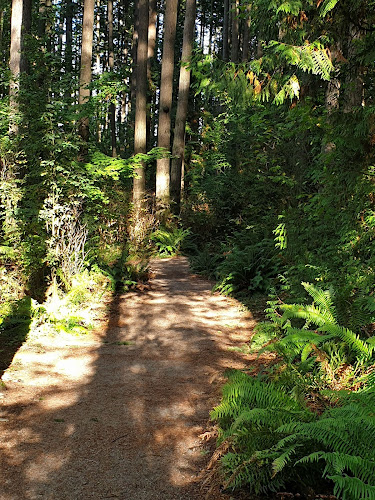
Sunnyside Acres Urban Forest Park
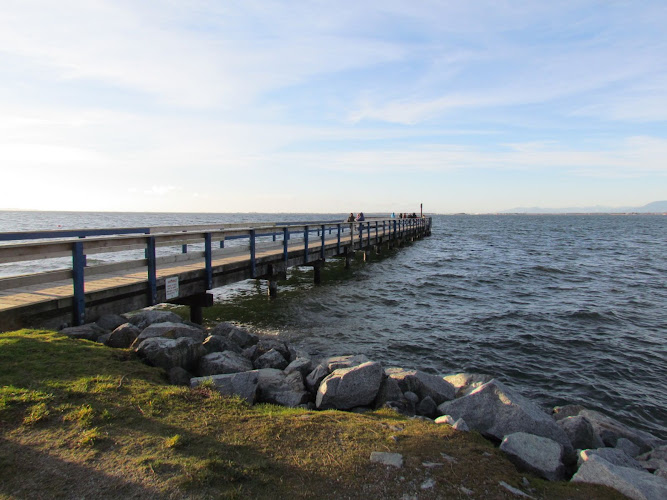
Blackie Spit
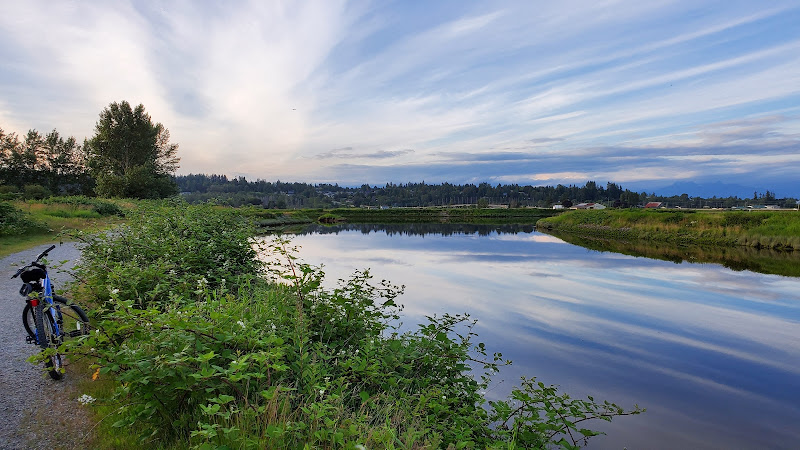
Serpentine Fen
Find Accommodations Nearby
Recommended Tours & Activities
Visitor Reviews
There are no reviews yet. Be the first one to write one.
Share Your Experience
Have you visited Tynehead Hatchery? Help other travelers by leaving a review.