

Hie Shrine
About Hie Shrine
Description
I've gotta tell you about Hie Shrine - it's honestly one of the most fascinating spiritual spots I've encountered in my years exploring Japanese temples and shrines. What really struck me when I first visited was how this serene sanctuary manages to exist right in the middle of Tokyo's buzzing modern landscape. The shrine sits proudly atop a hill, and here's what makes it special - you can either climb the traditional stone steps or (my personal favorite) take the quirky modern escalators up! The vermillion gates leading to the shrine create this absolutely stunning pathway that reminds me of Kyoto's Fushimi Inari Shrine, but with its own unique character. Y'know what I love most about this place? The way it seamlessly blends the ancient and modern - it's like stepping through a time portal while still keeping one foot in present-day Tokyo.Key Features
• The iconic Sanno Torii gates - trust me, these bright vermillion structures make for some incredible photos • The famous pair of guardian monkeys (instead of the usual fox statues you'll see at most shrines) • That cool mix of modern escalators and traditional stone steps leading to the main shrine • The peaceful inner garden that feels like a million miles away from the city chaos • Multiple smaller shrines scattered throughout the complex • The impressive main hall with its distinctive architecture • Annual Sanno Festival - one of Tokyo's three major festivals • Beautiful autumn foliage spots (I caught some amazing views here last fall)Best Time to Visit
From my multiple visits throughout the years, I'd say early morning is your best bet - especially if you're hoping to catch that serene shrine atmosphere without the crowds. June brings the spectacular Sanno Festival, which happens every other year. But I personally love visiting during autumn when the maple trees put on their colorful show. Spring's pretty special too, with cherry blossoms adding their magic to the shrine grounds. And if you're around in January, don't miss the Toshino-Geino festival - it's less crowded than some other New Year celebrations in Tokyo but just as meaningful.How to Get There
Getting to Hie Shrine is actually pretty straightforward. The nearest subway stops are Tameike-Sanno Station and Kokkai-gijidomae Station. I usually take the Ginza or Namboku line since they're super convenient. Once you exit the station, just follow the signs - you really can't miss those distinctive red torii gates leading up to the shrine.Tips for Visiting
Okay, here's what I've learned from my visits - definitely bring your camera because the photo opportunities are incredible. But remember, some areas might restrict photography during ceremonies. Speaking of which, try to be mindful during prayer times and religious events. I always recommend wearing comfortable shoes - even though there are escalators, you'll still do quite a bit of walking around the grounds. And here's a pro tip: bring a small towel during summer months cause it can get pretty humid climbing those steps! If you're interested in getting an omamori (lucky charm) or having your fortune told, the shrine office usually opens from early morning until late afternoon. Oh, and don't forget to check out the small shops near the shrine entrance - they've got some unique local snacks and traditional items you might want to take home. The shrine's also wheelchair accessible, which is pretty fantastic for a historical site. During festivals, especially the Sanno Festival, arrive early because it gets super crowded. And if you're visiting in winter, bundle up - those hilltop winds can be pretty chilly! One last thing - while most people rush through their shrine visits, I really recommend taking your time here. There are so many little details and peaceful corners to discover. Grab a seat on one of the benches, soak in the atmosphere, and watch how the locals come to pray and pay their respects. It's these quiet moments that really help you understand why this shrine has been such an important part of Tokyo's spiritual life for centuries.Key Features
- Key Features
- Best Time to Visit
- How to Get There
- Tips for Visiting
More Details
Updated June 14, 2025
Table of Contents
Description
I’ve gotta tell you about Hie Shrine – it’s honestly one of the most fascinating spiritual spots I’ve encountered in my years exploring Japanese temples and shrines. What really struck me when I first visited was how this serene sanctuary manages to exist right in the middle of Tokyo’s buzzing modern landscape. The shrine sits proudly atop a hill, and here’s what makes it special – you can either climb the traditional stone steps or (my personal favorite) take the quirky modern escalators up!
The vermillion gates leading to the shrine create this absolutely stunning pathway that reminds me of Kyoto’s Fushimi Inari Shrine, but with its own unique character. Y’know what I love most about this place? The way it seamlessly blends the ancient and modern – it’s like stepping through a time portal while still keeping one foot in present-day Tokyo.
Key Features
• The iconic Sanno Torii gates – trust me, these bright vermillion structures make for some incredible photos
• The famous pair of guardian monkeys (instead of the usual fox statues you’ll see at most shrines)
• That cool mix of modern escalators and traditional stone steps leading to the main shrine
• The peaceful inner garden that feels like a million miles away from the city chaos
• Multiple smaller shrines scattered throughout the complex
• The impressive main hall with its distinctive architecture
• Annual Sanno Festival – one of Tokyo’s three major festivals
• Beautiful autumn foliage spots (I caught some amazing views here last fall)
Best Time to Visit
From my multiple visits throughout the years, I’d say early morning is your best bet – especially if you’re hoping to catch that serene shrine atmosphere without the crowds. June brings the spectacular Sanno Festival, which happens every other year. But I personally love visiting during autumn when the maple trees put on their colorful show.
Spring’s pretty special too, with cherry blossoms adding their magic to the shrine grounds. And if you’re around in January, don’t miss the Toshino-Geino festival – it’s less crowded than some other New Year celebrations in Tokyo but just as meaningful.
How to Get There
Getting to Hie Shrine is actually pretty straightforward. The nearest subway stops are Tameike-Sanno Station and Kokkai-gijidomae Station. I usually take the Ginza or Namboku line since they’re super convenient. Once you exit the station, just follow the signs – you really can’t miss those distinctive red torii gates leading up to the shrine.
Tips for Visiting
Okay, here’s what I’ve learned from my visits – definitely bring your camera because the photo opportunities are incredible. But remember, some areas might restrict photography during ceremonies. Speaking of which, try to be mindful during prayer times and religious events.
I always recommend wearing comfortable shoes – even though there are escalators, you’ll still do quite a bit of walking around the grounds. And here’s a pro tip: bring a small towel during summer months cause it can get pretty humid climbing those steps!
If you’re interested in getting an omamori (lucky charm) or having your fortune told, the shrine office usually opens from early morning until late afternoon. Oh, and don’t forget to check out the small shops near the shrine entrance – they’ve got some unique local snacks and traditional items you might want to take home.
The shrine’s also wheelchair accessible, which is pretty fantastic for a historical site. During festivals, especially the Sanno Festival, arrive early because it gets super crowded. And if you’re visiting in winter, bundle up – those hilltop winds can be pretty chilly!
One last thing – while most people rush through their shrine visits, I really recommend taking your time here. There are so many little details and peaceful corners to discover. Grab a seat on one of the benches, soak in the atmosphere, and watch how the locals come to pray and pay their respects. It’s these quiet moments that really help you understand why this shrine has been such an important part of Tokyo’s spiritual life for centuries.
Key Highlights
- Key Features
- Best Time to Visit
- How to Get There
- Tips for Visiting
Location
Places to Stay Near Hie Shrine
Find and Book a Tour
Explore More Travel Guides
No reviews found! Be the first to review!
Traveler Reviews for Hie Shrine
There are no reviews yet. Be the first one to write one.
Have you visited Hie Shrine? Help other travelers by sharing your review.
You Might Also Like

Yasukuni-jinja Shrine

Tokyo Daijingu Shrine
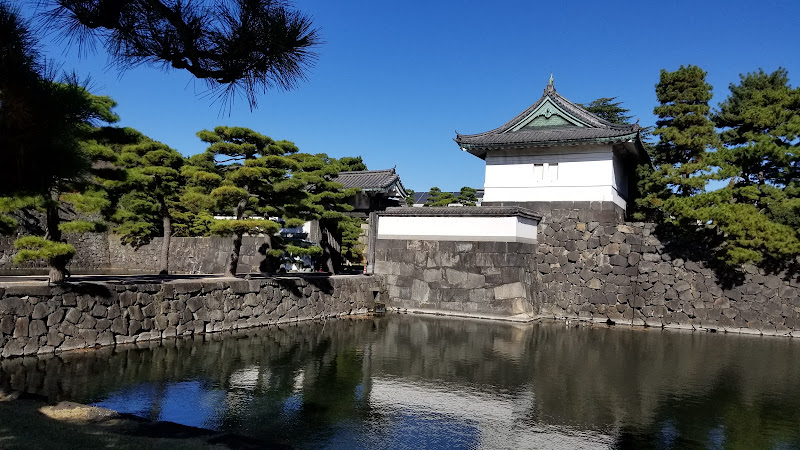
Edo Castle Ruins
Find Accommodations Nearby
Recommended Tours & Activities
Visitor Reviews
There are no reviews yet. Be the first one to write one.
Share Your Experience
Have you visited Hie Shrine? Help other travelers by leaving a review.