

Heimatmuseum Unser Fritz
About Heimatmuseum Unser Fritz
Description
The Heimatmuseum Unser Fritz in Herne is not the kind of museum that sugarcoats history. Instead, it dives headfirst into the gritty, sometimes uncomfortable realities of life in the Ruhr area. It tells the intertwined story of Herne and Wanne-Eickel, two cities that grew up in the shadow of coal mines, factories, and the ever-demanding needs of industry. Walking through its halls feels like stepping into a living narrative of a region where progress often came at the expense of people’s well-being. And yet, that’s exactly what makes it so fascinating—it doesn’t shy away from the so-called “ugly” parts of industrial development. Instead, it embraces them as part of the heritage that shaped the community.
What’s refreshing about this museum is that it doesn’t try to romanticize the past. You’ll see objects, documents, and stories that reflect the struggles of everyday life, the sacrifices made by workers, and the resilience of families who built their futures in tough conditions. It’s a place that feels honest, even raw at times, but that honesty gives it a depth you don’t always find in local history museums. Some visitors walk away moved, others a bit unsettled, but most agree that it leaves a lasting impression. Personally, I found myself thinking about my own grandparents who worked in industrial towns, and how their stories mirror the ones told here. It’s a museum that makes you reflect, not just observe.
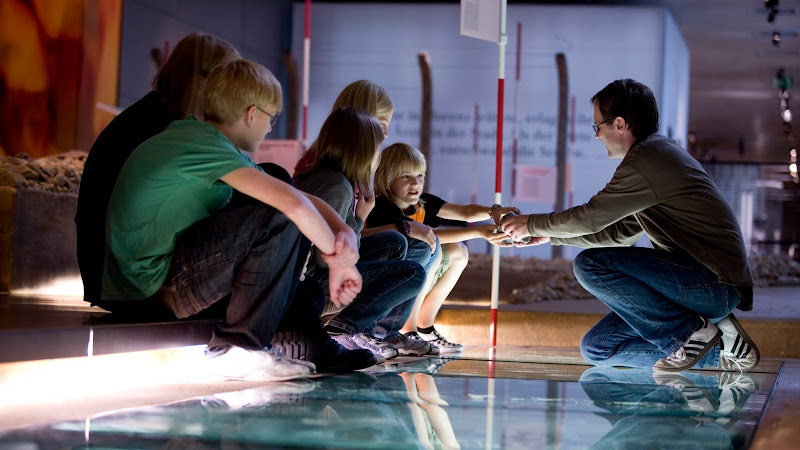
Despite tackling heavy themes, the atmosphere isn’t oppressive. The museum manages to balance the hardships of the past with a sense of pride in the community’s resilience. The building itself, once a school, adds to the charm—it feels like history is layered into the very walls. Families often bring their kids, and surprisingly, children seem to enjoy it too, since the exhibits are presented in a way that sparks curiosity rather than lectures. It’s not a flashy attraction, but it has a quiet authenticity that makes it stand out in a region filled with cultural sites.
Key Features
- Part of the Emschertal Museum network, focusing on the social history of Herne and Wanne-Eickel
- Exhibits that highlight industrial development and its impact on everyday life
- Housed in a former school building, adding architectural character
- Wheelchair accessible entrance, restrooms, and parking lot
- On-site amenities including restrooms, Wi-Fi, and a small restaurant
- Family-friendly environment, suitable for children
- Permanent and rotating exhibitions that explore local heritage in depth
Best Time to Visit
If you’re planning a trip, weekdays are often the best time to go. The museum tends to be quieter then, giving you space to wander at your own pace without feeling rushed. Weekends bring more families and group tours, which can add a lively energy but also a bit of crowding. Personally, I enjoy visiting in the autumn—there’s something fitting about walking through exhibits about industrial hardship while the air outside feels crisp and the leaves are turning. Spring is also a good choice, especially if you want to combine your visit with a walk along the nearby Rhein-Herne Canal.
The museum is indoors, so weather isn’t a big factor, but keep in mind that special exhibitions and community events can draw bigger crowds. Checking ahead for temporary exhibits can be worth it, since they often bring fresh perspectives on local history. And if you’re the type who likes to take your time reading every plaque and studying every artifact, plan for at least two hours. It’s not huge, but it’s dense with stories.
How to Get There
Reaching the Heimatmuseum Unser Fritz is fairly straightforward. It sits in the Herne district of Unser Fritz, which is well connected by both public transport and road networks. If you’re coming by train, Herne has good connections to larger Ruhr cities like Bochum, Dortmund, and Essen. From the station, local buses or a short taxi ride will get you to the museum. Driving is also an option, and parking is typically not a problem—plus, there’s wheelchair accessible parking available right near the entrance.
For those who enjoy a bit of exploration, cycling along the canal paths is a pleasant way to arrive. The Ruhr region has invested heavily in bike-friendly routes, and riding to the museum gives you a chance to see the industrial landscape from a different angle. I once biked there on a sunny afternoon, and the contrast between the quiet waterway and the stories inside the museum made the whole experience feel more layered and meaningful.
Tips for Visiting
First and foremost, give yourself time. Even though it’s not a massive museum, the exhibits have a way of pulling you in, and you’ll want to linger. Wear comfortable shoes—you’ll be on your feet more than you expect. If you’re traveling with kids, don’t worry about them getting bored; the museum is surprisingly engaging for younger visitors, and the staff are friendly about answering questions.
If you’re sensitive to heavy themes, just be prepared. The museum doesn’t gloss over the hardships of industrial life, and some displays can feel intense. But that’s also what makes it valuable—it’s real history, not a polished version. Bringing a notebook isn’t a bad idea either; I found myself jotting down thoughts and even sketching some of the old tools and photographs. It’s that kind of place—it sparks reflection.
Another tip: check if the museum café is open during your visit. It’s a cozy spot to sit down, sip a coffee, and digest what you’ve just seen. The Wi-Fi is handy too if you want to share a few impressions online before heading out. And finally, if you’re combining your visit with other attractions in the Ruhr area, plan your route carefully—there’s a lot to see in this region, but the Heimatmuseum Unser Fritz gives you a perspective that’s hard to find elsewhere.
In short, this museum is for travelers who like to go beyond surface-level sightseeing. It’s not glamorous, but it’s authentic, and it tells a story that still shapes the identity of the Ruhr area today. If you’re curious about how industry and community collide, and how people carve out a sense of home in tough circumstances, then this stop deserves a place on your itinerary.
Key Features
- Part of the Emschertal Museum network, focusing on the social history of Herne and Wanne-Eickel
- Exhibits that highlight industrial development and its impact on everyday life
- Housed in a former school building, adding architectural character
- Wheelchair accessible entrance, restrooms, and parking lot
- On-site amenities including restrooms, Wi-Fi, and a small restaurant
- Family-friendly environment, suitable for children
- Permanent and rotating exhibitions that explore local heritage in depth
More Details
Updated September 10, 2025
Table of Contents
Description
The Heimatmuseum Unser Fritz in Herne is not the kind of museum that sugarcoats history. Instead, it dives headfirst into the gritty, sometimes uncomfortable realities of life in the Ruhr area. It tells the intertwined story of Herne and Wanne-Eickel, two cities that grew up in the shadow of coal mines, factories, and the ever-demanding needs of industry. Walking through its halls feels like stepping into a living narrative of a region where progress often came at the expense of people’s well-being. And yet, that’s exactly what makes it so fascinating—it doesn’t shy away from the so-called “ugly” parts of industrial development. Instead, it embraces them as part of the heritage that shaped the community.
What’s refreshing about this museum is that it doesn’t try to romanticize the past. You’ll see objects, documents, and stories that reflect the struggles of everyday life, the sacrifices made by workers, and the resilience of families who built their futures in tough conditions. It’s a place that feels honest, even raw at times, but that honesty gives it a depth you don’t always find in local history museums. Some visitors walk away moved, others a bit unsettled, but most agree that it leaves a lasting impression. Personally, I found myself thinking about my own grandparents who worked in industrial towns, and how their stories mirror the ones told here. It’s a museum that makes you reflect, not just observe.
Despite tackling heavy themes, the atmosphere isn’t oppressive. The museum manages to balance the hardships of the past with a sense of pride in the community’s resilience. The building itself, once a school, adds to the charm—it feels like history is layered into the very walls. Families often bring their kids, and surprisingly, children seem to enjoy it too, since the exhibits are presented in a way that sparks curiosity rather than lectures. It’s not a flashy attraction, but it has a quiet authenticity that makes it stand out in a region filled with cultural sites.
Key Features
- Part of the Emschertal Museum network, focusing on the social history of Herne and Wanne-Eickel
- Exhibits that highlight industrial development and its impact on everyday life
- Housed in a former school building, adding architectural character
- Wheelchair accessible entrance, restrooms, and parking lot
- On-site amenities including restrooms, Wi-Fi, and a small restaurant
- Family-friendly environment, suitable for children
- Permanent and rotating exhibitions that explore local heritage in depth
Best Time to Visit
If you’re planning a trip, weekdays are often the best time to go. The museum tends to be quieter then, giving you space to wander at your own pace without feeling rushed. Weekends bring more families and group tours, which can add a lively energy but also a bit of crowding. Personally, I enjoy visiting in the autumn—there’s something fitting about walking through exhibits about industrial hardship while the air outside feels crisp and the leaves are turning. Spring is also a good choice, especially if you want to combine your visit with a walk along the nearby Rhein-Herne Canal.
The museum is indoors, so weather isn’t a big factor, but keep in mind that special exhibitions and community events can draw bigger crowds. Checking ahead for temporary exhibits can be worth it, since they often bring fresh perspectives on local history. And if you’re the type who likes to take your time reading every plaque and studying every artifact, plan for at least two hours. It’s not huge, but it’s dense with stories.
How to Get There
Reaching the Heimatmuseum Unser Fritz is fairly straightforward. It sits in the Herne district of Unser Fritz, which is well connected by both public transport and road networks. If you’re coming by train, Herne has good connections to larger Ruhr cities like Bochum, Dortmund, and Essen. From the station, local buses or a short taxi ride will get you to the museum. Driving is also an option, and parking is typically not a problem—plus, there’s wheelchair accessible parking available right near the entrance.
For those who enjoy a bit of exploration, cycling along the canal paths is a pleasant way to arrive. The Ruhr region has invested heavily in bike-friendly routes, and riding to the museum gives you a chance to see the industrial landscape from a different angle. I once biked there on a sunny afternoon, and the contrast between the quiet waterway and the stories inside the museum made the whole experience feel more layered and meaningful.
Tips for Visiting
First and foremost, give yourself time. Even though it’s not a massive museum, the exhibits have a way of pulling you in, and you’ll want to linger. Wear comfortable shoes—you’ll be on your feet more than you expect. If you’re traveling with kids, don’t worry about them getting bored; the museum is surprisingly engaging for younger visitors, and the staff are friendly about answering questions.
If you’re sensitive to heavy themes, just be prepared. The museum doesn’t gloss over the hardships of industrial life, and some displays can feel intense. But that’s also what makes it valuable—it’s real history, not a polished version. Bringing a notebook isn’t a bad idea either; I found myself jotting down thoughts and even sketching some of the old tools and photographs. It’s that kind of place—it sparks reflection.
Another tip: check if the museum café is open during your visit. It’s a cozy spot to sit down, sip a coffee, and digest what you’ve just seen. The Wi-Fi is handy too if you want to share a few impressions online before heading out. And finally, if you’re combining your visit with other attractions in the Ruhr area, plan your route carefully—there’s a lot to see in this region, but the Heimatmuseum Unser Fritz gives you a perspective that’s hard to find elsewhere.
In short, this museum is for travelers who like to go beyond surface-level sightseeing. It’s not glamorous, but it’s authentic, and it tells a story that still shapes the identity of the Ruhr area today. If you’re curious about how industry and community collide, and how people carve out a sense of home in tough circumstances, then this stop deserves a place on your itinerary.
Key Highlights
- Part of the Emschertal Museum network, focusing on the social history of Herne and Wanne-Eickel
- Exhibits that highlight industrial development and its impact on everyday life
- Housed in a former school building, adding architectural character
- Wheelchair accessible entrance, restrooms, and parking lot
- On-site amenities including restrooms, Wi-Fi, and a small restaurant
- Family-friendly environment, suitable for children
- Permanent and rotating exhibitions that explore local heritage in depth
Location
Places to Stay Near Heimatmuseum Unser Fritz
Find and Book a Tour
Explore More Travel Guides
No reviews found! Be the first to review!
Traveler Reviews for Heimatmuseum Unser Fritz
There are no reviews yet. Be the first one to write one.
Have you visited Heimatmuseum Unser Fritz? Help other travelers by sharing your review.
You Might Also Like
Flottmann-Hallen

Gysenbergpark
LWL Museum of Archeology
Find Accommodations Nearby
Recommended Tours & Activities
Visitor Reviews
There are no reviews yet. Be the first one to write one.
Share Your Experience
Have you visited Heimatmuseum Unser Fritz? Help other travelers by leaving a review.