
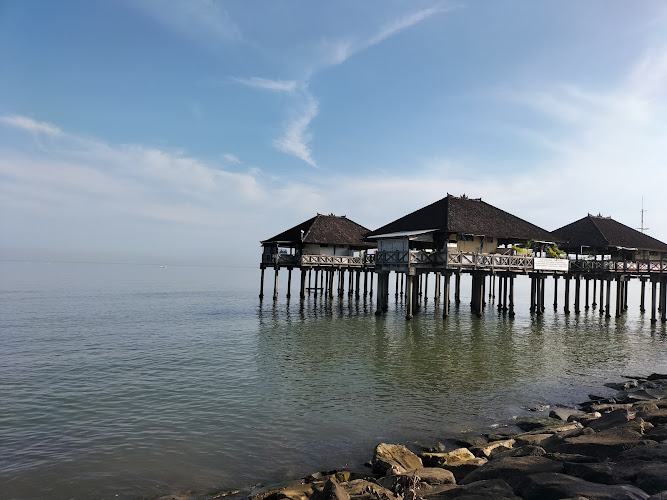
Harbour Tourist Area of Buleleng
About Harbour Tourist Area of Buleleng
Description
The Harbour Tourist Area of Buleleng in northern Bali is an intriguing mix of coastal scenery, bustling local life, and cultural landmarks. Located in Buleleng Regency, this port area captures an authentic view of the island beyond the south’s more commercialized zones. Travelers will notice how the sea, history, and community blend together here, from fishermen casting their nets at dawn to traditional Balinese ceremonies by the water. The atmosphere, although occasionally a little hectic and weathered, adds character and tells the story of a region that was once the heartbeat of Bali’s trade and governance.
Today, visitors who make their way to this part of the island find that the area is more than just a functional port; it’s also a gathering spot where families stroll in the evenings, kids play by the shore, and small eateries serve freshly cooked seafood. While some areas could use a touch of modernization, there’s undeniable charm in its rawness, the kind of beauty that isn’t polished but feels genuine. For those curious about Balinese history, the Dutch colonial influence is still visible in the architecture nearby in Singaraja, the capital of Buleleng Regency. And just minutes away, beaches like Lovina Beach and waterfalls hidden inland add further reasons to linger around this district. It’s not the kind of place that tries to impress at every turn, but if you come with an open mind, the Harbour Tourist Area subtly grows on you.
Key Features
- Authentic local life with fishermen, market vendors, and families gathering along the port area.
- Proximity to well-known beaches such as Lovina Beach, famous for dolphin watching tours.
- Historic Dutch colonial influences visible in nearby Singaraja city architecture.
- Access point to diving and boat trips around the Bali Sea, including to Menjangan Island.
- Relaxed dining spots serving Balinese seafood and snacks right by the water.
- Simple amenities including public restrooms, making it family-friendly and convenient for travelers with children.
- Placement along Bali’s northern coast, offering calmer seas compared to the south.
- Close to cultural and natural attractions like Banjar Hot Springs and Buddhist temples in the surrounding villages.
Best Time to Visit
Most travelers find the Harbour Tourist Area more enjoyable during the dry season, which runs roughly from April until October. Days are sunnier, skies clearer, and the sea conditions calmer, so if you’re planning to book a boat tour or go diving around Menjangan Island, this is the season to head north. Personally, I like August mornings when the air feels crisp and the fishermen are already pulling in their catch—it’s a slice of real Balinese life you don’t often see in the more touristed south.
That said, the rainy season isn’t necessarily a deal-breaker. Yes, showers can come quickly and heavily between November and March, but most are short-lived and usually in the late afternoon. The upside is fewer tourists, which means quieter walks by the port and a chance to chat longer with locals without feeling rushed. If you love photography, the soft light after a tropical rainstorm turns the coastal area into a surprisingly picturesque scene, the kind where the wet cobblestones and fishing boats shine under the fading sun.
How to Get There
The Harbour Tourist Area is located in northern Bali, and reaching it typically requires a two to three-hour drive from Denpasar or the Ngurah Rai International Airport in south Bali. The main road that climbs over the central mountains offers scenic views—think steep valleys, jungle-covered hillsides, and sometimes a cheeky troop of monkeys by the roadside. If you’re prone to motion sickness, brace yourself for winding stretches, but trust me, the vistas make the drive worth it.
Another option is to base yourself in Lovina, roughly 20 minutes west of Singaraja. From there, it’s easy to take a short ride by scooter or local car hire to the harbour. For budget travelers, public buses and small bemos (shared minibuses) also ply this route, but keep in mind that these can be slow and irregular. If you’re traveling in a group, it often makes sense to hire a driver for the day—you’ll have much more freedom to stop at waterfalls, hot springs, or temples along the way.
Tips for Visiting
One thing I’ve learned about exploring places like the Harbour Tourist Area is that slowing down is part of the charm. Don’t expect sleek tourist facilities or spotless walkways everywhere. Instead, embrace the imperfections. You’ll probably discover a fisherman proud to show off his catch or a small food stall owner eager to explain how their spice mix is made. That kind of interaction will stay in your memory long after the trip is over.
- Bring cash: ATMs aren’t always easy to find, and small vendors rarely accept cards.
- Start early: Mornings see the harbour at its most lively with fishing boats returning. Plus, the heat is milder.
- Combine with nearby attractions: A trip here naturally pairs well with visiting Lovina Beach for dolphins or Banjar Hot Springs for a soak.
- Be mindful of the sun: Northern Bali can feel deceptively less hot than the south because of breezes, but don’t skip the sunscreen or a hat.
- Respect local culture: You may stumble upon ceremonies at the port or nearby temples. It’s fine to observe, but keep a respectful distance and dress modestly.
- Stay flexible: Boat tours and sea conditions can change quickly depending on the weather. A bit of patience goes a long way here.
On a more personal note, the first time I visited the Harbour Tourist Area, I wasn’t expecting much. After all, I had just come from the postcard beaches of the south. But what surprised me was how human the place felt—there’s real life here, not just staged resorts and curated experiences. Kids chasing kites, old men repairing nets, the smell of grilled satay wafting over from a warung—it’s the sort of destination that reminds you that Bali isn’t just about fancy villas and infinity pools. It’s about people and the simple rhythms of coastal living.
If you’re searching for a destination in Bali that feels grounded, historically significant, and still tied strongly to its local roots, the Harbour Tourist Area of Buleleng delivers in its own straightforward way. And who knows—you might leave with a story or two worth telling yourself.
Key Features
- Authentic local life with fishermen, market vendors, and families gathering along the port area.
- Proximity to well-known beaches such as Lovina Beach, famous for dolphin watching tours.
- Historic Dutch colonial influences visible in nearby Singaraja city architecture.
- Access point to diving and boat trips around the Bali Sea, including to Menjangan Island.
- Relaxed dining spots serving Balinese seafood and snacks right by the water.
- Simple amenities including public restrooms, making it family-friendly and convenient for travelers with children.
- Placement along Bali’s northern coast, offering calmer seas compared to the south.
- Close to cultural and natural attractions like Banjar Hot Springs and Buddhist temples in the surrounding villages.
More Details
Updated October 2, 2025
Table of Contents
Description
The Harbour Tourist Area of Buleleng in northern Bali is an intriguing mix of coastal scenery, bustling local life, and cultural landmarks. Located in Buleleng Regency, this port area captures an authentic view of the island beyond the south’s more commercialized zones. Travelers will notice how the sea, history, and community blend together here, from fishermen casting their nets at dawn to traditional Balinese ceremonies by the water. The atmosphere, although occasionally a little hectic and weathered, adds character and tells the story of a region that was once the heartbeat of Bali’s trade and governance.
Today, visitors who make their way to this part of the island find that the area is more than just a functional port; it’s also a gathering spot where families stroll in the evenings, kids play by the shore, and small eateries serve freshly cooked seafood. While some areas could use a touch of modernization, there’s undeniable charm in its rawness, the kind of beauty that isn’t polished but feels genuine. For those curious about Balinese history, the Dutch colonial influence is still visible in the architecture nearby in Singaraja, the capital of Buleleng Regency. And just minutes away, beaches like Lovina Beach and waterfalls hidden inland add further reasons to linger around this district. It’s not the kind of place that tries to impress at every turn, but if you come with an open mind, the Harbour Tourist Area subtly grows on you.
Key Features
- Authentic local life with fishermen, market vendors, and families gathering along the port area.
- Proximity to well-known beaches such as Lovina Beach, famous for dolphin watching tours.
- Historic Dutch colonial influences visible in nearby Singaraja city architecture.
- Access point to diving and boat trips around the Bali Sea, including to Menjangan Island.
- Relaxed dining spots serving Balinese seafood and snacks right by the water.
- Simple amenities including public restrooms, making it family-friendly and convenient for travelers with children.
- Placement along Bali’s northern coast, offering calmer seas compared to the south.
- Close to cultural and natural attractions like Banjar Hot Springs and Buddhist temples in the surrounding villages.
Best Time to Visit
Most travelers find the Harbour Tourist Area more enjoyable during the dry season, which runs roughly from April until October. Days are sunnier, skies clearer, and the sea conditions calmer, so if you’re planning to book a boat tour or go diving around Menjangan Island, this is the season to head north. Personally, I like August mornings when the air feels crisp and the fishermen are already pulling in their catch—it’s a slice of real Balinese life you don’t often see in the more touristed south.
That said, the rainy season isn’t necessarily a deal-breaker. Yes, showers can come quickly and heavily between November and March, but most are short-lived and usually in the late afternoon. The upside is fewer tourists, which means quieter walks by the port and a chance to chat longer with locals without feeling rushed. If you love photography, the soft light after a tropical rainstorm turns the coastal area into a surprisingly picturesque scene, the kind where the wet cobblestones and fishing boats shine under the fading sun.
How to Get There
The Harbour Tourist Area is located in northern Bali, and reaching it typically requires a two to three-hour drive from Denpasar or the Ngurah Rai International Airport in south Bali. The main road that climbs over the central mountains offers scenic views—think steep valleys, jungle-covered hillsides, and sometimes a cheeky troop of monkeys by the roadside. If you’re prone to motion sickness, brace yourself for winding stretches, but trust me, the vistas make the drive worth it.
Another option is to base yourself in Lovina, roughly 20 minutes west of Singaraja. From there, it’s easy to take a short ride by scooter or local car hire to the harbour. For budget travelers, public buses and small bemos (shared minibuses) also ply this route, but keep in mind that these can be slow and irregular. If you’re traveling in a group, it often makes sense to hire a driver for the day—you’ll have much more freedom to stop at waterfalls, hot springs, or temples along the way.
Tips for Visiting
One thing I’ve learned about exploring places like the Harbour Tourist Area is that slowing down is part of the charm. Don’t expect sleek tourist facilities or spotless walkways everywhere. Instead, embrace the imperfections. You’ll probably discover a fisherman proud to show off his catch or a small food stall owner eager to explain how their spice mix is made. That kind of interaction will stay in your memory long after the trip is over.
- Bring cash: ATMs aren’t always easy to find, and small vendors rarely accept cards.
- Start early: Mornings see the harbour at its most lively with fishing boats returning. Plus, the heat is milder.
- Combine with nearby attractions: A trip here naturally pairs well with visiting Lovina Beach for dolphins or Banjar Hot Springs for a soak.
- Be mindful of the sun: Northern Bali can feel deceptively less hot than the south because of breezes, but don’t skip the sunscreen or a hat.
- Respect local culture: You may stumble upon ceremonies at the port or nearby temples. It’s fine to observe, but keep a respectful distance and dress modestly.
- Stay flexible: Boat tours and sea conditions can change quickly depending on the weather. A bit of patience goes a long way here.
On a more personal note, the first time I visited the Harbour Tourist Area, I wasn’t expecting much. After all, I had just come from the postcard beaches of the south. But what surprised me was how human the place felt—there’s real life here, not just staged resorts and curated experiences. Kids chasing kites, old men repairing nets, the smell of grilled satay wafting over from a warung—it’s the sort of destination that reminds you that Bali isn’t just about fancy villas and infinity pools. It’s about people and the simple rhythms of coastal living.
If you’re searching for a destination in Bali that feels grounded, historically significant, and still tied strongly to its local roots, the Harbour Tourist Area of Buleleng delivers in its own straightforward way. And who knows—you might leave with a story or two worth telling yourself.
Key Highlights
- Authentic local life with fishermen, market vendors, and families gathering along the port area.
- Proximity to well-known beaches such as Lovina Beach, famous for dolphin watching tours.
- Historic Dutch colonial influences visible in nearby Singaraja city architecture.
- Access point to diving and boat trips around the Bali Sea, including to Menjangan Island.
- Relaxed dining spots serving Balinese seafood and snacks right by the water.
- Simple amenities including public restrooms, making it family-friendly and convenient for travelers with children.
- Placement along Bali’s northern coast, offering calmer seas compared to the south.
- Close to cultural and natural attractions like Banjar Hot Springs and Buddhist temples in the surrounding villages.
Location
Places to Stay Near Harbour Tourist Area of Buleleng
Find and Book a Tour
Explore More Travel Guides
No reviews found! Be the first to review!
Traveler Reviews for Harbour Tourist Area of Buleleng
There are no reviews yet. Be the first one to write one.
Have you visited Harbour Tourist Area of Buleleng? Help other travelers by sharing your review.
You Might Also Like
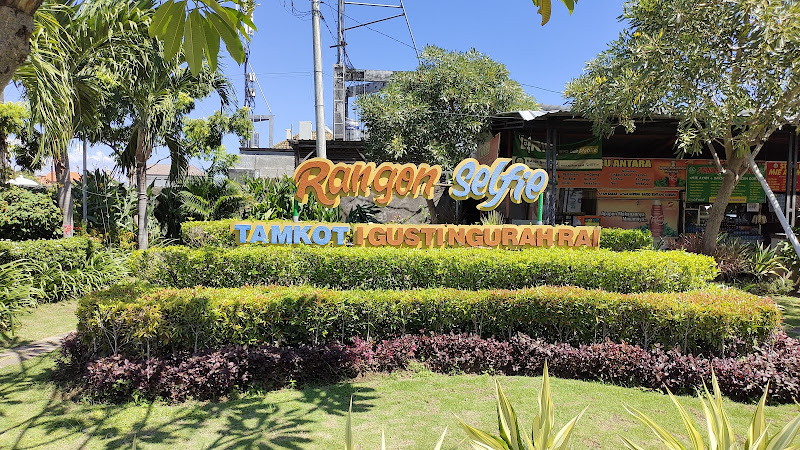
Taman Kota Singaraja
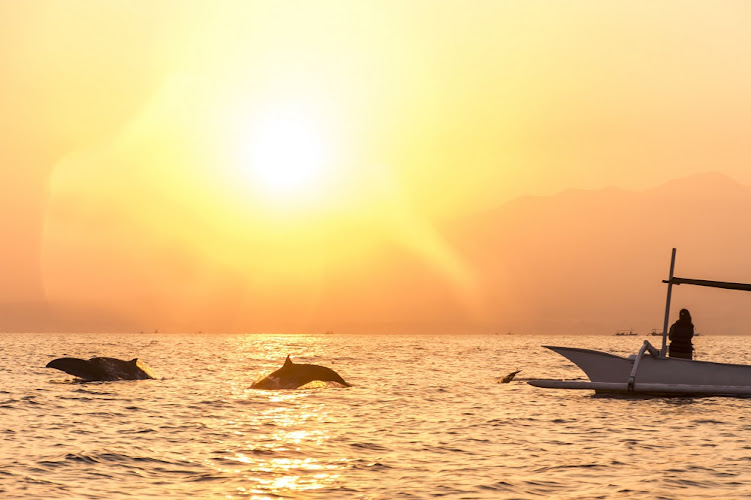
Wisata Dolphin Lovina
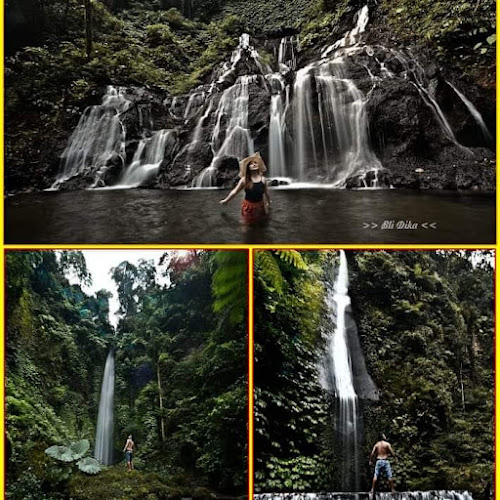
Pucak manik waterfall
Find Accommodations Nearby
Recommended Tours & Activities
Visitor Reviews
There are no reviews yet. Be the first one to write one.
Share Your Experience
Have you visited Harbour Tourist Area of Buleleng? Help other travelers by leaving a review.