
Hanyangling Museum
About Hanyangling Museum
Description
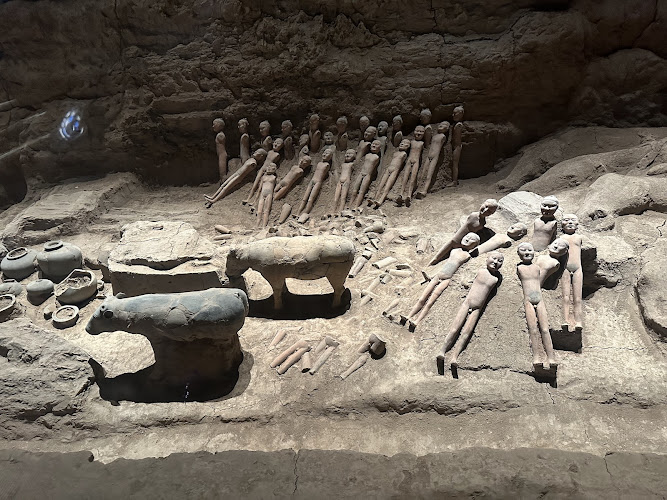
The Hanyangling Museum, sometimes referred to as the Yangling Mausoleum of Han, is one of those places that feels like stepping into a time machine. It’s the joint tomb of Emperor Jing of Han and his Empress Wang, dating back more than 2,000 years. What makes it so fascinating is the way it blends archaeology with modern presentation—you’re literally walking over glass floors, peering down at ancient burial pits filled with thousands of miniature terracotta figures. Unlike the famous Terracotta Warriors in Xi’an, which are life-sized and imposing, these figures are smaller and more delicate, almost doll-like, but no less captivating. They give you a window into the daily life, military formations, and rituals of the Han Dynasty, which ruled during one of China’s golden ages.
The museum itself is well-organized and thoughtfully designed. It’s not overwhelming in size, but there’s enough to keep you engaged for a couple of hours. Some people might expect something grander—after all, the Han Dynasty was powerful and influential—but I think the subtlety is what makes this place so special. It’s less about sheer scale and more about detail. The exhibits are quiet, almost meditative, and you get the sense that you’re being let in on secrets of the past that aren’t shouted at you, but whispered.
Accessibility is also a strong point here. The museum has wheelchair-friendly entrances, restrooms, and parking, which makes it a comfortable stop for travelers of all abilities. Families often bring their kids, and honestly, children seem to love the little figurines and the underground viewing galleries. It’s not the kind of museum where you have to tiptoe around in silence; it feels approachable and human. That said, if you’re expecting a flashy, interactive experience, you might find it a bit subdued. Personally, I think that’s part of its charm.
Key Features
- Underground exhibition halls with glass floors that allow visitors to see original burial pits in situ
- Thousands of miniature terracotta figurines depicting soldiers, servants, animals, and daily life scenes
- Combination of archaeology and modern museum design, offering a unique window into Han Dynasty culture
- Wheelchair accessible facilities, including restrooms and parking
- Kid-friendly environment with engaging displays for younger visitors
- Peaceful atmosphere compared to larger, more crowded sites like the Terracotta Army
Best Time to Visit
Timing really makes a difference here. The museum is open year-round, but if you can, aim for spring or autumn. The weather in Shaanxi during these seasons is mild, and you won’t be dealing with the sticky summer heat or the biting winter cold. I went in late October, and it was perfect—the air was crisp, and the crowds were thinner than in peak summer months. Weekdays are generally quieter than weekends, so if you prefer a more reflective experience, plan accordingly.
One thing I noticed: mornings tend to be calmer, while afternoons can get busier with tour groups. If you’re an early riser, showing up right after opening gives you a chance to wander almost at your own pace. And honestly, being in a quiet underground chamber with only a handful of other people makes the whole thing feel more intimate and mysterious.
How to Get There
The museum is located not far from Xi’an, which makes it an easy side trip if you’re already in the area exploring the Terracotta Warriors or the city’s ancient walls. From central Xi’an, it’s roughly a 30-minute drive, depending on traffic. Taxis and ride-hailing apps are straightforward, though if you’re adventurous, there are also public buses that run toward the site. Personally, I’d recommend a taxi or private car—it saves time and lets you set your own pace.
For those coming straight from Xi’an Xianyang International Airport, the museum is actually quite close. It’s one of those rare spots where you could squeeze in a visit on a long layover if you plan it right. Just be mindful of your flight schedule, since you’ll want at least a couple of hours to do it justice.
Tips for Visiting
A few practical tips can really enhance your visit. First, wear comfortable shoes. You’ll be walking across glass floors and through underground passages, and while it’s not strenuous, you’ll want to be comfortable. Also, bring a light jacket if you’re visiting in cooler months—the underground sections can feel a bit chilly.
Photography is allowed in most areas, but be respectful. The lighting is dim in some of the underground pits, so don’t expect to get perfect shots without a steady hand. Sometimes it’s better to just soak it in rather than fuss with your camera. And if you’re traveling with kids, prepare them ahead of time—explain that these aren’t “action figures” but real artifacts from an ancient civilization. I saw a couple of children absolutely fascinated, asking their parents questions about the soldiers and animals, which was heartwarming.
Another tip: don’t rush. The museum isn’t massive, but it rewards slow exploration. Take time to read the displays and notice the details—like the way the figurines were dressed or the arrangement of the burial pits. It’s easy to breeze through in under an hour, but giving yourself two hours makes the visit much more meaningful.
Finally, if you’re the type who likes to grab a snack or meal after a museum visit, plan ahead. There isn’t a restaurant on-site, though restrooms are available. You might want to eat before arriving or bring something small to tide you over until you’re back in the city. That said, the trade-off is that the museum feels calm and uncluttered, without the usual touristy distractions.
All in all, the Hanyangling Museum is one of those places that doesn’t scream for attention but leaves a lasting impression if you let it. It’s quieter, subtler, and maybe even more personal than some of the bigger attractions in the region. And honestly, that’s what makes it worth the detour.
Key Features
- Underground exhibition halls with glass floors that allow visitors to see original burial pits in situ
- Thousands of miniature terracotta figurines depicting soldiers, servants, animals, and daily life scenes
- Combination of archaeology and modern museum design, offering a unique window into Han Dynasty culture
- Wheelchair accessible facilities, including restrooms and parking
- Kid-friendly environment with engaging displays for younger visitors
- Peaceful atmosphere compared to larger, more crowded sites like the Terracotta Army
More Details
Updated September 23, 2025
Table of Contents
Description
The Hanyangling Museum, sometimes referred to as the Yangling Mausoleum of Han, is one of those places that feels like stepping into a time machine. It’s the joint tomb of Emperor Jing of Han and his Empress Wang, dating back more than 2,000 years. What makes it so fascinating is the way it blends archaeology with modern presentation—you’re literally walking over glass floors, peering down at ancient burial pits filled with thousands of miniature terracotta figures. Unlike the famous Terracotta Warriors in Xi’an, which are life-sized and imposing, these figures are smaller and more delicate, almost doll-like, but no less captivating. They give you a window into the daily life, military formations, and rituals of the Han Dynasty, which ruled during one of China’s golden ages.
The museum itself is well-organized and thoughtfully designed. It’s not overwhelming in size, but there’s enough to keep you engaged for a couple of hours. Some people might expect something grander—after all, the Han Dynasty was powerful and influential—but I think the subtlety is what makes this place so special. It’s less about sheer scale and more about detail. The exhibits are quiet, almost meditative, and you get the sense that you’re being let in on secrets of the past that aren’t shouted at you, but whispered.
Accessibility is also a strong point here. The museum has wheelchair-friendly entrances, restrooms, and parking, which makes it a comfortable stop for travelers of all abilities. Families often bring their kids, and honestly, children seem to love the little figurines and the underground viewing galleries. It’s not the kind of museum where you have to tiptoe around in silence; it feels approachable and human. That said, if you’re expecting a flashy, interactive experience, you might find it a bit subdued. Personally, I think that’s part of its charm.
Key Features
- Underground exhibition halls with glass floors that allow visitors to see original burial pits in situ
- Thousands of miniature terracotta figurines depicting soldiers, servants, animals, and daily life scenes
- Combination of archaeology and modern museum design, offering a unique window into Han Dynasty culture
- Wheelchair accessible facilities, including restrooms and parking
- Kid-friendly environment with engaging displays for younger visitors
- Peaceful atmosphere compared to larger, more crowded sites like the Terracotta Army
Best Time to Visit
Timing really makes a difference here. The museum is open year-round, but if you can, aim for spring or autumn. The weather in Shaanxi during these seasons is mild, and you won’t be dealing with the sticky summer heat or the biting winter cold. I went in late October, and it was perfect—the air was crisp, and the crowds were thinner than in peak summer months. Weekdays are generally quieter than weekends, so if you prefer a more reflective experience, plan accordingly.
One thing I noticed: mornings tend to be calmer, while afternoons can get busier with tour groups. If you’re an early riser, showing up right after opening gives you a chance to wander almost at your own pace. And honestly, being in a quiet underground chamber with only a handful of other people makes the whole thing feel more intimate and mysterious.
How to Get There
The museum is located not far from Xi’an, which makes it an easy side trip if you’re already in the area exploring the Terracotta Warriors or the city’s ancient walls. From central Xi’an, it’s roughly a 30-minute drive, depending on traffic. Taxis and ride-hailing apps are straightforward, though if you’re adventurous, there are also public buses that run toward the site. Personally, I’d recommend a taxi or private car—it saves time and lets you set your own pace.
For those coming straight from Xi’an Xianyang International Airport, the museum is actually quite close. It’s one of those rare spots where you could squeeze in a visit on a long layover if you plan it right. Just be mindful of your flight schedule, since you’ll want at least a couple of hours to do it justice.
Tips for Visiting
A few practical tips can really enhance your visit. First, wear comfortable shoes. You’ll be walking across glass floors and through underground passages, and while it’s not strenuous, you’ll want to be comfortable. Also, bring a light jacket if you’re visiting in cooler months—the underground sections can feel a bit chilly.
Photography is allowed in most areas, but be respectful. The lighting is dim in some of the underground pits, so don’t expect to get perfect shots without a steady hand. Sometimes it’s better to just soak it in rather than fuss with your camera. And if you’re traveling with kids, prepare them ahead of time—explain that these aren’t “action figures” but real artifacts from an ancient civilization. I saw a couple of children absolutely fascinated, asking their parents questions about the soldiers and animals, which was heartwarming.
Another tip: don’t rush. The museum isn’t massive, but it rewards slow exploration. Take time to read the displays and notice the details—like the way the figurines were dressed or the arrangement of the burial pits. It’s easy to breeze through in under an hour, but giving yourself two hours makes the visit much more meaningful.
Finally, if you’re the type who likes to grab a snack or meal after a museum visit, plan ahead. There isn’t a restaurant on-site, though restrooms are available. You might want to eat before arriving or bring something small to tide you over until you’re back in the city. That said, the trade-off is that the museum feels calm and uncluttered, without the usual touristy distractions.
All in all, the Hanyangling Museum is one of those places that doesn’t scream for attention but leaves a lasting impression if you let it. It’s quieter, subtler, and maybe even more personal than some of the bigger attractions in the region. And honestly, that’s what makes it worth the detour.
Key Highlights
- Underground exhibition halls with glass floors that allow visitors to see original burial pits in situ
- Thousands of miniature terracotta figurines depicting soldiers, servants, animals, and daily life scenes
- Combination of archaeology and modern museum design, offering a unique window into Han Dynasty culture
- Wheelchair accessible facilities, including restrooms and parking
- Kid-friendly environment with engaging displays for younger visitors
- Peaceful atmosphere compared to larger, more crowded sites like the Terracotta Army
Location
Places to Stay Near Hanyangling Museum
Find and Book a Tour
Explore More Travel Guides
No reviews found! Be the first to review!
Traveler Reviews for Hanyangling Museum
There are no reviews yet. Be the first one to write one.
Have you visited Hanyangling Museum? Help other travelers by sharing your review.
You Might Also Like
咸阳市博物馆
Fortifications of Xi
Concubine Yang Cemetery
Find Accommodations Nearby
Recommended Tours & Activities
Visitor Reviews
There are no reviews yet. Be the first one to write one.
Share Your Experience
Have you visited Hanyangling Museum? Help other travelers by leaving a review.