

Hadrianapolis Antik Kenti
About Hadrianapolis Antik Kenti
Description
Hadrianapolis Antik Kenti stands as one of Turkey's most compelling archaeological treasures, quietly revealing 5,500 years of human civilization in the Karabük Province. This ancient settlement, known during Roman times as Paphlagonia Hadrianapolis, offers visitors a remarkable journey through layers of history that span from the 1st century BC through the 8th century AD. The site encompasses several villages including Budaklar, Büyükyaylalar, Çaylı, and Beytarla, with the most concentrated ruins found in the Budaklar Village area - a place locals still call Viranşehir, meaning "ruined city." Walking through these grounds feels like stepping into a time machine, where Roman architectural grandeur meets Early Byzantine period craftsmanship in an almost theatrical display of ancient engineering. What makes Hadrianapolis particularly fascinating is how it challenges your expectations of a typical archaeological site. Unlike some overly commercialized ancient cities, this location maintains an authentic, almost untouched quality that allows visitors to experience genuine discovery. The ongoing excavations continue to unearth new secrets, making each visit potentially different from the last. The site's location in the captivating Black Sea region adds another layer of appeal - you're not just visiting ruins, you're experiencing them within a landscape that has remained largely unchanged for centuries. The natural setting provides a stunning backdrop that helps visitors imagine what daily life might have looked like for the Romans and Byzantines who once called this place home.Key Features
Hadrianapolis offers several distinctive features that set it apart from other archaeological sites in Turkey: • **Roman Period Architecture** - Extensive remains showcase sophisticated engineering techniques and urban planning from one of history's greatest civilizations • **Early Byzantine Traces** - Unique architectural elements that bridge the transition between Roman and Byzantine periods, offering insight into this fascinating historical transformation • **Active Archaeological Excavations** - Ongoing research means visitors might witness new discoveries in real-time, adding excitement to any visit • **Multi-Village Archaeological Complex** - The site spans multiple villages, creating a more expansive and varied exploration experience than typical single-location ruins • **5,500-Year Historical Timeline** - Evidence of continuous human settlement across multiple civilizations and time periods • **Wheelchair Accessible Infrastructure** - Modern accessibility features including wheelchair-friendly entrances and parking facilities make the site welcoming for all visitors • **Family-Friendly Environment** - Well-designed pathways and educational opportunities make it an excellent destination for families traveling with children • **Natural Black Sea Region Setting** - The location provides stunning natural scenery that enhances the historical experience • **Viranşehir Concentration** - The main ruins area offers the highest density of archaeological finds and architectural remainsBest Time to Visit
Timing your visit to Hadrianapolis can significantly impact your experience, and honestly, the Black Sea region has its own personality when it comes to weather patterns. Spring months from April through June offer some of the most pleasant conditions, with temperatures hovering around a comfortable 15-22°C and relatively low rainfall. But here's something most guidebooks won't tell you - early autumn, particularly September and October, can actually be the sweet spot for archaeological site visits. The summer crowds have thinned out, the weather remains mild, and you'll often find the lighting absolutely perfect for photography during these months. Summer visits aren't off the table, though they come with their own considerations. July and August bring warmer temperatures that can make extensive walking more challenging, especially if you're planning to explore multiple areas of the site. However, the longer daylight hours mean you can start earlier or extend your visit into the evening when temperatures cool down. Winter visits require more planning - while the site remains accessible, the reduced daylight hours and potential for wet weather can limit exploration time. That said, there's something almost mystical about ancient ruins dusted with frost or shrouded in winter mist. If you're the type who appreciates atmospheric photography and doesn't mind bundling up, winter visits can offer unique perspectives. Pro tip from personal experience: check the local excavation schedule before planning your trip. Active dig seasons can actually enhance your visit, as you might witness archaeologists at work, but sometimes certain areas may have restricted access.How to Get There
Getting to Hadrianapolis requires a bit of planning, but the journey itself becomes part of the adventure. The site sits about 3 kilometers west of Eskipazar in Karabük Province, which means you'll likely need to approach this as a multi-step journey rather than a direct route. Flying into Istanbul gives you the most international flight options, though Ankara can sometimes offer better domestic connections depending on where you're traveling from. From either city, you're looking at roughly a 3-4 hour drive to reach the Karabük area. Renting a car provides the most flexibility, especially since you'll want the freedom to explore different areas of the archaeological complex at your own pace. Public transportation exists but requires patience and local knowledge. Buses run regularly from major Turkish cities to Karabük, and from there you can arrange local transportation to the site. However, this approach definitely falls into the "adventure travel" category rather than convenient sightseeing. The drive through the Black Sea region offers spectacular scenery that makes the journey worthwhile in its own right. You'll wind through forests, past traditional villages, and along routes that have been traveled for centuries. Pack some snacks and plan for photo stops - the landscape photography opportunities are exceptional. If you're staying overnight in the area, Karabük city offers several accommodation options, though booking ahead is recommended, especially during peak travel seasons. Some visitors choose to base themselves in Safranbolu, a UNESCO World Heritage site about an hour away, which allows you to combine your archaeological exploration with another significant historical experience.Tips for Visiting
Visiting Hadrianapolis successfully requires more preparation than your typical tourist attraction, and these practical insights can make the difference between a good visit and an unforgettable one. Wear proper footwear - and I can't stress this enough. The terrain includes uneven ancient stones, potentially muddy excavation areas, and paths that weren't designed with modern comfort in mind. Sturdy hiking boots or at least good walking shoes with ankle support will serve you much better than casual sneakers. Bring more water than you think you need, especially during warmer months. The site covers a large area, and you'll likely spend more time walking and exploring than initially planned. There's something about archaeological sites that makes time disappear, and dehydration can sneak up quickly. Consider hiring a local guide if you're serious about understanding what you're seeing. While the site has some informational signage, having someone who understands the excavation history and can point out details you'd otherwise miss transforms the experience completely. Local guides often have connections with the archaeological teams and can share insights not available in standard guidebooks. Photography enthusiasts should plan for golden hour visits when possible. The interplay between ancient stone and natural lighting creates incredible opportunities, particularly in the early morning or late afternoon. But also remember that ongoing excavations sometimes mean certain photogenic areas may be off-limits or require special permission. Pack layers regardless of the season. The Black Sea region's weather can change quickly, and you'll be spending extended time outdoors with limited shelter options. A light rain jacket or windbreaker can save an otherwise perfect day. If you're traveling with children, bring some engaging activities or games related to ancient history. The site's family-friendly designation means it's designed to accommodate young visitors, but having some educational entertainment ready can help maintain interest during longer exploration periods. Check the current excavation status before your visit. Active archaeological work can actually enhance your experience, but it can also mean restricted access to certain areas. The archaeological teams are usually happy to discuss their work with interested visitors, which can provide insights you won't find anywhere else. Finally, allow more time than you initially think you'll need. Hadrianapolis has a way of drawing visitors deeper into its history, and rushing through such a significant site means missing much of what makes it special. Plan for at least half a day, though history enthusiasts often find themselves spending entire days exploring different areas of the complex.Key Features
- Key Features
- Best Time to Visit
- How to Get There
- Tips for Visiting
More Details
Updated September 12, 2025
Table of Contents
Description
Hadrianapolis Antik Kenti stands as one of Turkey’s most compelling archaeological treasures, quietly revealing 5,500 years of human civilization in the Karabük Province. This ancient settlement, known during Roman times as Paphlagonia Hadrianapolis, offers visitors a remarkable journey through layers of history that span from the 1st century BC through the 8th century AD.
The site encompasses several villages including Budaklar, Büyükyaylalar, Çaylı, and Beytarla, with the most concentrated ruins found in the Budaklar Village area – a place locals still call Viranşehir, meaning “ruined city.” Walking through these grounds feels like stepping into a time machine, where Roman architectural grandeur meets Early Byzantine period craftsmanship in an almost theatrical display of ancient engineering.
What makes Hadrianapolis particularly fascinating is how it challenges your expectations of a typical archaeological site. Unlike some overly commercialized ancient cities, this location maintains an authentic, almost untouched quality that allows visitors to experience genuine discovery. The ongoing excavations continue to unearth new secrets, making each visit potentially different from the last.
The site’s location in the captivating Black Sea region adds another layer of appeal – you’re not just visiting ruins, you’re experiencing them within a landscape that has remained largely unchanged for centuries. The natural setting provides a stunning backdrop that helps visitors imagine what daily life might have looked like for the Romans and Byzantines who once called this place home.
Key Features
Hadrianapolis offers several distinctive features that set it apart from other archaeological sites in Turkey:
• **Roman Period Architecture** – Extensive remains showcase sophisticated engineering techniques and urban planning from one of history’s greatest civilizations
• **Early Byzantine Traces** – Unique architectural elements that bridge the transition between Roman and Byzantine periods, offering insight into this fascinating historical transformation
• **Active Archaeological Excavations** – Ongoing research means visitors might witness new discoveries in real-time, adding excitement to any visit
• **Multi-Village Archaeological Complex** – The site spans multiple villages, creating a more expansive and varied exploration experience than typical single-location ruins
• **5,500-Year Historical Timeline** – Evidence of continuous human settlement across multiple civilizations and time periods
• **Wheelchair Accessible Infrastructure** – Modern accessibility features including wheelchair-friendly entrances and parking facilities make the site welcoming for all visitors
• **Family-Friendly Environment** – Well-designed pathways and educational opportunities make it an excellent destination for families traveling with children
• **Natural Black Sea Region Setting** – The location provides stunning natural scenery that enhances the historical experience
• **Viranşehir Concentration** – The main ruins area offers the highest density of archaeological finds and architectural remains
Best Time to Visit
Timing your visit to Hadrianapolis can significantly impact your experience, and honestly, the Black Sea region has its own personality when it comes to weather patterns. Spring months from April through June offer some of the most pleasant conditions, with temperatures hovering around a comfortable 15-22°C and relatively low rainfall.
But here’s something most guidebooks won’t tell you – early autumn, particularly September and October, can actually be the sweet spot for archaeological site visits. The summer crowds have thinned out, the weather remains mild, and you’ll often find the lighting absolutely perfect for photography during these months.
Summer visits aren’t off the table, though they come with their own considerations. July and August bring warmer temperatures that can make extensive walking more challenging, especially if you’re planning to explore multiple areas of the site. However, the longer daylight hours mean you can start earlier or extend your visit into the evening when temperatures cool down.
Winter visits require more planning – while the site remains accessible, the reduced daylight hours and potential for wet weather can limit exploration time. That said, there’s something almost mystical about ancient ruins dusted with frost or shrouded in winter mist. If you’re the type who appreciates atmospheric photography and doesn’t mind bundling up, winter visits can offer unique perspectives.
Pro tip from personal experience: check the local excavation schedule before planning your trip. Active dig seasons can actually enhance your visit, as you might witness archaeologists at work, but sometimes certain areas may have restricted access.
How to Get There
Getting to Hadrianapolis requires a bit of planning, but the journey itself becomes part of the adventure. The site sits about 3 kilometers west of Eskipazar in Karabük Province, which means you’ll likely need to approach this as a multi-step journey rather than a direct route.
Flying into Istanbul gives you the most international flight options, though Ankara can sometimes offer better domestic connections depending on where you’re traveling from. From either city, you’re looking at roughly a 3-4 hour drive to reach the Karabük area. Renting a car provides the most flexibility, especially since you’ll want the freedom to explore different areas of the archaeological complex at your own pace.
Public transportation exists but requires patience and local knowledge. Buses run regularly from major Turkish cities to Karabük, and from there you can arrange local transportation to the site. However, this approach definitely falls into the “adventure travel” category rather than convenient sightseeing.
The drive through the Black Sea region offers spectacular scenery that makes the journey worthwhile in its own right. You’ll wind through forests, past traditional villages, and along routes that have been traveled for centuries. Pack some snacks and plan for photo stops – the landscape photography opportunities are exceptional.
If you’re staying overnight in the area, Karabük city offers several accommodation options, though booking ahead is recommended, especially during peak travel seasons. Some visitors choose to base themselves in Safranbolu, a UNESCO World Heritage site about an hour away, which allows you to combine your archaeological exploration with another significant historical experience.
Tips for Visiting
Visiting Hadrianapolis successfully requires more preparation than your typical tourist attraction, and these practical insights can make the difference between a good visit and an unforgettable one.
Wear proper footwear – and I can’t stress this enough. The terrain includes uneven ancient stones, potentially muddy excavation areas, and paths that weren’t designed with modern comfort in mind. Sturdy hiking boots or at least good walking shoes with ankle support will serve you much better than casual sneakers.
Bring more water than you think you need, especially during warmer months. The site covers a large area, and you’ll likely spend more time walking and exploring than initially planned. There’s something about archaeological sites that makes time disappear, and dehydration can sneak up quickly.
Consider hiring a local guide if you’re serious about understanding what you’re seeing. While the site has some informational signage, having someone who understands the excavation history and can point out details you’d otherwise miss transforms the experience completely. Local guides often have connections with the archaeological teams and can share insights not available in standard guidebooks.
Photography enthusiasts should plan for golden hour visits when possible. The interplay between ancient stone and natural lighting creates incredible opportunities, particularly in the early morning or late afternoon. But also remember that ongoing excavations sometimes mean certain photogenic areas may be off-limits or require special permission.
Pack layers regardless of the season. The Black Sea region’s weather can change quickly, and you’ll be spending extended time outdoors with limited shelter options. A light rain jacket or windbreaker can save an otherwise perfect day.
If you’re traveling with children, bring some engaging activities or games related to ancient history. The site’s family-friendly designation means it’s designed to accommodate young visitors, but having some educational entertainment ready can help maintain interest during longer exploration periods.
Check the current excavation status before your visit. Active archaeological work can actually enhance your experience, but it can also mean restricted access to certain areas. The archaeological teams are usually happy to discuss their work with interested visitors, which can provide insights you won’t find anywhere else.
Finally, allow more time than you initially think you’ll need. Hadrianapolis has a way of drawing visitors deeper into its history, and rushing through such a significant site means missing much of what makes it special. Plan for at least half a day, though history enthusiasts often find themselves spending entire days exploring different areas of the complex.
Key Highlights
- Key Features
- Best Time to Visit
- How to Get There
- Tips for Visiting
Location
Places to Stay Near Hadrianapolis Antik Kenti
Find and Book a Tour
Explore More Travel Guides
No reviews found! Be the first to review!
Traveler Reviews for Hadrianapolis Antik Kenti
There are no reviews yet. Be the first one to write one.
Have you visited Hadrianapolis Antik Kenti? Help other travelers by sharing your review.
You Might Also Like
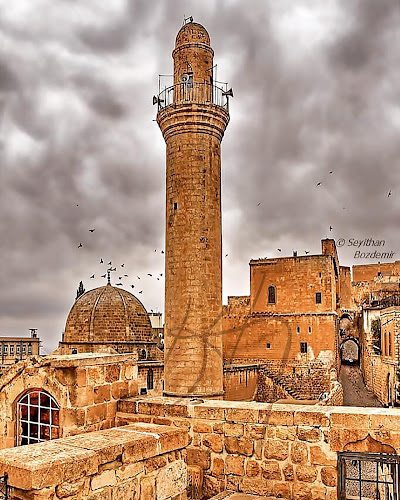
Melik Mahmut Mosque
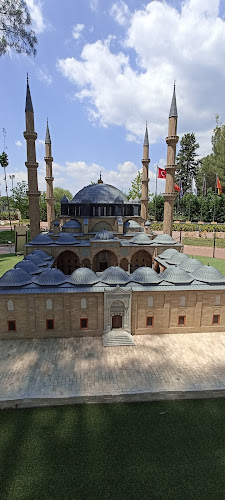
ŞEHZADELER PARK
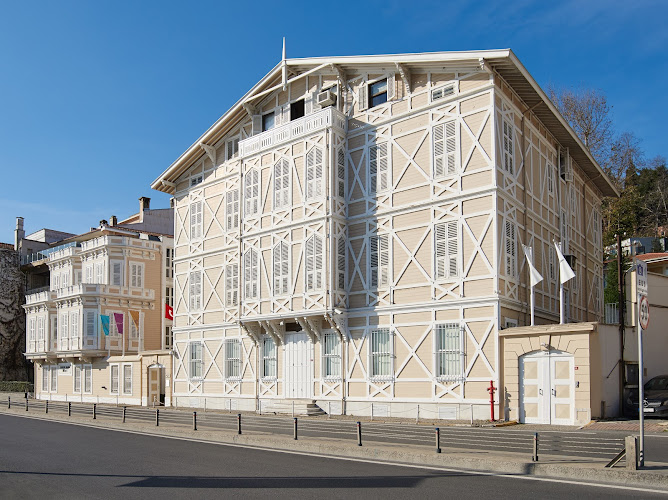
Sadberk Hanım Museum
Find Accommodations Nearby
Recommended Tours & Activities
Visitor Reviews
There are no reviews yet. Be the first one to write one.
Share Your Experience
Have you visited Hadrianapolis Antik Kenti? Help other travelers by leaving a review.