
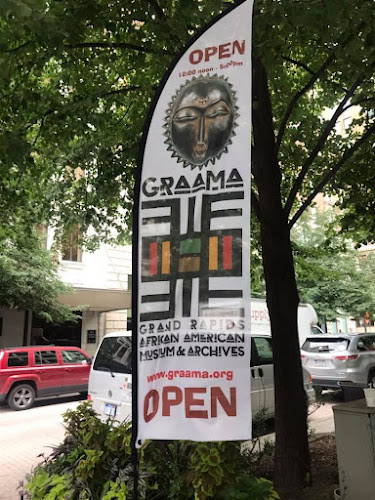
Grand Rapids African American Museum & Archives (GRAAMA)
About Grand Rapids African American Museum & Archives (GRAAMA)
Description
The Grand Rapids African American Museum & Archives sits as a testament to the rich cultural heritage and contributions of the Black community in West Michigan. And honestly, it's one of those places that doesn't get nearly enough attention when travelers are planning their Grand Rapids itinerary. This isn't your typical massive museum with flashy interactive displays and corporate sponsorships - instead, what you'll find here is something more intimate and personal, which actually makes the experience more meaningful in my opinion. The museum showcases homespun exhibits that tell authentic stories of African American life, struggle, achievement, and community building in the Grand Rapids area. When I say homespun, I don't mean it in a dismissive way at all. These exhibits carry a genuine quality that you just don't get in those over-produced museum spaces where everything feels sanitized and distant. The collections here feel like they're sharing family stories, because in many ways, they are. What makes GRAAMA particularly special is its commitment to preserving local history that might otherwise be forgotten. The archives component of the museum means they're not just displaying artifacts - they're actively working to document and preserve the narratives of African American families and individuals who shaped Grand Rapids. It's a Black-owned institution that serves as both a cultural repository and an educational resource for the entire community. The museum also operates a gift shop where visitors can pick up books, art, and other items that celebrate African American culture and history. It's the kind of place where you might stumble upon a biography that changes your perspective or find a piece of art that you'll treasure for years.Key Features
Travelers planning a visit to GRAAMA will find several distinctive features that set this museum apart:- Authentic community-focused exhibits that highlight local African American history and achievements often overlooked in mainstream historical narratives
- Rotating displays that keep the museum fresh and give repeat visitors new material to explore on subsequent trips
- An extensive archival collection that researchers, students, and history enthusiasts can access for deeper exploration of African American heritage in West Michigan
- Live performances and cultural events that bring history to life through music, spoken word, and theatrical presentations
- Family-friendly programming designed to engage children and adults alike in learning about African American contributions to the region
- Active military discounts making the museum accessible to service members and veterans exploring Grand Rapids
- Complete accessibility features including wheelchair-accessible entrances, parking, and restroom facilities ensuring all visitors can experience the museum
- A thoughtfully curated gift shop offering books, artwork, and cultural items you won't find in typical souvenir stores
- Free parking garage options that make visiting convenient without the stress of circling blocks looking for a spot
- An LGBTQ+ friendly environment that welcomes all visitors interested in exploring African American history and culture
Best Time to Visit
Figuring out the optimal time to visit GRAAMA really depends on what kind of experience you're after. But let me share some thoughts based on different travel styles and preferences. If you're someone who prefers a quieter, more contemplative museum experience, weekday mornings are typically your best bet. The museum sees fewer crowds during these times, which means you can really take your time with each exhibit without feeling rushed or crowded. There's something special about having space to sit with difficult historical truths or celebrate inspiring achievements without distraction. Weekends can bring more families and local visitors, which actually adds a different kind of energy to the space. I've found that sometimes hearing a parent explain an exhibit to their child or overhearing another visitor's reaction can enhance your own understanding and appreciation. Museums aren't meant to be silent mausoleums - they're community spaces. The museum hosts live performances and special events throughout the year, and timing your visit to coincide with one of these programs can significantly enrich your experience. Black History Month in February naturally brings expanded programming and special exhibits, but don't limit yourself to just that timeframe. The museum's cultural events happen year-round and often celebrate specific aspects of African American heritage through music, storytelling, and art. Weather-wise, Grand Rapids experiences all four seasons pretty intensely. Winter can be brutally cold with significant snowfall, which might affect your travel plans if you're driving from out of town. Summer and early fall offer pleasant weather that makes combining your museum visit with exploration of the surrounding Grand Rapids area more enjoyable. Spring brings that particular Midwest muddiness and unpredictability, but also fewer tourists overall. I'd personally recommend planning your visit for late spring through early fall if you're coming from out of state. The weather cooperates better, and you'll have more flexibility to explore other Grand Rapids attractions before or after your museum visit.How to Get There
Getting to the Grand Rapids African American Museum & Archives is relatively straightforward once you understand the layout of Grand Rapids. The city itself is pretty navigable compared to larger metropolitan areas, which takes some of the stress out of finding cultural attractions. If you're flying in, Gerald R. Ford International Airport serves the Grand Rapids area and sits about 20 minutes from downtown depending on traffic. From the airport, you can rent a car, grab a rideshare, or use a taxi to reach the museum. Rental cars give you the most flexibility for exploring Grand Rapids beyond just the museum, and honestly, having your own wheels makes things easier in this part of Michigan. For those driving from other parts of Michigan or neighboring states, Grand Rapids is accessible via several major highways. The museum has parking options including a free parking garage, which is a huge plus. Anyone who's circled city blocks for 30 minutes looking for parking knows what a relief it is to have guaranteed spots. There's also paid parking in garages and on streets if the free option is full, but in my experience, parking here hasn't been the nightmare it can be at some urban museums. Public transportation exists in Grand Rapids through The Rapid bus system, though like many mid-sized Midwestern cities, it's not as comprehensive as what you'd find in larger metros. If you're relying on public transit, plan extra time and check current routes and schedules ahead of your visit. Rideshare services like Uber and Lyft operate throughout Grand Rapids and can drop you right at the museum entrance, which is particularly convenient if you're staying at a downtown hotel. The location within Grand Rapids puts you in proximity to other cultural attractions, restaurants, and points of interest, so you can easily make a day of exploring the area rather than treating the museum as an isolated stop.Tips for Visiting
Let me share some practical advice that'll help you get the most out of your GRAAMA visit, stuff that I wish someone had told me before visiting similar community museums. First off, give yourself more time than you think you'll need. It's tempting to schedule museum visits in tight 45-minute windows, but you're shortchanging yourself. The stories and artifacts here deserve your attention and reflection. Plan for at least 90 minutes to two hours, more if you're someone who likes to read every placard and really absorb the material. Come prepared to engage emotionally. African American history in America isn't always comfortable, and this museum doesn't shy away from difficult topics alongside the celebrations of achievement and resilience. That's actually what makes it valuable - you'll encounter honest portrayals of discrimination, struggle, and perseverance that might challenge or educate you depending on your background. If you're bringing kids, and the museum is definitely appropriate for families, take time beforehand to talk with them about what they'll see and why it matters. Children pick up on the significance of places when adults frame them properly. The museum is good for kids, but you'll need to help younger children contextualize what they're learning. Don't skip the gift shop. I know, I know - museum gift shops can be overpriced tourist traps. But GRAAMA's shop actually offers quality items that support the museum's mission and Black artists, authors, and creators. It's a chance to take home something meaningful rather than generic souvenirs. Take advantage of the accessibility features if you need them. The museum has clearly invested in making sure everyone can visit comfortably, so don't hesitate to use the wheelchair-accessible entrance, parking, and facilities. If you're active military or a veteran, bring your ID for the discount. Every little bit helps when you're traveling, and the museum's commitment to honoring service members is worth acknowledging. Consider timing your visit around one of the live performances or special events. These programs bring an extra dimension to the museum experience that static exhibits alone can't provide. Check ahead for the schedule. Bring a notebook or be prepared to take notes on your phone. You'll probably encounter stories, names, or historical facts you'll want to remember or research further later. Be respectful with photography. Some exhibits may have restrictions, and even where photos are allowed, consider whether you're being appropriate in how you're capturing and potentially sharing sensitive historical content. And finally, talk to the staff if they're available. Museums like GRAAMA often have incredibly knowledgeable people who can share context and stories beyond what's in the exhibits. Don't be shy about asking questions or starting conversations - that human connection often becomes the most memorable part of a museum visit. The Grand Rapids African American Museum & Archives offers travelers something increasingly rare: an authentic, community-rooted cultural institution that prioritizes education and preservation over flashiness and entertainment. It's the kind of place that reminds you why museums matter and why local history deserves the same respect as national narratives. Whether you're a Grand Rapids local or a traveler passing through West Michigan, GRAAMA deserves a spot on your itinerary.Key Features
- Rotating exhibits focused on local African American history and culture
- Archive of photographs, documents, and oral histories
- Community-centered programming and special events
- Accessible downtown location on Monroe Center
- Educational resources for schools and researchers
More Details
Updated March 30, 2026
Table of Contents
- Description
- Key Features
- Best Time to Visit
- How to Get There
- Tips for Visiting
- Key Highlights
- Location
- Places to Stay Near Grand Rapids African American Museum & Archives (GRAAMA)
- Find and Book a Tour
- Explore More Travel Guides
- Nearby Places You Might Like
- Traveler Reviews for Grand Rapids African American Museum & Archives (GRAAMA)
- Share Your Experience
Description
The Grand Rapids African American Museum & Archives sits as a testament to the rich cultural heritage and contributions of the Black community in West Michigan. And honestly, it’s one of those places that doesn’t get nearly enough attention when travelers are planning their Grand Rapids itinerary. This isn’t your typical massive museum with flashy interactive displays and corporate sponsorships – instead, what you’ll find here is something more intimate and personal, which actually makes the experience more meaningful in my opinion.
The museum showcases homespun exhibits that tell authentic stories of African American life, struggle, achievement, and community building in the Grand Rapids area. When I say homespun, I don’t mean it in a dismissive way at all. These exhibits carry a genuine quality that you just don’t get in those over-produced museum spaces where everything feels sanitized and distant. The collections here feel like they’re sharing family stories, because in many ways, they are.
What makes GRAAMA particularly special is its commitment to preserving local history that might otherwise be forgotten. The archives component of the museum means they’re not just displaying artifacts – they’re actively working to document and preserve the narratives of African American families and individuals who shaped Grand Rapids. It’s a Black-owned institution that serves as both a cultural repository and an educational resource for the entire community.
The museum also operates a gift shop where visitors can pick up books, art, and other items that celebrate African American culture and history. It’s the kind of place where you might stumble upon a biography that changes your perspective or find a piece of art that you’ll treasure for years.
Key Features
Travelers planning a visit to GRAAMA will find several distinctive features that set this museum apart:
- Authentic community-focused exhibits that highlight local African American history and achievements often overlooked in mainstream historical narratives
- Rotating displays that keep the museum fresh and give repeat visitors new material to explore on subsequent trips
- An extensive archival collection that researchers, students, and history enthusiasts can access for deeper exploration of African American heritage in West Michigan
- Live performances and cultural events that bring history to life through music, spoken word, and theatrical presentations
- Family-friendly programming designed to engage children and adults alike in learning about African American contributions to the region
- Active military discounts making the museum accessible to service members and veterans exploring Grand Rapids
- Complete accessibility features including wheelchair-accessible entrances, parking, and restroom facilities ensuring all visitors can experience the museum
- A thoughtfully curated gift shop offering books, artwork, and cultural items you won’t find in typical souvenir stores
- Free parking garage options that make visiting convenient without the stress of circling blocks looking for a spot
- An LGBTQ+ friendly environment that welcomes all visitors interested in exploring African American history and culture
Best Time to Visit
Figuring out the optimal time to visit GRAAMA really depends on what kind of experience you’re after. But let me share some thoughts based on different travel styles and preferences.
If you’re someone who prefers a quieter, more contemplative museum experience, weekday mornings are typically your best bet. The museum sees fewer crowds during these times, which means you can really take your time with each exhibit without feeling rushed or crowded. There’s something special about having space to sit with difficult historical truths or celebrate inspiring achievements without distraction.
Weekends can bring more families and local visitors, which actually adds a different kind of energy to the space. I’ve found that sometimes hearing a parent explain an exhibit to their child or overhearing another visitor’s reaction can enhance your own understanding and appreciation. Museums aren’t meant to be silent mausoleums – they’re community spaces.
The museum hosts live performances and special events throughout the year, and timing your visit to coincide with one of these programs can significantly enrich your experience. Black History Month in February naturally brings expanded programming and special exhibits, but don’t limit yourself to just that timeframe. The museum’s cultural events happen year-round and often celebrate specific aspects of African American heritage through music, storytelling, and art.
Weather-wise, Grand Rapids experiences all four seasons pretty intensely. Winter can be brutally cold with significant snowfall, which might affect your travel plans if you’re driving from out of town. Summer and early fall offer pleasant weather that makes combining your museum visit with exploration of the surrounding Grand Rapids area more enjoyable. Spring brings that particular Midwest muddiness and unpredictability, but also fewer tourists overall.
I’d personally recommend planning your visit for late spring through early fall if you’re coming from out of state. The weather cooperates better, and you’ll have more flexibility to explore other Grand Rapids attractions before or after your museum visit.
How to Get There
Getting to the Grand Rapids African American Museum & Archives is relatively straightforward once you understand the layout of Grand Rapids. The city itself is pretty navigable compared to larger metropolitan areas, which takes some of the stress out of finding cultural attractions.
If you’re flying in, Gerald R. Ford International Airport serves the Grand Rapids area and sits about 20 minutes from downtown depending on traffic. From the airport, you can rent a car, grab a rideshare, or use a taxi to reach the museum. Rental cars give you the most flexibility for exploring Grand Rapids beyond just the museum, and honestly, having your own wheels makes things easier in this part of Michigan.
For those driving from other parts of Michigan or neighboring states, Grand Rapids is accessible via several major highways. The museum has parking options including a free parking garage, which is a huge plus. Anyone who’s circled city blocks for 30 minutes looking for parking knows what a relief it is to have guaranteed spots. There’s also paid parking in garages and on streets if the free option is full, but in my experience, parking here hasn’t been the nightmare it can be at some urban museums.
Public transportation exists in Grand Rapids through The Rapid bus system, though like many mid-sized Midwestern cities, it’s not as comprehensive as what you’d find in larger metros. If you’re relying on public transit, plan extra time and check current routes and schedules ahead of your visit.
Rideshare services like Uber and Lyft operate throughout Grand Rapids and can drop you right at the museum entrance, which is particularly convenient if you’re staying at a downtown hotel.
The location within Grand Rapids puts you in proximity to other cultural attractions, restaurants, and points of interest, so you can easily make a day of exploring the area rather than treating the museum as an isolated stop.
Tips for Visiting
Let me share some practical advice that’ll help you get the most out of your GRAAMA visit, stuff that I wish someone had told me before visiting similar community museums.
First off, give yourself more time than you think you’ll need. It’s tempting to schedule museum visits in tight 45-minute windows, but you’re shortchanging yourself. The stories and artifacts here deserve your attention and reflection. Plan for at least 90 minutes to two hours, more if you’re someone who likes to read every placard and really absorb the material.
Come prepared to engage emotionally. African American history in America isn’t always comfortable, and this museum doesn’t shy away from difficult topics alongside the celebrations of achievement and resilience. That’s actually what makes it valuable – you’ll encounter honest portrayals of discrimination, struggle, and perseverance that might challenge or educate you depending on your background.
If you’re bringing kids, and the museum is definitely appropriate for families, take time beforehand to talk with them about what they’ll see and why it matters. Children pick up on the significance of places when adults frame them properly. The museum is good for kids, but you’ll need to help younger children contextualize what they’re learning.
Don’t skip the gift shop. I know, I know – museum gift shops can be overpriced tourist traps. But GRAAMA’s shop actually offers quality items that support the museum’s mission and Black artists, authors, and creators. It’s a chance to take home something meaningful rather than generic souvenirs.
Take advantage of the accessibility features if you need them. The museum has clearly invested in making sure everyone can visit comfortably, so don’t hesitate to use the wheelchair-accessible entrance, parking, and facilities.
If you’re active military or a veteran, bring your ID for the discount. Every little bit helps when you’re traveling, and the museum’s commitment to honoring service members is worth acknowledging.
Consider timing your visit around one of the live performances or special events. These programs bring an extra dimension to the museum experience that static exhibits alone can’t provide. Check ahead for the schedule.
Bring a notebook or be prepared to take notes on your phone. You’ll probably encounter stories, names, or historical facts you’ll want to remember or research further later.
Be respectful with photography. Some exhibits may have restrictions, and even where photos are allowed, consider whether you’re being appropriate in how you’re capturing and potentially sharing sensitive historical content.
And finally, talk to the staff if they’re available. Museums like GRAAMA often have incredibly knowledgeable people who can share context and stories beyond what’s in the exhibits. Don’t be shy about asking questions or starting conversations – that human connection often becomes the most memorable part of a museum visit.
The Grand Rapids African American Museum & Archives offers travelers something increasingly rare: an authentic, community-rooted cultural institution that prioritizes education and preservation over flashiness and entertainment. It’s the kind of place that reminds you why museums matter and why local history deserves the same respect as national narratives. Whether you’re a Grand Rapids local or a traveler passing through West Michigan, GRAAMA deserves a spot on your itinerary.
Key Highlights
- Rotating exhibits focused on local African American history and culture
- Archive of photographs, documents, and oral histories
- Community-centered programming and special events
- Accessible downtown location on Monroe Center
- Educational resources for schools and researchers
Location
Places to Stay Near Grand Rapids African American Museum & Archives (GRAAMA)
Find and Book a Tour
Explore More Travel Guides
No reviews found! Be the first to review!
Grand Rapids African American Museum & Archives (GRAAMA) is a prominent museums located in Grand Rapids.
Visit us at: 87 Monroe Center St NW, Grand Rapids, MI 49503.
Traveler Reviews for Grand Rapids African American Museum & Archives (GRAAMA)
There are no reviews yet. Be the first one to write one.
Have you visited Grand Rapids African American Museum & Archives (GRAAMA)? Help other travelers by sharing your review.
Nearby Attractions
You Might Also Like
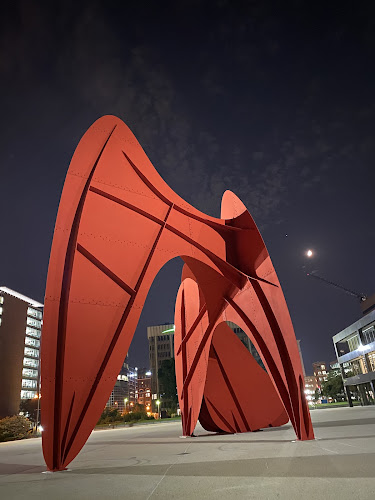
La Grande Vitesse
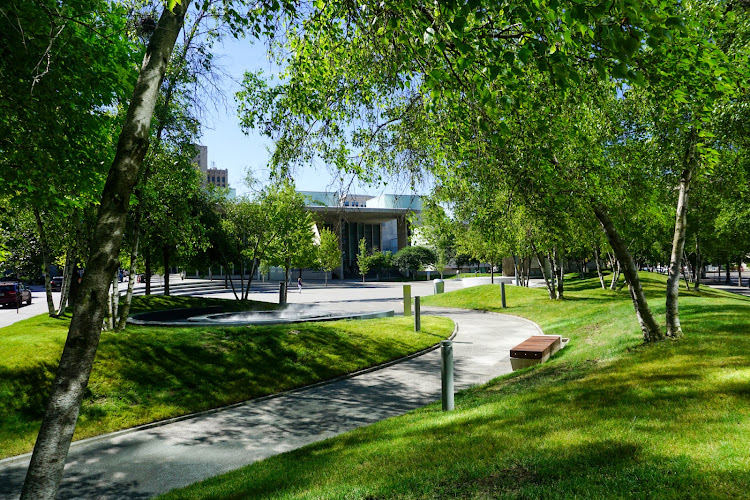
Rosa Parks Circle
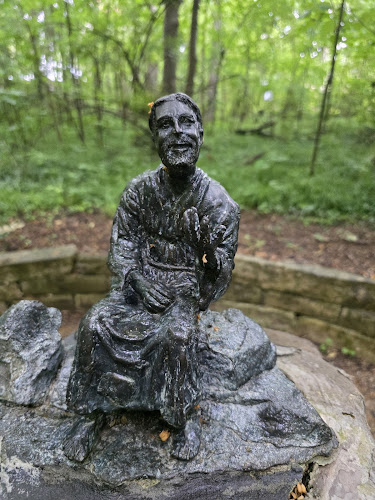
Saint Francis Sculpture Garden
Find Accommodations Nearby
Recommended Tours & Activities
Visitor Reviews
There are no reviews yet. Be the first one to write one.
Share Your Experience
Have you visited Grand Rapids African American Museum & Archives (GRAAMA)? Help other travelers by leaving a review.