
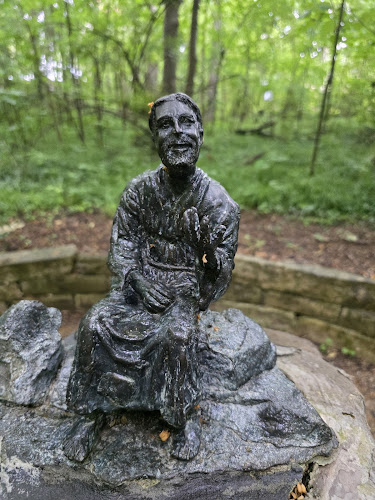
Saint Francis Sculpture Garden
About Saint Francis Sculpture Garden
Description
The Saint Francis Sculpture Garden offers visitors a contemplative outdoor space where art and spirituality merge in unexpected ways. This walking sculpture garden invites travelers to slow down and experience artistic expression through carefully placed sculptures that honor the legacy of Saint Francis of Assisi. Unlike many traditional sculpture gardens that feel stuffy or overly academic, this space has a genuine warmth to it that makes even non-art enthusiasts feel welcome. I've always believed that the best sculpture gardens are ones where you can actually sit and think, and this place delivers on that promise. The pathways wind through thoughtfully landscaped grounds, with each turn revealing another piece that tells a story. You won't find massive crowds here fighting for Instagram photos, which honestly is part of the charm. It's one of those places that reminds you why people travel in the first place – to discover something meaningful that you can't quite replicate anywhere else. The garden serves as both an artistic destination and a meditative retreat. Visitors often report spending far longer here than they initially planned, which I think speaks volumes about the atmosphere. The sculptures themselves range from traditional to contemporary interpretations of Franciscan themes, creating this interesting dialogue between old and new. And here's the thing – you don't need to be religious or even particularly spiritual to appreciate what's happening here. The universal themes of compassion, nature, and human connection translate pretty well regardless of your background. What makes this garden particularly special is how accessible it is to everyone. The designers clearly thought about making sure people of all abilities could enjoy the space, which unfortunately isn't always a given with outdoor art installations. This attention to inclusivity adds another layer of meaning to a place that's already all about honoring human dignity.Key Features
The Saint Francis Sculpture Garden distinguishes itself through several notable characteristics that enhance the visitor experience: • Multiple sculptures depicting Saint Francis and themes related to his teachings, each offering unique artistic interpretations that range from classical to modern styles • Walking paths that allow visitors to explore at their own pace, creating a self-guided experience that can last anywhere from thirty minutes to several hours depending on how deeply you want to engage • Wheelchair accessible entrance and parking facilities, ensuring that mobility challenges don't prevent anyone from experiencing the garden's offerings • Peaceful outdoor setting that provides a respite from typical tourist attractions, making it ideal for those seeking quieter cultural experiences • Educational elements integrated throughout the space that provide context about Saint Francis without being preachy or overwhelming visitors with information • Opportunities for photography and artistic inspiration, though the garden maintains a respectful atmosphere that discourages disruptive behavior • Benches and resting areas strategically placed near sculptures, allowing visitors to sit and contemplate individual pieces rather than rushing through • Natural landscaping that complements the sculptures rather than competing with them, creating harmony between the built and natural environments • Year-round accessibility that makes it a reliable destination regardless of when you're traveling through the area • Free or minimal admission that removes financial barriers to experiencing quality public artBest Time to Visit
Timing your visit to the Saint Francis Sculpture Garden can significantly impact your experience, though honestly, there's no terrible time to go. That said, certain seasons and times of day definitely have their advantages. Spring and fall emerge as the sweet spots for most travelers. During these seasons, the weather cooperates beautifully – you won't be sweating through your shirt or bundling up like you're heading to Antarctica. The temperatures hover in that perfect range where walking becomes genuinely enjoyable rather than something you're enduring to see the art. Plus, the natural surroundings of the garden really come alive during these transitional seasons. Spring brings fresh growth and blossoms that add color to the backdrop, while fall offers that gorgeous golden light that photographers dream about. But here's where I'll disagree with conventional wisdom – winter visits have their own magic. Sure, it's colder, but if you dress appropriately, you'll likely have the entire garden to yourself. There's something profound about experiencing sculpture in the quiet of winter when everything else seems stripped down to essentials. The bare trees actually let you see the sculptures from different angles, and that crisp winter light does interesting things to metal and stone surfaces. Summer works fine if that's when your travel schedule allows, though you'll want to go early morning or late afternoon. Midday summer visits can be pretty brutal, especially if you're walking around outside for an hour or more. The sculptures aren't going anywhere, so there's no reason to torture yourself in 95-degree heat. As for time of day, early mornings around 9 or 10 AM offer the best combination of good light and fewer visitors. Late afternoon around 4 or 5 PM runs a close second. Weekdays trump weekends if you value solitude, though the garden rarely gets genuinely crowded even on Saturday afternoons. I've found that Sunday mornings have this particular peacefulness – maybe people are at church or sleeping in, but whatever the reason, it's a lovely time to visit. Avoid visiting right after rain if you can help it. The paths can get slippery, and while that's not necessarily dangerous, it does make the experience less pleasant. Give it a few hours for things to dry out.How to Get There
Getting to the Saint Francis Sculpture Garden requires a bit of planning, but it's definitely manageable for most travelers. The garden's location makes it accessible by various transportation methods, though some work better than others. Driving remains the most straightforward option for visitors. The garden provides wheelchair accessible parking, which tells you they've thought about parking logistics. If you're using GPS, make sure your device is updated – sometimes older systems have trouble with sculpture gardens and parks because they're not traditional addresses. I'd recommend looking up the location on multiple mapping services before you leave just to cross-reference. The parking situation is generally hassle-free. You won't be circling for thirty minutes looking for a spot like you would at major tourist attractions. The lot accommodates a reasonable number of vehicles without being oversized, which maintains the intimate feel of the space. For those relying on public transportation, your options vary significantly depending on where you're staying. Some visitors have successfully used local bus services, though you'll need to research routes carefully. Public transit to sculpture gardens often involves a bit of walking from the nearest stop, so factor that into your planning. If you've got mobility concerns, rideshare services like Uber or Lyft might be your best bet – they'll drop you right at the entrance. Cyclists will find the garden accessible via bike, though check whether there's dedicated bike parking before you go. Nothing's worse than arriving on two wheels and having nowhere secure to leave your ride while you explore. If you're staying at a nearby hotel, ask the front desk staff about directions. Local hospitality workers often know shortcuts and parking tips that don't show up on Google Maps. Plus, they can tell you realistic travel times based on current traffic patterns rather than the optimistic estimates your GPS provides. Plan for about 15-20 minutes of buffer time beyond what your mapping app suggests. This accounts for finding parking, getting oriented, and maybe hitting a bathroom before you start your walk through the garden. Rushing into a contemplative space kind of defeats the purpose.Tips for Visiting
Making the most of your time at the Saint Francis Sculpture Garden involves a bit of preparation and the right mindset. These practical suggestions come from both common sense and lessons learned by travelers who've gone before you. Wear comfortable walking shoes – and I mean actually comfortable, not those shoes you convince yourself are fine for walking even though they give you blisters after twenty minutes. You'll be on your feet moving between sculptures, and the paths, while accessible, still require proper footwear. Save the cute sandals for dinner afterward. Bring water, especially during warmer months. There might not be concessions onsite, and dehydration sneaks up on you when you're focused on looking at art. A small backpack or crossbody bag works well for carrying essentials without weighing you down. Consider the light when planning photography. Morning and late afternoon provide that soft, directional light that makes sculptures pop in photos. Harsh midday sun creates unflattering shadows and washes out details. If you're serious about getting good shots, bring a polarizing filter to manage glare on reflective sculpture surfaces. Take your time. I know this sounds obvious, but so many people rush through art spaces trying to "see everything" when they'd have a better experience spending quality time with fewer pieces. Pick three or four sculptures that really speak to you and sit with them for a while. Notice the details, think about what the artist was going for, let your mind wander a bit. Respect the contemplative nature of the space. This isn't the place for loud phone conversations or letting kids run wild. People come here specifically for peace and quiet, so be mindful of others trying to have that experience. Check the weather forecast and dress in layers. Outdoor sculpture gardens leave you exposed to whatever nature decides to do that day. A light jacket that you can tie around your waist gives you options as temperatures shift. If you're visiting with someone else, consider splitting up for part of the time. Everyone processes art differently, and you might find your pace doesn't match your companion's preference. Agree to meet at a specific sculpture or the entrance in 30 minutes, then enjoy the freedom to experience things at your own speed. Bring a small notebook if you're the journaling type. Something about sculpture gardens inspires reflection, and you might want to capture thoughts while you're in that headspace. Your phone's notes app works too, though there's something about handwriting that fits the analog nature of sculpture better. Don't feel obligated to like every piece. Art is subjective, and honestly, some sculptures might leave you cold while others hit you right in the chest. That's perfectly normal and actually part of engaging authentically with art rather than pretending to be impressed by everything. Visit the facilities before you start your walk if they're available. Nothing interrupts a contemplative mood like suddenly needing a bathroom in the middle of a sculpture garden. If you're traveling with mobility aids, take advantage of the accessible features. The designers included them for a reason, and using them doesn't diminish your experience one bit. Finally, consider visiting twice if your schedule allows – once in the morning and once in late afternoon. The changing light completely transforms how sculptures appear, and you might notice details during your second visit that you missed the first time around. Plus, it gives you an excuse to return to a peaceful spot in what might otherwise be a hectic travel itinerary.Key Features
- Approximately 21 bronze sculptures depicting episodes from the life of St. Francis
- Accessible, ADA-friendly walking pathway through about 6 acres of wooded grounds
- Non-denominational, contemplative outdoor space suitable for reflection and photography
- Managed by a local nonprofit and volunteers with interpretive signage for each sculpture
- Free admission with a natural, park-like setting close to Grand Rapids neighborhoods
More Details
Updated March 30, 2026
Table of Contents
Description
The Saint Francis Sculpture Garden offers visitors a contemplative outdoor space where art and spirituality merge in unexpected ways. This walking sculpture garden invites travelers to slow down and experience artistic expression through carefully placed sculptures that honor the legacy of Saint Francis of Assisi. Unlike many traditional sculpture gardens that feel stuffy or overly academic, this space has a genuine warmth to it that makes even non-art enthusiasts feel welcome.
I’ve always believed that the best sculpture gardens are ones where you can actually sit and think, and this place delivers on that promise. The pathways wind through thoughtfully landscaped grounds, with each turn revealing another piece that tells a story. You won’t find massive crowds here fighting for Instagram photos, which honestly is part of the charm. It’s one of those places that reminds you why people travel in the first place – to discover something meaningful that you can’t quite replicate anywhere else.
The garden serves as both an artistic destination and a meditative retreat. Visitors often report spending far longer here than they initially planned, which I think speaks volumes about the atmosphere. The sculptures themselves range from traditional to contemporary interpretations of Franciscan themes, creating this interesting dialogue between old and new. And here’s the thing – you don’t need to be religious or even particularly spiritual to appreciate what’s happening here. The universal themes of compassion, nature, and human connection translate pretty well regardless of your background.
What makes this garden particularly special is how accessible it is to everyone. The designers clearly thought about making sure people of all abilities could enjoy the space, which unfortunately isn’t always a given with outdoor art installations. This attention to inclusivity adds another layer of meaning to a place that’s already all about honoring human dignity.
Key Features
The Saint Francis Sculpture Garden distinguishes itself through several notable characteristics that enhance the visitor experience:
• Multiple sculptures depicting Saint Francis and themes related to his teachings, each offering unique artistic interpretations that range from classical to modern styles
• Walking paths that allow visitors to explore at their own pace, creating a self-guided experience that can last anywhere from thirty minutes to several hours depending on how deeply you want to engage
• Wheelchair accessible entrance and parking facilities, ensuring that mobility challenges don’t prevent anyone from experiencing the garden’s offerings
• Peaceful outdoor setting that provides a respite from typical tourist attractions, making it ideal for those seeking quieter cultural experiences
• Educational elements integrated throughout the space that provide context about Saint Francis without being preachy or overwhelming visitors with information
• Opportunities for photography and artistic inspiration, though the garden maintains a respectful atmosphere that discourages disruptive behavior
• Benches and resting areas strategically placed near sculptures, allowing visitors to sit and contemplate individual pieces rather than rushing through
• Natural landscaping that complements the sculptures rather than competing with them, creating harmony between the built and natural environments
• Year-round accessibility that makes it a reliable destination regardless of when you’re traveling through the area
• Free or minimal admission that removes financial barriers to experiencing quality public art
Best Time to Visit
Timing your visit to the Saint Francis Sculpture Garden can significantly impact your experience, though honestly, there’s no terrible time to go. That said, certain seasons and times of day definitely have their advantages.
Spring and fall emerge as the sweet spots for most travelers. During these seasons, the weather cooperates beautifully – you won’t be sweating through your shirt or bundling up like you’re heading to Antarctica. The temperatures hover in that perfect range where walking becomes genuinely enjoyable rather than something you’re enduring to see the art. Plus, the natural surroundings of the garden really come alive during these transitional seasons. Spring brings fresh growth and blossoms that add color to the backdrop, while fall offers that gorgeous golden light that photographers dream about.
But here’s where I’ll disagree with conventional wisdom – winter visits have their own magic. Sure, it’s colder, but if you dress appropriately, you’ll likely have the entire garden to yourself. There’s something profound about experiencing sculpture in the quiet of winter when everything else seems stripped down to essentials. The bare trees actually let you see the sculptures from different angles, and that crisp winter light does interesting things to metal and stone surfaces.
Summer works fine if that’s when your travel schedule allows, though you’ll want to go early morning or late afternoon. Midday summer visits can be pretty brutal, especially if you’re walking around outside for an hour or more. The sculptures aren’t going anywhere, so there’s no reason to torture yourself in 95-degree heat.
As for time of day, early mornings around 9 or 10 AM offer the best combination of good light and fewer visitors. Late afternoon around 4 or 5 PM runs a close second. Weekdays trump weekends if you value solitude, though the garden rarely gets genuinely crowded even on Saturday afternoons. I’ve found that Sunday mornings have this particular peacefulness – maybe people are at church or sleeping in, but whatever the reason, it’s a lovely time to visit.
Avoid visiting right after rain if you can help it. The paths can get slippery, and while that’s not necessarily dangerous, it does make the experience less pleasant. Give it a few hours for things to dry out.
How to Get There
Getting to the Saint Francis Sculpture Garden requires a bit of planning, but it’s definitely manageable for most travelers. The garden’s location makes it accessible by various transportation methods, though some work better than others.
Driving remains the most straightforward option for visitors. The garden provides wheelchair accessible parking, which tells you they’ve thought about parking logistics. If you’re using GPS, make sure your device is updated – sometimes older systems have trouble with sculpture gardens and parks because they’re not traditional addresses. I’d recommend looking up the location on multiple mapping services before you leave just to cross-reference.
The parking situation is generally hassle-free. You won’t be circling for thirty minutes looking for a spot like you would at major tourist attractions. The lot accommodates a reasonable number of vehicles without being oversized, which maintains the intimate feel of the space.
For those relying on public transportation, your options vary significantly depending on where you’re staying. Some visitors have successfully used local bus services, though you’ll need to research routes carefully. Public transit to sculpture gardens often involves a bit of walking from the nearest stop, so factor that into your planning. If you’ve got mobility concerns, rideshare services like Uber or Lyft might be your best bet – they’ll drop you right at the entrance.
Cyclists will find the garden accessible via bike, though check whether there’s dedicated bike parking before you go. Nothing’s worse than arriving on two wheels and having nowhere secure to leave your ride while you explore.
If you’re staying at a nearby hotel, ask the front desk staff about directions. Local hospitality workers often know shortcuts and parking tips that don’t show up on Google Maps. Plus, they can tell you realistic travel times based on current traffic patterns rather than the optimistic estimates your GPS provides.
Plan for about 15-20 minutes of buffer time beyond what your mapping app suggests. This accounts for finding parking, getting oriented, and maybe hitting a bathroom before you start your walk through the garden. Rushing into a contemplative space kind of defeats the purpose.
Tips for Visiting
Making the most of your time at the Saint Francis Sculpture Garden involves a bit of preparation and the right mindset. These practical suggestions come from both common sense and lessons learned by travelers who’ve gone before you.
Wear comfortable walking shoes – and I mean actually comfortable, not those shoes you convince yourself are fine for walking even though they give you blisters after twenty minutes. You’ll be on your feet moving between sculptures, and the paths, while accessible, still require proper footwear. Save the cute sandals for dinner afterward.
Bring water, especially during warmer months. There might not be concessions onsite, and dehydration sneaks up on you when you’re focused on looking at art. A small backpack or crossbody bag works well for carrying essentials without weighing you down.
Consider the light when planning photography. Morning and late afternoon provide that soft, directional light that makes sculptures pop in photos. Harsh midday sun creates unflattering shadows and washes out details. If you’re serious about getting good shots, bring a polarizing filter to manage glare on reflective sculpture surfaces.
Take your time. I know this sounds obvious, but so many people rush through art spaces trying to “see everything” when they’d have a better experience spending quality time with fewer pieces. Pick three or four sculptures that really speak to you and sit with them for a while. Notice the details, think about what the artist was going for, let your mind wander a bit.
Respect the contemplative nature of the space. This isn’t the place for loud phone conversations or letting kids run wild. People come here specifically for peace and quiet, so be mindful of others trying to have that experience.
Check the weather forecast and dress in layers. Outdoor sculpture gardens leave you exposed to whatever nature decides to do that day. A light jacket that you can tie around your waist gives you options as temperatures shift.
If you’re visiting with someone else, consider splitting up for part of the time. Everyone processes art differently, and you might find your pace doesn’t match your companion’s preference. Agree to meet at a specific sculpture or the entrance in 30 minutes, then enjoy the freedom to experience things at your own speed.
Bring a small notebook if you’re the journaling type. Something about sculpture gardens inspires reflection, and you might want to capture thoughts while you’re in that headspace. Your phone’s notes app works too, though there’s something about handwriting that fits the analog nature of sculpture better.
Don’t feel obligated to like every piece. Art is subjective, and honestly, some sculptures might leave you cold while others hit you right in the chest. That’s perfectly normal and actually part of engaging authentically with art rather than pretending to be impressed by everything.
Visit the facilities before you start your walk if they’re available. Nothing interrupts a contemplative mood like suddenly needing a bathroom in the middle of a sculpture garden.
If you’re traveling with mobility aids, take advantage of the accessible features. The designers included them for a reason, and using them doesn’t diminish your experience one bit.
Finally, consider visiting twice if your schedule allows – once in the morning and once in late afternoon. The changing light completely transforms how sculptures appear, and you might notice details during your second visit that you missed the first time around. Plus, it gives you an excuse to return to a peaceful spot in what might otherwise be a hectic travel itinerary.
Key Highlights
- Approximately 21 bronze sculptures depicting episodes from the life of St. Francis
- Accessible, ADA-friendly walking pathway through about 6 acres of wooded grounds
- Non-denominational, contemplative outdoor space suitable for reflection and photography
- Managed by a local nonprofit and volunteers with interpretive signage for each sculpture
- Free admission with a natural, park-like setting close to Grand Rapids neighborhoods
Location
Places to Stay Near Saint Francis Sculpture Garden
Find and Book a Tour
Explore More Travel Guides
No reviews found! Be the first to review!
Saint Francis Sculpture Garden is a prominent Sculpture located in Grand Rapids.
Visit us at: 2023 Fulton St E, Grand Rapids, MI 49503, United States.
Traveler Reviews for Saint Francis Sculpture Garden
There are no reviews yet. Be the first one to write one.
Have you visited Saint Francis Sculpture Garden? Help other travelers by sharing your review.
Nearby Attractions
You Might Also Like

Sixth Street Park

Frederik Meijer Gardens & Sculpture Park
John Ball Park
Find Accommodations Nearby
Recommended Tours & Activities
Visitor Reviews
There are no reviews yet. Be the first one to write one.
Share Your Experience
Have you visited Saint Francis Sculpture Garden? Help other travelers by leaving a review.