
GOAT CASTLE
About GOAT CASTLE
Description
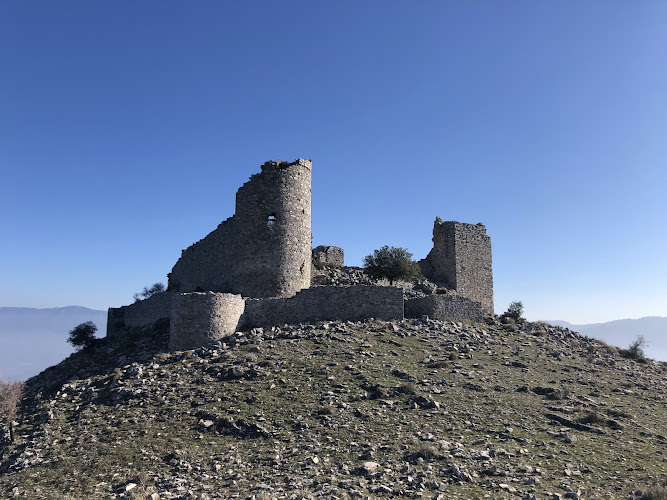
Goat Castle is one of those places that quietly surprises you. It’s not a grand fortress with towering battlements or polished marble halls—it’s something far more intriguing. Set against the rugged hills of the İzmir region, this historical landmark carries an air of mystery, a sense that the stones themselves remember stories that time forgot. The first time I walked up its uneven path, the air was dry and smelled faintly of wild thyme, and honestly, I felt like I’d stepped into a forgotten chapter of history.
What makes Goat Castle so captivating isn’t just its age or the remnants of ancient craftsmanship—it’s the way it feels alive with echoes of the past. The structure, though partly in ruins, still holds strong against the elements. You can see where the builders once shaped rough-hewn stones by hand, fitting them together in a way that’s somehow both chaotic and precise. There’s something humbling about touching those walls and realizing how long they’ve stood there, weathering centuries of sun, wind, and rain.
While it doesn’t have all the modern comforts—no wheelchair access, no fancy facilities—it makes up for that with raw authenticity. The lack of polish is part of its charm. You won’t find crowds of tourists snapping selfies every two seconds here; instead, you might find yourself alone with the sound of cicadas and the occasional bleat of a goat from the nearby hills (and yes, that’s probably how it got its name). It’s peaceful in a way that’s hard to find these days.
Some visitors come expecting a fully restored castle and leave a bit underwhelmed, but those who come seeking atmosphere, history, and a touch of adventure usually leave enchanted. It’s the kind of place that rewards curiosity—if you take your time, you’ll notice details others miss: carvings half-hidden by moss, the faint outline of what might have been a watchtower, or the way the sunlight hits the stones just before sunset, turning them golden.
Key Features
- Authentic ruins that reflect ancient architectural techniques
- Panoramic views of the surrounding countryside and hills
- Quiet, off-the-beaten-path location ideal for travelers seeking solitude
- Perfect for photography enthusiasts and history buffs
- Informal hiking trails leading around the site with scenic lookouts
- Rich local folklore and legends tied to the castle’s origins
- Natural surroundings filled with native flora and occasional wildlife sightings
It’s not a flashy destination, but that’s exactly what gives it soul. If you’ve ever longed for a place where you can just slow down, breathe, and imagine what life might have been like hundreds of years ago, Goat Castle offers that rare kind of stillness. I remember sitting on one of the crumbling walls, watching the horizon fade into dusk, and thinking how the world felt very far away—and that was a good thing.
Best Time to Visit
The best time to explore Goat Castle is during spring or autumn. The weather is mild, the hills are green, and the trails are far more comfortable to walk. Summer can be quite hot—especially midday—so if you do visit then, go early in the morning or late in the afternoon when the light softens and the air cools. Winter has its own charm, too, especially if you don’t mind a bit of chill and solitude. The landscape takes on a moody, almost cinematic quality that photographers will love.
Personally, I’d say late April is the sweet spot. The wildflowers bloom, the air smells fresh, and the light is perfect for photos. You might even catch a local shepherd leading goats along the nearby hillsides, which feels like stepping straight into a painting. Just bring a hat, water, and good shoes—the terrain can be uneven and dusty, but that’s part of the adventure.
How to Get There
Getting to Goat Castle is part of the fun. The journey itself feels like a small adventure, winding through rural roads surrounded by olive groves and rolling hills. You can drive most of the way, but the last stretch usually requires a short hike. It’s not too strenuous, though—just enough to make you feel like you’ve earned the view at the top.
If you’re coming from a nearby town, local taxis or rental cars are the most convenient options. Public transportation doesn’t reach right to the site, so plan accordingly. I once took a bus to the nearest village and then walked the rest of the way—it took about 40 minutes, and while my legs complained, my heart didn’t. The scenery was worth every step.
Parking is available near the base of the hill, but it’s limited. Try to arrive early if you’re visiting during weekends or holidays. The path leading up is rocky in places, so sturdy shoes are a must. And if you’re traveling in summer, bring extra water—you’ll thank yourself later.
Tips for Visiting
Before you head out, here are a few things I’ve learned from experience (and from watching a few unprepared visitors struggle a bit):
- Wear proper footwear: The terrain can be uneven, and sandals are a bad idea. Trust me on that one.
- Bring water and snacks: There are no vendors or cafes nearby, which is part of its charm but also means you’re on your own.
- Go early or late: The light is softer, the air cooler, and the atmosphere more magical.
- Respect the site: It’s an old structure—don’t climb on unstable walls or remove stones. Leave it as you found it.
- Take your time: Don’t rush through. Sit, listen, and let the place speak to you. It’s not a checklist stop; it’s an experience.
- Photography tip: Golden hour (around sunset) brings out the texture of the stones beautifully. You’ll get some stunning shots without needing filters.
One last thing—don’t expect perfection here. Goat Castle is rough around the edges, and that’s exactly what makes it special. It’s not about polished exhibits or guided tours; it’s about feeling the weight of history in a place that time has almost forgotten. And honestly, that’s a rare thing these days.
So if you’re traveling through the region and craving a spot that feels authentic, peaceful, and just a little bit wild, make the trip. Bring curiosity, an open mind, and maybe a notebook—you’ll probably want to jot down a few thoughts while you’re there. Because Goat Castle isn’t just something you see; it’s something you feel. And once you’ve been, it tends to linger with you long after you’ve left.
Key Features
- Authentic ruins that reflect ancient architectural techniques
- Panoramic views of the surrounding countryside and hills
- Quiet, off-the-beaten-path location ideal for travelers seeking solitude
- Perfect for photography enthusiasts and history buffs
- Informal hiking trails leading around the site with scenic lookouts
- Rich local folklore and legends tied to the castle’s origins
- Natural surroundings filled with native flora and occasional wildlife sightings
You Might Also Like

*BDT BELEK DOGA TOUR | Daily Tours, Day Trips and Excursions in Antalya*
1464. Sk. No:55
2006. Sk. No:2
Tours & Activities
GetYourGuide provides this tour inventory. We may earn a commission if you book through it; verify current availability, prices, and terms with the provider.
Visitor Reviews
There are no reviews yet. Be the first one to write one.
Share Your Experience
Have you visited GOAT CASTLE? Help other travelers by leaving a review.