
Hatay Archeology Museum
About Hatay Archeology Museum
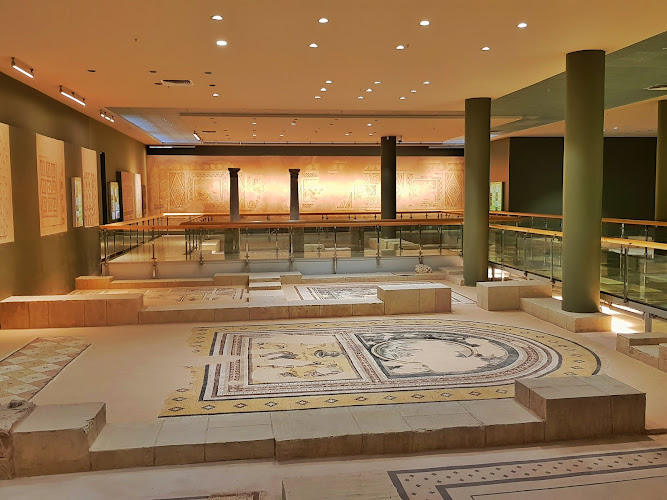
Hatay Archeology Museum in Antakya is one of those places that quietly takes your breath away, not because it tries to impress, but because it simply can’t help it. The museum holds one of the world’s largest collections of Roman and Byzantine mosaics—massive, intricate works that seem almost alive when you stand before them. Each mosaic tells a story of ancient lives, of gods and myths, of laughter, banquets, and battles. You can almost imagine the hum of the ancient city of Antioch, once one of the great centers of the Roman world, echoing through the halls.
What I personally love about this museum is how it bridges time. You’re walking among relics that date back thousands of years, yet the building itself feels modern, airy, and thoughtfully designed. The museum’s layout is spacious and calm, giving you time to linger over each piece. There’s something deeply moving about seeing these mosaics up close—the tiny tesserae pieced together with such precision and passion. And if you’re like me, you’ll find yourself wondering about the hands that made them, the lives that inspired them.
Beyond the mosaics, the museum showcases artifacts from the Paleolithic period all the way to the Middle Ages. There are statues, coins, pottery, and inscriptions that tell the story of Hatay’s layered history—Hittites, Persians, Greeks, Romans, Byzantines, and Ottomans all left their mark here. You can feel the city’s multicultural soul in every corner. It’s the kind of place where history doesn’t feel distant or abstract—it feels tangible, almost intimate.
Most visitors leave the museum feeling both enlightened and humbled. Sure, a few might wish for more interactive exhibits or better lighting in certain sections, but for anyone who loves history, art, or archaeology, this museum is a treasure. Whether you’re a casual traveler or a history buff, it’s hard not to be captivated by the sheer richness of what’s on display.
Key Features
- World-Class Mosaic Collection: Home to one of the largest Roman and Byzantine mosaic collections in the world, featuring vivid mythological scenes and intricate geometric designs.
- Extensive Historical Range: Exhibits span from the Paleolithic era to the Middle Ages, offering a full spectrum of the region’s archaeological heritage.
- Modern Museum Design: The building itself is a marvel of contemporary architecture, designed to showcase ancient artifacts in a bright, open setting.
- Family-Friendly: The museum is well-suited for families, with wide walkways and accessible facilities for visitors of all ages.
- Accessibility: Wheelchair-accessible restrooms and ramps make it convenient for all visitors.
- Educational Value: Informative displays and detailed explanations help visitors understand the cultural significance of each artifact.
- Serene Atmosphere: Unlike many crowded tourist attractions, the museum offers a peaceful, reflective environment.
- Photographic Opportunities: The lighting and layout make it perfect for photography enthusiasts eager to capture the artistry of ancient mosaics.
Best Time to Visit
Antakya can get quite warm during the summer, so if you’re planning a trip, spring and autumn are ideal. From March to May or September to early November, the weather is mild and pleasant, making it easier to explore both the museum and the surrounding city. During these months, the museum tends to be less crowded, allowing you to take your time with the exhibits. That said, if you visit in winter, you’ll find a quieter atmosphere—perfect if you prefer a more contemplative experience.
I once visited in early April, and the timing couldn’t have been better. The air was fresh, the crowds manageable, and the nearby cafes were buzzing just enough to make you feel part of the city’s rhythm. But honestly, even in the hotter months, the museum’s air-conditioned halls make it a comfortable escape from the heat. Just bring a bottle of water and good walking shoes—it’s bigger than it looks.
How to Get There
Reaching the Hatay Archeology Museum is straightforward, especially if you’re already in Antakya. The museum is located along the main road leading out of the city toward Reyhanlı, easily accessible by car, taxi, or local bus. If you’re staying in the city center, it’s about a short drive away, and taxis are both affordable and convenient. Public transportation options are available, though they might require a bit of patience if you’re not familiar with the local routes.
For travelers arriving from other parts of Turkey, Hatay Airport is the nearest hub, located roughly 25 kilometers away. From there, you can take a taxi or shuttle service into Antakya. Driving is another good option, especially if you want to explore the surrounding region—Hatay’s countryside is full of surprises, from ancient ruins to olive groves and charming little villages. Parking near the museum is generally easy to find, which is a small but welcome relief for anyone used to big-city chaos.
Tips for Visiting
If you’re planning your visit, here are a few things I’ve learned from experience and from chatting with other travelers over the years:
- Take Your Time: The museum is larger than most expect, with 19 exhibition halls. Don’t rush—give yourself at least two hours to explore properly.
- Start Early: Arriving soon after opening hours helps you avoid the tour groups and gives you a quieter experience.
- Bring Curiosity: Read the descriptions carefully. Many artifacts have fascinating backstories that tie into the broader history of the Mediterranean world.
- Mind the Lighting: Some sections are dimly lit to preserve the mosaics. If you’re into photography, adjust your camera settings or bring a small tripod.
- Comfort First: Wear comfortable shoes—there’s quite a bit of walking involved—and bring a light jacket if you’re sensitive to air conditioning.
- Engage with Staff: The museum staff are friendly and knowledgeable. Don’t hesitate to ask questions; they often share insights not found on the display cards.
- Plan for Nearby Attractions: Combine your visit with a stroll through Antakya’s old town, where you can find local markets, traditional cuisine, and a few hidden gems that most tourists miss.
- Respect the Space: Some areas prohibit flash photography, and touching the mosaics is a big no-no—these pieces have survived for centuries and deserve care.
One last thing—don’t skip the smaller artifacts. It’s easy to get caught up in the grandeur of the mosaics, but the smaller items—like jewelry, coins, and pottery—offer a more intimate glimpse into daily life thousands of years ago. I remember standing in front of a tiny carved figurine and thinking how someone long ago must have held it with the same curiosity I felt. That’s the magic of this museum—it connects you across time in the simplest, most human way.
Whether you’re an art lover, a history enthusiast, or just someone who enjoys discovering stories hidden in stone and color, the Hatay Archeology Museum is worth every minute. It’s not just a museum; it’s a conversation with history, told through the eyes of those who lived it. And if you leave feeling a little more connected to the past, well, that’s exactly what this place was built to do.
You Might Also Like

*BDT BELEK DOGA TOUR | Daily Tours, Day Trips and Excursions in Antalya*
1464. Sk. No:55
2006. Sk. No:2
Tours & Activities
GetYourGuide provides this tour inventory. We may earn a commission if you book through it; verify current availability, prices, and terms with the provider.
Visitor Reviews
There are no reviews yet. Be the first one to write one.
Share Your Experience
Have you visited Hatay Archeology Museum? Help other travelers by leaving a review.