
Vespasianus Titus Tunnel
About Vespasianus Titus Tunnel
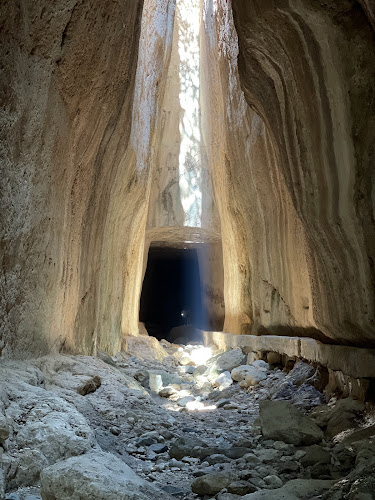
The Vespasianus Titus Tunnel is one of those places that makes you stop and wonder how on earth people managed such feats two thousand years ago. Carved into the mountainside near the ancient city of Seleucia Pieria, this Roman-era tunnel was built to protect the city’s harbor from destructive floods. It’s not just a tunnel—it’s a statement of human determination and ingenuity. Imagine standing there, surrounded by stone walls that were chiseled by hand, knowing this was all done without modern machinery. It’s humbling, really.
Commissioned under Emperor Vespasian around 69 AD and completed during the reign of his son Titus, the tunnel was a massive hydraulic project designed to divert floodwaters from the nearby mountains. The Romans, known for their engineering prowess, pulled off something extraordinary here. The tunnel stretches roughly 1.4 kilometers through solid rock, with sections reaching up to 7 meters high. It’s said that thousands of laborers, soldiers, and even prisoners worked tirelessly to carve it out. Some people might call it over-engineering, but honestly, it’s a masterpiece of practicality and ambition.
What’s fascinating is how well it’s held up. After nearly two millennia, the structure still channels rainwater during heavy storms. You can walk through parts of it today, feeling the cool air and hearing the faint echo of dripping water. It’s not polished or overly restored, and that’s part of its charm. You get to see the raw marks of chisels on the stone, the uneven surfaces, and the sheer scale of the effort. It’s a bit rugged, sure, but that’s what makes it real.
For travelers who love history, archaeology, or just the thrill of discovering something ancient and authentic, the Vespasianus Titus Tunnel is a must-see. It’s not the kind of place that feels commercialized or crowded with souvenir stands. Instead, it’s peaceful, almost meditative. You can take your time exploring, imagining Roman engineers shouting orders, water rushing through the channel, and the port city below bustling with ships and traders.
Key Features
- Ancient Roman engineering: Built in the 1st and 2nd centuries AD to control floodwaters threatening Seleucia Pieria’s harbor.
- Massive scale: Approximately 1.4 km long and up to 7 meters high, carved entirely by hand through solid rock.
- Historical significance: Commissioned by Emperor Vespasian and completed under Titus, reflecting the might of the Roman Empire.
- Natural surroundings: Set against the dramatic backdrop of the Nur Mountains, surrounded by Mediterranean vegetation and sea views nearby.
- Authentic experience: Minimal restoration preserves the original texture and atmosphere of the ancient site.
- Nearby attractions: The Beşikli Cave tombs and remnants of the ancient port city of Seleucia Pieria are within walking distance.
If you’re into photography, this place is a dream. The way light filters through the tunnel openings creates dramatic contrasts—perfect for moody travel shots. And if you’re traveling with kids, they’ll probably find it exciting too (though you’ll want to keep an eye on them; the rocks can be slippery). It’s not wheelchair accessible, unfortunately, as the terrain is uneven and involves some climbing. But for most visitors, the walk is manageable, and the payoff is absolutely worth it.
Best Time to Visit
The best time to visit the Vespasianus Titus Tunnel is during spring or autumn when the weather in southern Turkey is mild and pleasant. Between April and June or September and early November, the temperatures hover around the mid-20s Celsius, making it perfect for exploring without melting under the sun. During summer, it can get pretty hot—sometimes over 35°C—which makes walking through the open parts of the site a bit challenging.
Winter, on the other hand, can be surprisingly wet. The tunnel still channels water during heavy rains, so while it’s fascinating to see the system in action, it’s not always ideal for walking tours. I once visited in early March, and while the air was crisp and the hills were green, the ground was muddy enough to make me wish I’d worn hiking boots instead of sneakers. Lesson learned.
If you’re a photographer or a nature lover, mornings and late afternoons are magical here. The sunlight hits the stone walls at an angle, bringing out the golden hues and casting long shadows that make the place feel alive. And since it’s not as crowded as more famous ruins, you can often have entire sections to yourself. There’s something special about standing alone in a Roman tunnel, hearing nothing but the wind and your own footsteps echoing through history.
How to Get There
Reaching the Vespasianus Titus Tunnel is fairly straightforward if you’re already exploring the Hatay region. The site is located near the coastal town of Samandağ, about a 40-minute drive from Antakya (ancient Antioch). You can rent a car, take a taxi, or join a local tour that includes stops at nearby historical sites. Roads leading to the area are generally in good condition, though they do wind a bit through the hills.
If you’re driving, there’s parking available near the entrance. From there, it’s a short walk to the tunnel itself. The path is uneven in places, so comfortable shoes are a must. Public transportation options are limited, but minibuses from Antakya occasionally head toward the coast and can drop you off nearby if you’re adventurous enough to navigate local routes.
The journey itself is part of the experience. You’ll pass through small villages, citrus orchards, and stretches of the Mediterranean coastline that are still refreshingly untouched. I remember stopping along the way to grab a cup of Turkish tea from a roadside café—the owner insisted I try some homemade baklava, and honestly, it was the best I’ve ever had. Sometimes, it’s those small detours that end up being the highlight of a trip.
Tips for Visiting
Visiting the Vespasianus Titus Tunnel is a rewarding experience, but a little preparation goes a long way. Here are some practical tips to make your trip smoother (and more enjoyable):
- Wear sturdy shoes: The ground inside the tunnel can be slippery, especially after rain. Hiking shoes or sneakers with good grip are ideal.
- Bring a flashlight or use your phone’s light: Some sections of the tunnel are dimly lit, and having a light source helps you appreciate the carvings better.
- Stay hydrated: There are few facilities nearby, so bring water, especially in summer.
- Go early: Morning visits mean cooler temperatures and fewer people, giving you time to explore at your own pace.
- Combine with nearby sites: Don’t miss the Beşikli Cave tombs just a short walk away—they’re eerie, beautiful, and full of history.
- Respect the site: It’s an ancient monument, so avoid climbing on fragile areas or leaving litter behind.
- Check the weather: Heavy rain can make parts of the tunnel inaccessible or muddy.
If you’re traveling with kids, they’ll love the sense of adventure here—just make sure they don’t wander too far. And for history buffs, bring along a small guidebook or download some background info before you go. There aren’t many signs explaining the site, so knowing a bit about its Roman origins adds depth to the experience.
One last thing—don’t rush. Take your time walking through, sit on a rock, and just soak it all in. There’s something about being in a place that’s seen centuries of change yet still stands strong. It reminds you that human creativity and resilience can carve wonders out of stone. The Vespasianus Titus Tunnel isn’t just a relic of the past—it’s a living testament to what determination can build, even with the simplest tools.
So, if you ever find yourself wandering through southern Turkey, make sure to carve out a few hours for this incredible site. It’s not flashy or crowded, but it’s real, raw, and unforgettable. And honestly, that’s what travel should be about.
You Might Also Like

*BDT BELEK DOGA TOUR | Daily Tours, Day Trips and Excursions in Antalya*
1464. Sk. No:55
2006. Sk. No:2
Tours & Activities
GetYourGuide provides this tour inventory. We may earn a commission if you book through it; verify current availability, prices, and terms with the provider.
Visitor Reviews
There are no reviews yet. Be the first one to write one.
Share Your Experience
Have you visited Vespasianus Titus Tunnel? Help other travelers by leaving a review.