

German Textile Museum
About German Textile Museum
Description
The German Textile Museum in Krefeld stands as a specialist museum dedicated to the story of fabrics, weaving, and textile design across centuries. It presents a wide-ranging collection that traces textile production from handcrafted silks and velvets to industrial-era fabrics and contemporary textile art. The museum gives a clear sense of how textiles shaped both local industry and broader cultural trends in Germany and beyond. Visitors will find historical garments, patterned silks, technical samples, and design objects displayed with a curator's eye for context — so a piece of 19th-century silk sits next to diagrams of looms and images of the factories that produced similar cloth.
This place is particularly strong for people who nerd out about materials. The collection includes notable holdings in silk and velvet — reflecting Krefeld's long association with silk weaving — plus samples illustrating dye techniques, embroidery traditions, and experimental contemporary textiles. The exhibitions rotate between historical retrospectives and themed contemporary shows, so one visit can feel comfortably encyclopedic while the next one flashes something unexpected and modern. And yes, the museum handles the interpretive work well; labels and explanatory panels tend to be informative without being jargon-heavy, making it accessible to both specialists and curious travelers.
Architecturally the museum is easy to navigate. The layout flows from chronological displays to thematic rooms that explore topics such as fashion, industrialization, and textile design. For visitors who like tactile learning, occasional hands-on stations demonstrate weaving techniques or allow closer inspection of fabrics under magnification. Those little demo corners often become the favorite spots for families and design students. There is a small research and archive wing for people who want to dig deeper into textile history — an asset for scholars or designers looking for inspiration or primary sources.
Practical things first: the museum provides wheelchair accessible entrance points, a wheelchair accessible parking lot, and wheelchair accessible restrooms. That makes it a solid choice for travelers with mobility needs. Restroom facilities are on site, but there is no restaurant within the museum complex, so plan ahead if hunger strikes. A number of pleasant cafés and bakeries are a short walk away in Krefeld city center, which makes for a tidy little post-museum coffee break ritual.
The tone of the displays leans educational but friendly. Labels often point out not only what an object is, but why it mattered economically or socially. For instance, a humble fabric sample might be explained in terms of trade routes, dye availability, or the working conditions of weavers. That contextual approach helps transform what could be dry material culture into stories about people, industry, and design. This is where the museum really shines: it connects threads — literally and figuratively — between textile production and the histories of the region and Europe.
There are also special seasonal and temporary exhibitions that focus on contemporary textile designers, experimental materials, or historical themes like 19th-century dressmaking or 20th-century industrial trends. Those exhibitions often include modern design interpretations and sometimes invite visitor interaction. For travelers who plan ahead, checking what the temporary exhibits cover can make a big difference to the experience; one exhibit might be a quiet deep dive into historical samplers, another might be a lively show of textile-based installations that demand more time and curiosity.
For photographers and sketchers, the museum offers visual richness without the crowd chaos of larger metropolitan museums. Light and display choices usually respect conservation needs while still allowing good viewing and photography for personal use. Designers and craft students often linger in the sample rooms, poring over weave structures and color palettes — it’s the sort of place where inspiration seeds itself unexpectedly. The research library can be reserved for more intensive work, and staff are generally helpful when someone needs direction or background on a particular piece.
It isn’t perfect. Some visitors mention that signage could occasionally go deeper into technical terms for the truly specialized, and, as noted, there is no on-site dining. But those are small gripes against the museum’s strengths: depth of collection, thoughtful curation, and a clear focus on textile history and design. For anyone passing through Krefeld with an interest in fashion history, industrial heritage, design, or material culture, the German Textile Museum offers an unusually concentrated and well-presented look at how cloth has shaped lives and places.
Overall, the museum rewards slow looking and curiosity. A casual hour will give a good overview; two to three hours allows for reading, close inspection, and a visit to the archive or hands-on area if available. For planners: bring comfortable shoes, a notebook if one likes to sketch or jot down details, and an appreciation for the small things — a thread, a selvage, a faded pattern — that tell surprisingly large stories. The museum manages to make those small things feel important, in a modest, unshowy way. Visitors leave with a clearer sense of how textiles weave into history, design, and everyday life — and often with ideas they can carry into their own projects or travels.
Key Features
More Details
Updated August 30, 2025
Table of Contents
Description
The German Textile Museum in Krefeld stands as a specialist museum dedicated to the story of fabrics, weaving, and textile design across centuries. It presents a wide-ranging collection that traces textile production from handcrafted silks and velvets to industrial-era fabrics and contemporary textile art. The museum gives a clear sense of how textiles shaped both local industry and broader cultural trends in Germany and beyond. Visitors will find historical garments, patterned silks, technical samples, and design objects displayed with a curator’s eye for context — so a piece of 19th-century silk sits next to diagrams of looms and images of the factories that produced similar cloth.
This place is particularly strong for people who nerd out about materials. The collection includes notable holdings in silk and velvet — reflecting Krefeld’s long association with silk weaving — plus samples illustrating dye techniques, embroidery traditions, and experimental contemporary textiles. The exhibitions rotate between historical retrospectives and themed contemporary shows, so one visit can feel comfortably encyclopedic while the next one flashes something unexpected and modern. And yes, the museum handles the interpretive work well; labels and explanatory panels tend to be informative without being jargon-heavy, making it accessible to both specialists and curious travelers.
Architecturally the museum is easy to navigate. The layout flows from chronological displays to thematic rooms that explore topics such as fashion, industrialization, and textile design. For visitors who like tactile learning, occasional hands-on stations demonstrate weaving techniques or allow closer inspection of fabrics under magnification. Those little demo corners often become the favorite spots for families and design students. There is a small research and archive wing for people who want to dig deeper into textile history — an asset for scholars or designers looking for inspiration or primary sources.
Practical things first: the museum provides wheelchair accessible entrance points, a wheelchair accessible parking lot, and wheelchair accessible restrooms. That makes it a solid choice for travelers with mobility needs. Restroom facilities are on site, but there is no restaurant within the museum complex, so plan ahead if hunger strikes. A number of pleasant cafés and bakeries are a short walk away in Krefeld city center, which makes for a tidy little post-museum coffee break ritual.
The tone of the displays leans educational but friendly. Labels often point out not only what an object is, but why it mattered economically or socially. For instance, a humble fabric sample might be explained in terms of trade routes, dye availability, or the working conditions of weavers. That contextual approach helps transform what could be dry material culture into stories about people, industry, and design. This is where the museum really shines: it connects threads — literally and figuratively — between textile production and the histories of the region and Europe.
There are also special seasonal and temporary exhibitions that focus on contemporary textile designers, experimental materials, or historical themes like 19th-century dressmaking or 20th-century industrial trends. Those exhibitions often include modern design interpretations and sometimes invite visitor interaction. For travelers who plan ahead, checking what the temporary exhibits cover can make a big difference to the experience; one exhibit might be a quiet deep dive into historical samplers, another might be a lively show of textile-based installations that demand more time and curiosity.
For photographers and sketchers, the museum offers visual richness without the crowd chaos of larger metropolitan museums. Light and display choices usually respect conservation needs while still allowing good viewing and photography for personal use. Designers and craft students often linger in the sample rooms, poring over weave structures and color palettes — it’s the sort of place where inspiration seeds itself unexpectedly. The research library can be reserved for more intensive work, and staff are generally helpful when someone needs direction or background on a particular piece.
It isn’t perfect. Some visitors mention that signage could occasionally go deeper into technical terms for the truly specialized, and, as noted, there is no on-site dining. But those are small gripes against the museum’s strengths: depth of collection, thoughtful curation, and a clear focus on textile history and design. For anyone passing through Krefeld with an interest in fashion history, industrial heritage, design, or material culture, the German Textile Museum offers an unusually concentrated and well-presented look at how cloth has shaped lives and places.
Overall, the museum rewards slow looking and curiosity. A casual hour will give a good overview; two to three hours allows for reading, close inspection, and a visit to the archive or hands-on area if available. For planners: bring comfortable shoes, a notebook if one likes to sketch or jot down details, and an appreciation for the small things — a thread, a selvage, a faded pattern — that tell surprisingly large stories. The museum manages to make those small things feel important, in a modest, unshowy way. Visitors leave with a clearer sense of how textiles weave into history, design, and everyday life — and often with ideas they can carry into their own projects or travels.
Key Highlights
German Textile Museum
Location
Places to Stay Near German Textile Museum
Find and Book a Tour
Explore More Travel Guides
No reviews found! Be the first to review!
Traveler Reviews for German Textile Museum
There are no reviews yet. Be the first one to write one.
Have you visited German Textile Museum? Help other travelers by sharing your review.
You Might Also Like
Geismühle
Historic Weinbrennerei Dujardin
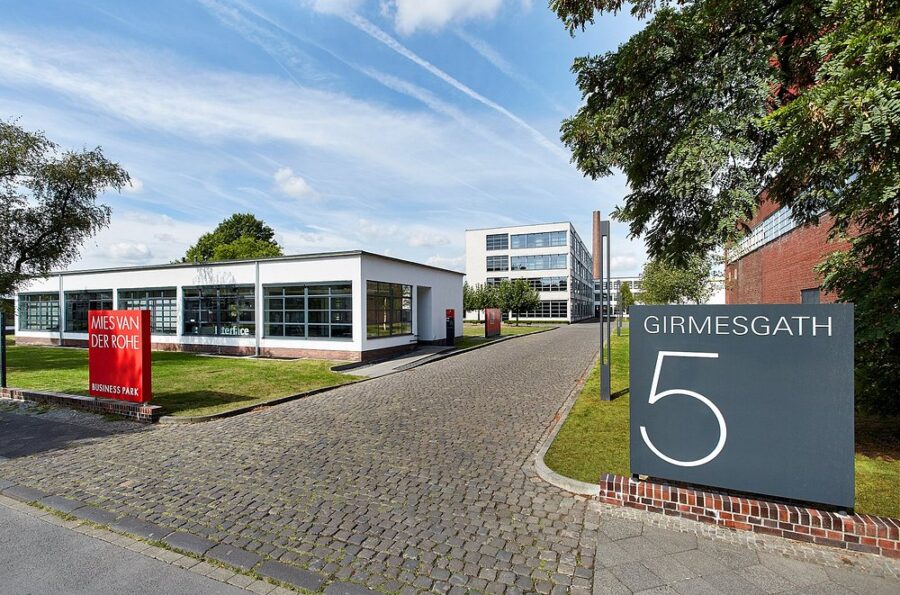
Mies van der Rohe Business Park GmbH & Co. KG
Find Accommodations Nearby
Recommended Tours & Activities
Visitor Reviews
There are no reviews yet. Be the first one to write one.
Share Your Experience
Have you visited German Textile Museum? Help other travelers by leaving a review.