
Fussa
About Fussa
Description
Let me tell you a little secret—Fussa isn’t your typical “tick the boxes and move on” tourist spot. Tucked away—yet surprisingly easy to reach—Fussa sits on the very western edge of the Tokyo Metropolis. This place is nothing like the blaring heart of Shibuya; instead, it’s got its own pulse, running at a wonderfully slower, more local pace. Imagine a city where daily life marches on in the shadow of big city Tokyo, only folks here seem to take their time and enjoy the little things more. As of last check, about 56,000 people call it home, and they sure seem to like keeping things cozy. It’s easy to get around, with less than 11 square kilometers to explore.
What stands out about Fussa (and maybe surprised me most during my first visit) is the unique blend: classic Japanese charm next to a hefty dose of American culture. And there’s a reason for that—the US Air Force Yokota Base. The base has shaped the area in ways you can’t really “get” until you’re walking the streets, eyeing American-style diners next door to ramen joints, or hearing snippets of both Japanese and English in the markets. I was once lured into a small café by the smell of old-school apple pie one minute, and then, minutes later, chatting with a bicycle repairman about the best local sake breweries. It’s an unvarnished slice of everyday Tokyo life, layered with influences and quirks that make it way more than just another stop on the JR line.
Key Features
- Cultural Crossover: Fussa’s international vibe springs straight from the Yokota Air Base. Expect to find thrift shops, authentic American burger joints, and annual Friendship Festivals where you actually mingle with locals and the US community—just don’t forget your camera, you’ll want a snap or two.
- Tamagawa River Escapes: The Tama River, winding its way through the city, offers riverside cycling, running trails, and cherry blossom viewing. If you’re into picnics, this is a hidden spot loved by locals (and, honestly, one of mine for taking a breather).
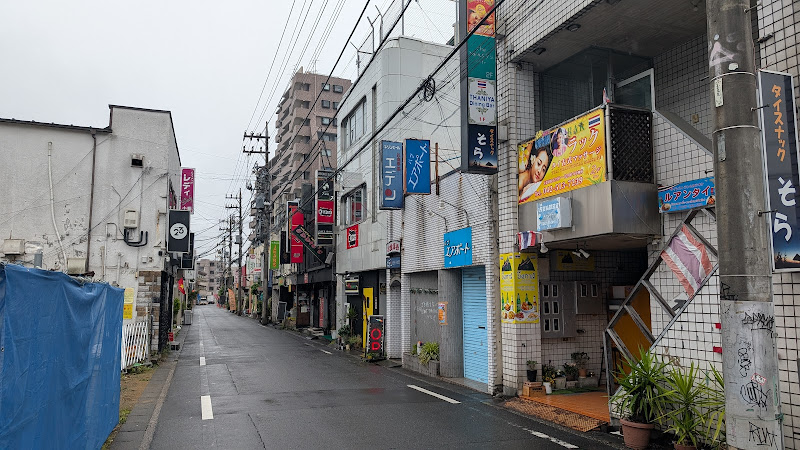
- Shops with Personality: Forget the big brands—expect tattoo studios, quirky used clothing shops, hobby stores, and places that look straight out of a 1980s movie. Best thing is, you never really know what oddball treasure you’ll find next.
- Sake Brewery History: Raise a glass to Tamura Shuzoujou, one of Tokyo’s oldest sake breweries. Not only can you taste local sake, but you can stroll through their historic grounds. Go on a quiet day, and you might end up chatting with a brewmaster about koji mold—if you’re as nerdy about sake as I am, anyway.
- Seasonal Festivals & Markets: Fussa loves a neighborhood party. Whether it’s the lively Tanabata festival in summer or the Christmas lights that pop up along Fussa’s main streets, it always feels like the community comes out to celebrate together.
- Laid-Back Nightlife: The stretch known as “Bar Row” (Harmonica Alley-style) is a maze of tiny bars, jazz clubs, and pubs where you can chat with off-duty base workers or find yourself singing (badly) at a local karaoke joint.
- Accessible Nature: While you’re not out in the wild, you’ve still got mountain hikes like in Okutama just a train ride away, plus Fussa Sports Park for fresh air and space to stretch your legs. Sometimes feels like Tokyo’s backyard.
Best Time to Visit
I’ll level with you—Fussa isn’t the kind of place that’s crammed in any one season, but knowing when to swing by can make a world of difference. Spring (late March to early April) is hands-down magical with the cherry blossoms flowering along the Tama River. If you love sakura, aim for this window—bring a picnic blanket, pick up snacks from a conbini, and do what the locals do: plop down under the blooms and watch the world go by. The sense of community then is something that sticks with you.
Summer has the Fussa Tanabata Festival—think vibrant star decorations, food stalls, music, and that “everyone’s in on it” feeling. Just be ready for heat and humidity, Tokyo-style. Autumn is subtle here but the riverbanks glow gold, perfect for cycling or photos—the air’s just crisp enough for comfort. Winters are not harsh, but it’s cozy: Christmas lights near the base, steaming mugs of cocoa at little cafés, fewer crowds, and a more relaxed pace. If you ask me, Fussa in the cold feels almost like a secret club that only the in-the-know get to. Even if you come for a day trip, every season has its charm, promise.
How to Get There
Getting to Fussa is a breeze—and you don’t need to be a Tokyo train veteran to pull it off. The JR Ome Line is your golden ticket: just hop on from Shinjuku Station, ride west for about 45 minutes, and voila, you’re there. No confusing transfers or wrestling luggage across stations. If you’re lucky (and nab a window seat), you’ll catch Tokyo’s landscape changing before your eyes—from city bustle to leafy suburbs. Sort of a microcosm of Japan in one train ride.
Taxis and buses do operate, but honestly, walking and cycling are best for soaking in the sights once you arrive. If you’re driving, parking’s doable but can fill up fast near festivals or the river on sunny weekends. I once missed out on a riverside lunch because I assumed I’d easily find parking—learn from my rookie move and aim for early morning if you’re on four wheels. You’ll thank yourself later, trust me.
Tips for Visiting
- Blend In, Don’t Stand Out: Americans and Japanese have built this soft harmony here, and polite curiosity is your best friend. Strike up conversations—you’ll often get restaurant or sightseeing advice you won’t find online.
- Cash Is King (Still!): Many independent businesses, vintage shops, and the smaller food joints don’t always accept cards. Always have a stash of yen, just in case (yes, I’ve learned this the awkward way, fumbling for coins at a mom-and-pop curry shop).
- Try the Unexpected: Skip chain restaurants and try a local joint—burgers, ramen, Filipino bakeries, or old café lunch sets. Your belly will thank you. The sake brewery is genuinely a can’t-miss; even if you’re not a sake buff, the cultural peek behind the scenes is worth it.
- Mind the Base Schedule: Some festivals and events sync up with the US base or close roads. Check ahead if you’re planning a visit during big events so you’re not caught off guard. (Last time I went with friends, we stumbled on a US-Japan block party that made the whole trip!)
- Cycling Wins: The flat landscape and bike rentals near Fussa station make cycling super easy. Pack a reusable water bottle, sunscreen, and a sense of adventure. You can cover the city and riverside at your own pace (also, cycling = best people-watching).
- Plan a Stopover: If you’re headed out to Okutama or Mount Mitake for hiking, Fussa’s the perfect pit stop for lunch, coffee, or stretch break. Sometimes a detour here means you’ll discover a new favorite dessert or antique shop—honestly, it’s happened to me more than once.
- Seasonal Goodies: Local places switch up their menus and events by the season. Pretty much every bakery or izakaya has limited-time treats tied to the time of year, so ask what’s popular while you’re there. Sometimes the best memories come from the unexpected bites.
All in all, Fussa is far more than an afterthought—it’s a lived-in, local-centric slice of Tokyo, bringing the US and Japan together in unexpected ways. Whether you’re making a day trip, on your way to the mountains, or chasing down a killer burger with a side of cherry blossoms, go ahead… slow down. Look around. You just might catch a side of Tokyo most visitors fly past, and—if you’re anything like me—you’ll find yourself itching to come back for more.
Key Features
- Key Features
- Best Time to Visit
- How to Get There
- Tips for Visiting
More Details
Updated June 6, 2025
Table of Contents
Description
Let me tell you a little secret—Fussa isn’t your typical “tick the boxes and move on” tourist spot. Tucked away—yet surprisingly easy to reach—Fussa sits on the very western edge of the Tokyo Metropolis. This place is nothing like the blaring heart of Shibuya; instead, it’s got its own pulse, running at a wonderfully slower, more local pace. Imagine a city where daily life marches on in the shadow of big city Tokyo, only folks here seem to take their time and enjoy the little things more. As of last check, about 56,000 people call it home, and they sure seem to like keeping things cozy. It’s easy to get around, with less than 11 square kilometers to explore.
What stands out about Fussa (and maybe surprised me most during my first visit) is the unique blend: classic Japanese charm next to a hefty dose of American culture. And there’s a reason for that—the US Air Force Yokota Base. The base has shaped the area in ways you can’t really “get” until you’re walking the streets, eyeing American-style diners next door to ramen joints, or hearing snippets of both Japanese and English in the markets. I was once lured into a small café by the smell of old-school apple pie one minute, and then, minutes later, chatting with a bicycle repairman about the best local sake breweries. It’s an unvarnished slice of everyday Tokyo life, layered with influences and quirks that make it way more than just another stop on the JR line.
Key Features
- Cultural Crossover: Fussa’s international vibe springs straight from the Yokota Air Base. Expect to find thrift shops, authentic American burger joints, and annual Friendship Festivals where you actually mingle with locals and the US community—just don’t forget your camera, you’ll want a snap or two.
- Tamagawa River Escapes: The Tama River, winding its way through the city, offers riverside cycling, running trails, and cherry blossom viewing. If you’re into picnics, this is a hidden spot loved by locals (and, honestly, one of mine for taking a breather).
- Shops with Personality: Forget the big brands—expect tattoo studios, quirky used clothing shops, hobby stores, and places that look straight out of a 1980s movie. Best thing is, you never really know what oddball treasure you’ll find next.
- Sake Brewery History: Raise a glass to Tamura Shuzoujou, one of Tokyo’s oldest sake breweries. Not only can you taste local sake, but you can stroll through their historic grounds. Go on a quiet day, and you might end up chatting with a brewmaster about koji mold—if you’re as nerdy about sake as I am, anyway.
- Seasonal Festivals & Markets: Fussa loves a neighborhood party. Whether it’s the lively Tanabata festival in summer or the Christmas lights that pop up along Fussa’s main streets, it always feels like the community comes out to celebrate together.
- Laid-Back Nightlife: The stretch known as “Bar Row” (Harmonica Alley-style) is a maze of tiny bars, jazz clubs, and pubs where you can chat with off-duty base workers or find yourself singing (badly) at a local karaoke joint.
- Accessible Nature: While you’re not out in the wild, you’ve still got mountain hikes like in Okutama just a train ride away, plus Fussa Sports Park for fresh air and space to stretch your legs. Sometimes feels like Tokyo’s backyard.
Best Time to Visit
I’ll level with you—Fussa isn’t the kind of place that’s crammed in any one season, but knowing when to swing by can make a world of difference. Spring (late March to early April) is hands-down magical with the cherry blossoms flowering along the Tama River. If you love sakura, aim for this window—bring a picnic blanket, pick up snacks from a conbini, and do what the locals do: plop down under the blooms and watch the world go by. The sense of community then is something that sticks with you.
Summer has the Fussa Tanabata Festival—think vibrant star decorations, food stalls, music, and that “everyone’s in on it” feeling. Just be ready for heat and humidity, Tokyo-style. Autumn is subtle here but the riverbanks glow gold, perfect for cycling or photos—the air’s just crisp enough for comfort. Winters are not harsh, but it’s cozy: Christmas lights near the base, steaming mugs of cocoa at little cafés, fewer crowds, and a more relaxed pace. If you ask me, Fussa in the cold feels almost like a secret club that only the in-the-know get to. Even if you come for a day trip, every season has its charm, promise.
How to Get There
Getting to Fussa is a breeze—and you don’t need to be a Tokyo train veteran to pull it off. The JR Ome Line is your golden ticket: just hop on from Shinjuku Station, ride west for about 45 minutes, and voila, you’re there. No confusing transfers or wrestling luggage across stations. If you’re lucky (and nab a window seat), you’ll catch Tokyo’s landscape changing before your eyes—from city bustle to leafy suburbs. Sort of a microcosm of Japan in one train ride.
Taxis and buses do operate, but honestly, walking and cycling are best for soaking in the sights once you arrive. If you’re driving, parking’s doable but can fill up fast near festivals or the river on sunny weekends. I once missed out on a riverside lunch because I assumed I’d easily find parking—learn from my rookie move and aim for early morning if you’re on four wheels. You’ll thank yourself later, trust me.
Tips for Visiting
- Blend In, Don’t Stand Out: Americans and Japanese have built this soft harmony here, and polite curiosity is your best friend. Strike up conversations—you’ll often get restaurant or sightseeing advice you won’t find online.
- Cash Is King (Still!): Many independent businesses, vintage shops, and the smaller food joints don’t always accept cards. Always have a stash of yen, just in case (yes, I’ve learned this the awkward way, fumbling for coins at a mom-and-pop curry shop).
- Try the Unexpected: Skip chain restaurants and try a local joint—burgers, ramen, Filipino bakeries, or old café lunch sets. Your belly will thank you. The sake brewery is genuinely a can’t-miss; even if you’re not a sake buff, the cultural peek behind the scenes is worth it.
- Mind the Base Schedule: Some festivals and events sync up with the US base or close roads. Check ahead if you’re planning a visit during big events so you’re not caught off guard. (Last time I went with friends, we stumbled on a US-Japan block party that made the whole trip!)
- Cycling Wins: The flat landscape and bike rentals near Fussa station make cycling super easy. Pack a reusable water bottle, sunscreen, and a sense of adventure. You can cover the city and riverside at your own pace (also, cycling = best people-watching).
- Plan a Stopover: If you’re headed out to Okutama or Mount Mitake for hiking, Fussa’s the perfect pit stop for lunch, coffee, or stretch break. Sometimes a detour here means you’ll discover a new favorite dessert or antique shop—honestly, it’s happened to me more than once.
- Seasonal Goodies: Local places switch up their menus and events by the season. Pretty much every bakery or izakaya has limited-time treats tied to the time of year, so ask what’s popular while you’re there. Sometimes the best memories come from the unexpected bites.
All in all, Fussa is far more than an afterthought—it’s a lived-in, local-centric slice of Tokyo, bringing the US and Japan together in unexpected ways. Whether you’re making a day trip, on your way to the mountains, or chasing down a killer burger with a side of cherry blossoms, go ahead… slow down. Look around. You just might catch a side of Tokyo most visitors fly past, and—if you’re anything like me—you’ll find yourself itching to come back for more.
Key Highlights
- Key Features
- Best Time to Visit
- How to Get There
- Tips for Visiting
Location
Places to Stay Near Fussa
Find and Book a Tour
Explore More Travel Guides
No reviews found! Be the first to review!
Traveler Reviews for Fussa
There are no reviews yet. Be the first one to write one.
Have you visited Fussa? Help other travelers by sharing your review.
You Might Also Like
Fussa Fudo-son

Kumagawa Shrine

Haragayato Donguri Park
Find Accommodations Nearby
Recommended Tours & Activities
Visitor Reviews
There are no reviews yet. Be the first one to write one.
Share Your Experience
Have you visited Fussa? Help other travelers by leaving a review.