
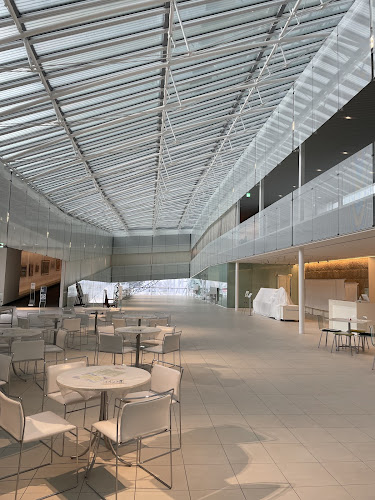
Fujiyama Museum
About Fujiyama Museum
Description
The Fujiyama Museum is an art destination that reads like a love letter to Mount Fuji, presented through modern and contemporary paintings in a surprisingly airy, light-filled gallery. Visitors will find a focused collection: canvases, mixed-media pieces and installations that interpret the mountain not just as a landmark, but as a cultural symbol, a meteorological mood, and sometimes a playful character. What makes the place stick in the memory is the live stream of the peak projected within the gallery — a quiet, slightly surreal loop of the real mountain coexisting with artists’ imagined versions. It is the kind of museum that encourages slow looking; people tend to linger, to compare brushstrokes to clouds, and to step outside and then back in to see how the light has shifted.
The layout is intentionally simple. Wide walkways, minimal partitions, and large windows make each painting breathe. Natural light is used carefully, so many works are shown in palettes that change across the day — morning blue that leans cool, golden hours that warm the whites, dusk that deepens shadows. This design choice is part museum curatorial decision, part theatrical device: the mountain is never the same twice, and the museum plays that up. The galleries are accessible to visitors with mobility needs, with a wheelchair-accessible entrance, accessible parking and restrooms that genuinely work for most users — not the token tiny stall that some places hide behind a corridor. That practical inclusivity makes a big difference, especially for families and older travelers who appreciate when a visit feels easy and not exhausting.
Atmosphere matters here. There are no massive crowds like at larger national museums; most visitors report a measured, contemplative pace. Yet, because of the museum’s location—close to popular Fuji attractions and family entertainment areas—there are bursts of energy midday: school groups, tourists on day trips, and art-minded hikers stopping by after a morning trek. The tone of the reviews and visitor chatter tends to be balanced: many folks praise the clarity of the curatorial voice and the intimacy of the gallery experience; some note it’s compact and that a dedicated Fuji art lover might breeze through faster than expected. In short, it’s a place to enjoy if one embraces a focused collection rather than expecting a sprawling encyclopedic museum.
Practical things matter to travelers, so here are a few realities worth knowing that the guidebooks sometimes glaze over. The museum’s exhibitions rotate between established and emerging artists, so repeat visitors can catch fresh perspectives across different seasons. The live-stream viewing area is a small but luminous room; when the weather is dramatic — sudden snow on the summit, or Mt. Fuji crowned with a halo cloud — the live feed becomes unexpectedly entrancing, turning the room into a quiet observatory. The museum also tends to host special displays that pair historical ukiyo-e motifs with contemporary reinterpretations, which is a neat way to see how the mountain’s image evolved over centuries. Those side-by-side contrasts are little aha moments for visitors who think they came just to see paintings but leave having felt they understood a cultural lineage a bit better.
There are a few subtle things that seasoned travelers appreciate and that staff try to get right: seating placed for viewing key works, low-reflection glass on framed pieces, and short interpretive labels that give context without lecturing. Audio guides are sometimes available; when they are, they’re concise and avoid the trap of over-explaining. The museum’s restroom facilities are clean and adequate — yes, this is boring to note, but for many travelers that's a relief when planning a half-day visit. There are no extensive cafe facilities inside the main gallery (so don’t expect a full-service restaurant), but simple amenities support a comfortable stay.
The Fujiyama Museum doesn’t try to be everything. It stakes a clear claim: to showcase modern and contemporary portrayals of Mount Fuji in a setting that privileges light, view, and atmosphere. That focused identity means the visit feels purposeful. For photographers and sketchers, the museum offers visual puzzles: how does an artist render the snowline, the mauve shoulder of the mountain at dusk, or the weather that folds the summit in white? Those details are worth lingering over. For families, the pace is manageable: artworks are large and graphic enough to interest children, and the live stream acts as a little entertainment interlude when young visitors need a visual change.
The author once visited on a gray spring afternoon, expecting tepid light and damp moods, and instead found a tiny, unexpected show of sunlight that crawled across several canvases and made the live-feed summit appear to steam. He watched an elderly couple whisper to each other in Japanese, pointing at brushwork, and later saw a group of teenagers sketching furiously. Moments like that — the chance to witness different people connecting with the same images — are why this museum lingers in memory. It’s not just about the mountain; it’s about seeing how others see it, and then realizing how one’s own eye has shifted too.
For planning purposes, a typical visit lasts about 45 minutes to 90 minutes depending on the depth of interest. Art lovers and photographers will spend more time; those on a tighter sightseeing schedule often pair this stop with nearby attractions and make it a tidy 30- to 40-minute detour. Because of its smaller footprint, the museum is well-suited to boutique visits rather than marathon, whole-day museum crawls. And that’s fine — the experience is deliberate: quality of time over quantity of content.
Accessibility and thoughtful details elevate the visit beyond just aesthetics. The museum’s staff are generally known to be helpful, though language options can be limited depending on the season — English signage tends to be present for major exhibits, but for special local shows the translations may be brief. People traveling with mobility aids report an easy entry experience and straightforward navigation once inside, which, again, is worth stressing because not every small museum plans for this so well. There’s an overall sense of being cared for without feeling over-managed; visitors can explore at their own pace, and the museum returns the favor by keeping circulation smooth and the exhibit rooms orderly.
Economically minded travelers will like that the museum’s modest scale often translates to reasonable admission prices. It does not compete with big-city institutions for blockbuster budgets, and that shows in the selection: thoughtful, curated choices rather than a crowd-pleasing greatest-hits tour. And that kind of restraint can be surprisingly refreshing; it invites curiosity instead of overwhelming the senses.
Finally, a couple of honest caveats. The collection is focused, so those expecting encyclopedic surveys of Japanese art will need to adjust expectations. Also, because the live stream feature is weather-dependent, the peak’s spectacle can vary — sometimes it’s poetic and clear, other times it’s fogged or blanketed in cloud. That variability is part of the charm for many visitors, but it’s worth noting for planners who want a guaranteed wow moment. Despite these small limitations, the museum consistently offers a memorable, contemplative look at Mount Fuji through contemporary eyes.
In short, the Fujiyama Museum is best suited to travelers who appreciate curated, concept-driven exhibitions and who enjoy pairing art with place. It’s a museum for people who like to think while they look, and who don’t mind that a powerful experience sometimes comes in a compact package. The gallery’s atmosphere, accessible facilities, and the unusual decision to include a live stream of the mountain create a distinctive visit that lingers — an echo, perhaps, of the mountain itself.
Key Features
More Details
Updated August 30, 2025
Table of Contents
Description
The Fujiyama Museum is an art destination that reads like a love letter to Mount Fuji, presented through modern and contemporary paintings in a surprisingly airy, light-filled gallery. Visitors will find a focused collection: canvases, mixed-media pieces and installations that interpret the mountain not just as a landmark, but as a cultural symbol, a meteorological mood, and sometimes a playful character. What makes the place stick in the memory is the live stream of the peak projected within the gallery — a quiet, slightly surreal loop of the real mountain coexisting with artists’ imagined versions. It is the kind of museum that encourages slow looking; people tend to linger, to compare brushstrokes to clouds, and to step outside and then back in to see how the light has shifted.
The layout is intentionally simple. Wide walkways, minimal partitions, and large windows make each painting breathe. Natural light is used carefully, so many works are shown in palettes that change across the day — morning blue that leans cool, golden hours that warm the whites, dusk that deepens shadows. This design choice is part museum curatorial decision, part theatrical device: the mountain is never the same twice, and the museum plays that up. The galleries are accessible to visitors with mobility needs, with a wheelchair-accessible entrance, accessible parking and restrooms that genuinely work for most users — not the token tiny stall that some places hide behind a corridor. That practical inclusivity makes a big difference, especially for families and older travelers who appreciate when a visit feels easy and not exhausting.
Atmosphere matters here. There are no massive crowds like at larger national museums; most visitors report a measured, contemplative pace. Yet, because of the museum’s location—close to popular Fuji attractions and family entertainment areas—there are bursts of energy midday: school groups, tourists on day trips, and art-minded hikers stopping by after a morning trek. The tone of the reviews and visitor chatter tends to be balanced: many folks praise the clarity of the curatorial voice and the intimacy of the gallery experience; some note it’s compact and that a dedicated Fuji art lover might breeze through faster than expected. In short, it’s a place to enjoy if one embraces a focused collection rather than expecting a sprawling encyclopedic museum.
Practical things matter to travelers, so here are a few realities worth knowing that the guidebooks sometimes glaze over. The museum’s exhibitions rotate between established and emerging artists, so repeat visitors can catch fresh perspectives across different seasons. The live-stream viewing area is a small but luminous room; when the weather is dramatic — sudden snow on the summit, or Mt. Fuji crowned with a halo cloud — the live feed becomes unexpectedly entrancing, turning the room into a quiet observatory. The museum also tends to host special displays that pair historical ukiyo-e motifs with contemporary reinterpretations, which is a neat way to see how the mountain’s image evolved over centuries. Those side-by-side contrasts are little aha moments for visitors who think they came just to see paintings but leave having felt they understood a cultural lineage a bit better.
There are a few subtle things that seasoned travelers appreciate and that staff try to get right: seating placed for viewing key works, low-reflection glass on framed pieces, and short interpretive labels that give context without lecturing. Audio guides are sometimes available; when they are, they’re concise and avoid the trap of over-explaining. The museum’s restroom facilities are clean and adequate — yes, this is boring to note, but for many travelers that’s a relief when planning a half-day visit. There are no extensive cafe facilities inside the main gallery (so don’t expect a full-service restaurant), but simple amenities support a comfortable stay.
The Fujiyama Museum doesn’t try to be everything. It stakes a clear claim: to showcase modern and contemporary portrayals of Mount Fuji in a setting that privileges light, view, and atmosphere. That focused identity means the visit feels purposeful. For photographers and sketchers, the museum offers visual puzzles: how does an artist render the snowline, the mauve shoulder of the mountain at dusk, or the weather that folds the summit in white? Those details are worth lingering over. For families, the pace is manageable: artworks are large and graphic enough to interest children, and the live stream acts as a little entertainment interlude when young visitors need a visual change.
The author once visited on a gray spring afternoon, expecting tepid light and damp moods, and instead found a tiny, unexpected show of sunlight that crawled across several canvases and made the live-feed summit appear to steam. He watched an elderly couple whisper to each other in Japanese, pointing at brushwork, and later saw a group of teenagers sketching furiously. Moments like that — the chance to witness different people connecting with the same images — are why this museum lingers in memory. It’s not just about the mountain; it’s about seeing how others see it, and then realizing how one’s own eye has shifted too.
For planning purposes, a typical visit lasts about 45 minutes to 90 minutes depending on the depth of interest. Art lovers and photographers will spend more time; those on a tighter sightseeing schedule often pair this stop with nearby attractions and make it a tidy 30- to 40-minute detour. Because of its smaller footprint, the museum is well-suited to boutique visits rather than marathon, whole-day museum crawls. And that’s fine — the experience is deliberate: quality of time over quantity of content.
Accessibility and thoughtful details elevate the visit beyond just aesthetics. The museum’s staff are generally known to be helpful, though language options can be limited depending on the season — English signage tends to be present for major exhibits, but for special local shows the translations may be brief. People traveling with mobility aids report an easy entry experience and straightforward navigation once inside, which, again, is worth stressing because not every small museum plans for this so well. There’s an overall sense of being cared for without feeling over-managed; visitors can explore at their own pace, and the museum returns the favor by keeping circulation smooth and the exhibit rooms orderly.
Economically minded travelers will like that the museum’s modest scale often translates to reasonable admission prices. It does not compete with big-city institutions for blockbuster budgets, and that shows in the selection: thoughtful, curated choices rather than a crowd-pleasing greatest-hits tour. And that kind of restraint can be surprisingly refreshing; it invites curiosity instead of overwhelming the senses.
Finally, a couple of honest caveats. The collection is focused, so those expecting encyclopedic surveys of Japanese art will need to adjust expectations. Also, because the live stream feature is weather-dependent, the peak’s spectacle can vary — sometimes it’s poetic and clear, other times it’s fogged or blanketed in cloud. That variability is part of the charm for many visitors, but it’s worth noting for planners who want a guaranteed wow moment. Despite these small limitations, the museum consistently offers a memorable, contemplative look at Mount Fuji through contemporary eyes.
In short, the Fujiyama Museum is best suited to travelers who appreciate curated, concept-driven exhibitions and who enjoy pairing art with place. It’s a museum for people who like to think while they look, and who don’t mind that a powerful experience sometimes comes in a compact package. The gallery’s atmosphere, accessible facilities, and the unusual decision to include a live stream of the mountain create a distinctive visit that lingers — an echo, perhaps, of the mountain itself.
Key Highlights
Fujiyama Museum
Location
Places to Stay Near Fujiyama Museum
Find and Book a Tour
Explore More Travel Guides
No reviews found! Be the first to review!
Traveler Reviews for Fujiyama Museum
There are no reviews yet. Be the first one to write one.
Have you visited Fujiyama Museum? Help other travelers by sharing your review.
You Might Also Like
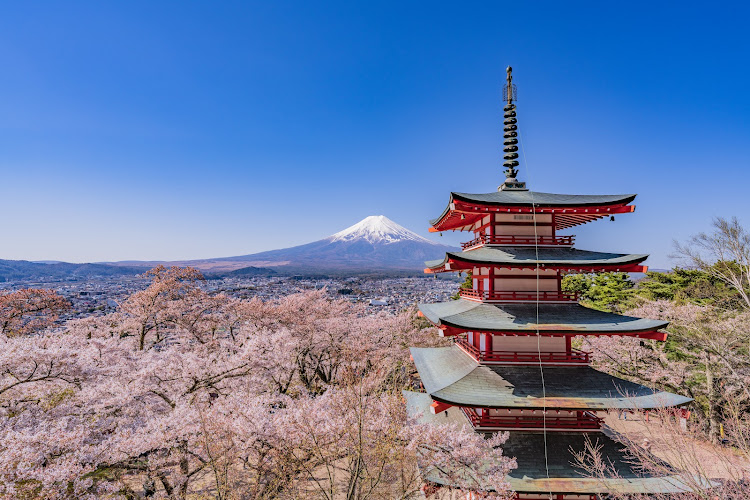
Arakurayama Sengen Park
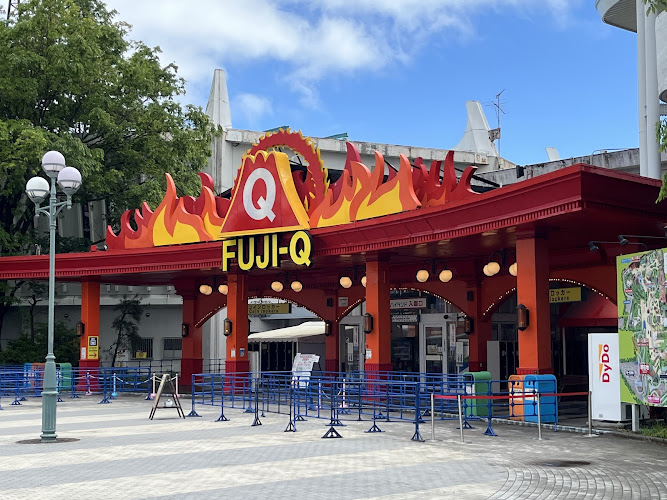
Fuji-Q Highland
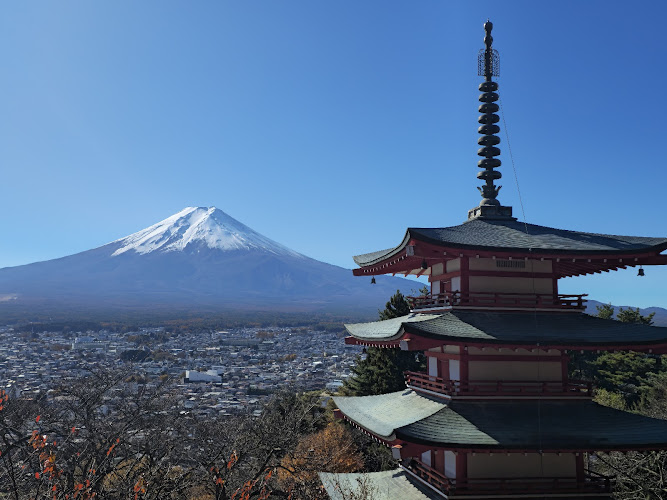
Arakura Fuji Sengen Shrine
Find Accommodations Nearby
Recommended Tours & Activities
Visitor Reviews
There are no reviews yet. Be the first one to write one.
Share Your Experience
Have you visited Fujiyama Museum? Help other travelers by leaving a review.