
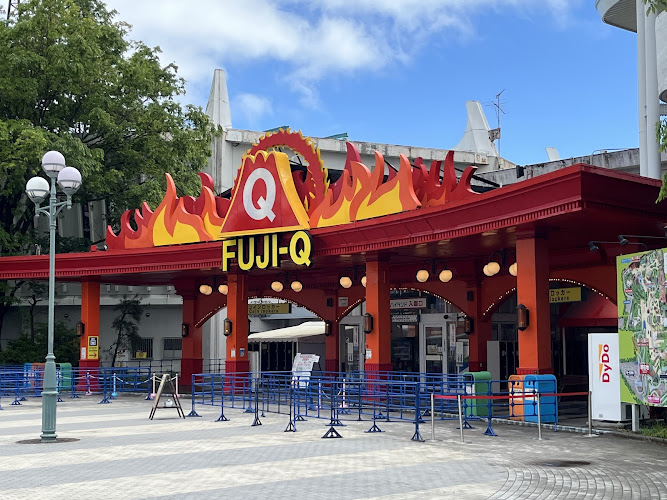
Fuji-Q Highland
About Fuji-Q Highland
Description
Fuji-Q Highland stands as one of Japan's most thrilling amusement parks, positioned with jaw-dropping views of Mount Fuji that'll make your heart race even before you board a single ride. This isn't your average theme park experience—it's where engineering meets pure adrenaline, where the screams echo across the valley, and where even seasoned thrill-seekers find themselves questioning their life choices in the best possible way. The park has built its reputation on pushing boundaries. We're talking about record-breaking roller coasters that have held world records for speed, height, and sheer terror-inducing drops. But don't let that intimidate you completely—there's actually a surprising amount of diversity here. Sure, the park screams "extreme" from every corner, but families with younger kids won't feel left out, and even those who prefer keeping their feet closer to the ground can find plenty to enjoy. What strikes visitors first is the surreal backdrop. Imagine plummeting from dizzying heights with Japan's most iconic mountain watching your every terrified expression. It's the kind of setting that makes your Instagram followers both jealous and concerned for your wellbeing. The park sprawls across a considerable area, meaning you'll want to wear comfortable shoes because between the walking and the weak knees from certain attractions, your legs will definitely know they've had a workout. The atmosphere here differs from other Japanese theme parks. While places like Tokyo Disneyland focus on magic and fantasy, Fuji-Q Highland embraces the raw thrill of extreme experiences. And honestly? That commitment to intensity is refreshing. The park doesn't apologize for being intense—it celebrates it.Key Features
The attractions at Fuji-Q Highland represent some of the most impressive feats of amusement park engineering you'll find anywhere in the world. Here's what makes this place stand out:- Legendary Roller Coasters: The park houses multiple record-breaking coasters including Fujiyama, once the world's tallest coaster, and Takabisha, which features a 121-degree freefall that defies your understanding of physics and gravity
- Haunted Attractions: Beyond the coasters, Fuji-Q Highland operates some seriously elaborate haunted attractions that have grown quite famous—these aren't quick walk-throughs but full experiences that can last 30-50 minutes and genuinely unsettle even skeptics
- Thomas Land: A dedicated area for younger visitors featuring the beloved Thomas the Tank Engine character, complete with gentler rides and attractions that won't traumatize the little ones
- Full Accessibility Features: The park provides wheelchair rentals, accessible restrooms, parking, and entrances, making it more inclusive than many international theme parks of similar scale
- On-site Dining and Shopping: Multiple restaurants, cafes, and retail locations scattered throughout, so you can refuel between adrenaline hits or grab souvenirs to prove you survived
- Arcade Games and Alternative Entertainment: For when you need a break from the intense rides, arcade areas provide classic Japanese gaming experiences
- Live Performances: Seasonal shows and character appearances add another dimension beyond just the rides themselves
- Baggage Storage Facilities: Essential for international travelers who might be visiting between destinations—you won't need to lug everything onto a roller coaster
- Modern Payment Systems: Accepts virtually every payment method including IC cards, mobile payments, and international credit cards, which honestly makes life so much easier
Best Time to Visit
Timing your visit to Fuji-Q Highland can literally make or break your experience. I've heard too many stories of people showing up on peak days and spending more time in queues than actually experiencing rides. Weekdays outside Japanese school holidays are absolutely your best bet. The difference between a Tuesday in early June versus a Saturday in August is night and day. We're talking wait times that might be 15-30 minutes on quiet days versus potentially 2-3 hours for the most popular attractions during peak periods. And trust me, standing in line for three hours in summer heat or winter cold isn't anyone's idea of fun. Spring and autumn offer the sweet spot for weather conditions. Spring brings the possibility of seeing cherry blossoms with Mount Fuji in the background—though you'll compete with more crowds during sakura season, particularly in late March through early April. Autumn, especially October through early November, provides crisp weather that's perfect for standing in outdoor queues without overheating or freezing. Summer gets brutally hot and humid. Plus, Japanese schools break for summer vacation, meaning the park swells with visitors. If you must visit in summer, arrive right when gates open and prioritize the most popular rides first. But honestly, if you have flexibility, skip July and August entirely. Winter presents an interesting option. Sure, it's cold, but crowds thin considerably, and there's something magical about riding roller coasters with snow-capped Fuji looming large. Just bundle up properly because wind chill at high speeds is no joke. One trick I wish more people knew: check Japanese school calendars and national holidays before booking. Golden Week (late April to early May), Obon in August, and New Year periods transform the park into an absolute mob scene. Avoid these periods unless you enjoy close personal relationships with thousands of strangers. Weather visibility matters too. Mount Fuji hides behind clouds frequently, particularly during summer months. Winter actually offers clearer views on average. If that iconic mountain backdrop matters to your experience (and let's be honest, it should), factor this into your planning.How to Get There
Getting to Fuji-Q Highland requires some planning, but it's not nearly as complicated as some international visitors fear. The park sits in Yamanashi Prefecture, roughly between Tokyo and the Mount Fuji area. By train, you've got direct highway bus services from major Tokyo stations including Shinjuku, Tokyo, and Shibuya. These buses run multiple times daily and take around 90-120 minutes depending on traffic. The convenience factor here is huge—you board in central Tokyo and step off basically at the park entrance. No transfers, no dragging luggage through crowded stations. Plus, you can book these online in advance, which I'd strongly recommend during busy seasons. The train option involves taking the Fujikyuko Line to Fuji-Q Highland Station, which sits right next to the park. However, you'll need to transfer at Otsuki Station from the JR Chuo Line. It's doable and potentially cheaper depending on your rail pass situation, but definitely takes longer and requires more mental energy navigating connections. If you're driving, the park offers paid parking on-site. The Chuo Expressway from Tokyo takes roughly 90 minutes in good traffic, though weekends and holidays can extend that considerably. Having a car gives you flexibility to explore the surrounding Fuji Five Lakes area, which honestly deserves more than just a day trip itself. Some visitors combine Fuji-Q Highland with stays at nearby lakeside towns like Kawaguchiko or Yamanakako. This approach makes sense if you want to experience Mount Fuji more thoroughly rather than just using it as a roller coaster backdrop. You can find accommodations ranging from budget hostels to traditional ryokan inns in these areas, and local buses connect to the park. International visitors flying into Narita or Haneda airports can technically reach the park the same day, but I wouldn't recommend it unless you're some kind of jet-lag superhero. The combination of international flight fatigue and extreme roller coasters sounds like a recipe for regret.Tips for Visiting
Purchase tickets online before you arrive. Seriously, this saves time and sometimes money through early-bird discounts. You'll skip the ticket counter lines and head straight to security, gaining precious minutes when the park opens and crowds are lightest. Download the official park app if you have mobile data access in Japan. The app shows real-time wait times for attractions, which becomes incredibly valuable for strategizing your route through the park. Instead of wandering to a ride only to discover a 90-minute wait, you can make informed decisions and adjust plans on the fly. Arrive before opening time. Gates typically open at 9:00 or 9:30 AM depending on season, and the first hour of operation sees the shortest waits all day. Hard-core enthusiasts show up 30-45 minutes before opening to position themselves at the front. And yes, this actually matters if you want to experience the major coasters without excessive waiting. Prioritize the big coasters first. Rides like Fujiyama, Takabisha, Eejanaika, and Dodonpa (though check if it's operating—it occasionally closes for maintenance) accumulate the longest queues fastest. Hit these in the morning, then work your way to secondary attractions as the day progresses. Consider a Fast Pass or priority ticket system if available. Yes, it costs extra, but if you're traveling internationally and have limited time, the ability to skip regular queues might justify the expense. Calculate whether you value money or time more highly—there's no wrong answer, just different priorities. Bring portable phone chargers. You'll use your phone constantly for photos, checking wait times, and staying connected with your group. Nothing's worse than a dead battery at 2:00 PM with half the day remaining. Stay hydrated but be strategic. The park has restrooms throughout, but exiting a queue for a bathroom break means starting over. Hit restrooms before joining long lines, and pace your beverage intake accordingly. Don't skip the haunted attractions if you're even remotely interested. They're genuinely well-designed and offer a completely different experience from the coasters. Just know they can be intense—some people genuinely can't finish them. Weather in mountain areas changes quickly. Even if Tokyo looks sunny, bring a light jacket. Temperature drops as evening approaches, and wind at altitude makes coasters feel colder than ground temperature suggests. Wear appropriate footwear. You'll walk several miles throughout the day on pavement, plus some rides have requirements about open-toed shoes. Comfortable closed-toe sneakers are your best friend here. If you're prone to motion sickness, plan carefully and bring medication. These rides are intense, and there's no shame in knowing your limits. Better to enjoy a few attractions comfortably than power through everything feeling miserable. Finally, manage expectations about Mount Fuji visibility. If the mountain's hidden behind clouds, don't let it ruin your day. The rides themselves remain world-class regardless of backdrop, and sometimes Fuji peeks out unexpectedly when you least expect it, making those moments even more special.Key Features
- World-class roller coasters: Fujiyama, Eejanaika, Takabisha, Do-Dodonpa
- Stunning views of Mount Fuji from many park vantage points
- Anime and pop-culture themed attractions and collaborations
- Family-friendly rides, indoor attractions and arcades
- Seasonal events, limited-time tickets and photo opportunities
More Details
Updated March 30, 2026
Table of Contents
Description
Fuji-Q Highland stands as one of Japan’s most thrilling amusement parks, positioned with jaw-dropping views of Mount Fuji that’ll make your heart race even before you board a single ride. This isn’t your average theme park experience—it’s where engineering meets pure adrenaline, where the screams echo across the valley, and where even seasoned thrill-seekers find themselves questioning their life choices in the best possible way.
The park has built its reputation on pushing boundaries. We’re talking about record-breaking roller coasters that have held world records for speed, height, and sheer terror-inducing drops. But don’t let that intimidate you completely—there’s actually a surprising amount of diversity here. Sure, the park screams “extreme” from every corner, but families with younger kids won’t feel left out, and even those who prefer keeping their feet closer to the ground can find plenty to enjoy.
What strikes visitors first is the surreal backdrop. Imagine plummeting from dizzying heights with Japan’s most iconic mountain watching your every terrified expression. It’s the kind of setting that makes your Instagram followers both jealous and concerned for your wellbeing. The park sprawls across a considerable area, meaning you’ll want to wear comfortable shoes because between the walking and the weak knees from certain attractions, your legs will definitely know they’ve had a workout.
The atmosphere here differs from other Japanese theme parks. While places like Tokyo Disneyland focus on magic and fantasy, Fuji-Q Highland embraces the raw thrill of extreme experiences. And honestly? That commitment to intensity is refreshing. The park doesn’t apologize for being intense—it celebrates it.
Key Features
The attractions at Fuji-Q Highland represent some of the most impressive feats of amusement park engineering you’ll find anywhere in the world. Here’s what makes this place stand out:
- Legendary Roller Coasters: The park houses multiple record-breaking coasters including Fujiyama, once the world’s tallest coaster, and Takabisha, which features a 121-degree freefall that defies your understanding of physics and gravity
- Haunted Attractions: Beyond the coasters, Fuji-Q Highland operates some seriously elaborate haunted attractions that have grown quite famous—these aren’t quick walk-throughs but full experiences that can last 30-50 minutes and genuinely unsettle even skeptics
- Thomas Land: A dedicated area for younger visitors featuring the beloved Thomas the Tank Engine character, complete with gentler rides and attractions that won’t traumatize the little ones
- Full Accessibility Features: The park provides wheelchair rentals, accessible restrooms, parking, and entrances, making it more inclusive than many international theme parks of similar scale
- On-site Dining and Shopping: Multiple restaurants, cafes, and retail locations scattered throughout, so you can refuel between adrenaline hits or grab souvenirs to prove you survived
- Arcade Games and Alternative Entertainment: For when you need a break from the intense rides, arcade areas provide classic Japanese gaming experiences
- Live Performances: Seasonal shows and character appearances add another dimension beyond just the rides themselves
- Baggage Storage Facilities: Essential for international travelers who might be visiting between destinations—you won’t need to lug everything onto a roller coaster
- Modern Payment Systems: Accepts virtually every payment method including IC cards, mobile payments, and international credit cards, which honestly makes life so much easier
Best Time to Visit
Timing your visit to Fuji-Q Highland can literally make or break your experience. I’ve heard too many stories of people showing up on peak days and spending more time in queues than actually experiencing rides.
Weekdays outside Japanese school holidays are absolutely your best bet. The difference between a Tuesday in early June versus a Saturday in August is night and day. We’re talking wait times that might be 15-30 minutes on quiet days versus potentially 2-3 hours for the most popular attractions during peak periods. And trust me, standing in line for three hours in summer heat or winter cold isn’t anyone’s idea of fun.
Spring and autumn offer the sweet spot for weather conditions. Spring brings the possibility of seeing cherry blossoms with Mount Fuji in the background—though you’ll compete with more crowds during sakura season, particularly in late March through early April. Autumn, especially October through early November, provides crisp weather that’s perfect for standing in outdoor queues without overheating or freezing.
Summer gets brutally hot and humid. Plus, Japanese schools break for summer vacation, meaning the park swells with visitors. If you must visit in summer, arrive right when gates open and prioritize the most popular rides first. But honestly, if you have flexibility, skip July and August entirely.
Winter presents an interesting option. Sure, it’s cold, but crowds thin considerably, and there’s something magical about riding roller coasters with snow-capped Fuji looming large. Just bundle up properly because wind chill at high speeds is no joke.
One trick I wish more people knew: check Japanese school calendars and national holidays before booking. Golden Week (late April to early May), Obon in August, and New Year periods transform the park into an absolute mob scene. Avoid these periods unless you enjoy close personal relationships with thousands of strangers.
Weather visibility matters too. Mount Fuji hides behind clouds frequently, particularly during summer months. Winter actually offers clearer views on average. If that iconic mountain backdrop matters to your experience (and let’s be honest, it should), factor this into your planning.
How to Get There
Getting to Fuji-Q Highland requires some planning, but it’s not nearly as complicated as some international visitors fear. The park sits in Yamanashi Prefecture, roughly between Tokyo and the Mount Fuji area.
By train, you’ve got direct highway bus services from major Tokyo stations including Shinjuku, Tokyo, and Shibuya. These buses run multiple times daily and take around 90-120 minutes depending on traffic. The convenience factor here is huge—you board in central Tokyo and step off basically at the park entrance. No transfers, no dragging luggage through crowded stations. Plus, you can book these online in advance, which I’d strongly recommend during busy seasons.
The train option involves taking the Fujikyuko Line to Fuji-Q Highland Station, which sits right next to the park. However, you’ll need to transfer at Otsuki Station from the JR Chuo Line. It’s doable and potentially cheaper depending on your rail pass situation, but definitely takes longer and requires more mental energy navigating connections.
If you’re driving, the park offers paid parking on-site. The Chuo Expressway from Tokyo takes roughly 90 minutes in good traffic, though weekends and holidays can extend that considerably. Having a car gives you flexibility to explore the surrounding Fuji Five Lakes area, which honestly deserves more than just a day trip itself.
Some visitors combine Fuji-Q Highland with stays at nearby lakeside towns like Kawaguchiko or Yamanakako. This approach makes sense if you want to experience Mount Fuji more thoroughly rather than just using it as a roller coaster backdrop. You can find accommodations ranging from budget hostels to traditional ryokan inns in these areas, and local buses connect to the park.
International visitors flying into Narita or Haneda airports can technically reach the park the same day, but I wouldn’t recommend it unless you’re some kind of jet-lag superhero. The combination of international flight fatigue and extreme roller coasters sounds like a recipe for regret.
Tips for Visiting
Purchase tickets online before you arrive. Seriously, this saves time and sometimes money through early-bird discounts. You’ll skip the ticket counter lines and head straight to security, gaining precious minutes when the park opens and crowds are lightest.
Download the official park app if you have mobile data access in Japan. The app shows real-time wait times for attractions, which becomes incredibly valuable for strategizing your route through the park. Instead of wandering to a ride only to discover a 90-minute wait, you can make informed decisions and adjust plans on the fly.
Arrive before opening time. Gates typically open at 9:00 or 9:30 AM depending on season, and the first hour of operation sees the shortest waits all day. Hard-core enthusiasts show up 30-45 minutes before opening to position themselves at the front. And yes, this actually matters if you want to experience the major coasters without excessive waiting.
Prioritize the big coasters first. Rides like Fujiyama, Takabisha, Eejanaika, and Dodonpa (though check if it’s operating—it occasionally closes for maintenance) accumulate the longest queues fastest. Hit these in the morning, then work your way to secondary attractions as the day progresses.
Consider a Fast Pass or priority ticket system if available. Yes, it costs extra, but if you’re traveling internationally and have limited time, the ability to skip regular queues might justify the expense. Calculate whether you value money or time more highly—there’s no wrong answer, just different priorities.
Bring portable phone chargers. You’ll use your phone constantly for photos, checking wait times, and staying connected with your group. Nothing’s worse than a dead battery at 2:00 PM with half the day remaining.
Stay hydrated but be strategic. The park has restrooms throughout, but exiting a queue for a bathroom break means starting over. Hit restrooms before joining long lines, and pace your beverage intake accordingly.
Don’t skip the haunted attractions if you’re even remotely interested. They’re genuinely well-designed and offer a completely different experience from the coasters. Just know they can be intense—some people genuinely can’t finish them.
Weather in mountain areas changes quickly. Even if Tokyo looks sunny, bring a light jacket. Temperature drops as evening approaches, and wind at altitude makes coasters feel colder than ground temperature suggests.
Wear appropriate footwear. You’ll walk several miles throughout the day on pavement, plus some rides have requirements about open-toed shoes. Comfortable closed-toe sneakers are your best friend here.
If you’re prone to motion sickness, plan carefully and bring medication. These rides are intense, and there’s no shame in knowing your limits. Better to enjoy a few attractions comfortably than power through everything feeling miserable.
Finally, manage expectations about Mount Fuji visibility. If the mountain’s hidden behind clouds, don’t let it ruin your day. The rides themselves remain world-class regardless of backdrop, and sometimes Fuji peeks out unexpectedly when you least expect it, making those moments even more special.
Key Highlights
- World-class roller coasters: Fujiyama, Eejanaika, Takabisha, Do-Dodonpa
- Stunning views of Mount Fuji from many park vantage points
- Anime and pop-culture themed attractions and collaborations
- Family-friendly rides, indoor attractions and arcades
- Seasonal events, limited-time tickets and photo opportunities
Location
Places to Stay Near Fuji-Q Highland
Find and Book a Tour
Explore More Travel Guides
No reviews found! Be the first to review!
Fuji-Q Highland is a prominent attractions located in Fujiyoshida.
Visit us at: 5 Chome-6-1 Shinnishihara, Fujiyoshida, Yamanashi 403-0017, Japon.
Traveler Reviews for Fuji-Q Highland
There are no reviews yet. Be the first one to write one.
Have you visited Fuji-Q Highland? Help other travelers by sharing your review.
Nearby Attractions
You Might Also Like
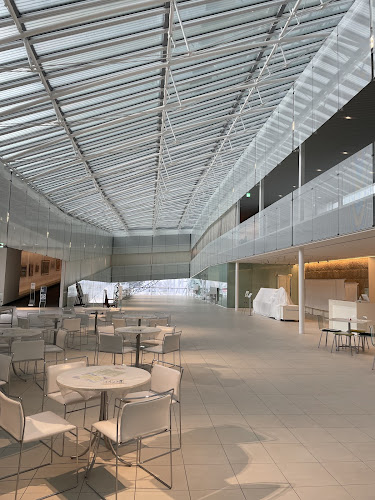
Fujiyama Museum
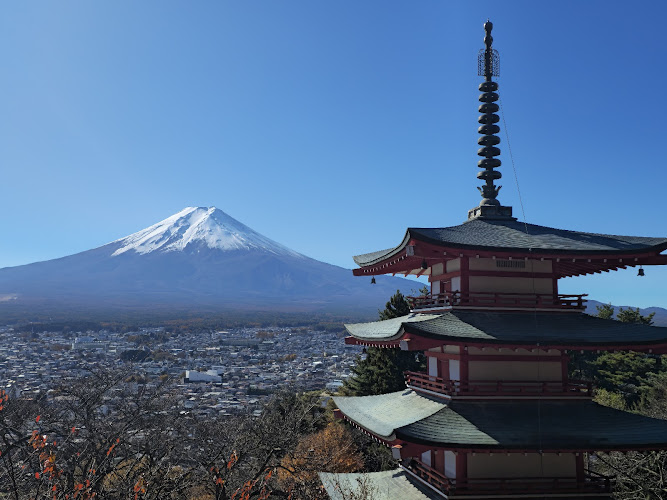
Arakura Fuji Sengen Shrine
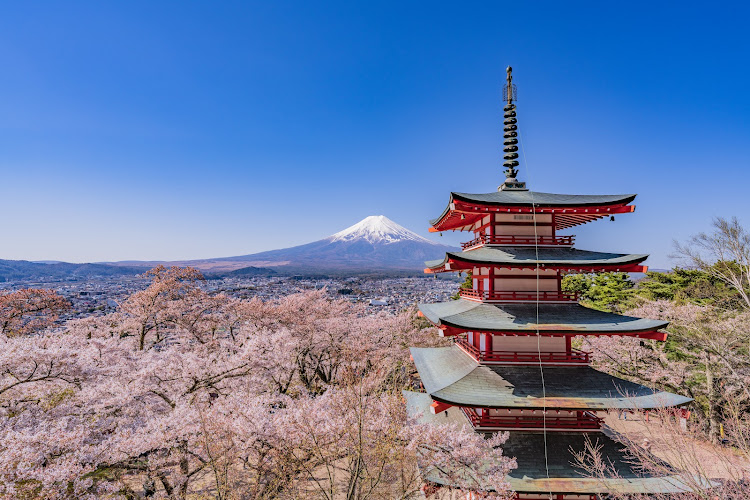
Arakurayama Sengen Park
Find Accommodations Nearby
Recommended Tours & Activities
Visitor Reviews
There are no reviews yet. Be the first one to write one.
Share Your Experience
Have you visited Fuji-Q Highland? Help other travelers by leaving a review.