
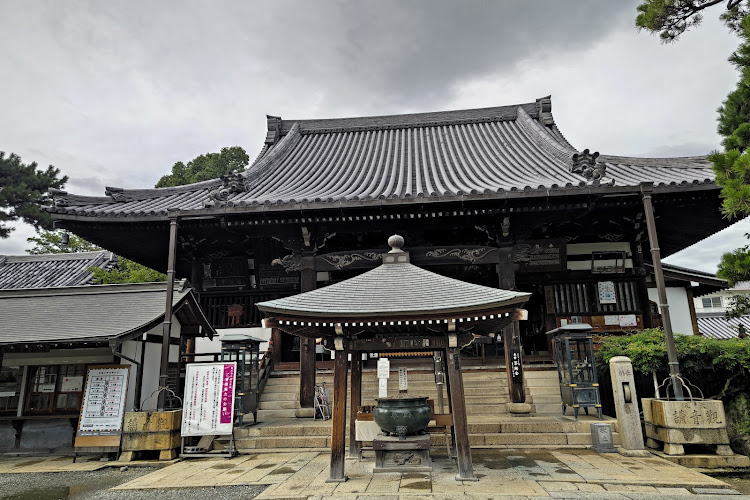
Fujii-dera
About Fujii-dera
Description
As I wandered through the sacred grounds of Fujii-dera, I couldn't help but be struck by its profound spiritual significance. This remarkable Buddhist temple, the 5th stop along the famous Saigoku Kannon Pilgrimage route, holds centuries of history within its ancient walls. But what truly sets it apart is the awe-inspiring sight of its main deity - a magnificent thousand-armed Kannon statue that seems to reach out to all who seek solace and enlightenment. The temple's most enchanting feature has to be its spectacular wisteria gardens. Y'know, I've seen my fair share of temple gardens, but there's something absolutely magical about the cascading purple blooms here during spring. These centuries-old wisteria trellises create a ethereal canopy that transforms the temple grounds into something straight out of a fairytale.Key Features
• The renowned thousand-armed Kannon statue, an incredible representation of Buddhist compassion and wisdom • Historic wisteria gardens featuring some trees over 1000 years old • Traditional temple architecture dating back to the 8th century • Stunning seasonal changes, from spring wisteria to vibrant autumn foliage • Peaceful meditation areas and prayer halls • Beautiful mountain views from various vantage points • Traditional omamori (lucky charms) and temple stamps available • Regular Buddhist ceremonies and rituals • Zen garden with carefully maintained rock arrangements • Ancient stone lanterns lining the pathwaysBest Time to Visit
I gotta tell you - timing your visit right can make all the difference here. The absolute peak season is during the wisteria bloom in late April to early May. That's when the temple really shows off its most instagram-worthy views. But honestly? I've found that early morning visits during any season offer a special kind of tranquility that just can't be beat. Fall brings its own magic with gorgeous autumn colors, usually peaking in November. And winter? Well, there's something pretty special about seeing the temple dusted with snow, plus you'll practically have the place to yourself. Summer can get pretty humid, but the early morning hours are still pleasant enough for exploring.How to Get There
Getting to Fujii-dera isn't exactly straightforward, but that's part of what keeps it feeling authentic and less touristy. From central Osaka, you'll want to take the Kintetsu Line to Fujiidera Station. From there, it's about a 15-minute walk to the temple - just follow the signs, they're pretty clear these days (though I remember getting a bit lost my first time!). If you're coming by car, there's some parking available nearby, but spaces are limited, especially during peak season. I'd recommend taking public transport if possible - it's more reliable and you won't have to stress about finding a spot.Tips for Visiting
Listen, I've made quite a few visits to Fujii-dera over the years, and I've picked up some handy tips along the way. First off, wear comfortable shoes - you'll be doing quite a bit of walking, and some of the paths can be steep. And bring cash! Many of the temple offerings and souvenirs can't be purchased with cards. If you're planning to see the wisteria in bloom, aim to arrive early in the morning - like, really early. The crowds can get pretty intense by midday, and the morning light makes for better photos anyway. Plus, the atmosphere is just more peaceful. Remember to be respectful - this is an active place of worship, not just a tourist spot. Keep your voice down, and follow the temple's photography rules. Some areas might be off-limits for photos, especially during ceremonies. Pack some water and maybe a light snack, especially if you're visiting in summer. There aren't many food options right near the temple, though you can find some nice local restaurants about a 10-minute walk away. Oh, and here's a pro tip: pick up a temple stamp book (goshuin-cho) if you're planning to visit other temples on the Saigoku pilgrimage route. The calligraphy they do here is particularly beautiful, and it makes for a meaningful souvenir of your visit. One last thing - check the temple's website or call ahead if you're visiting during inclement weather. Some areas might be closed for maintenance or safety reasons, especially after heavy rain. I've found that spending at least 2-3 hours here gives you enough time to really appreciate everything without feeling rushed. Take your time, soak in the atmosphere, and don't forget to just sit and be present for a while - that's what these sacred spaces are all about, after all.Key Features
- Key Features
- Best Time to Visit
- How to Get There
- Tips for Visiting
More Details
Updated June 12, 2025
Table of Contents
Description
As I wandered through the sacred grounds of Fujii-dera, I couldn’t help but be struck by its profound spiritual significance. This remarkable Buddhist temple, the 5th stop along the famous Saigoku Kannon Pilgrimage route, holds centuries of history within its ancient walls. But what truly sets it apart is the awe-inspiring sight of its main deity – a magnificent thousand-armed Kannon statue that seems to reach out to all who seek solace and enlightenment.
The temple’s most enchanting feature has to be its spectacular wisteria gardens. Y’know, I’ve seen my fair share of temple gardens, but there’s something absolutely magical about the cascading purple blooms here during spring. These centuries-old wisteria trellises create a ethereal canopy that transforms the temple grounds into something straight out of a fairytale.
Key Features
• The renowned thousand-armed Kannon statue, an incredible representation of Buddhist compassion and wisdom
• Historic wisteria gardens featuring some trees over 1000 years old
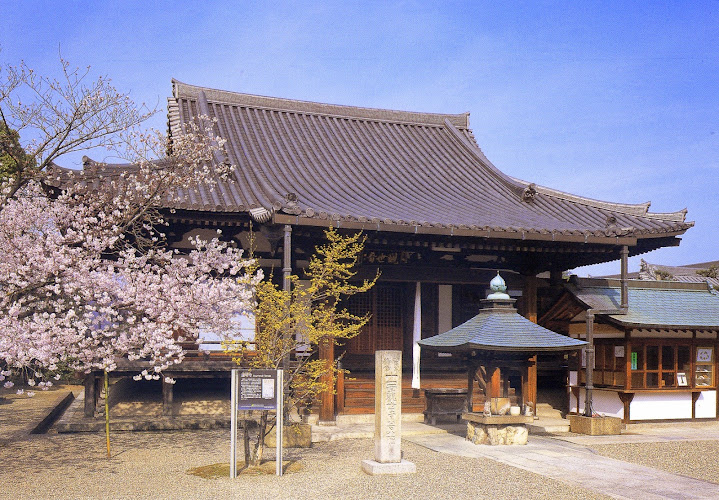
• Traditional temple architecture dating back to the 8th century
• Stunning seasonal changes, from spring wisteria to vibrant autumn foliage
• Peaceful meditation areas and prayer halls
• Beautiful mountain views from various vantage points
• Traditional omamori (lucky charms) and temple stamps available
• Regular Buddhist ceremonies and rituals
• Zen garden with carefully maintained rock arrangements
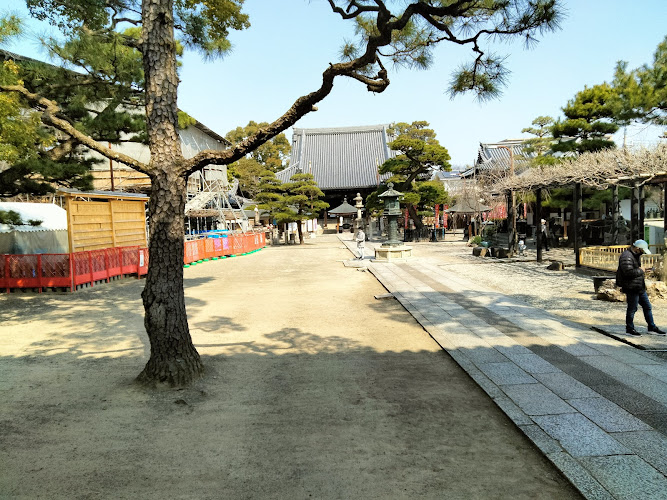
• Ancient stone lanterns lining the pathways
Best Time to Visit
I gotta tell you – timing your visit right can make all the difference here. The absolute peak season is during the wisteria bloom in late April to early May. That’s when the temple really shows off its most instagram-worthy views. But honestly? I’ve found that early morning visits during any season offer a special kind of tranquility that just can’t be beat.
Fall brings its own magic with gorgeous autumn colors, usually peaking in November. And winter? Well, there’s something pretty special about seeing the temple dusted with snow, plus you’ll practically have the place to yourself. Summer can get pretty humid, but the early morning hours are still pleasant enough for exploring.
How to Get There
Getting to Fujii-dera isn’t exactly straightforward, but that’s part of what keeps it feeling authentic and less touristy. From central Osaka, you’ll want to take the Kintetsu Line to Fujiidera Station. From there, it’s about a 15-minute walk to the temple – just follow the signs, they’re pretty clear these days (though I remember getting a bit lost my first time!).
If you’re coming by car, there’s some parking available nearby, but spaces are limited, especially during peak season. I’d recommend taking public transport if possible – it’s more reliable and you won’t have to stress about finding a spot.
Tips for Visiting
Listen, I’ve made quite a few visits to Fujii-dera over the years, and I’ve picked up some handy tips along the way. First off, wear comfortable shoes – you’ll be doing quite a bit of walking, and some of the paths can be steep. And bring cash! Many of the temple offerings and souvenirs can’t be purchased with cards.
If you’re planning to see the wisteria in bloom, aim to arrive early in the morning – like, really early. The crowds can get pretty intense by midday, and the morning light makes for better photos anyway. Plus, the atmosphere is just more peaceful.
Remember to be respectful – this is an active place of worship, not just a tourist spot. Keep your voice down, and follow the temple’s photography rules. Some areas might be off-limits for photos, especially during ceremonies.
Pack some water and maybe a light snack, especially if you’re visiting in summer. There aren’t many food options right near the temple, though you can find some nice local restaurants about a 10-minute walk away.
Oh, and here’s a pro tip: pick up a temple stamp book (goshuin-cho) if you’re planning to visit other temples on the Saigoku pilgrimage route. The calligraphy they do here is particularly beautiful, and it makes for a meaningful souvenir of your visit.
One last thing – check the temple’s website or call ahead if you’re visiting during inclement weather. Some areas might be closed for maintenance or safety reasons, especially after heavy rain.
I’ve found that spending at least 2-3 hours here gives you enough time to really appreciate everything without feeling rushed. Take your time, soak in the atmosphere, and don’t forget to just sit and be present for a while – that’s what these sacred spaces are all about, after all.
Key Highlights
- Key Features
- Best Time to Visit
- How to Get There
- Tips for Visiting
Location
Places to Stay Near Fujii-dera
Find and Book a Tour
Explore More Travel Guides
No reviews found! Be the first to review!
Traveler Reviews for Fujii-dera
There are no reviews yet. Be the first one to write one.
Have you visited Fujii-dera? Help other travelers by sharing your review.
You Might Also Like
Find Accommodations Nearby
Recommended Tours & Activities
Visitor Reviews
There are no reviews yet. Be the first one to write one.
Share Your Experience
Have you visited Fujii-dera? Help other travelers by leaving a review.