
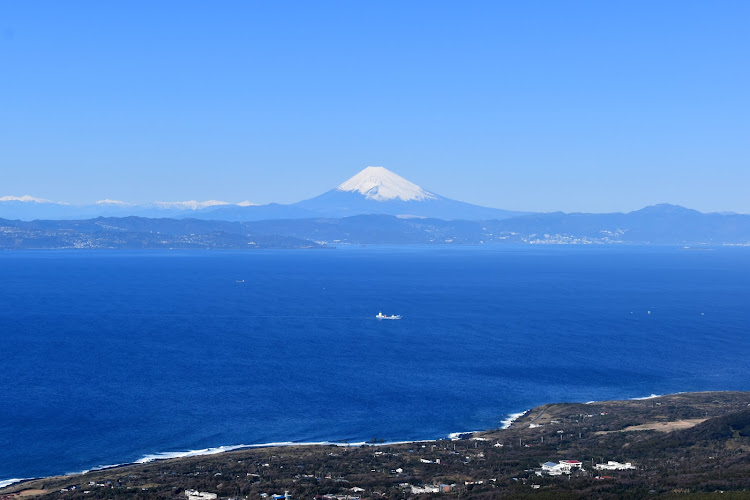
Fuji-Hakone-Izu National Park
About Fuji-Hakone-Izu National Park
Description
Fuji-Hakone-Izu National Park is one of those places where you can’t help but feel like you’ve stepped into a painting. It’s not just about Mount Fuji – though, let’s be honest, that majestic peak does steal the show – it’s about the whole collection of landscapes that surround it. We’re talking the serene Fuji Five Lakes, the steaming volcanic valleys of Hakone, the rugged coastline of the Izu Peninsula, and even a scattering of far-flung islands in the Pacific. The park is huge and diverse, so no two visits ever feel quite the same.
Sure, it’s a popular destination, and sometimes you might have to share the view with a crowd, but there’s a reason people keep coming back. The mix of natural beauty, cultural history, and accessible outdoor adventures makes it an easy favorite. I’ve wandered through here on a misty autumn morning when the clouds clung to the slopes of Fuji, and I’ve also been here in the height of summer when families were picnicking by the lakes and kids were chasing dragonflies. Both times were unforgettable, just in completely different ways.
Accessibility is surprisingly good for such a vast and varied park. There are wheelchair-friendly entrances and parking areas, picnic tables for a leisurely lunch, and even playgrounds for younger visitors. Dogs are welcome in many areas, which is great if you’re like me and hate leaving your four-legged friend behind. And if you’re into hiking, there’s a trail for every mood – from gentle lakeside strolls to thigh-burning ascents that reward you with sweeping views. You can spend a day here or a week, and still feel like you’ve only scratched the surface.
Key Features
- Iconic views of Mount Fuji from multiple vantage points
- Fuji Five Lakes area – ideal for boating, fishing, and lakeside walks
- Hakone’s hot springs and volcanic landscapes, including Owakudani Valley
- Izu Peninsula’s rugged coastline and scenic beaches
- Izu Islands – remote and less crowded, with unique flora and fauna
- Wheelchair accessible entrances and parking areas
- Family-friendly facilities including picnic tables, playgrounds, and kid-friendly hiking trails
- Pet-friendly areas for visitors with dogs
- Public restrooms conveniently located in main visitor zones
- Opportunities for seasonal activities like cherry blossom viewing and autumn foliage walks
Best Time to Visit
Honestly, there’s no single “perfect” time to visit Fuji-Hakone-Izu National Park – it really depends on what you’re after. Spring is a heart-stealer, with cherry blossoms framing Mount Fuji like something out of an old woodblock print. If you’re here in late April or early May, you might catch the Shibazakura Festival, where fields of pink moss phlox bloom in a riot of color. Summer is warm and lively, perfect for lake activities and exploring the islands, though it can get busy in peak holiday weeks.
Autumn is my personal favorite. The air is crisp, the crowds thin out a bit, and the mountainsides turn into a patchwork of gold, orange, and crimson. It’s also a great time for hiking without the oppressive heat. Winter, on the other hand, is all about those crystal-clear views of Fuji capped with snow – plus, fewer tourists. And if you’re into hot springs, nothing beats soaking in an outdoor onsen while watching steam rise into the cold air.
How to Get There
Getting to Fuji-Hakone-Izu National Park is easier than you might think, especially if you’re starting from Tokyo or Yokohama. For Mount Fuji and the Fuji Five Lakes region, buses and trains run regularly from Shinjuku Station to Kawaguchiko. The ride is scenic in itself, with the mountain slowly revealing itself as you get closer. Hakone is best reached via the Odakyu Line or the Shinkansen to Odawara, followed by local transport like buses or the Hakone Tozan Railway. The Izu Peninsula and islands take a bit more planning – trains, buses, and ferries connect the mainland to the islands, so it’s worth checking schedules in advance.
If you’re driving, you’ll have more flexibility to explore at your own pace, especially for the more remote areas. Just keep in mind that parking can be limited in popular spots during peak seasons, and some mountain roads can be narrow and winding. But the payoff? You can stop whenever a view catches your eye – and trust me, it will happen a lot.
Tips for Visiting
First off, give yourself more time than you think you’ll need. The park is massive, and rushing through it is like trying to read a novel by skipping every other page. If you can, split your visit over a few days and focus on different areas each day – maybe Fuji and the lakes one day, Hakone the next, and then the Izu coast or islands.
Pack for the weather, because it can change fast – especially around the mountain. I’ve been caught in sudden rain showers in summer and surprise snow flurries in early spring. Layers are your friend. Comfortable shoes are a must, even if you’re not planning any serious hikes. And don’t forget cash – while Japan is increasingly card-friendly, some smaller shops, food stalls, and rural transport still prefer cash.
If you’re visiting with kids, the playgrounds and easy trails are a lifesaver. Bring snacks and maybe a picnic blanket – there are plenty of spots where you can just plop down and enjoy the scenery. For pet owners, check ahead which trails and areas allow dogs, and bring water for them too, especially in warmer months.
And here’s a personal piece of advice: don’t just chase the “famous” views. Sure, you’ll want that classic shot of Mount Fuji, but some of my favorite moments here have been in quiet corners – a hidden lakeside bench, a tiny shrine tucked away in the forest, or a local café where the owner chats with you about the weather. Those little discoveries are what make Fuji-Hakone-Izu National Park more than just a checklist destination. They make it a place you’ll think about long after you’ve gone home.
Key Features
- Iconic views of Mount Fuji from multiple vantage points
- Fuji Five Lakes area – ideal for boating, fishing, and lakeside walks
- Hakone’s hot springs and volcanic landscapes, including Owakudani Valley
- Izu Peninsula’s rugged coastline and scenic beaches
- Izu Islands – remote and less crowded, with unique flora and fauna
- Wheelchair accessible entrances and parking areas
- Family-friendly facilities including picnic tables, playgrounds, and kid-friendly hiking trails
- Pet-friendly areas for visitors with dogs
More Details
Updated August 9, 2025
Table of Contents
Description
Fuji-Hakone-Izu National Park is one of those places where you can’t help but feel like you’ve stepped into a painting. It’s not just about Mount Fuji – though, let’s be honest, that majestic peak does steal the show – it’s about the whole collection of landscapes that surround it. We’re talking the serene Fuji Five Lakes, the steaming volcanic valleys of Hakone, the rugged coastline of the Izu Peninsula, and even a scattering of far-flung islands in the Pacific. The park is huge and diverse, so no two visits ever feel quite the same.
Sure, it’s a popular destination, and sometimes you might have to share the view with a crowd, but there’s a reason people keep coming back. The mix of natural beauty, cultural history, and accessible outdoor adventures makes it an easy favorite. I’ve wandered through here on a misty autumn morning when the clouds clung to the slopes of Fuji, and I’ve also been here in the height of summer when families were picnicking by the lakes and kids were chasing dragonflies. Both times were unforgettable, just in completely different ways.
Accessibility is surprisingly good for such a vast and varied park. There are wheelchair-friendly entrances and parking areas, picnic tables for a leisurely lunch, and even playgrounds for younger visitors. Dogs are welcome in many areas, which is great if you’re like me and hate leaving your four-legged friend behind. And if you’re into hiking, there’s a trail for every mood – from gentle lakeside strolls to thigh-burning ascents that reward you with sweeping views. You can spend a day here or a week, and still feel like you’ve only scratched the surface.
Key Features
- Iconic views of Mount Fuji from multiple vantage points
- Fuji Five Lakes area – ideal for boating, fishing, and lakeside walks
- Hakone’s hot springs and volcanic landscapes, including Owakudani Valley
- Izu Peninsula’s rugged coastline and scenic beaches
- Izu Islands – remote and less crowded, with unique flora and fauna
- Wheelchair accessible entrances and parking areas
- Family-friendly facilities including picnic tables, playgrounds, and kid-friendly hiking trails
- Pet-friendly areas for visitors with dogs
- Public restrooms conveniently located in main visitor zones
- Opportunities for seasonal activities like cherry blossom viewing and autumn foliage walks
Best Time to Visit
Honestly, there’s no single “perfect” time to visit Fuji-Hakone-Izu National Park – it really depends on what you’re after. Spring is a heart-stealer, with cherry blossoms framing Mount Fuji like something out of an old woodblock print. If you’re here in late April or early May, you might catch the Shibazakura Festival, where fields of pink moss phlox bloom in a riot of color. Summer is warm and lively, perfect for lake activities and exploring the islands, though it can get busy in peak holiday weeks.
Autumn is my personal favorite. The air is crisp, the crowds thin out a bit, and the mountainsides turn into a patchwork of gold, orange, and crimson. It’s also a great time for hiking without the oppressive heat. Winter, on the other hand, is all about those crystal-clear views of Fuji capped with snow – plus, fewer tourists. And if you’re into hot springs, nothing beats soaking in an outdoor onsen while watching steam rise into the cold air.
How to Get There
Getting to Fuji-Hakone-Izu National Park is easier than you might think, especially if you’re starting from Tokyo or Yokohama. For Mount Fuji and the Fuji Five Lakes region, buses and trains run regularly from Shinjuku Station to Kawaguchiko. The ride is scenic in itself, with the mountain slowly revealing itself as you get closer. Hakone is best reached via the Odakyu Line or the Shinkansen to Odawara, followed by local transport like buses or the Hakone Tozan Railway. The Izu Peninsula and islands take a bit more planning – trains, buses, and ferries connect the mainland to the islands, so it’s worth checking schedules in advance.
If you’re driving, you’ll have more flexibility to explore at your own pace, especially for the more remote areas. Just keep in mind that parking can be limited in popular spots during peak seasons, and some mountain roads can be narrow and winding. But the payoff? You can stop whenever a view catches your eye – and trust me, it will happen a lot.
Tips for Visiting
First off, give yourself more time than you think you’ll need. The park is massive, and rushing through it is like trying to read a novel by skipping every other page. If you can, split your visit over a few days and focus on different areas each day – maybe Fuji and the lakes one day, Hakone the next, and then the Izu coast or islands.
Pack for the weather, because it can change fast – especially around the mountain. I’ve been caught in sudden rain showers in summer and surprise snow flurries in early spring. Layers are your friend. Comfortable shoes are a must, even if you’re not planning any serious hikes. And don’t forget cash – while Japan is increasingly card-friendly, some smaller shops, food stalls, and rural transport still prefer cash.
If you’re visiting with kids, the playgrounds and easy trails are a lifesaver. Bring snacks and maybe a picnic blanket – there are plenty of spots where you can just plop down and enjoy the scenery. For pet owners, check ahead which trails and areas allow dogs, and bring water for them too, especially in warmer months.
And here’s a personal piece of advice: don’t just chase the “famous” views. Sure, you’ll want that classic shot of Mount Fuji, but some of my favorite moments here have been in quiet corners – a hidden lakeside bench, a tiny shrine tucked away in the forest, or a local café where the owner chats with you about the weather. Those little discoveries are what make Fuji-Hakone-Izu National Park more than just a checklist destination. They make it a place you’ll think about long after you’ve gone home.
Key Highlights
- Iconic views of Mount Fuji from multiple vantage points
- Fuji Five Lakes area – ideal for boating, fishing, and lakeside walks
- Hakone’s hot springs and volcanic landscapes, including Owakudani Valley
- Izu Peninsula’s rugged coastline and scenic beaches
- Izu Islands – remote and less crowded, with unique flora and fauna
- Wheelchair accessible entrances and parking areas
- Family-friendly facilities including picnic tables, playgrounds, and kid-friendly hiking trails
- Pet-friendly areas for visitors with dogs
Location
Places to Stay Near Fuji-Hakone-Izu National Park
Find and Book a Tour
Explore More Travel Guides
No reviews found! Be the first to review!
Traveler Reviews for Fuji-Hakone-Izu National Park
There are no reviews yet. Be the first one to write one.
Have you visited Fuji-Hakone-Izu National Park? Help other travelers by sharing your review.
You Might Also Like
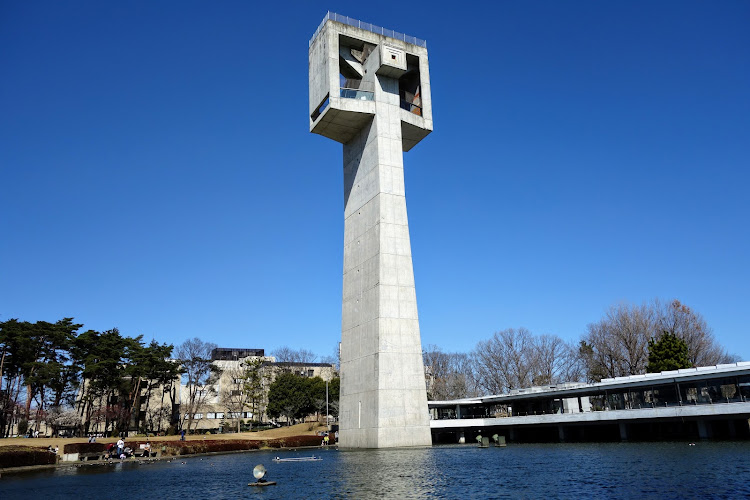
Matsumi Park

STEIFF
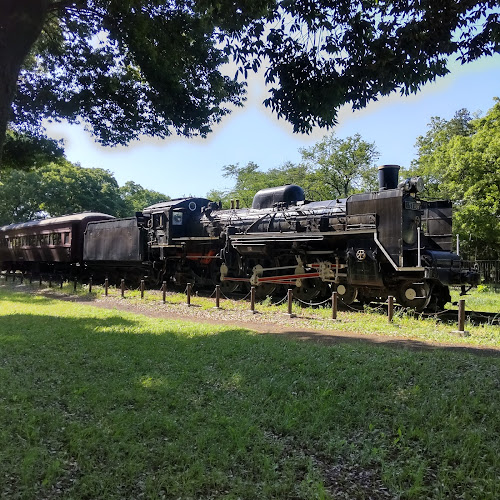
Koganei Park Steam Locomotive Exhibition Center
Find Accommodations Nearby
Recommended Tours & Activities
Visitor Reviews
There are no reviews yet. Be the first one to write one.
Share Your Experience
Have you visited Fuji-Hakone-Izu National Park? Help other travelers by leaving a review.