
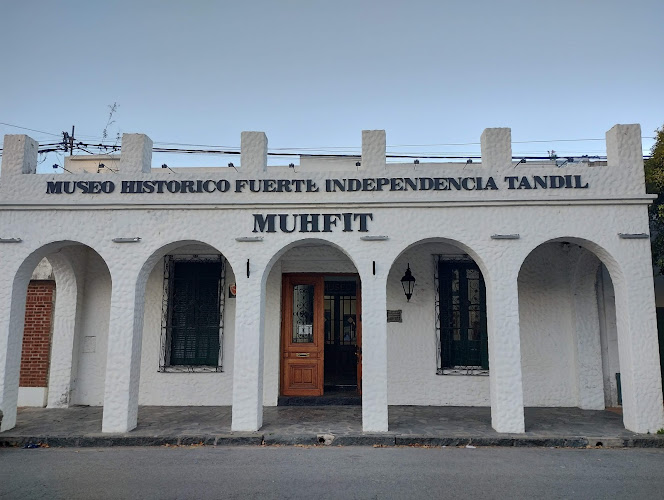
Fort Independence Historical Museum Tandil MUHFIT
About Fort Independence Historical Museum Tandil MUHFIT
Description
The Fort Independence Historical Museum in Tandil, better known as MUHFIT, is one of those places that quietly surprises you. At first glance, you might expect a small local museum with a few dusty artifacts, but once inside, the scale and variety of its collections really hit. It’s not just about military history or the story of the old fort—it’s a full journey through Tandil’s past, from everyday life in the 19th century to the broader cultural and political shifts that shaped Argentina. I personally love museums that feel like time capsules, and MUHFIT has that effect. You walk through rooms that seem to whisper stories of the people who lived, worked, and struggled here.
What makes it stand out is how it balances serious history with a sense of intimacy. There are weapons and uniforms, yes, but also objects from daily life, photographs, and even natural history collections. It feels less like a sterile institution and more like someone carefully curated a treasure chest of the region’s soul. And while most visitors walk away impressed, it’s fair to say not every exhibit is polished or cutting-edge. Some displays are a bit old-fashioned, but honestly, that adds to the charm. It’s the kind of place where you slow down, wander, and let your imagination fill in the gaps.
The museum is accessible for wheelchair users with ramps and restrooms designed for mobility, though the parking situation can be tricky since there isn’t a dedicated accessible lot. Families will be glad to know it’s kid-friendly, and children under ten don’t even pay for admission. For adults, the general entrance is $3000, while retirees get a discounted rate of $2000, which feels very reasonable considering how much there is to see.
Key Features
- Extensive historical collections covering Tandil’s social, cultural, and political past
- Military artifacts from the 19th century, including weapons and uniforms
- Rooms dedicated to everyday life in Tandil, with authentic objects and photographs
- Natural history exhibits that add variety beyond the fort’s story
- Wheelchair accessible entrance and restrooms (though no dedicated accessible parking lot)
- Family-friendly environment where kids can explore and learn
- Affordable admission with discounts for retirees and free entry for children under ten
Best Time to Visit
If you’re planning a trip, weekdays are usually quieter, which makes it easier to linger in front of the exhibits without feeling rushed. Tandil itself is busiest during long weekends and holidays, so visiting the museum during off-peak times means more space and fewer distractions. Personally, I think autumn is the sweet spot. The weather in Tandil is cooler and pleasant, making it comfortable to combine the museum visit with walks around the city. Summer can get hot, and while the museum is indoors, the crowds in town can make it a bit overwhelming. Winter has its own charm too—exploring history while escaping the chilly air outside feels cozy in its own right.
How to Get There
The museum is located in central Tandil, which makes it pretty straightforward to reach. If you’re already in the city, you can easily walk or take a short taxi ride. Tandil isn’t a massive urban sprawl, so nothing feels too far away. For those coming from Buenos Aires, the most common route is by bus, which takes around six hours, or by car, which is a bit faster if you don’t mind the drive. Once in Tandil, public transport is limited, so taxis or walking are your best bet. I remember taking a taxi from the bus terminal, and it was quick and inexpensive—sometimes the simplest option is the best.
Tips for Visiting
Give yourself at least two hours to explore properly. There’s more here than you might expect, and rushing through would miss the point. Bring some cash for tickets since not every smaller museum in Argentina accepts cards reliably. If you’re traveling with kids, prepare to answer a lot of questions—they’ll be fascinated by the old weapons and uniforms. And if you’re someone who geeks out over local history, bring a notebook or use your phone to jot down details, because you’ll find plenty of quirky facts worth remembering.
Another tip: don’t just stop at the museum and call it a day. Pair your visit with a walk around Tandil’s historic center or a stop at one of the city’s bakeries for medialunas afterward. That’s what I did, and honestly, it made the experience feel complete—history in the morning, coffee and pastries in the afternoon. And if you’re someone who likes photography, the museum’s architecture and displays offer plenty of interesting shots, though be respectful of any no-photo signs.
In short, the Fort Independence Historical Museum Tandil MUHFIT is more than just a collection of artifacts—it’s a doorway into the layered identity of Tandil and Argentina itself. It’s not flawless, but that’s part of why it feels real. Go in with curiosity, take your time, and you’ll walk out with a deeper sense of place.
Key Features
- Extensive historical collections covering Tandil’s social, cultural, and political past
- Military artifacts from the 19th century, including weapons and uniforms
- Rooms dedicated to everyday life in Tandil, with authentic objects and photographs
- Natural history exhibits that add variety beyond the fort’s story
- Wheelchair accessible entrance and restrooms (though no dedicated accessible parking lot)
- Family-friendly environment where kids can explore and learn
- Affordable admission with discounts for retirees and free entry for children under ten
More Details
Updated September 10, 2025
Table of Contents
- Description
- Key Features
- Best Time to Visit
- How to Get There
- Tips for Visiting
- Key Highlights
- Location
- Places to Stay Near Fort Independence Historical Museum Tandil MUHFIT
- Find and Book a Tour
- Explore More Travel Guides
- Nearby Places You Might Like
- Traveler Reviews for Fort Independence Historical Museum Tandil MUHFIT
- Share Your Experience
Description
The Fort Independence Historical Museum in Tandil, better known as MUHFIT, is one of those places that quietly surprises you. At first glance, you might expect a small local museum with a few dusty artifacts, but once inside, the scale and variety of its collections really hit. It’s not just about military history or the story of the old fort—it’s a full journey through Tandil’s past, from everyday life in the 19th century to the broader cultural and political shifts that shaped Argentina. I personally love museums that feel like time capsules, and MUHFIT has that effect. You walk through rooms that seem to whisper stories of the people who lived, worked, and struggled here.
What makes it stand out is how it balances serious history with a sense of intimacy. There are weapons and uniforms, yes, but also objects from daily life, photographs, and even natural history collections. It feels less like a sterile institution and more like someone carefully curated a treasure chest of the region’s soul. And while most visitors walk away impressed, it’s fair to say not every exhibit is polished or cutting-edge. Some displays are a bit old-fashioned, but honestly, that adds to the charm. It’s the kind of place where you slow down, wander, and let your imagination fill in the gaps.
The museum is accessible for wheelchair users with ramps and restrooms designed for mobility, though the parking situation can be tricky since there isn’t a dedicated accessible lot. Families will be glad to know it’s kid-friendly, and children under ten don’t even pay for admission. For adults, the general entrance is $3000, while retirees get a discounted rate of $2000, which feels very reasonable considering how much there is to see.
Key Features
- Extensive historical collections covering Tandil’s social, cultural, and political past
- Military artifacts from the 19th century, including weapons and uniforms
- Rooms dedicated to everyday life in Tandil, with authentic objects and photographs
- Natural history exhibits that add variety beyond the fort’s story
- Wheelchair accessible entrance and restrooms (though no dedicated accessible parking lot)
- Family-friendly environment where kids can explore and learn
- Affordable admission with discounts for retirees and free entry for children under ten
Best Time to Visit
If you’re planning a trip, weekdays are usually quieter, which makes it easier to linger in front of the exhibits without feeling rushed. Tandil itself is busiest during long weekends and holidays, so visiting the museum during off-peak times means more space and fewer distractions. Personally, I think autumn is the sweet spot. The weather in Tandil is cooler and pleasant, making it comfortable to combine the museum visit with walks around the city. Summer can get hot, and while the museum is indoors, the crowds in town can make it a bit overwhelming. Winter has its own charm too—exploring history while escaping the chilly air outside feels cozy in its own right.
How to Get There
The museum is located in central Tandil, which makes it pretty straightforward to reach. If you’re already in the city, you can easily walk or take a short taxi ride. Tandil isn’t a massive urban sprawl, so nothing feels too far away. For those coming from Buenos Aires, the most common route is by bus, which takes around six hours, or by car, which is a bit faster if you don’t mind the drive. Once in Tandil, public transport is limited, so taxis or walking are your best bet. I remember taking a taxi from the bus terminal, and it was quick and inexpensive—sometimes the simplest option is the best.
Tips for Visiting
Give yourself at least two hours to explore properly. There’s more here than you might expect, and rushing through would miss the point. Bring some cash for tickets since not every smaller museum in Argentina accepts cards reliably. If you’re traveling with kids, prepare to answer a lot of questions—they’ll be fascinated by the old weapons and uniforms. And if you’re someone who geeks out over local history, bring a notebook or use your phone to jot down details, because you’ll find plenty of quirky facts worth remembering.
Another tip: don’t just stop at the museum and call it a day. Pair your visit with a walk around Tandil’s historic center or a stop at one of the city’s bakeries for medialunas afterward. That’s what I did, and honestly, it made the experience feel complete—history in the morning, coffee and pastries in the afternoon. And if you’re someone who likes photography, the museum’s architecture and displays offer plenty of interesting shots, though be respectful of any no-photo signs.
In short, the Fort Independence Historical Museum Tandil MUHFIT is more than just a collection of artifacts—it’s a doorway into the layered identity of Tandil and Argentina itself. It’s not flawless, but that’s part of why it feels real. Go in with curiosity, take your time, and you’ll walk out with a deeper sense of place.
Key Highlights
- Extensive historical collections covering Tandil’s social, cultural, and political past
- Military artifacts from the 19th century, including weapons and uniforms
- Rooms dedicated to everyday life in Tandil, with authentic objects and photographs
- Natural history exhibits that add variety beyond the fort’s story
- Wheelchair accessible entrance and restrooms (though no dedicated accessible parking lot)
- Family-friendly environment where kids can explore and learn
- Affordable admission with discounts for retirees and free entry for children under ten
Location
Places to Stay Near Fort Independence Historical Museum Tandil MUHFIT
Find and Book a Tour
Explore More Travel Guides
No reviews found! Be the first to review!
Traveler Reviews for Fort Independence Historical Museum Tandil MUHFIT
There are no reviews yet. Be the first one to write one.
Have you visited Fort Independence Historical Museum Tandil MUHFIT? Help other travelers by sharing your review.
You Might Also Like
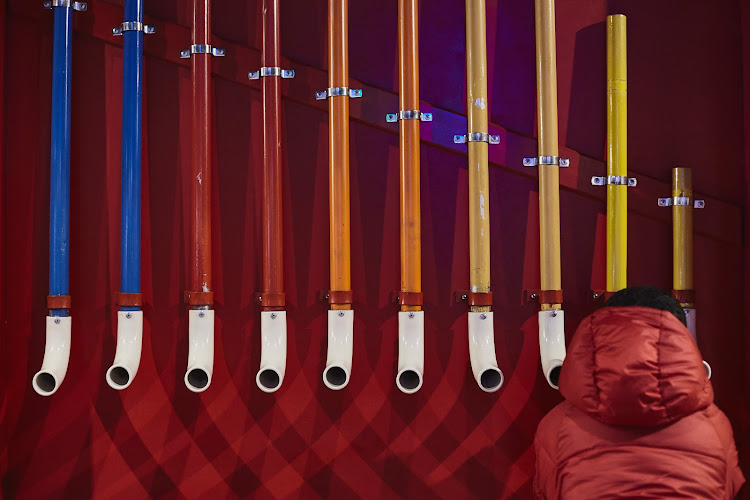
Participatory Science Museum
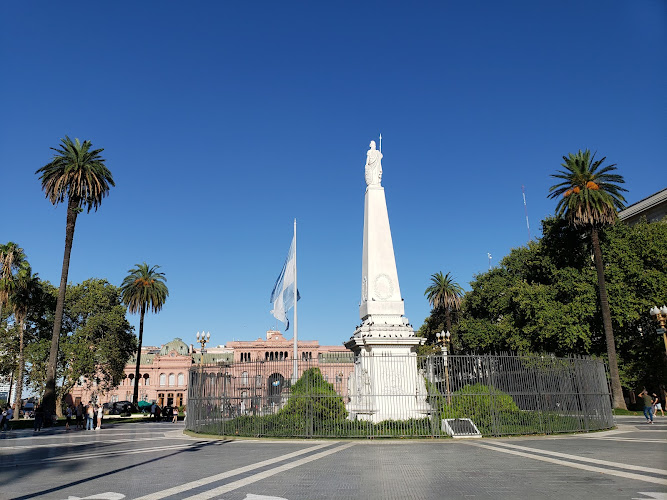
Plaza de Mayo
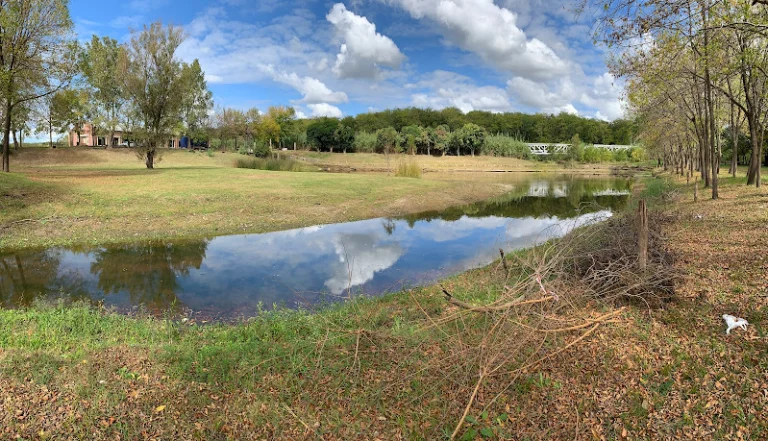
Lagos Del Rocio
Find Accommodations Nearby
Recommended Tours & Activities
Visitor Reviews
There are no reviews yet. Be the first one to write one.
Share Your Experience
Have you visited Fort Independence Historical Museum Tandil MUHFIT? Help other travelers by leaving a review.