

Fort Canning Park
About Fort Canning Park
Description
Fort Canning Park is one of those places in Singapore that manages to feel both timeless and alive. Perched on a grassy hill in the heart of the city, it’s more than just a park – it’s a patchwork of history, nature, and modern-day leisure rolled into one. The air here carries layers of stories, from the days when it was the seat of Malay royalty in the 14th century, to its role as a British military stronghold, and even the tense hours leading up to the surrender of Singapore in World War II. Walking through it, you can almost feel the centuries under your feet.
While some visitors come for the lush greenery and shady trails, others are drawn by the open lawns that regularly transform into outdoor stages for concerts, plays, and festivals. And yes, there’s the famous Tree Tunnel – that photogenic walkway that’s all over Instagram – but the park has so much more to offer if you slow down. You’ll find playgrounds buzzing with kids, picnic tables under sprawling trees, and quiet corners where you can just sit and listen to the city hum in the distance.
It’s not perfect – on a humid afternoon, the uphill climbs can feel like a workout you didn’t sign up for, and some areas can get crowded during events. But that’s part of its charm; it’s a living space, not a manicured postcard. The mix of locals jogging at dawn, families unpacking lunchboxes, and travelers with cameras in hand makes it feel authentic. And for history buffs, the park is practically an open-air museum, with old gates, cannons, and colonial-era buildings scattered along the paths.
Key Features
- Historic landmarks from the 14th century and colonial era
- The iconic Tree Tunnel – a must for photography lovers
- Open lawns for concerts, plays, and cultural events
- Well-maintained hiking and walking trails
- Playgrounds, slides, and swings for children
- Picnic tables and shaded spots for outdoor meals
- Wheelchair-accessible entrances and parking
- Dog-friendly areas for pet owners
- Public restrooms conveniently located
Best Time to Visit
If you can, aim for the early morning or late afternoon. The light is softer, the temperature is kinder, and you’ll avoid the heaviest foot traffic. Mornings are especially peaceful – you’ll see regulars doing tai chi or jogging before the city fully wakes up. Late afternoons, on the other hand, are perfect for catching a golden sunset over the skyline from the hilltop. Weekdays are generally quieter, but if you want to experience the park’s lively side, check the event schedule and visit during a concert or festival. Just be prepared for bigger crowds and a more energetic atmosphere.
Singapore’s weather is warm year-round, but the park can feel extra humid after rain. If you’re not a fan of sticky heat, the cooler months between December and February might be your sweet spot. And if you’re a photography enthusiast, the soft post-rain light can make the greenery look almost unreal – just watch your step on the slippery paths.
How to Get There
Getting to Fort Canning Park is straightforward, thanks to its central location. The Fort Canning MRT station practically drops you at one of the entrances, which is a lifesaver if you’re not in the mood for a long walk in the sun. Other nearby stations like Dhoby Ghaut and Clarke Quay are also within walking distance, though you’ll have to navigate a few slopes. If you’re coming by bus, several routes stop close to the park’s perimeter. For those who prefer to drive, there’s parking available, including wheelchair-accessible spots, but spaces can fill up quickly during peak hours or big events.
I’ve personally found that arriving by MRT is the easiest – no stress about parking, and you can just focus on enjoying your time. Plus, stepping straight into a green space from the city’s concrete bustle feels like a little magic trick.
Tips for Visiting
Bring water – seriously. Even if you think you won’t need it, the combination of uphill paths and Singapore’s humidity can sneak up on you. Comfortable shoes are a must, especially if you plan on exploring the trails or venturing to the higher points. If you’re here for photos, the Tree Tunnel is gorgeous but can get crowded; go early or wait patiently for your turn so you can enjoy the moment without feeling rushed.
Families will appreciate the playgrounds and picnic spots, but it’s worth packing a mat or blanket if you want to sprawl out on the grass. Dog owners should keep pets on a leash – the park is pet-friendly, but it’s also busy. And for history lovers, take your time reading the plaques and exploring the lesser-known corners; some of the smaller structures and artifacts are easy to miss if you’re just rushing between the main attractions.
Lastly, don’t underestimate the charm of just sitting under a tree here. Sometimes the best way to experience Fort Canning Park isn’t to tick off a list of sights, but to let the place work its quiet magic on you. Whether you’re here for an hour or an afternoon, it’s a spot that rewards both curiosity and stillness.
Key Features
- Historic landmarks from the 14th century and colonial era
- The iconic Tree Tunnel – a must for photography lovers
- Open lawns for concerts, plays, and cultural events
- Well-maintained hiking and walking trails
- Playgrounds, slides, and swings for children
- Picnic tables and shaded spots for outdoor meals
- Wheelchair-accessible entrances and parking
- Dog-friendly areas for pet owners
More Details
Updated August 10, 2025
Table of Contents
Description
Fort Canning Park is one of those places in Singapore that manages to feel both timeless and alive. Perched on a grassy hill in the heart of the city, it’s more than just a park – it’s a patchwork of history, nature, and modern-day leisure rolled into one. The air here carries layers of stories, from the days when it was the seat of Malay royalty in the 14th century, to its role as a British military stronghold, and even the tense hours leading up to the surrender of Singapore in World War II. Walking through it, you can almost feel the centuries under your feet.
While some visitors come for the lush greenery and shady trails, others are drawn by the open lawns that regularly transform into outdoor stages for concerts, plays, and festivals. And yes, there’s the famous Tree Tunnel – that photogenic walkway that’s all over Instagram – but the park has so much more to offer if you slow down. You’ll find playgrounds buzzing with kids, picnic tables under sprawling trees, and quiet corners where you can just sit and listen to the city hum in the distance.
It’s not perfect – on a humid afternoon, the uphill climbs can feel like a workout you didn’t sign up for, and some areas can get crowded during events. But that’s part of its charm; it’s a living space, not a manicured postcard. The mix of locals jogging at dawn, families unpacking lunchboxes, and travelers with cameras in hand makes it feel authentic. And for history buffs, the park is practically an open-air museum, with old gates, cannons, and colonial-era buildings scattered along the paths.
Key Features
- Historic landmarks from the 14th century and colonial era
- The iconic Tree Tunnel – a must for photography lovers
- Open lawns for concerts, plays, and cultural events
- Well-maintained hiking and walking trails
- Playgrounds, slides, and swings for children
- Picnic tables and shaded spots for outdoor meals
- Wheelchair-accessible entrances and parking
- Dog-friendly areas for pet owners
- Public restrooms conveniently located
Best Time to Visit
If you can, aim for the early morning or late afternoon. The light is softer, the temperature is kinder, and you’ll avoid the heaviest foot traffic. Mornings are especially peaceful – you’ll see regulars doing tai chi or jogging before the city fully wakes up. Late afternoons, on the other hand, are perfect for catching a golden sunset over the skyline from the hilltop. Weekdays are generally quieter, but if you want to experience the park’s lively side, check the event schedule and visit during a concert or festival. Just be prepared for bigger crowds and a more energetic atmosphere.
Singapore’s weather is warm year-round, but the park can feel extra humid after rain. If you’re not a fan of sticky heat, the cooler months between December and February might be your sweet spot. And if you’re a photography enthusiast, the soft post-rain light can make the greenery look almost unreal – just watch your step on the slippery paths.
How to Get There
Getting to Fort Canning Park is straightforward, thanks to its central location. The Fort Canning MRT station practically drops you at one of the entrances, which is a lifesaver if you’re not in the mood for a long walk in the sun. Other nearby stations like Dhoby Ghaut and Clarke Quay are also within walking distance, though you’ll have to navigate a few slopes. If you’re coming by bus, several routes stop close to the park’s perimeter. For those who prefer to drive, there’s parking available, including wheelchair-accessible spots, but spaces can fill up quickly during peak hours or big events.
I’ve personally found that arriving by MRT is the easiest – no stress about parking, and you can just focus on enjoying your time. Plus, stepping straight into a green space from the city’s concrete bustle feels like a little magic trick.
Tips for Visiting
Bring water – seriously. Even if you think you won’t need it, the combination of uphill paths and Singapore’s humidity can sneak up on you. Comfortable shoes are a must, especially if you plan on exploring the trails or venturing to the higher points. If you’re here for photos, the Tree Tunnel is gorgeous but can get crowded; go early or wait patiently for your turn so you can enjoy the moment without feeling rushed.
Families will appreciate the playgrounds and picnic spots, but it’s worth packing a mat or blanket if you want to sprawl out on the grass. Dog owners should keep pets on a leash – the park is pet-friendly, but it’s also busy. And for history lovers, take your time reading the plaques and exploring the lesser-known corners; some of the smaller structures and artifacts are easy to miss if you’re just rushing between the main attractions.
Lastly, don’t underestimate the charm of just sitting under a tree here. Sometimes the best way to experience Fort Canning Park isn’t to tick off a list of sights, but to let the place work its quiet magic on you. Whether you’re here for an hour or an afternoon, it’s a spot that rewards both curiosity and stillness.
Key Highlights
- Historic landmarks from the 14th century and colonial era
- The iconic Tree Tunnel – a must for photography lovers
- Open lawns for concerts, plays, and cultural events
- Well-maintained hiking and walking trails
- Playgrounds, slides, and swings for children
- Picnic tables and shaded spots for outdoor meals
- Wheelchair-accessible entrances and parking
- Dog-friendly areas for pet owners
Location
Places to Stay Near Fort Canning Park
Find and Book a Tour
Explore More Travel Guides
No reviews found! Be the first to review!
Traveler Reviews for Fort Canning Park
There are no reviews yet. Be the first one to write one.
Have you visited Fort Canning Park? Help other travelers by sharing your review.
You Might Also Like
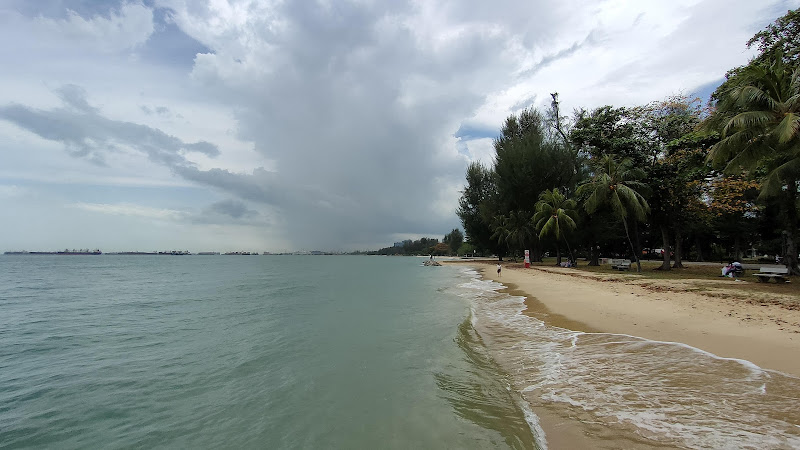
East Coast Park

The Lone Tree
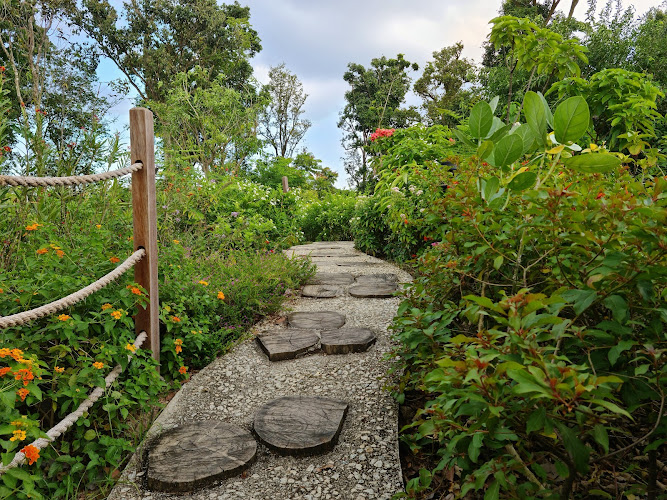
Butterfly Maze
Find Accommodations Nearby
Recommended Tours & Activities
Visitor Reviews
There are no reviews yet. Be the first one to write one.
Share Your Experience
Have you visited Fort Canning Park? Help other travelers by leaving a review.